
Determining Importer Liability under European Union Battery Regulations
EU Regulation 2023/1542 holds the first European entity taking title to imported batteries legally liable for all safety, carbon footprint, and passport duties.
EU Regulation 2023/1542 holds the first European entity taking title to imported batteries legally liable for all safety, carbon footprint, and passport duties.

Importers lower hazardous cargo clean-up liability by structuring purchase escrows and drafting explicit hazardous waste indemnities.
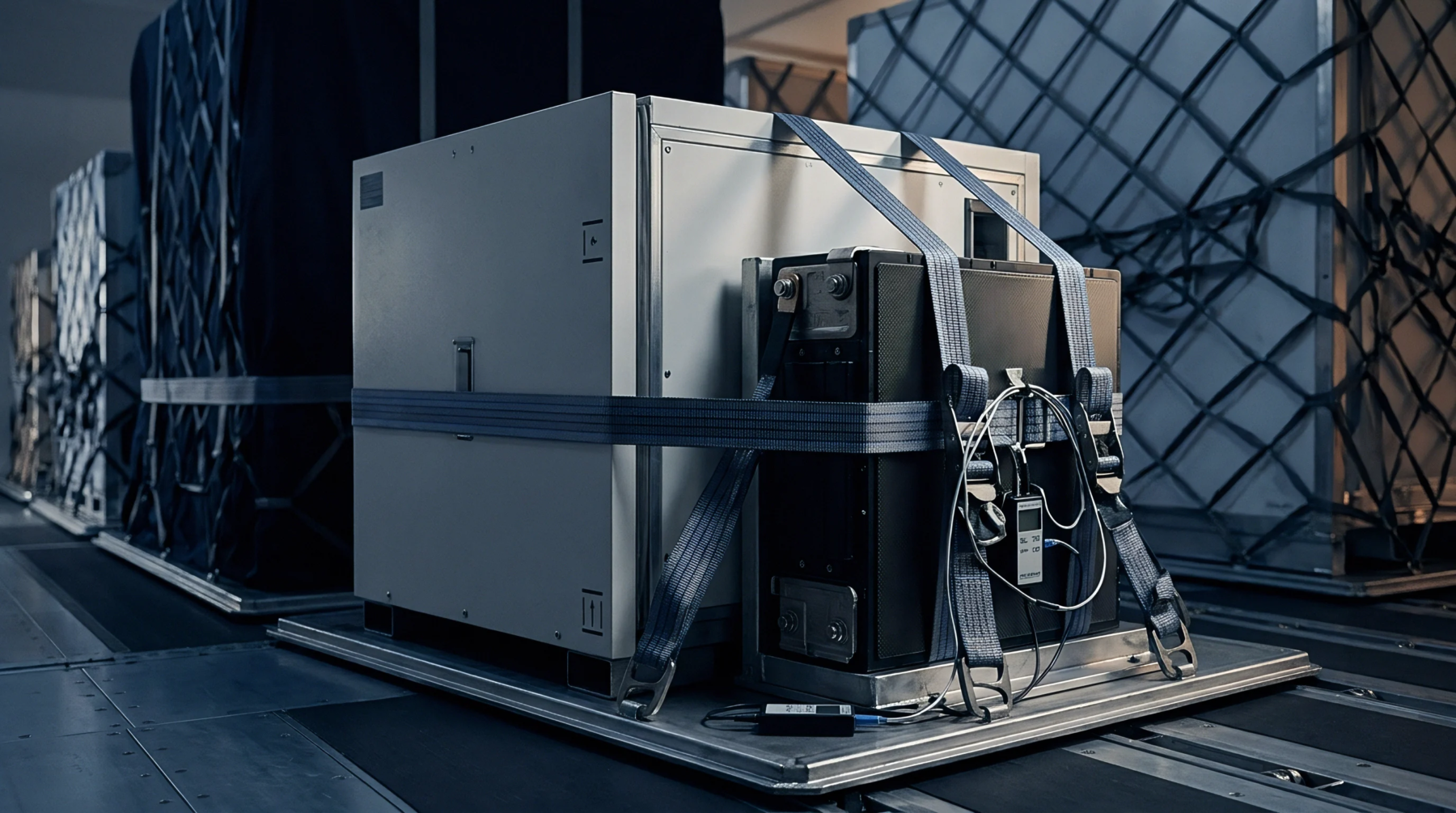
Aligning HS classification codes with UN dangerous goods labeling prevents customs holds, duty penalties, and carrier rejections for battery imports.
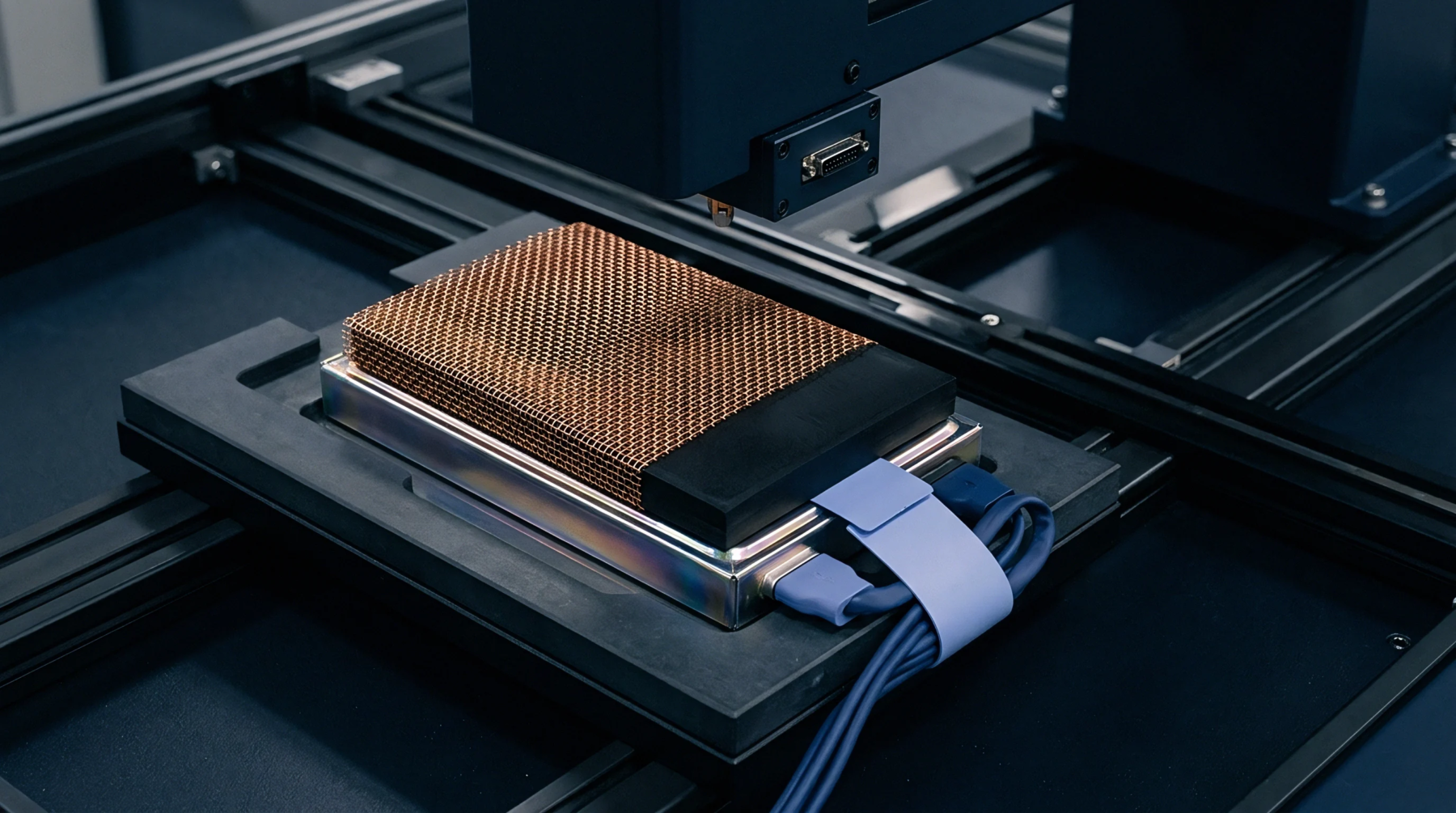
Air freight clearance for lithium batteries demands a fully compliant UN 38.3 test summary matching cell serials, state of charge, and IATA packing rules.
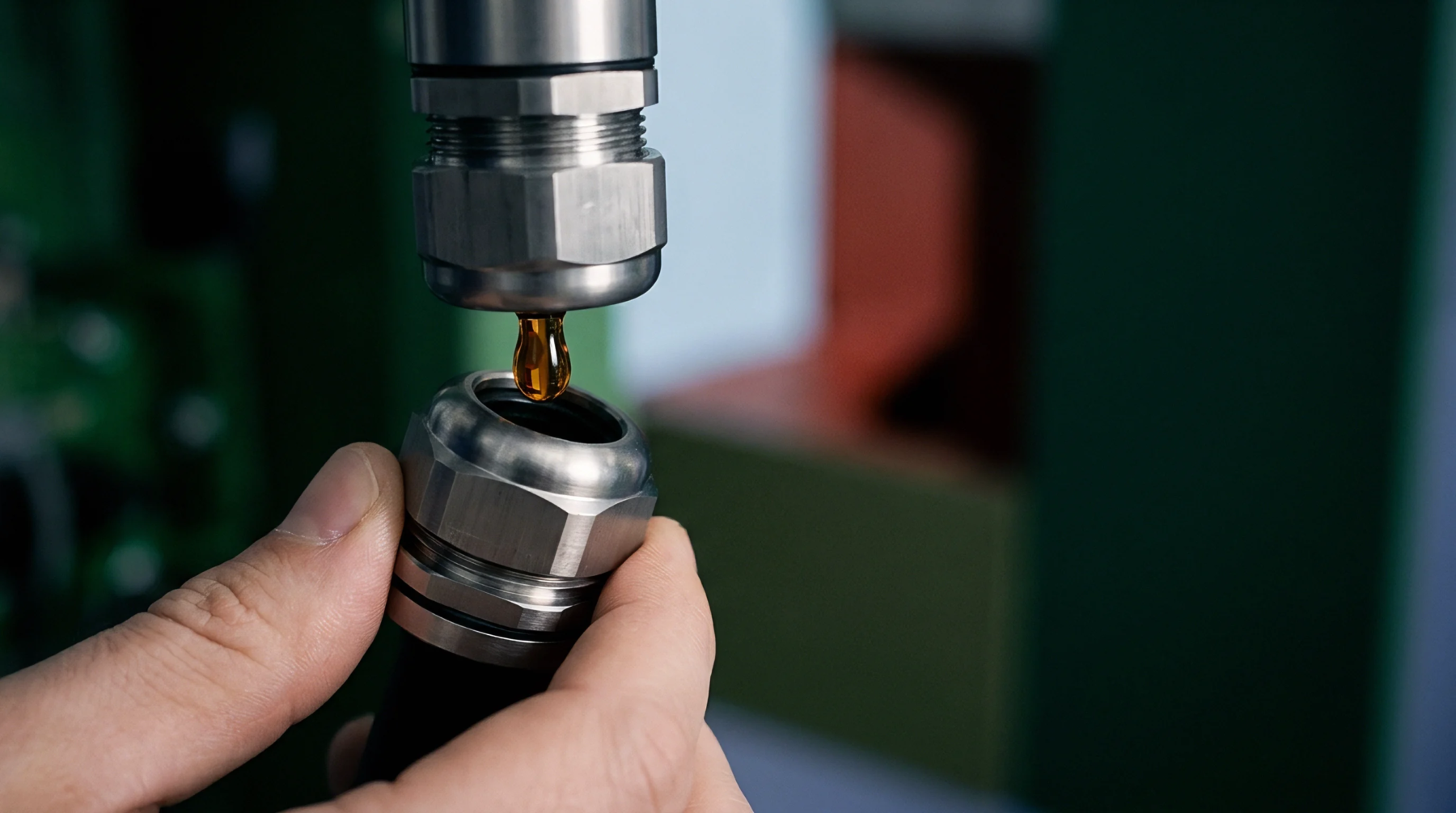
Sub-micron seal defects drive long-term carbonate solvent effusion via Knudsen diffusion, elevating cell impedance and risking transport safety compliance.

Micro leak rates above 1.0e-6 mbar L/s drive moisture ingress and hydrofluoric acid formation, degrading lithium ion cell capacity and triggering transport failure.

Helium mass spectrometry isolates sub-micron battery seal defects down to 10-12 mbar·L/s, preventing field electrolyte drying and moisture ingress.
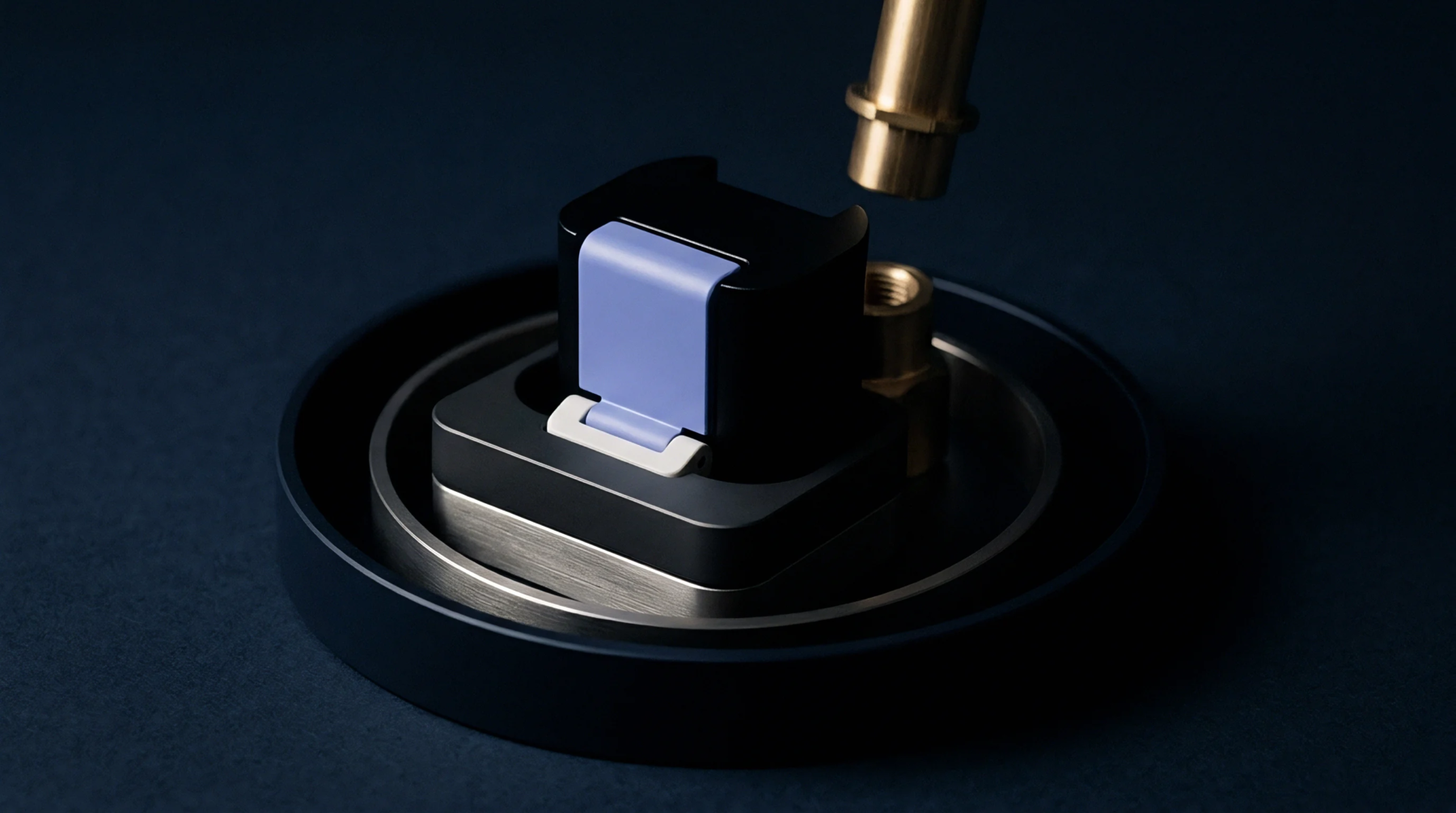
Reconciling module test reports with final pack enclosure safety documentation requires mapping insulation resistance, UN 38.3 metrics, and transport state-of-charge data.

Align UN 38.3 test summary model numbers, watt-hour ratings, and test editions with carrier booking forms to prevent cargo rejection and terminal demurrage fees.

Validating UN 38.3 transport test summaries requires verifying ten specific data fields against accredited laboratory reports before cargo tender.

Non-linear viscoelastic creep and solvent-induced micro-void growth in pouch cell seals determine hermetic failure limits under internal gas pressure.
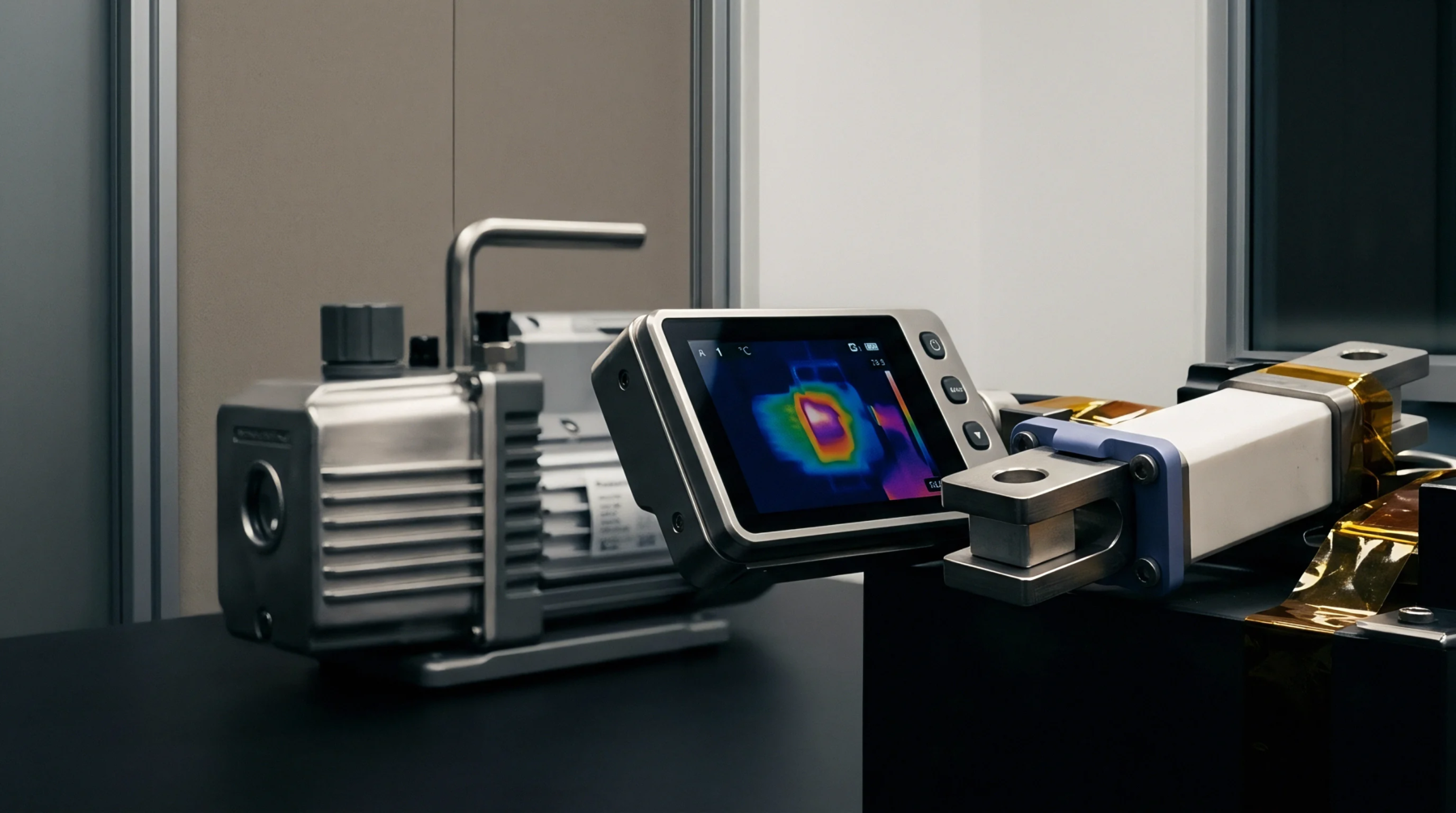
Polymer heat seal integrity depends on controlling interdiffusion depth to resist solvent outgassing during altitude vacuum and thermal stress cycles.

Pouch cell heat seals require precise thermal pressing and non-destructive inline acoustic or helium screening to prevent micro-void leaks during transit.
Non-compliant battery seizures trigger compounding port detention, equipment demurrage, statutory fines, and hazmat destruction costs exceeding cargo value.

Freight forwarder intake controls verify UN 38.3.5 test summaries by cross-referencing cell parameters, laboratory accreditation, and physical cargo markings

Verify UN 38.3 test summaries, enforce the 30% state of charge ceiling, and audit packaging specs to ensure compliant battery air freight.

Asset owners must require HIL testing, dual-key signing, and written vendor regulatory indemnities before authorizing remote third-party firmware updates.
EU battery regulation requires module thermal propagation testing with five-minute occupant warning signals before external flammability occurs.
Stationary storage battery CE marking requires mapping voltage rules, passing IEC 62619 safety tests, and selecting Module A or Notified Body routes under EU 2023/1542.
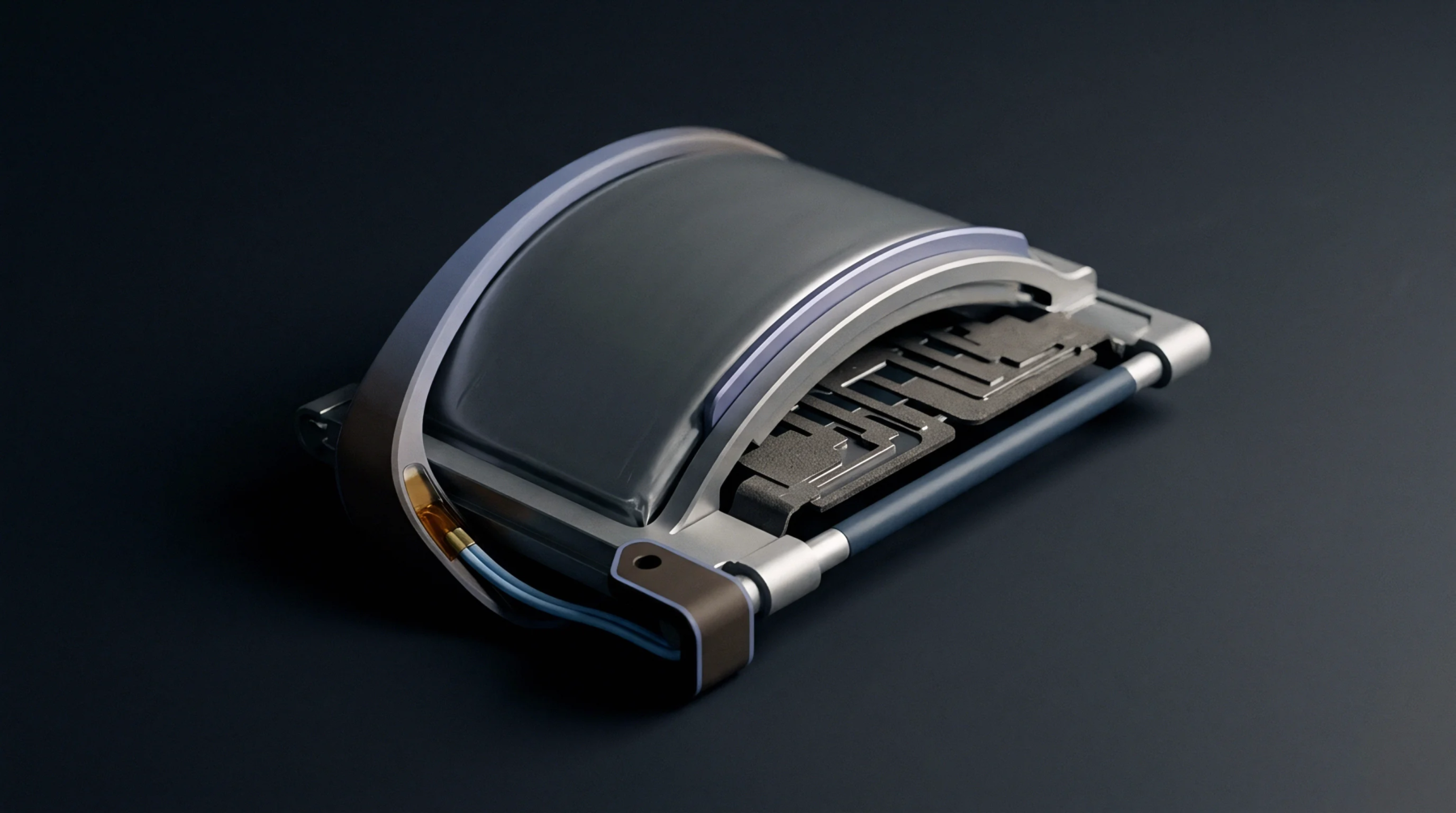
Active tab cooling decouples core phase-change heat from pouch surface gradients, extending high-voltage fast-charge cycle life while lowering warranty costs.
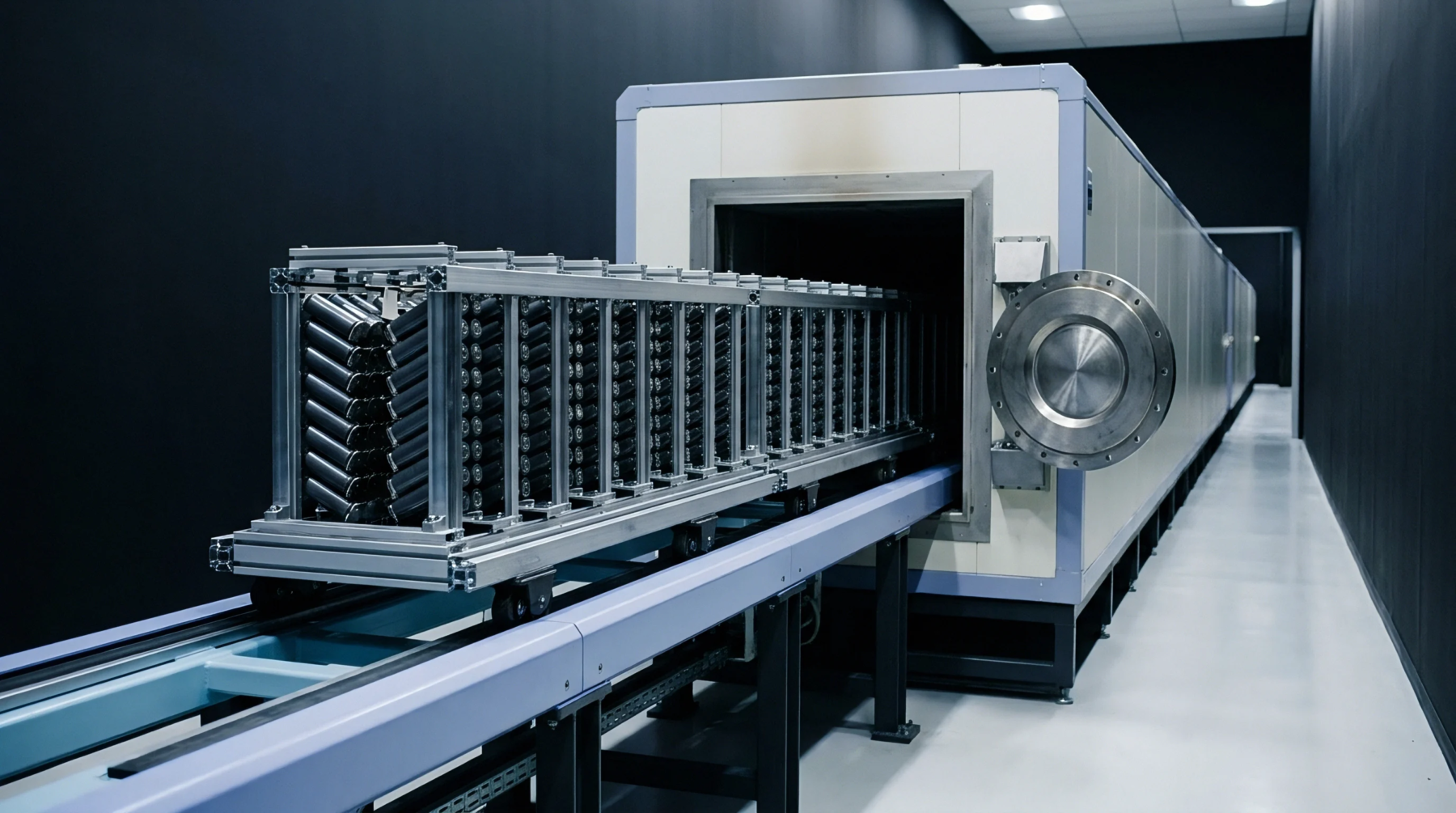
Thermally corrected degradation mode quantification decouples kinetic impedance masking from true lithium inventory loss to prevent false warranty claims.

Isothermal differential capacity peak extraction requires microvolt sampling and sub-0.1 kelvin bath control to quantify specific cell degradation modes.
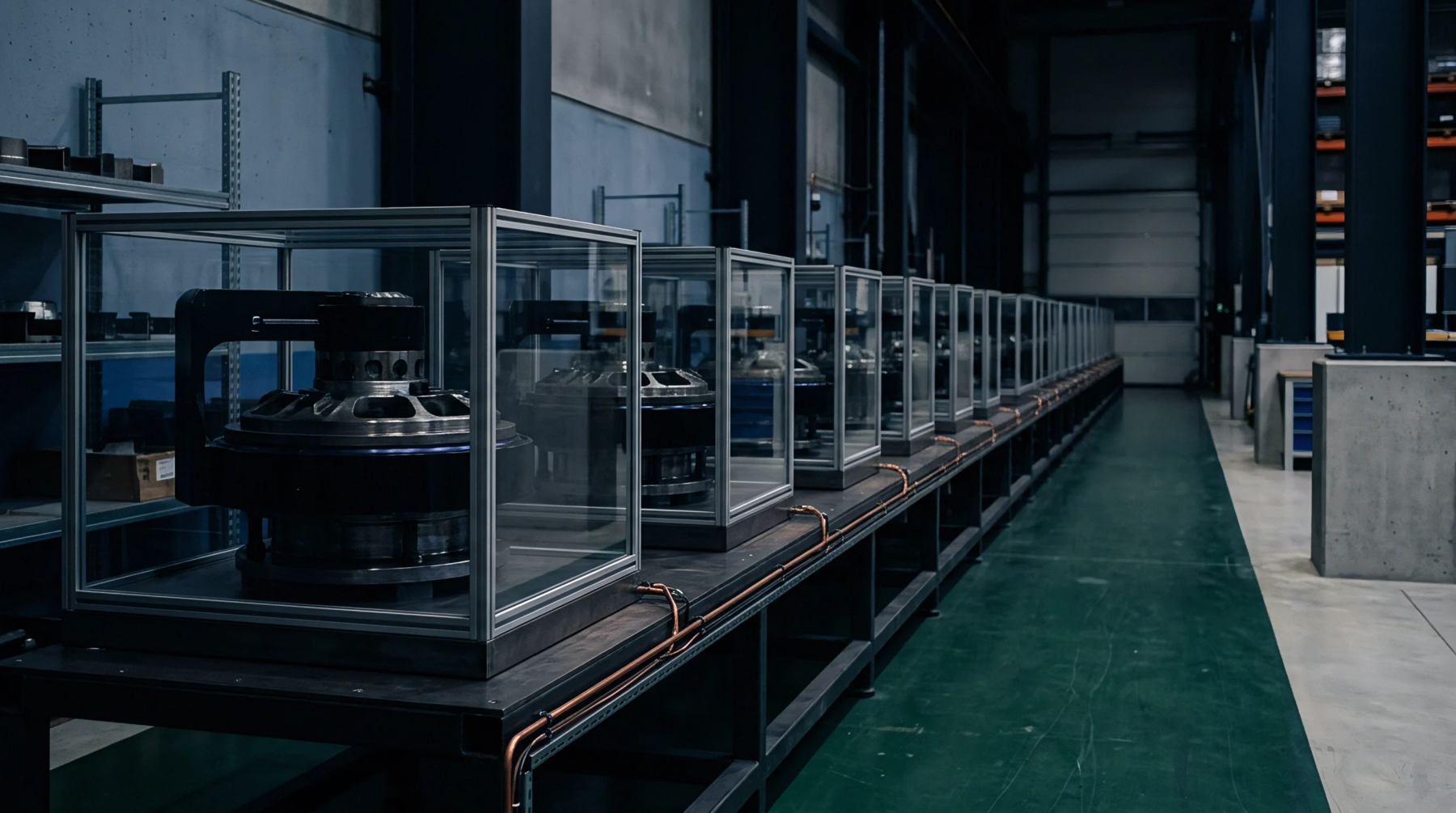
Maintaining active spring load above zero point three megapascals prevents localized pressure drop and anode lithium plating in oversized prismatic cells over extended service life.

Constant pressure restraint compresses microporous separators, elevating ionic resistance and forcing liquid electrolyte out of active electrode stack void space.

Prismatic cell lifetime depends on balancing initial mechanical preload pressure between 0.2 and 0.4 MPa to suppress lithium plating while accommodating end-of-life swell within structural limits.
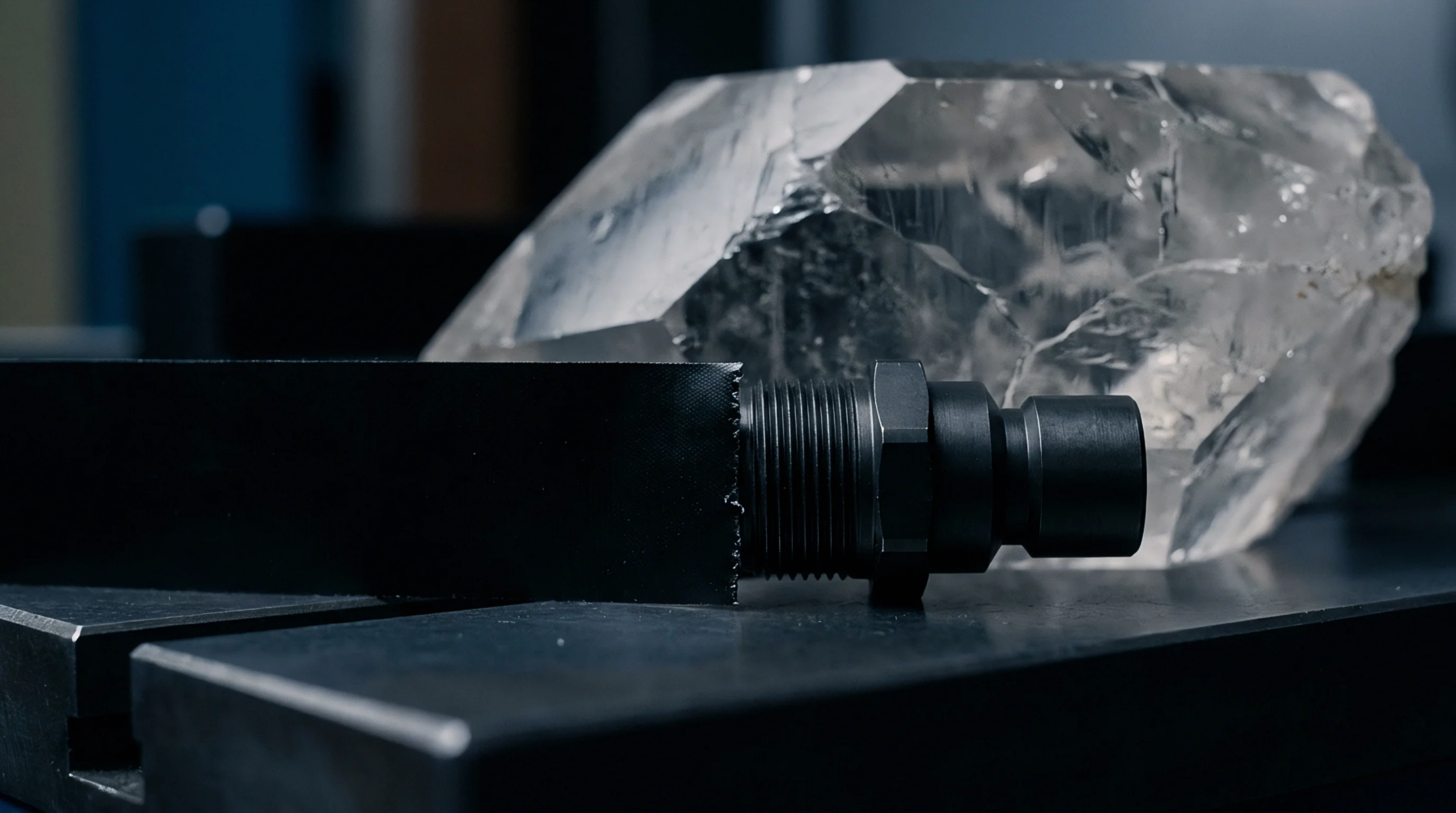
Operando impedance spectroscopy isolates interfacial growth from diffusion decay in single crystal cathodes to secure reliable long-term battery performance.
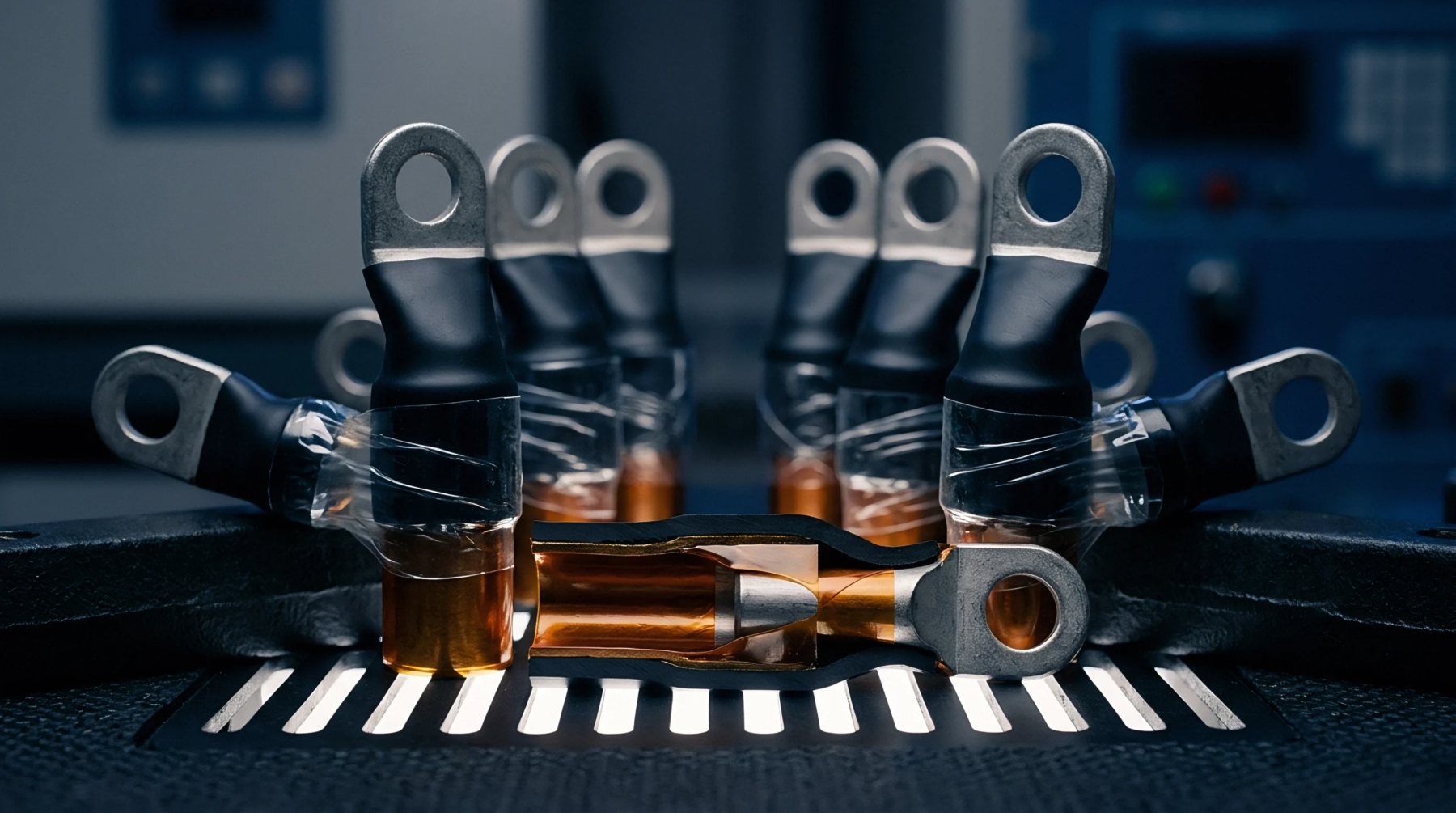
High-voltage cathode metal leaching drives anode cross-talk, destroying SEI layers and causing cell swelling that invalidates warranty and shipping files.
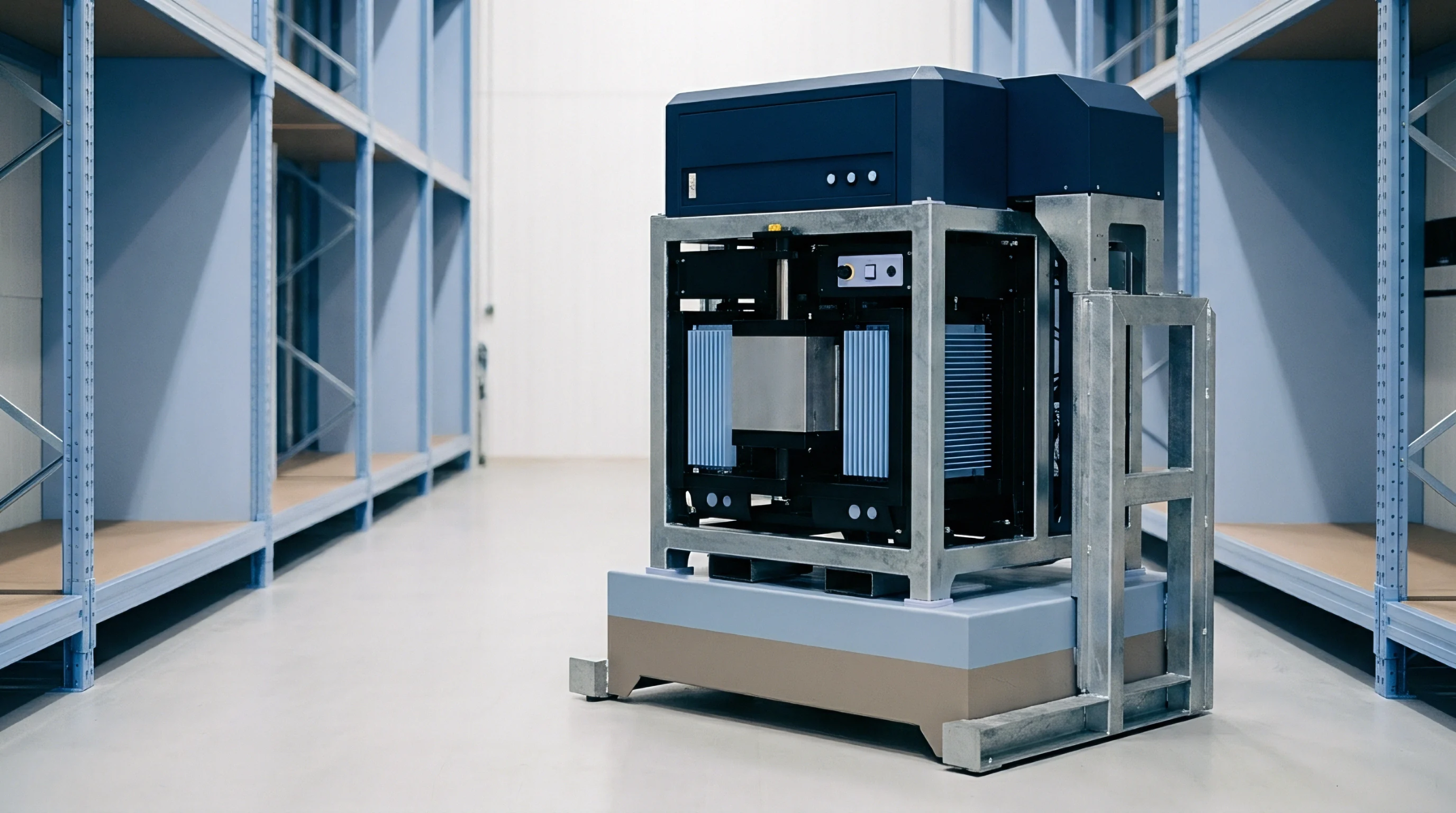
Quantifying high-voltage cathode interfacial impedance via DRT spectroscopy isolates charge-transfer growth to establish batch quality rejection limits.
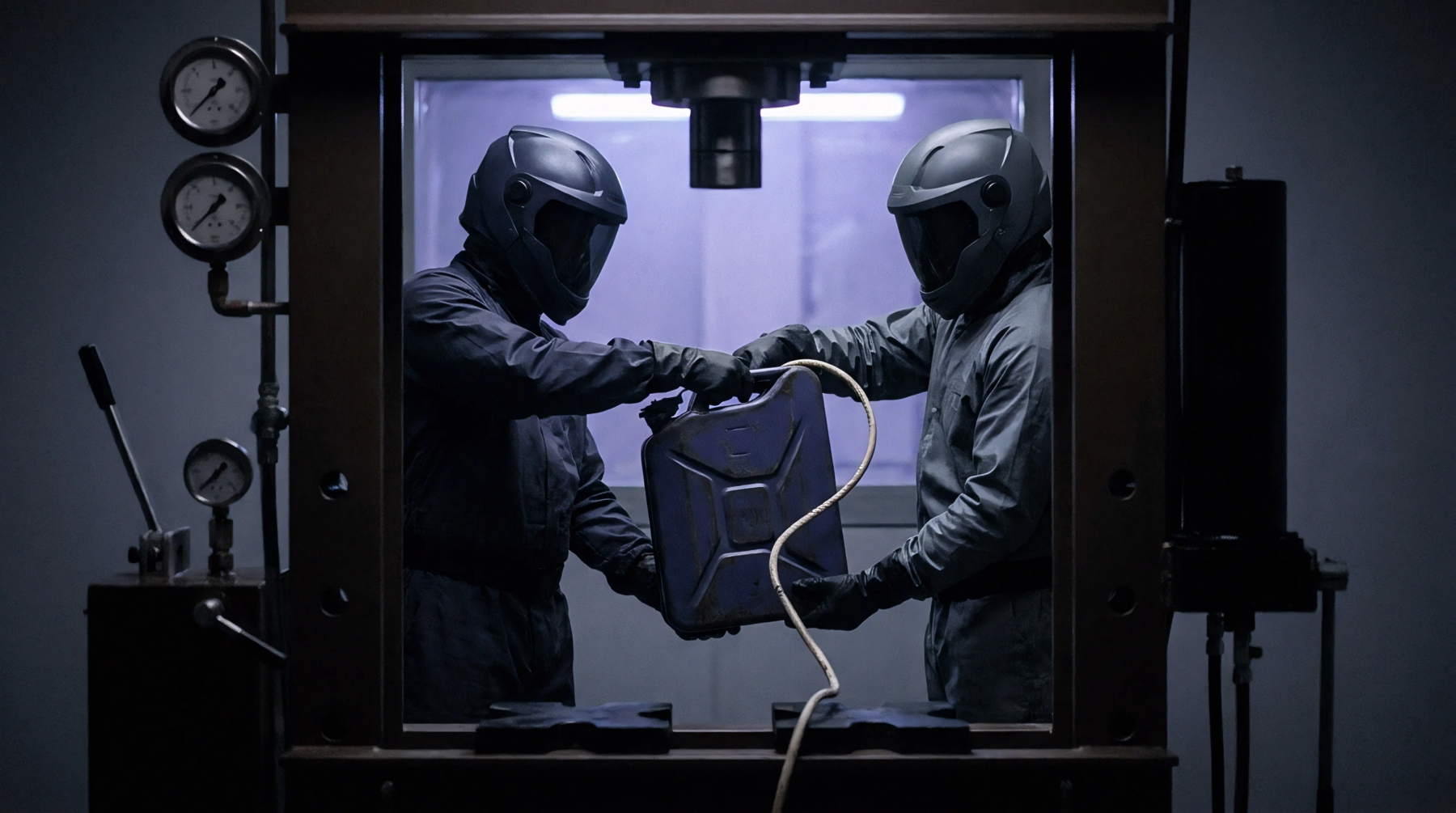
Extended high voltage thermal abuse destabilizes cathode oxide crystal lattices; atomic layer coatings suppress phase transformation and maintain transport compliance.

Advanced cathode interphase diagnostics combine cryogenic vacuum spectroscopy with operando gas analysis to prevent high-voltage capacity fade and regulatory transport rejections.
Expertise is a utility, not a secret. sentiention™ publishes its working knowledge as open reference: intelligence layer covering the materials it sources, the markets it enters, and the reference that serves both.