Meaning
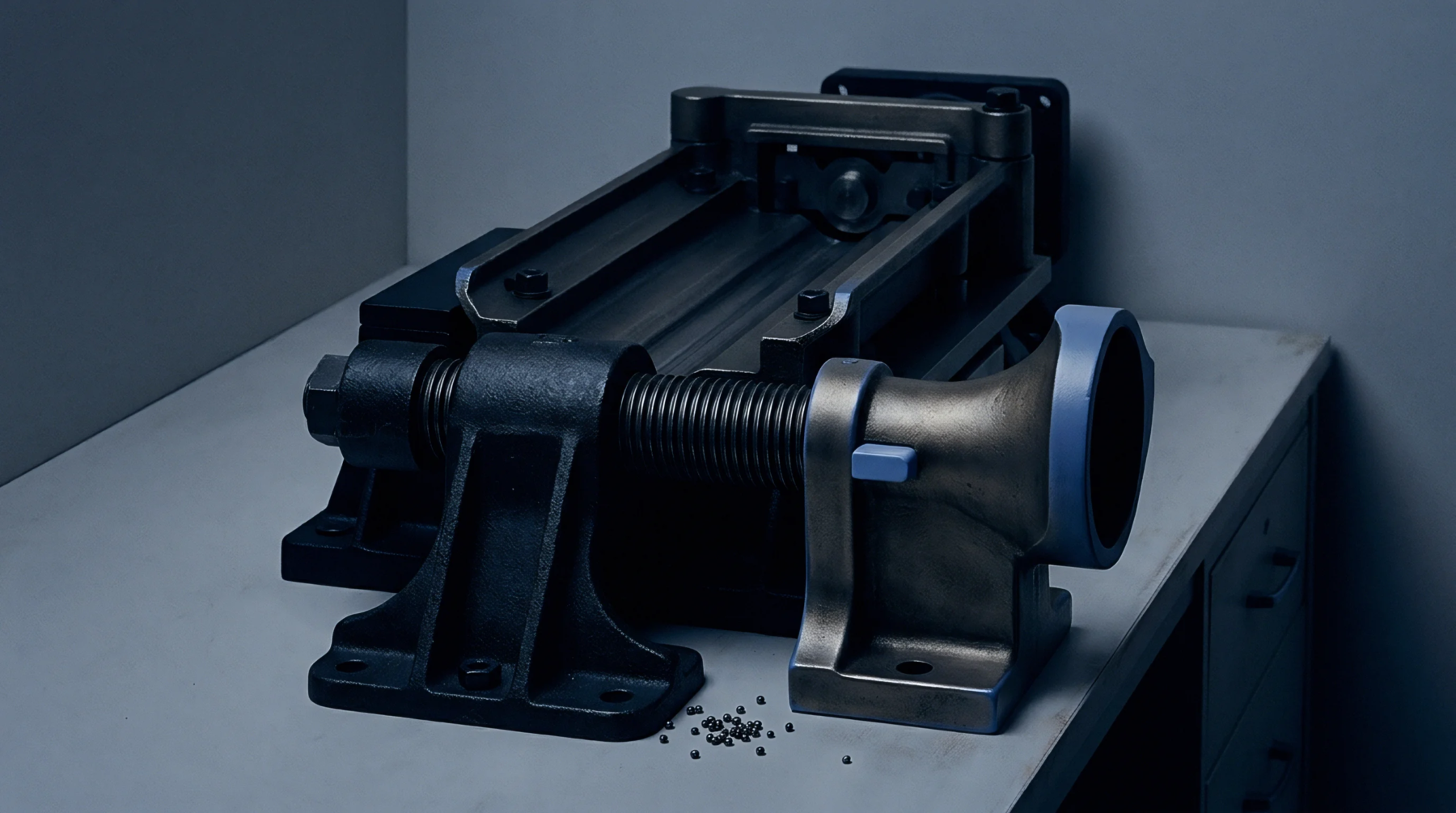
Specialized machining molds and dies shape the protective metallic or composite structures that house battery packs. Heavy-duty manufacturing setups rely on battery enclosure tooling to stamp, cast or extrude protective plates that shield cell arrays from physical damage. These assemblies must withstand massive pressures during forming to ensure consistent part geometry.
Consistent tooling reduces defects in the finished enclosure walls. The design must accommodate thermal expansion during high-speed stamping operations.
Tool Design
Advanced CAD models guide the milling of high-strength steel blocks to create long-lasting dies for pressing sheets. Durable battery enclosure tooling incorporates cooling channels and wear-resistant coatings to prevent thermal deformation during long production runs. These features extend the operational life of the press before maintenance is required.
Production Cost
High-volume manufacturing requires substantial initial capital investment in durable forming equipment. Sourcing battery enclosure tooling represents a major upfront expense that must be amortized over the total vehicle production run. Buyers evaluate the lifetime shot count of the dies when calculating the unit cost of each finished tray.
Quality Control
Dimensional checks ensure that the pressed trays fit perfectly with the upper battery covers. When battery enclosure tooling exhibits wear, the resulting part variance can cause sealing failures during final pack assembly. Metrology stations monitor critical flange angles to prevent water ingress in the field.