Meaning
Mechanical hardware provides the necessary alignment and force distribution to subject a specimen to a controlled unidirectional load until structural failure occurs. A compression fixture serves the laboratory requirement of maintaining specimen orientation under high pressure. Precise parallel surfaces prevent buckling by ensuring that force acts perpendicular to the contact area during the test interval.
Structural Alignment
Rigid frames hold the upper and lower platens in fixed positions to mitigate lateral shift. This assembly ensures that the load cell records only the axial force applied to the material. Misalignment during the procedure creates bending moments that produce inaccurate data regarding ultimate strength.
Heavy steel alloys typically construct these components to resist deformation under high tonnage.
Test Application
Standardized protocols dictate the use of these tools for evaluating the crush resistance of battery cells or structural polymers. Engineers measure force displacement curves to quantify how much energy a sample absorbs before the internal geometry collapses. Technicians adjust the spacing to accommodate varying thicknesses of the material.
Reliable results rely on the consistent speed of the downward stroke and the stability of the support base.
Operating Constraint
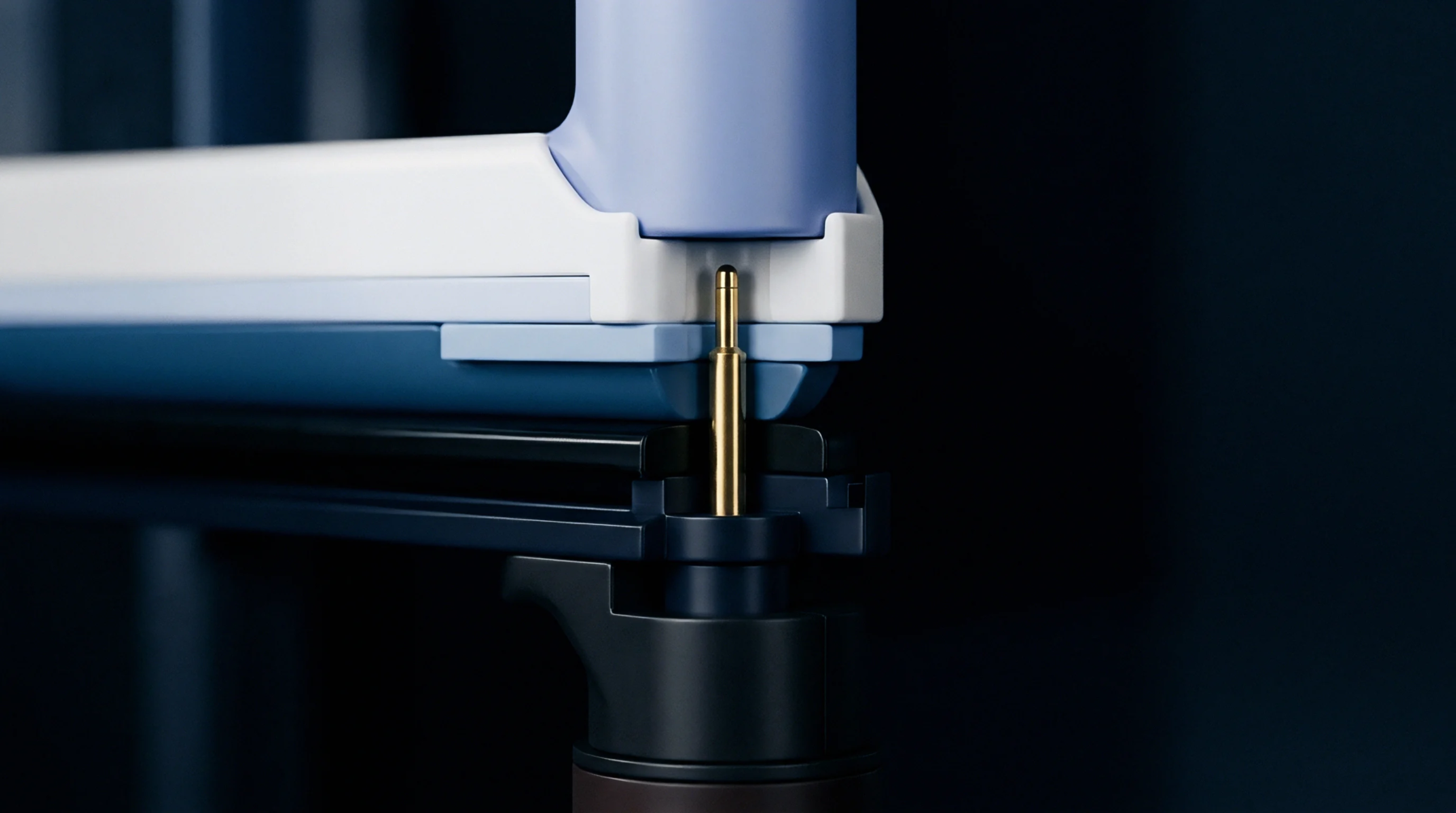
Thermal expansion alters the tolerance of the guide pins when tests occur inside environmental chambers. Metal components under heat require recalibration to verify that the platens remain parallel throughout the descent. Friction between moving parts introduces errors that necessitate regular lubrication with specialized grease.
Effective hardware compensates for these variables to yield reproducible load values for every batch.