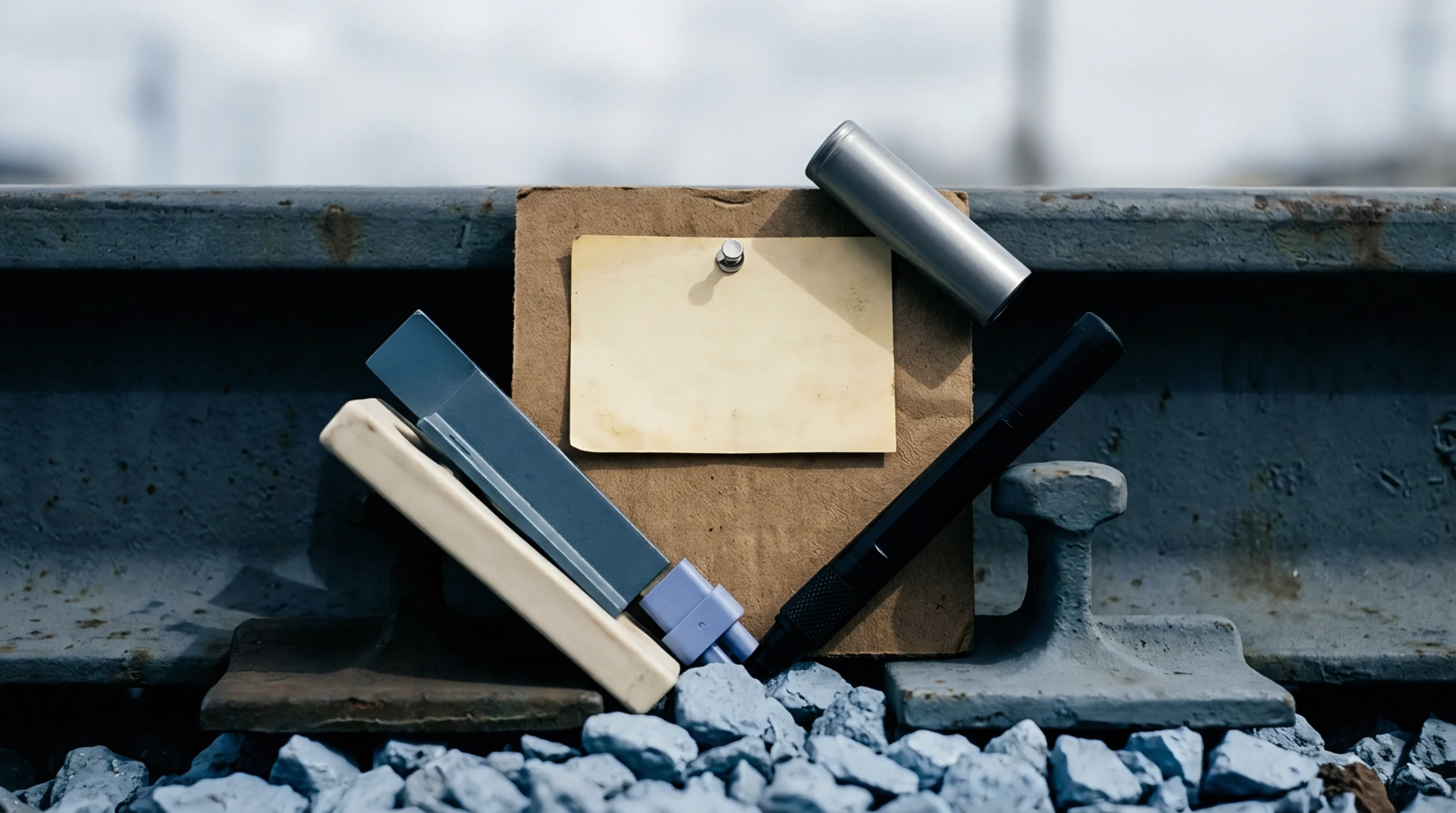
Meaning
Mechanical safety qualification subjects primary and secondary cells to severe compressive forces to evaluate resistance against internal short circuits and thermal runaway. Performing crush test T6 involves applying a crushing force using a half-cylinder or flat bar press until specific displacement or force limits are reached. The procedure targets structural resilience during vehicular accidents or crushing impacts during transport handling.
Passing criteria demand that tested cells produce no fire, no explosion and no internal ignition during or after force application. Temperature monitoring tracks internal heat generation caused by mechanical deformation of internal separators and electrode stacks.
Test Execution
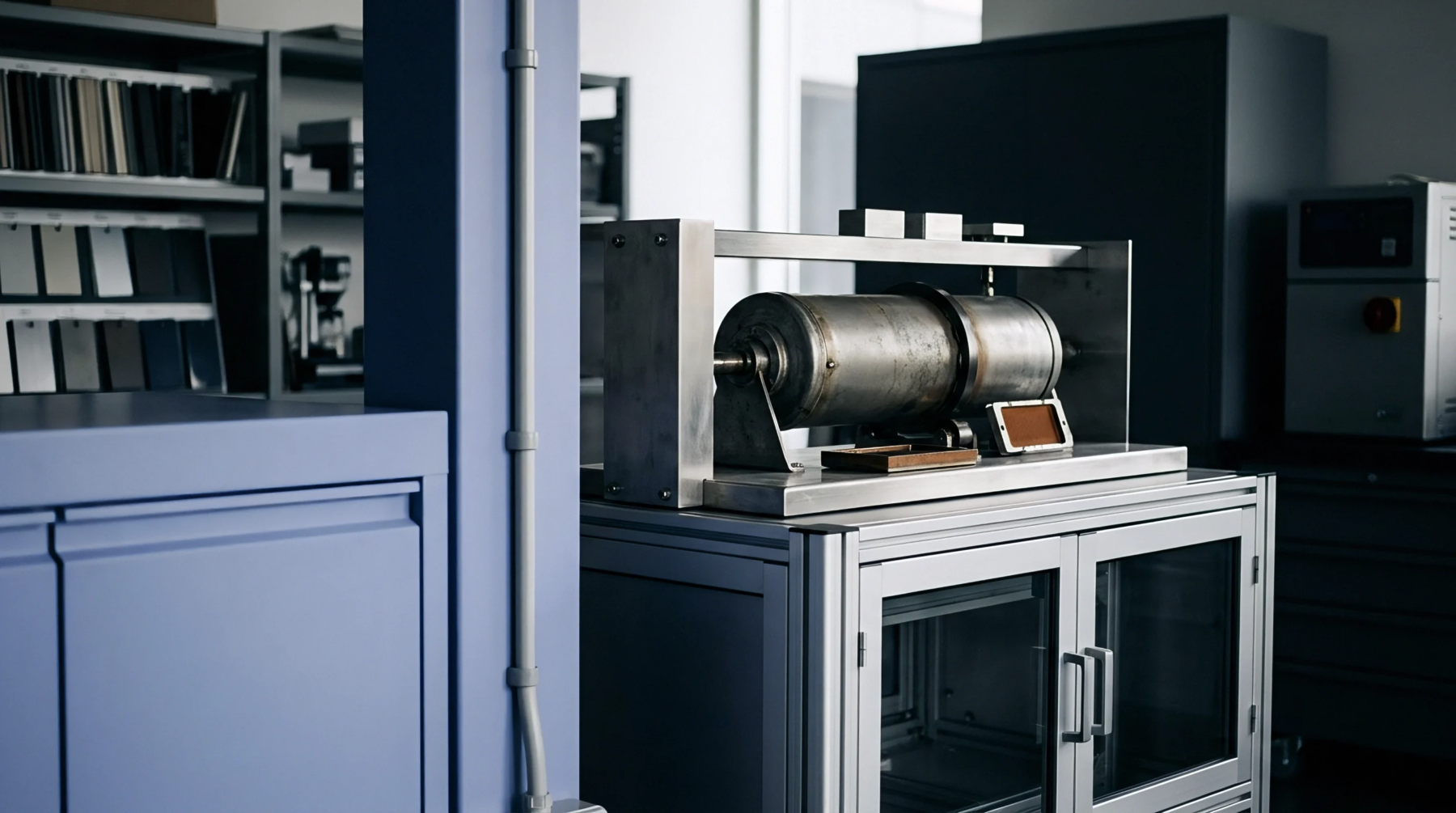
Standardized hydraulic presses apply force at controlled speed against fully charged cell enclosures. Execution of crush test T6 mandates applying a crushing force between specified limits, typically 13 kilonewtons, or until a voltage drop of 100 millivolts occurs. Alternative stop criteria include a physical cell deformation exceeding ten percent of original dimensions.
Cylindrical cells experience force perpendicular to their longitudinal axis, while prismatic and pouch formats receive crushing force across broad side surfaces. Precise load cell sensors record force profiles while continuous video logging documents structural yielding and potential gas release.
Structural Deformation
Mechanical compression compresses internal cell components, forcing positive and negative electrode foils into physical contact across damaged separator layers. Applied force during crush test T6 stresses outer metal casings, internal insulation sleeves and porous polymeric separator membranes. Thin separators risk puncture under localized shear stress, triggering high-current internal short circuits.
Solid state electrolyte layers or ceramic-coated separators resist mechanical penetration better than uncoated polymer films. Effective internal construction distributes mechanical loads without creating localized high-current contact points that initiate runaway self-heating.
Safety Certification
Global transport authorities mandate physical abuse testing to verify safe handling of commercial lithium cell shipments. Compliance with crush test T6 remains compulsory for obtaining UN 38.3 transport approval prior to commercial shipping. Failure during testing, manifested by smoke, flame or explosive rupture, prevents cell distribution and requires structural casing redesign.
Automotive and industrial battery buyers demand certified test reports as baseline evidence of mechanical crashworthiness. Rigorous mechanical validation protects downstream supply chains from catastrophic field failures under physical abuse.