Meaning
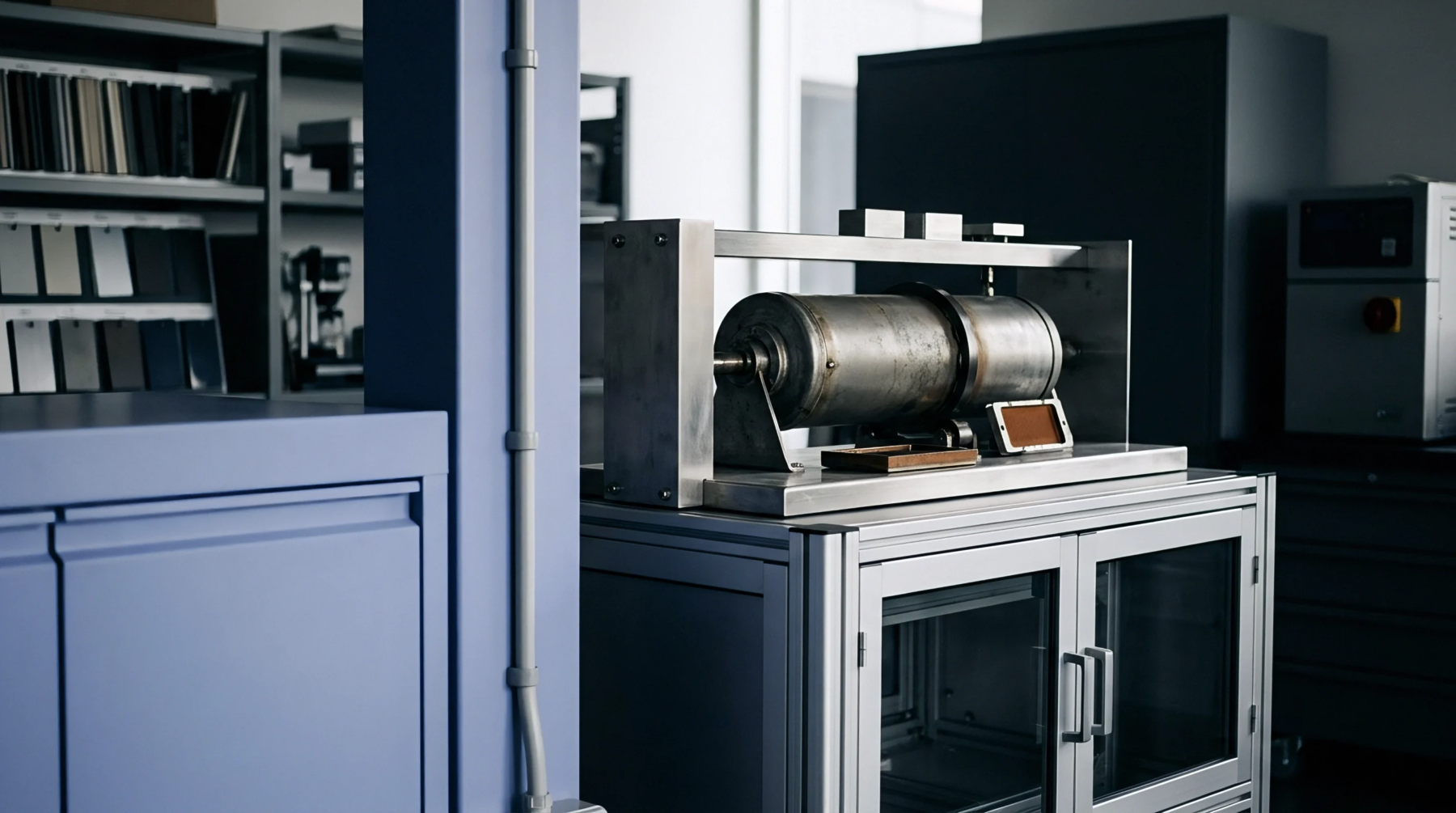
Diagnostic procedure evaluates how a cell handles current being driven into it in a direction that opposes the normal polarity of the chemical reaction. The forced discharge t8 subjects a depleted unit to a specific electrical flow from an external source to simulate what happens in multi cell packs when one unit fails early. Samples are connected in a series where they endure this reverse current for a duration based on their original rated capacity and state of charge.
Passing requires zero evidence of fire or complete disassembly during the sequence and for seven days of observation after the procedure concludes. This confirms that a single cell failure inside a large assembly will not trigger a dangerous chain reaction through the neighbor units.
Serial Stability
Integration of items into large power packs creates risks where an underperforming cell experiences deep reverse voltage from the stronger units nearby. During the forced discharge t8, investigators ensure the chemistry inside can absorb this mechanical stress without breaking the structural casing of the item. This reliability helps pack designers create systems without fear that an imbalanced unit becomes a potential ignition point during high intensity work cycles.
Safety circuits are normally in place, but this test verifies the inherent safety of the raw chemistry when those electronics fail to engage. Results show the resilience of the separators and the electrolyte mix under extreme electrical torture sessions in a controlled setting. Successfully navigating this test proves the manufacturing line produces items that behave predictably even under significant operational misuse or secondary system failure.
Observation Period
Monitoring the condition of the housing for one week following the electrical trial ensures that latent heat does not slowly initiate a thermal event. During the forced discharge t8, some items might look intact initially only to experience thermal runaway after several days as chemical bonds slowly degrade. Testers check for swelling, leakage of corrosive fluids, and tiny cracks in the terminal welds that might allow moisture to enter the item.
This extended observation period provides the highest confidence level for maritime and aerial transporters who move these items in high density clusters. Detailed documentation from this stage stays in the technical file to satisfy insurance requirements and global regulatory bodies who demand proof of robust chemical design. Engineering feedback from failure at this step leads to thicker casing or more stable electrolyte additives to prevent explosive gas generation inside the cell.
Protocol Barrier
Requirements stop applying when cells are intended only for single unit use where serial connection into massive arrays is physically impossible due to connector design. While beneficial, the forced discharge t8 focuses narrowly on the reverse current resilience and ignores how units handle simple overcharge or high temperature storage alone. Logistics clearance depends on this test because transport hubs treat groups of cells as unified cargo where failure of one could impact thousands of other items nearby.
Every item sold to the public as a basic building block for hobbyists or professional assemblers must hold this specific laboratory verification. Passing this cycle enables manufacturers to market their components for high voltage applications where stability remains the highest priority for the buyer. Without these files, sourcing leads exclude the vendor from long term contracts involving critical infrastructure or mass market electric mobility solutions.