Meaning
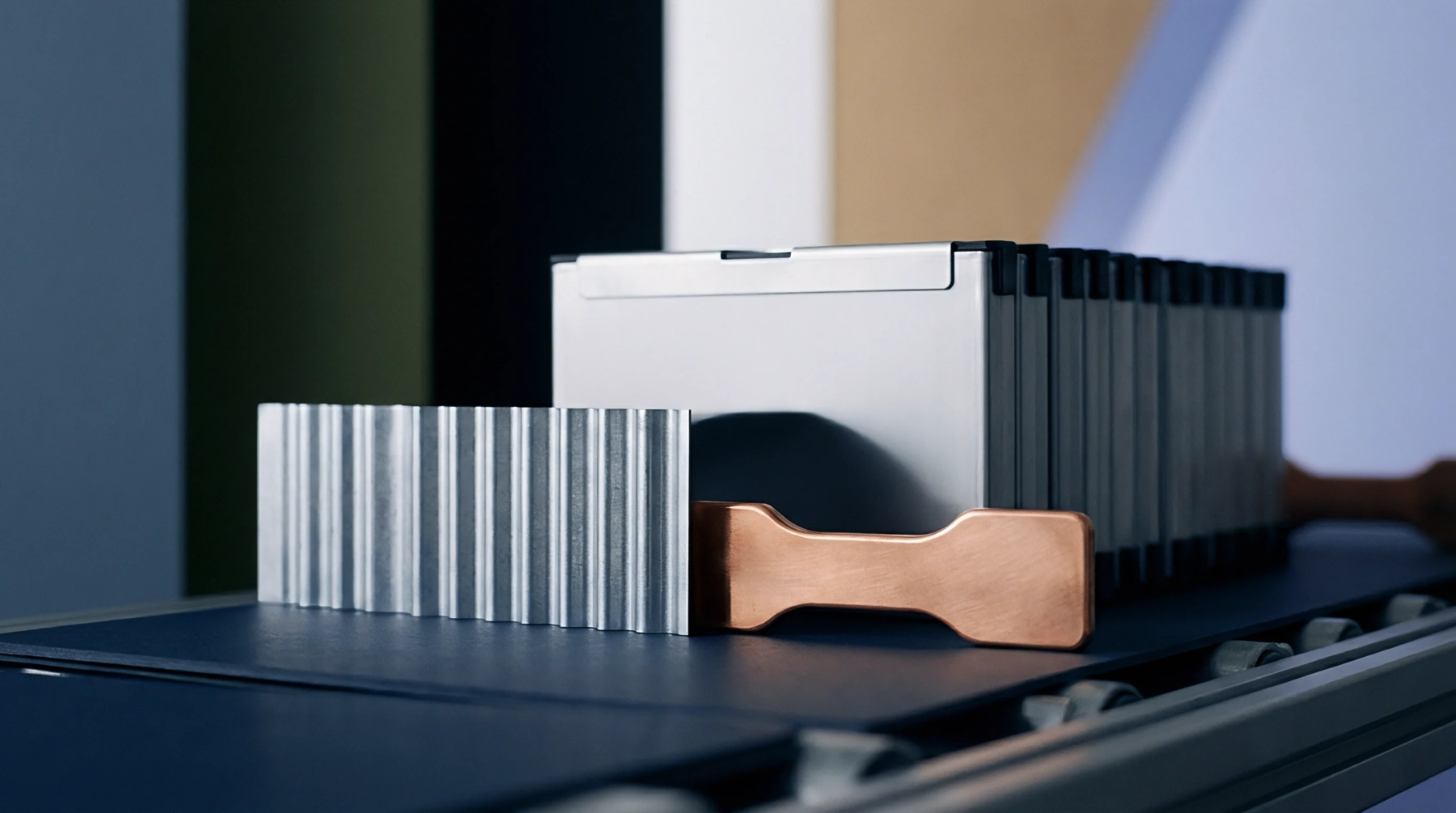
Lithium iron phosphate electrochemistry housed in a rigid rectangular aluminum enclosure provides a robust format for medium and large-scale energy storage systems. This configuration, known as the LFP prismatic cell, utilizes a wound or stacked electrode structure to maximize active material volume within the block. It operates at a nominal voltage of three point two volts and is designed for high cycle life.
The boundary of its application lies in weight-sensitive designs due to its moderate energy density compared to nickel-based chemistries.
Design Advantage
Rigid metal casings offer superior mechanical protection and allow for tight packing within a battery module. The architecture of the LFP prismatic cell permits the integration of pressure relief vents and terminals directly onto the top cover. This structural layout simplifies the assembly of battery packs by reducing the need for complex module frames.
It also facilitates efficient busbar connection.
Sourcing Trend
Grid storage and electric vehicle manufacturers increasingly specify this format to reduce raw material costs and avoid cobalt supply risks. Buying teams evaluate the LFP prismatic cell based on its cost per kilowatt-hour over its lifetime. This cell type delivers thousands of cycles before degrading to eighty percent capacity.
Its long service life lowers the total cost of ownership.
Thermal Constraint
Heat dissipation is slower through the thick flat sides of the rectangular block than in cylindrical designs. Managing the temperature gradients across the LFP prismatic cell requires dedicated liquid cooling plates. This cooling infrastructure must be included in the pack-level budget.