
Module Clamping Optimization for High Swelling Silicon Lithium Cells
Dynamic module clamping for high-swelling silicon cells maintains face pressures between 0.2 and 0.6 MPa using elastomeric pads to prevent lithium plating.
Dynamic module clamping for high-swelling silicon cells maintains face pressures between 0.2 and 0.6 MPa using elastomeric pads to prevent lithium plating.
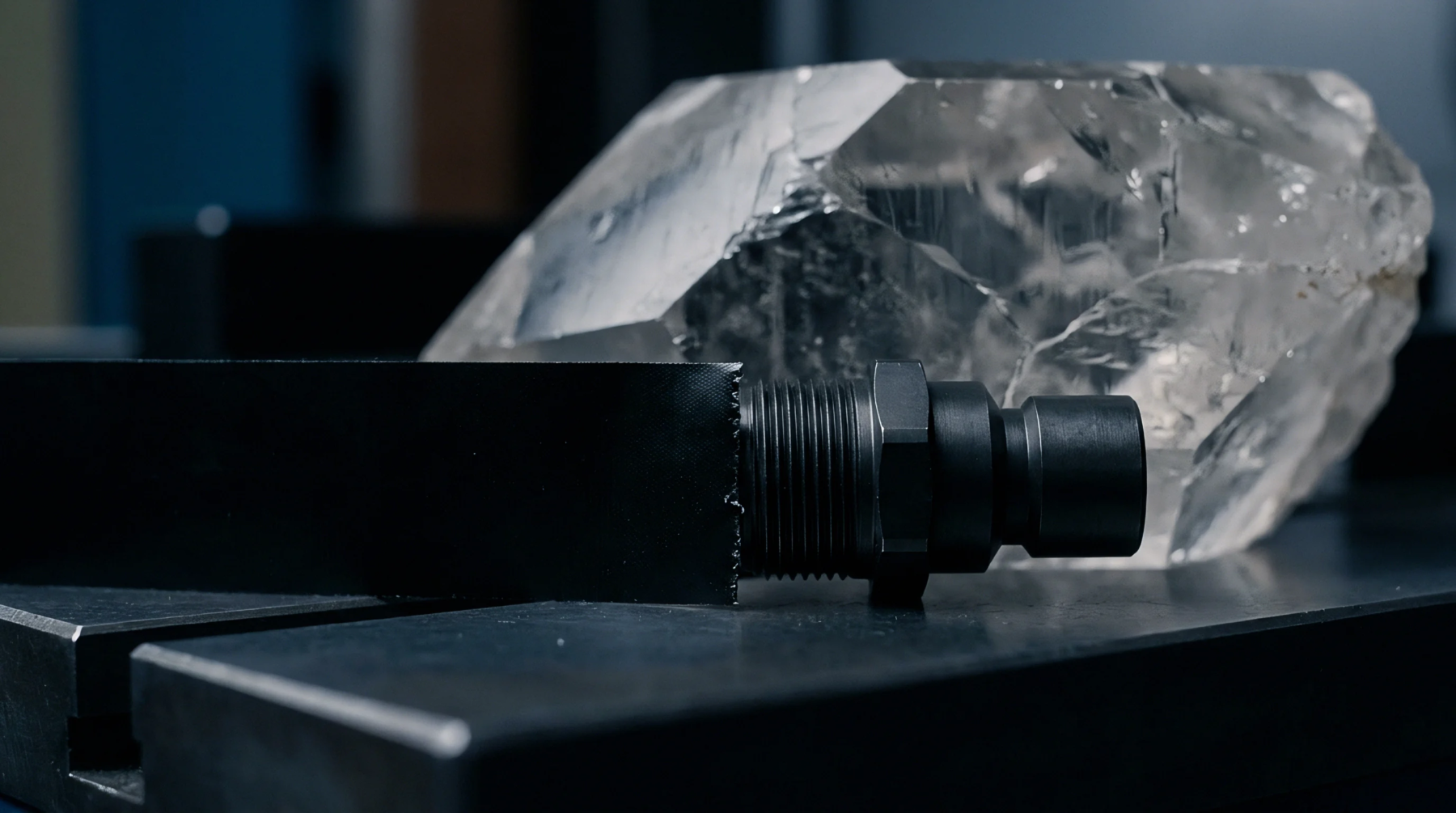
Enforcing cell lower cutoff voltages above 70 millivolts suppresses Li15Si4 crystallization, tripling silicon anode cycle life and preventing rapid cell swelling.
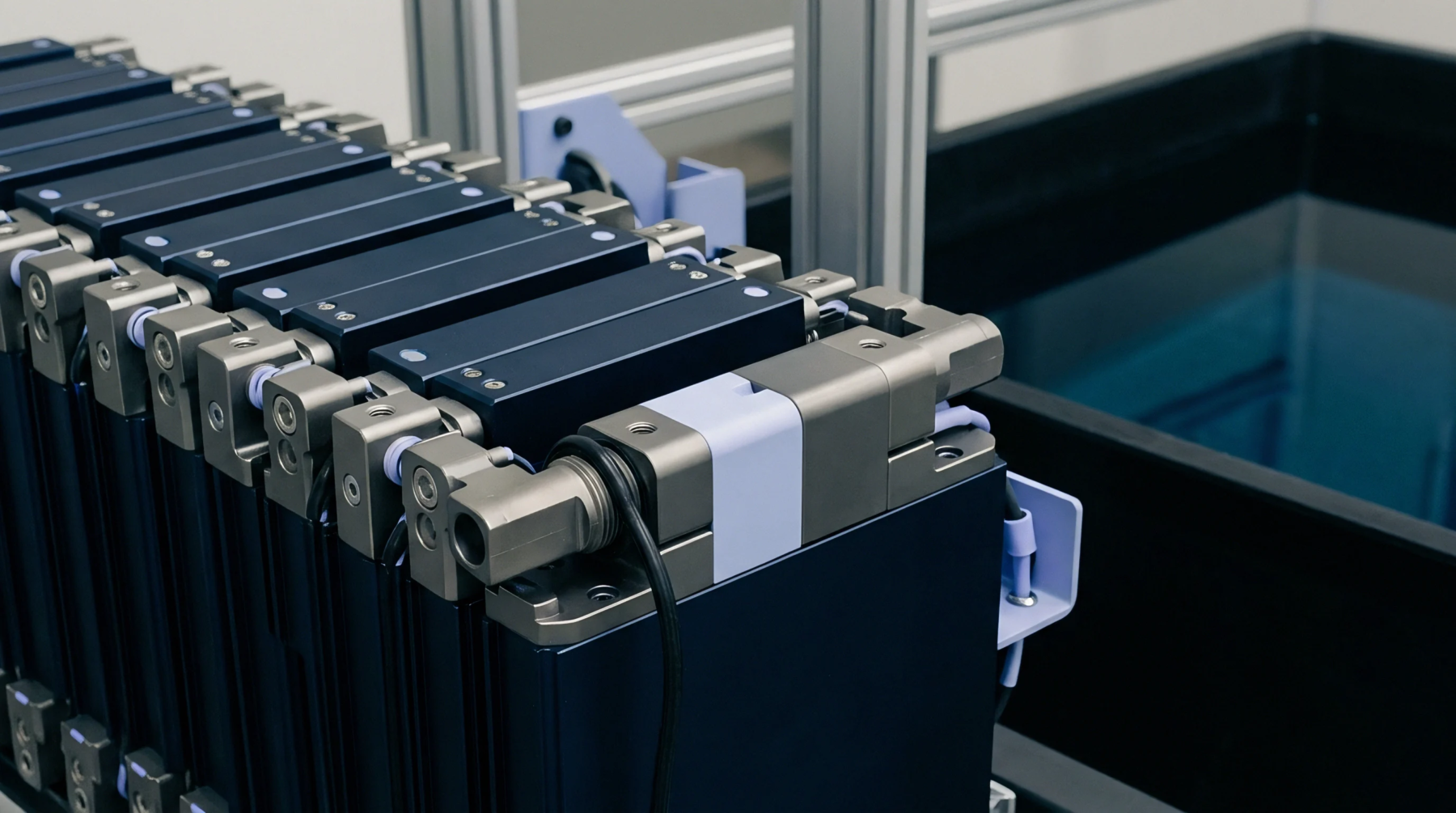
Zero knowledge telemetry proofs verify battery operating envelope compliance without exposing trade secret load curves, enabling automated multi-vendor liability settlement.
Cryptographic telemetry oracles isolate sub-zero lithium plating from manufacturing defects, driving deterministic warranty execution via smart contracts.

Reconstructed time-series timestamps, differential voltage phase tracking, and ADC noise thresholds expose fabricated cell qualification fade curves.

Cryptographic edge hash telemetry resolves cold weather battery arbitration by proving subzero lithium plating abuse through tamper evident hardware logs.

Subzero warranty defense requires high-frequency cell telemetry that logs transient current pulses and core thermal lag to disprove vendor claims of illegal freezing charge.

Electrochemical impedance parameter extraction isolates manufacturing defects from operational abuse, converting baseline spectra into defensible warranty claims.

Resolving overlapping SEI and charge transfer arcs requires multi-sine excitation and DRT deconvolution to prevent latent low-temperature plating failures.

Solid phase diffusion modeling estimates active particle surface concentration, enabling aggressive fast charging without lithium plating or premature voltage cutoff.

Enforce off-the-shelf pack bill of materials integrity by linking firmware hashes, destructive physical screening, and escrow holdbacks to signed drawings.
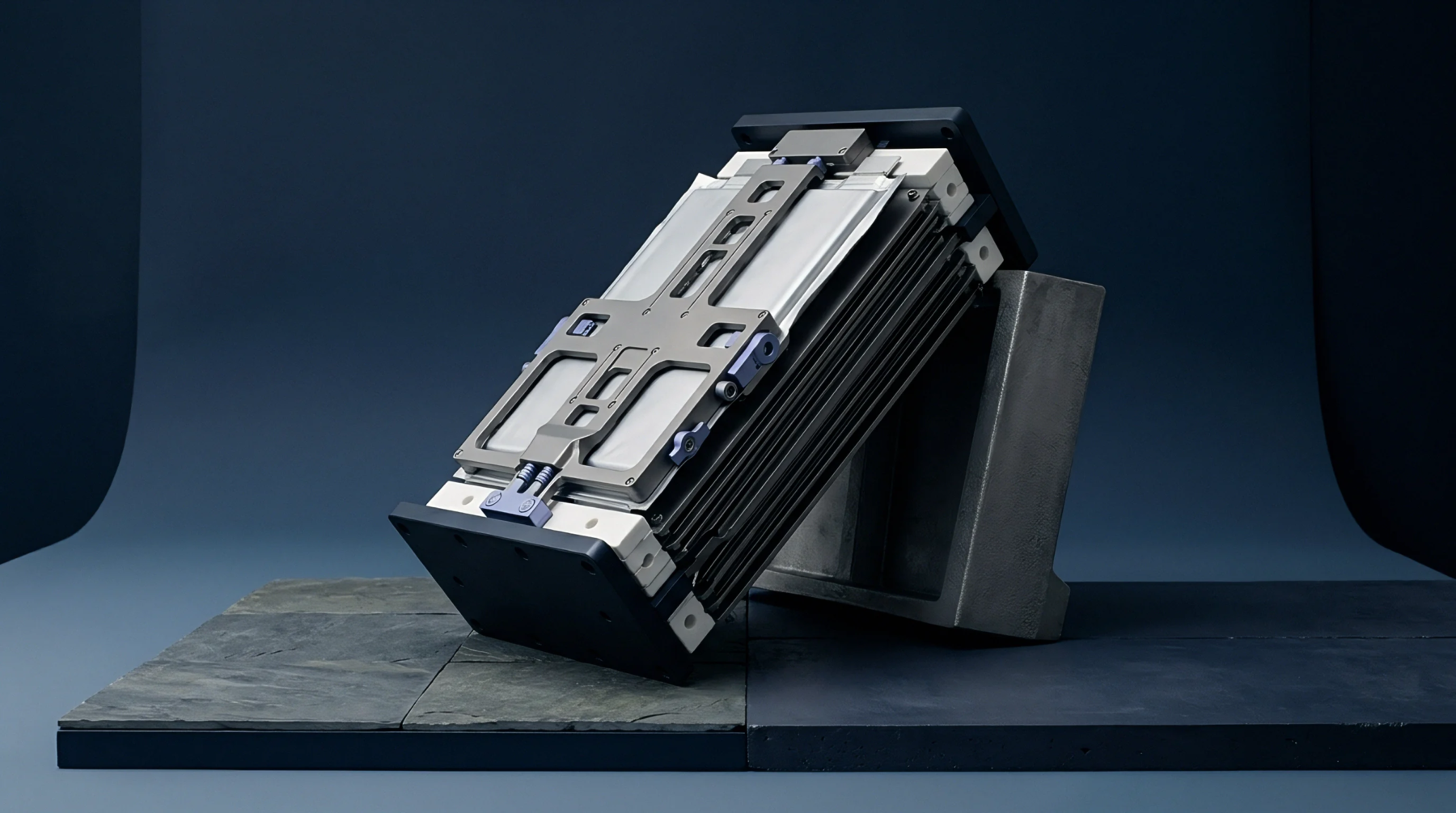
Dynamic swelling in pouch modules demands tuned inter-cell foam compliance and rigid end plates to prevent localized lithium plating and capacity degradation.
Silicon anode breathing demands calibrated module containment pads that maintain cell face pressure between 0.10 and 0.60 megapascals across life.
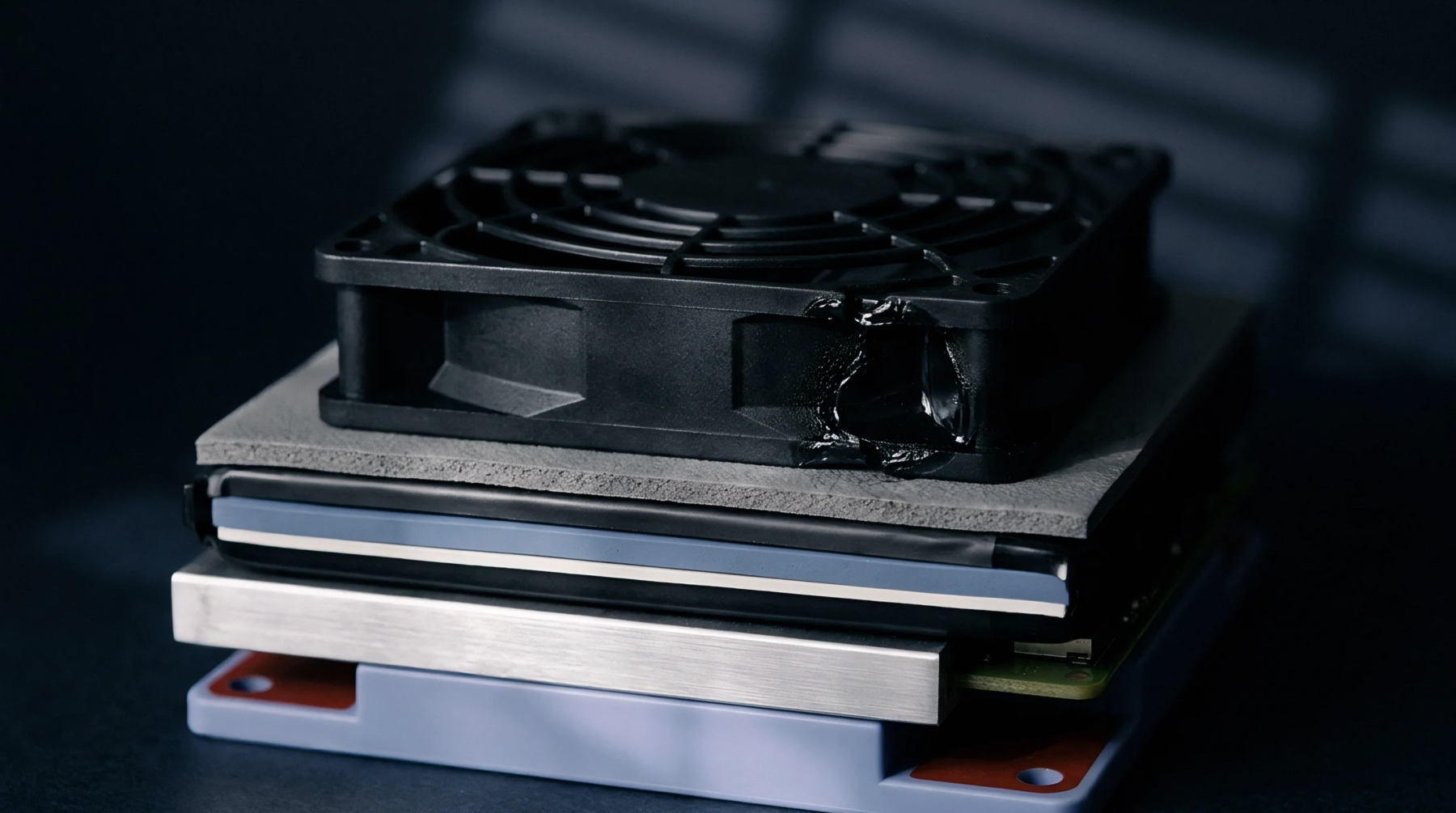
Dynamic stack creep formulations determine cell life by preventing interfacial delamination at low states of charge and lithium plating at high swelling limits.
Reference potential shift during fast charging stems from uncompensated ohmic drops and fringe field geometry, requiring current-interrupt stripping validation.
Expertise is a utility, not a secret. sentiention™ publishes its working knowledge as open reference: intelligence layer covering the materials it sources, the markets it enters, and the reference that serves both.