Electrochemical Mechanisms of Low Temperature Anode Plating
Sub-zero charging forces graphite anode potential negative, driving metallic lithium deposition, accelerating internal short risks, and invalidating safety transport certifications.
Sub-zero charging forces graphite anode potential negative, driving metallic lithium deposition, accelerating internal short risks, and invalidating safety transport certifications.

Reversible lithium stripping under cold operation requires voltage relaxation or dQ/dV diagnostic tracking to adjust BMS derating and protect cycle life.

Subzero charging forces graphite anode potential below zero volts against lithium, driving metallic plating over intercalation and causing rapid battery capacity loss.

Evaluating subzero cell capacity requires measuring charge transfer resistance and verifying thermal equilibration before accepting supplier datasheet claims.

Cathode particle fracture increases specific surface area while fragmented debris clogs electrode void pathways, causing sharp non-linear impedance rise.

Choosing between cylindrical and prismatic cell formats demands balancing tooling capital, thermal conduction interfaces, and structural face pressure limits.
Differential capacity peak tracking isolates phase slippage and plating to detect non-linear capacity knees hundreds of cycles before bulk retention fails.

Nickel dissolution in high-nickel cells causes anode passivation breakdown, accelerating lithium plating and demanding contractual upper cutoff voltage caps.
Cryptographic ledgers validate cold chain battery telemetry via edge hashing, zero-knowledge proofs, and automated smart contract escrow claims
Subzero battery warranty validation requires compact CAN FD payload packing of cell voltage differentials and temperature rates to prove lithium plating limits.
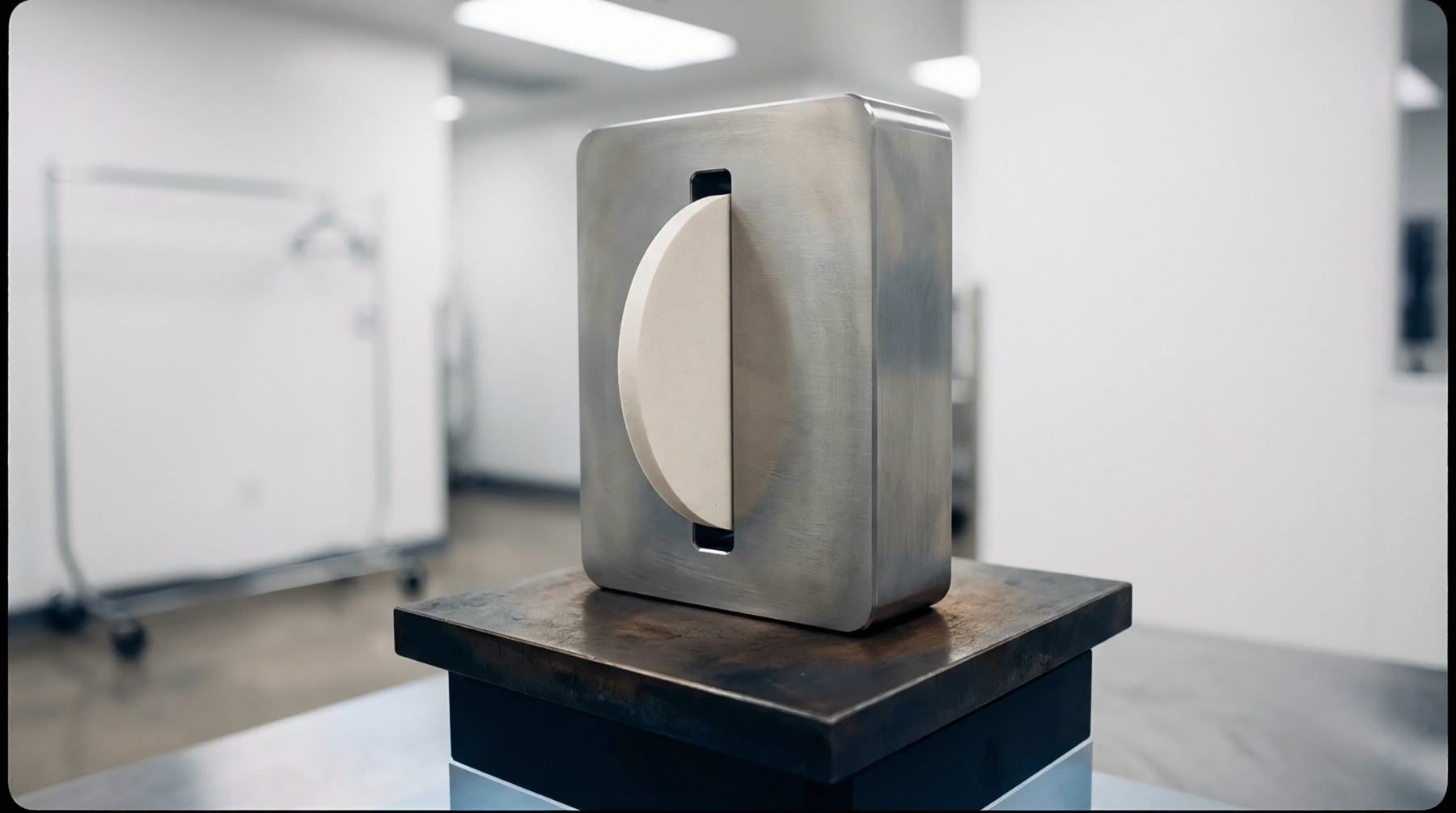
Uncorrected Soret diffusion in post-fast-charge diagnostics inflates measured SEI resistance by up to 40 percent, skewing life and safety dossiers.
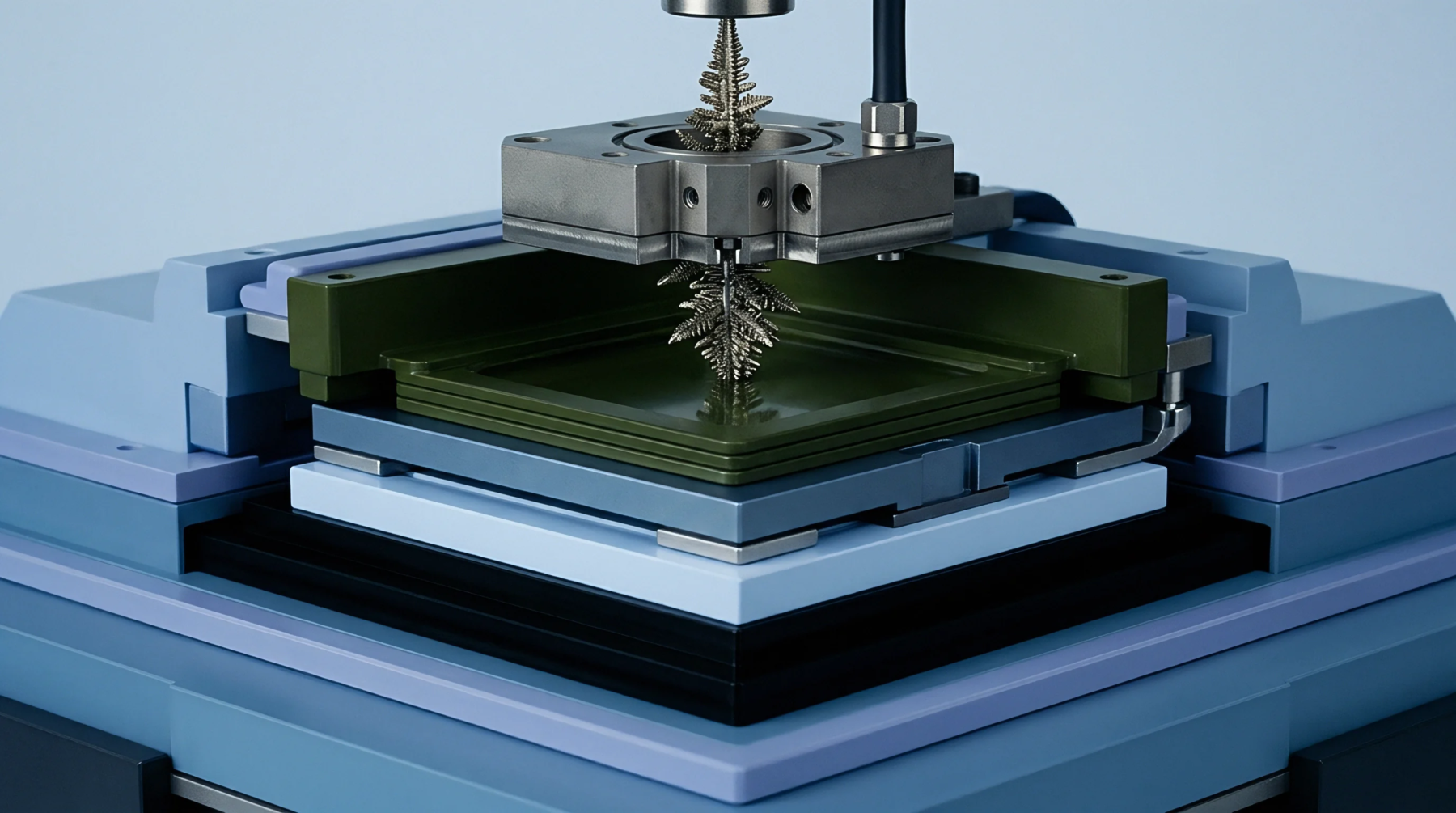
Sub-zero battery procurement requires matching electrolyte desolvation limits with strict non-plating charge cutoffs to protect landed cell life and warranties.
Electro-thermal degradation modeling reveals that internal thermal gradients accelerate localized lithium plating and active inventory loss during fast charging.

Silicon anode breathing induces non-linear end plate flexure, causing localized pressure gradients that accelerate cell degradation and fail structural standards.

Differential capacity sweeps at C/20 isolate non reversible plated lithium by separating reversible stripping peaks from active lithium inventory loss.

Dynamic cross-plane thermal gradients drive non-uniform internal SEI growth, accelerating core degradation and shifting warranty liabilities on fast-charged cells.

Local overpotential gradients drive localized anode plating in high-capacity prismatic cells, requiring edge-welded tab designs and precise voltage margins.
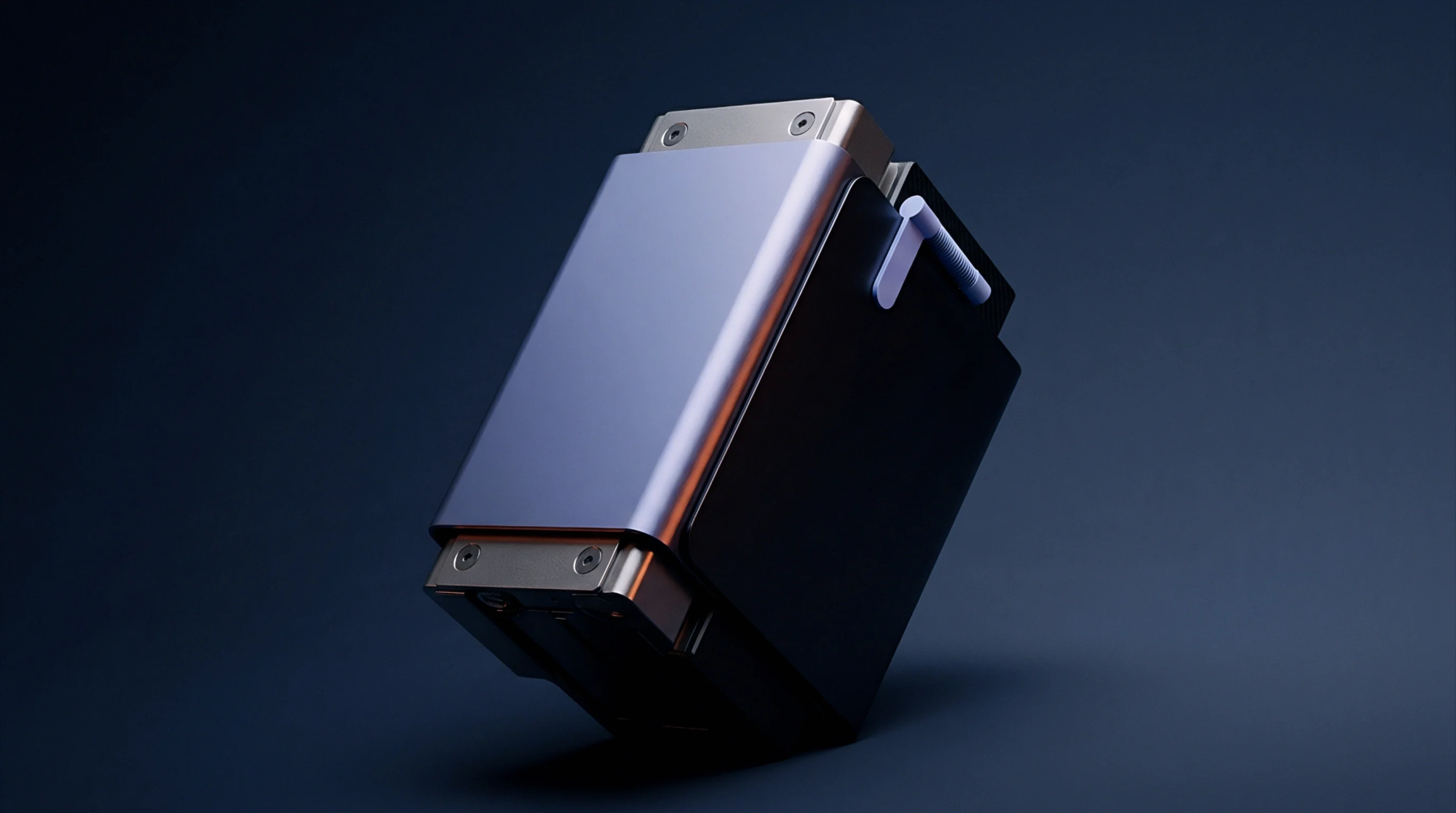
Prismatic cell spatial thermal gradients stem from anisotropic heat path resistance and tab current crowding, accelerating localized lithium plating and capacity fade.
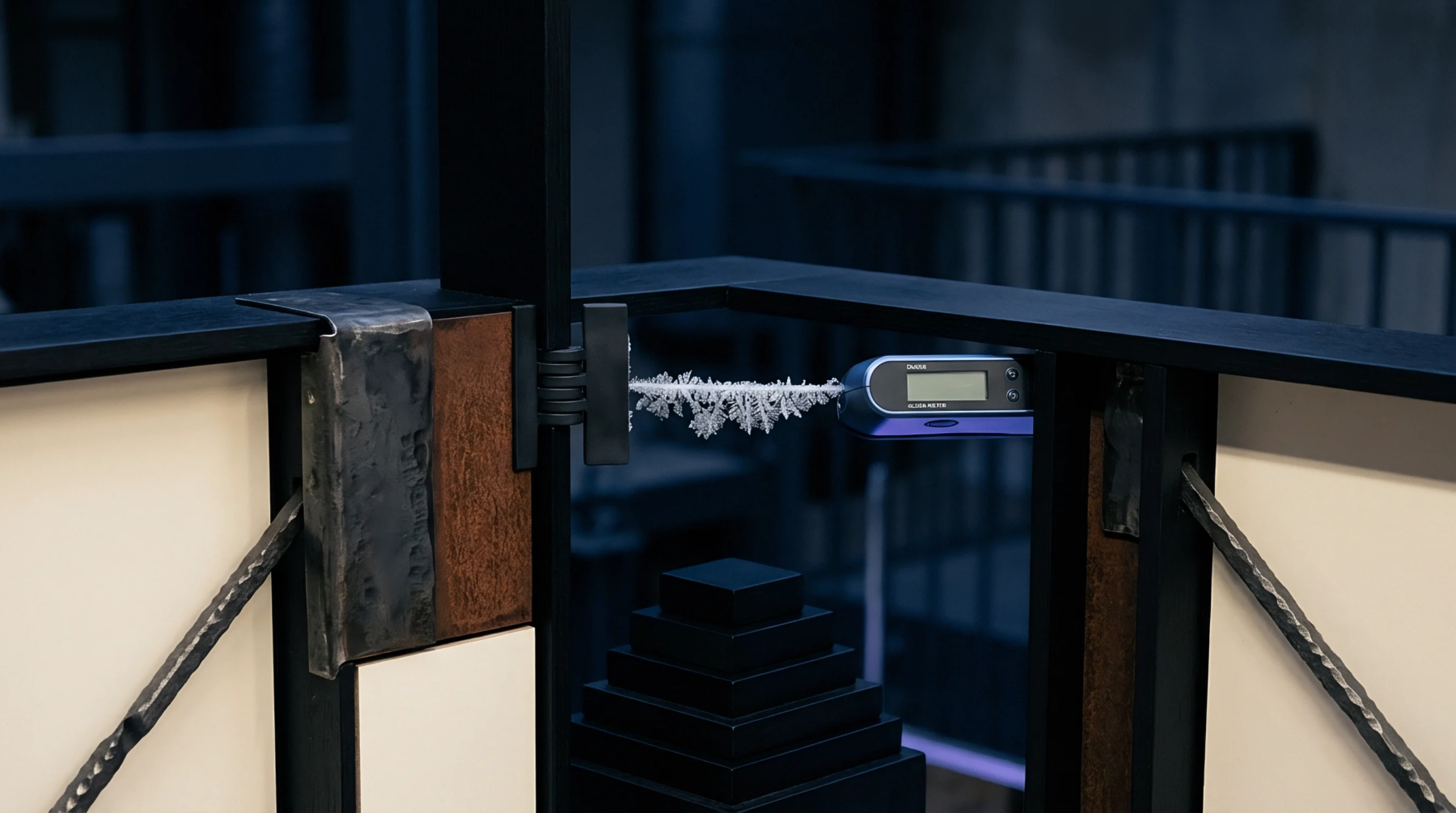
Subzero fast charging forces severe SEI fracture and lithium plating, creating internal short risks that invalidate standard UN 38.3 safety credentials.
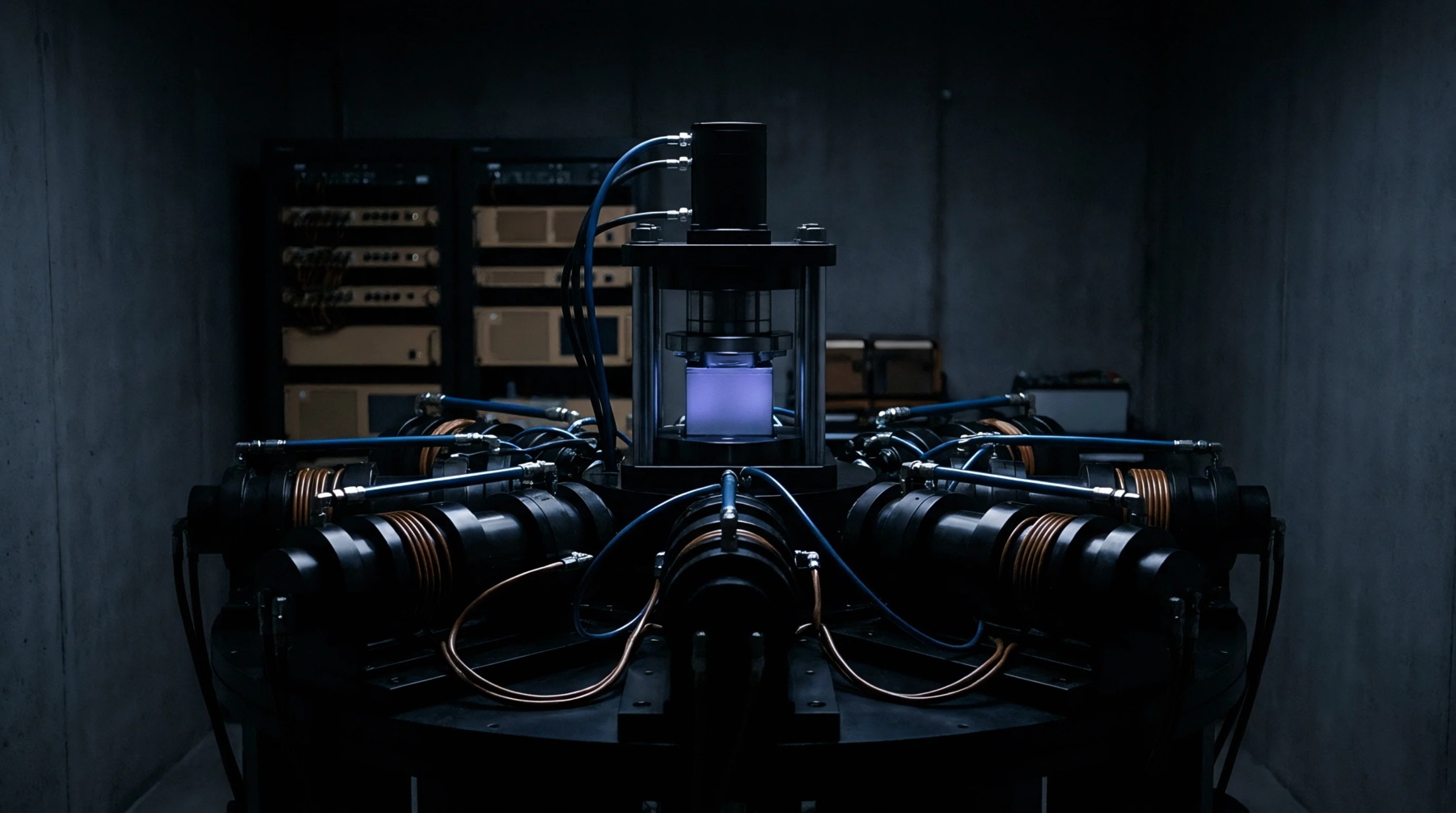
Dynamic fast-charge swelling pressure in structural cell-to-pack enclosures requires bounded preloads to suppress lithium plating without crushing separators.
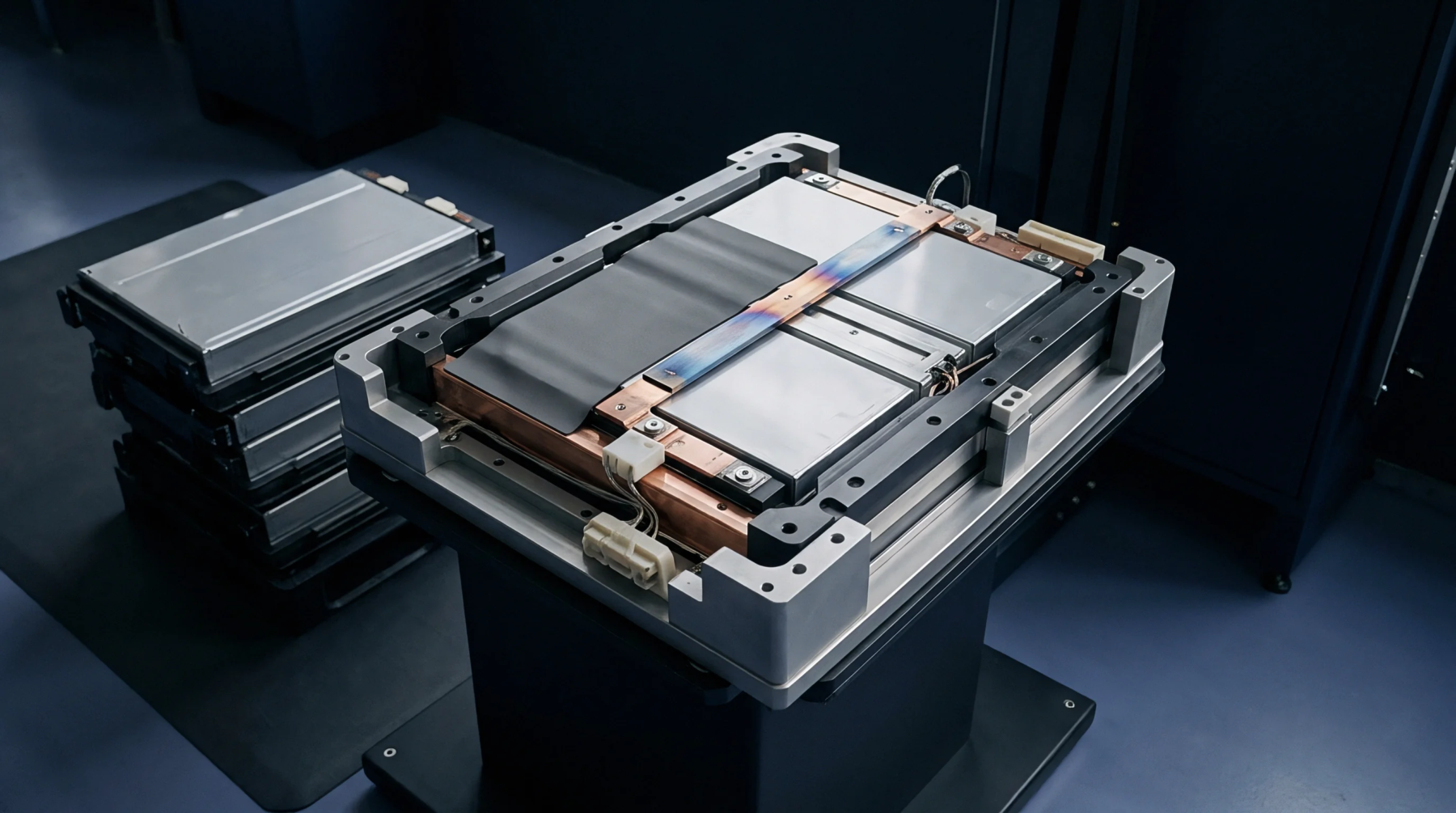
Prismatic lithium cells demand calibrated 0.2 to 0.6 MPa compliant clamping to prevent active layer delamination while accommodating cyclic breathing over life.
Controlled mechanical preload pressures between 0.10 and 0.35 MPa prevent electrode delamination while avoiding separator pore creep and particle microcracking.
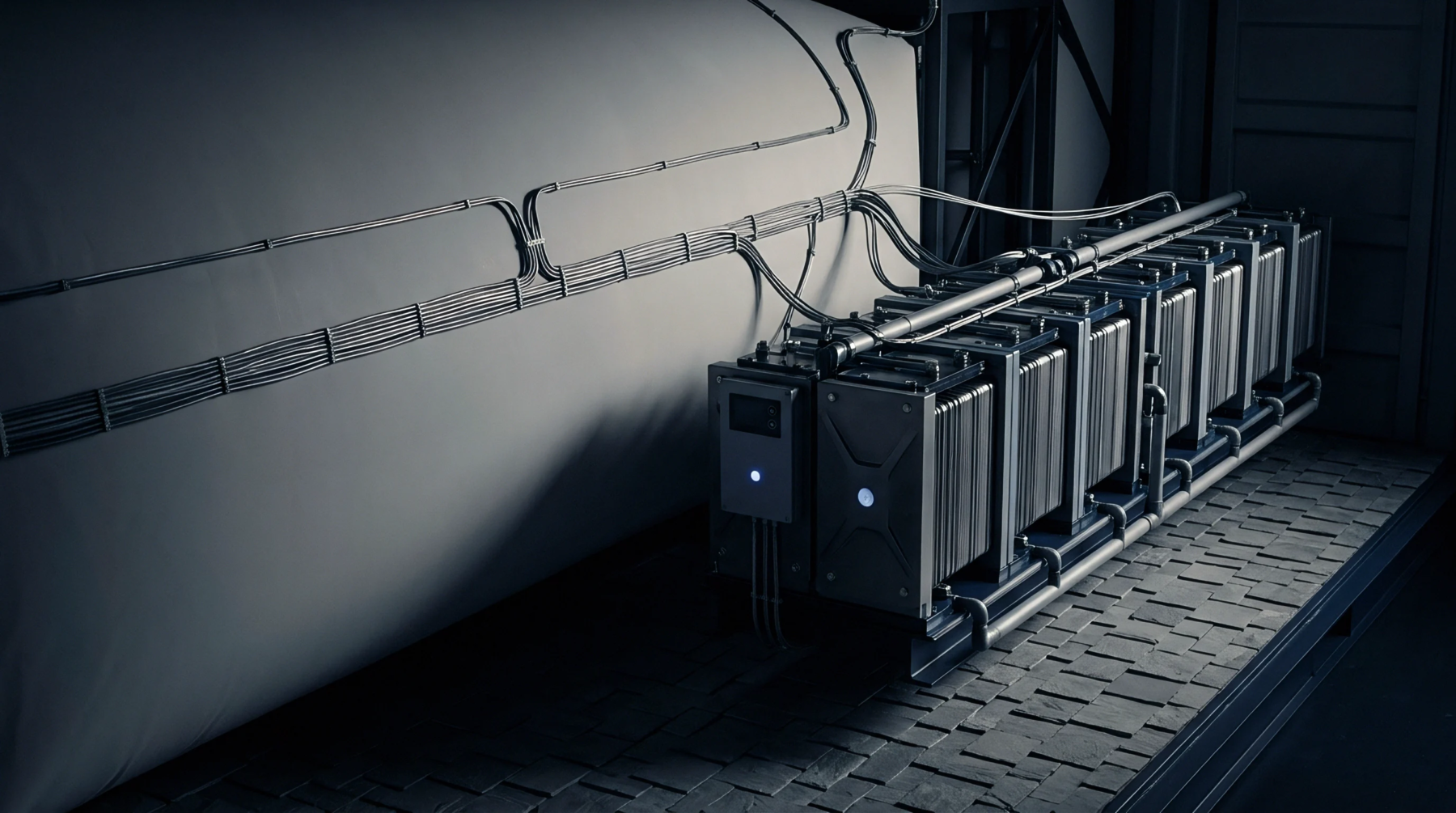
Sub-zero battery warranty claims require high-frequency relaxation telemetry and differential voltage analysis to isolate operational cold charging from manufacturing cell defects.
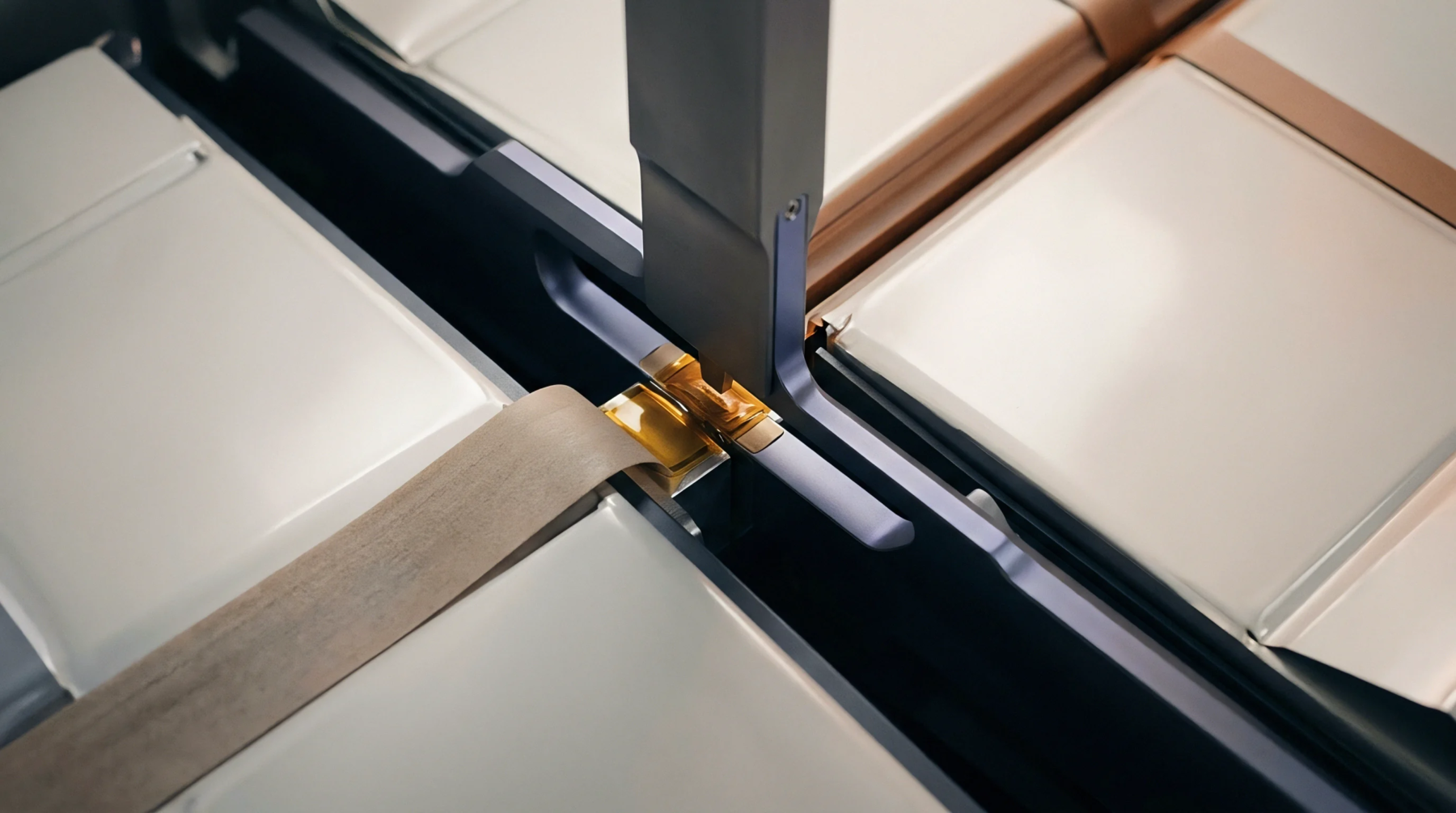
Internal thermal gradients accelerate prismatic cell active material loss by driving localized current crowding, high-temperature SEI growth, and particle cracking.

Dynamic fast charging below zero degrees requires real-time overpotential feedback control to prevent lithium plating and maintain safety certification validity.

Sub-zero graphite charging is constrained by desolvation and pore diffusion limits that induce lithium plating when anode potential drops below zero volts.
Early cycle analytics fail to predict nonlinear battery degradation knees when sacrificial additives mask microstructural stress accumulation.

Prismatic pack reliability hinges on balancing cell expansion pre-charge with non-linear pads to maintain thermal contact without exceeding end-plate yield limits.

Subzero charge drives graphite surface potential below 0V vs Li/Li+, causing metallic lithium plating that demands temperature-compensated derating.

Intermittent thermal preconditioning failures cause irreversible low-temperature lithium plating, accelerating capacity loss and transferring asset liability.
Expertise is a utility, not a secret. sentiention™ publishes its working knowledge as open reference: intelligence layer covering the materials it sources, the markets it enters, and the reference that serves both.