Cross-Plane Thermal Gradient Effects on Graphite Anode Passivation
Cross-plane thermal gradients drive localized overpotential spikes that trigger premature lithium plating, uneven passivation thickness, and warranty-killing fade.
Cross-plane thermal gradients drive localized overpotential spikes that trigger premature lithium plating, uneven passivation thickness, and warranty-killing fade.

Sort parallel cells across 10-second DCIR, capacity, and 14-day K-value windows rather than 1 kHz ACR alone to prevent localized overcurrent and premature pack fade.

Dynamic electrochemical AQLs align time-dependent impedance growth with contract indemnity clauses to prevent unrecoverable field failure liabilities.
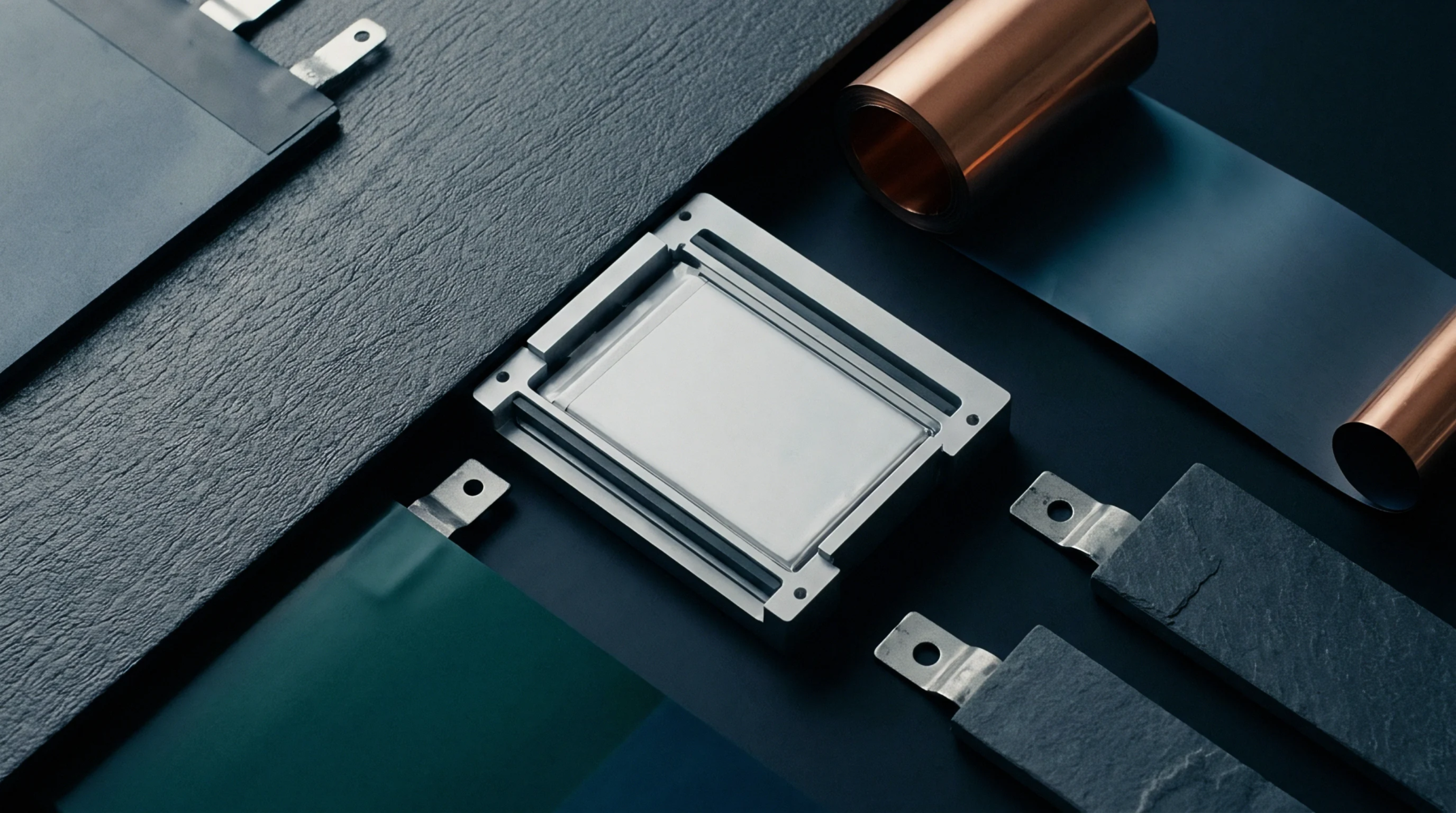
Manganese deposition on graphite anodes catalytically breaks down the SEI, causing continuous lithium consumption and rapid cell capacity loss.

Unapproved BESS firmware changes void OEM cell warranties, shifting full indemnity liability for capacity degradation, fines, and recertification to the modifier.

Lock bills of materials and enforce incoming statistical Cpk gates on cell mass, ACIR, and anode overhang to halt manufacturing drift before pack assembly.

Dynamic sub-zero charging firmware shifts strict product liability to integrators when overpotential margins breach cell manufacturer limits.

Closed-loop impedance feedback tracks subzero charge-transfer resistance to throttle charging current, preventing anode overpotential from inducing lithium plating.
Fast-charge envelopes hit hard boundaries when combined kinetic and solid-state diffusion overpotentials drive graphite potential below zero volts versus lithium.
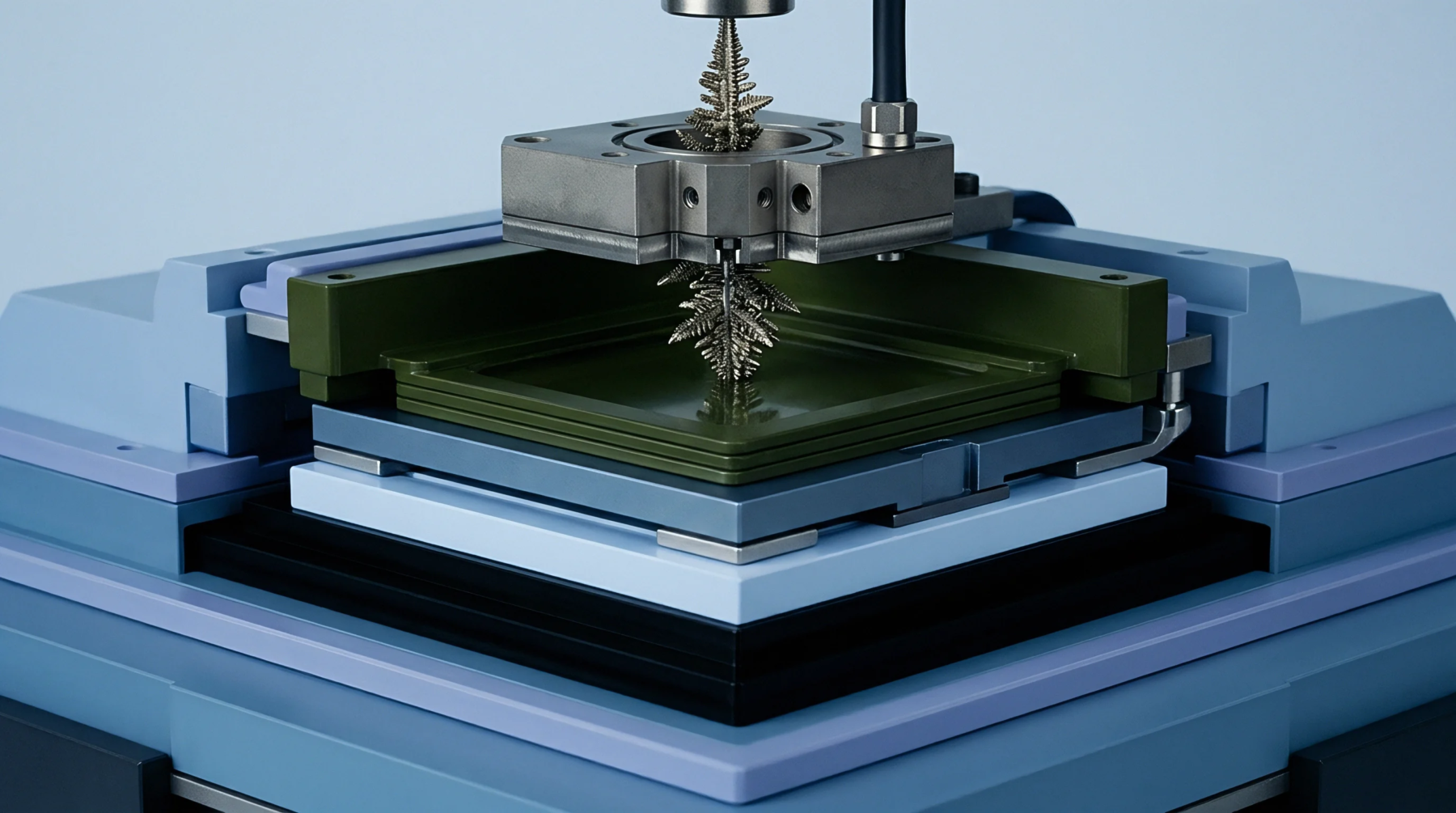
Sub-zero fast charging shifts graphite anodes below zero volts, causing dangerous lithium plating that accelerates degradation and triggers shipping refusal.
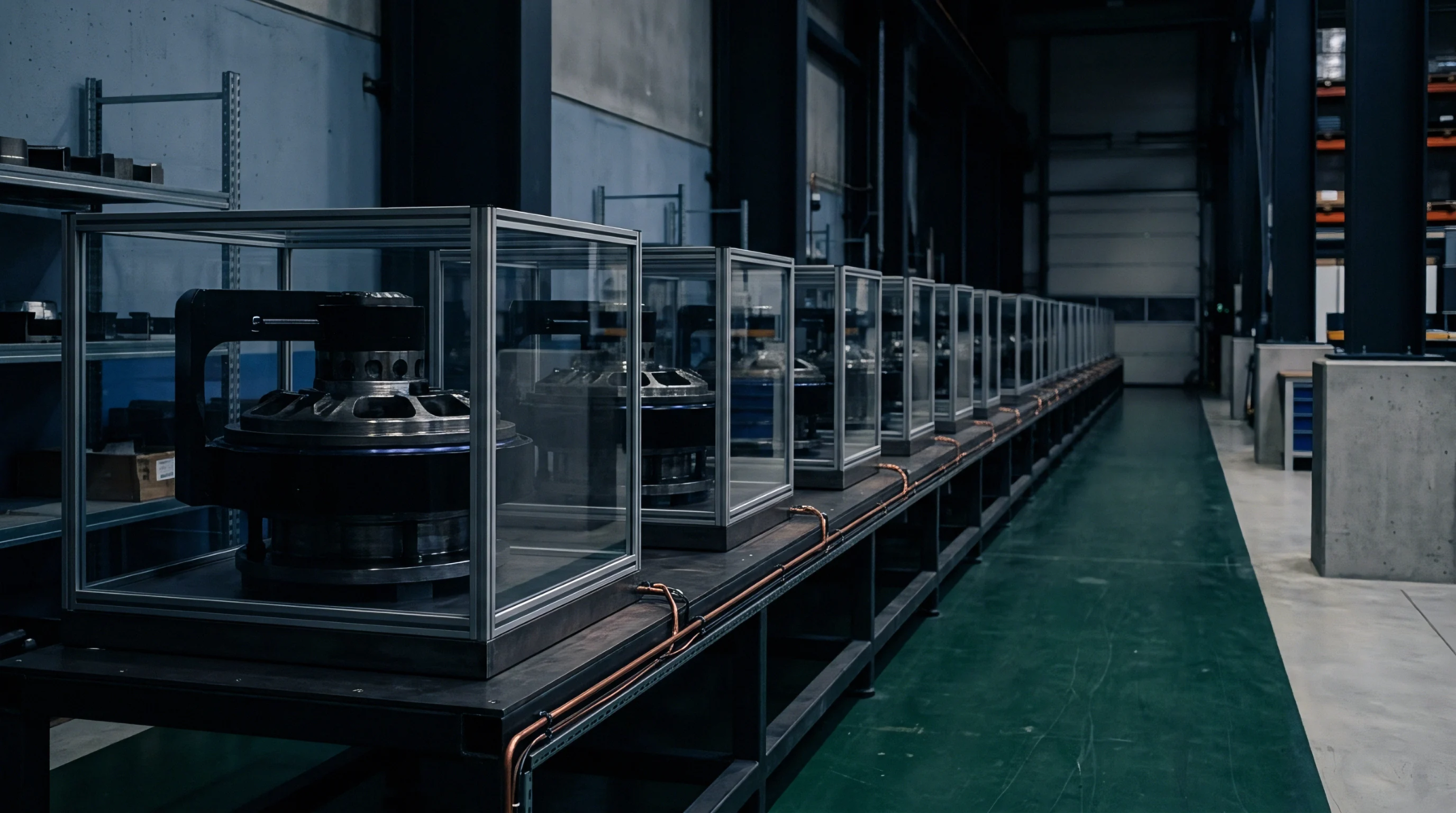
Dynamic cyclic swelling stresses drive irreversible separator creep, collapsing pores and increasing MacMullin numbers to cause early cell impedance failure.

Dynamic compliant clamping balances reversible breathing and irreversible growth to maintain cell interfacial pressure between 0.05 MPa and 0.8 MPa across life.

Prismatic cell swelling combines SOC-driven expansion and permanent SEI growth, demanding calibrated module compression between 0.1 and 0.3 MPa to preserve cycle life.
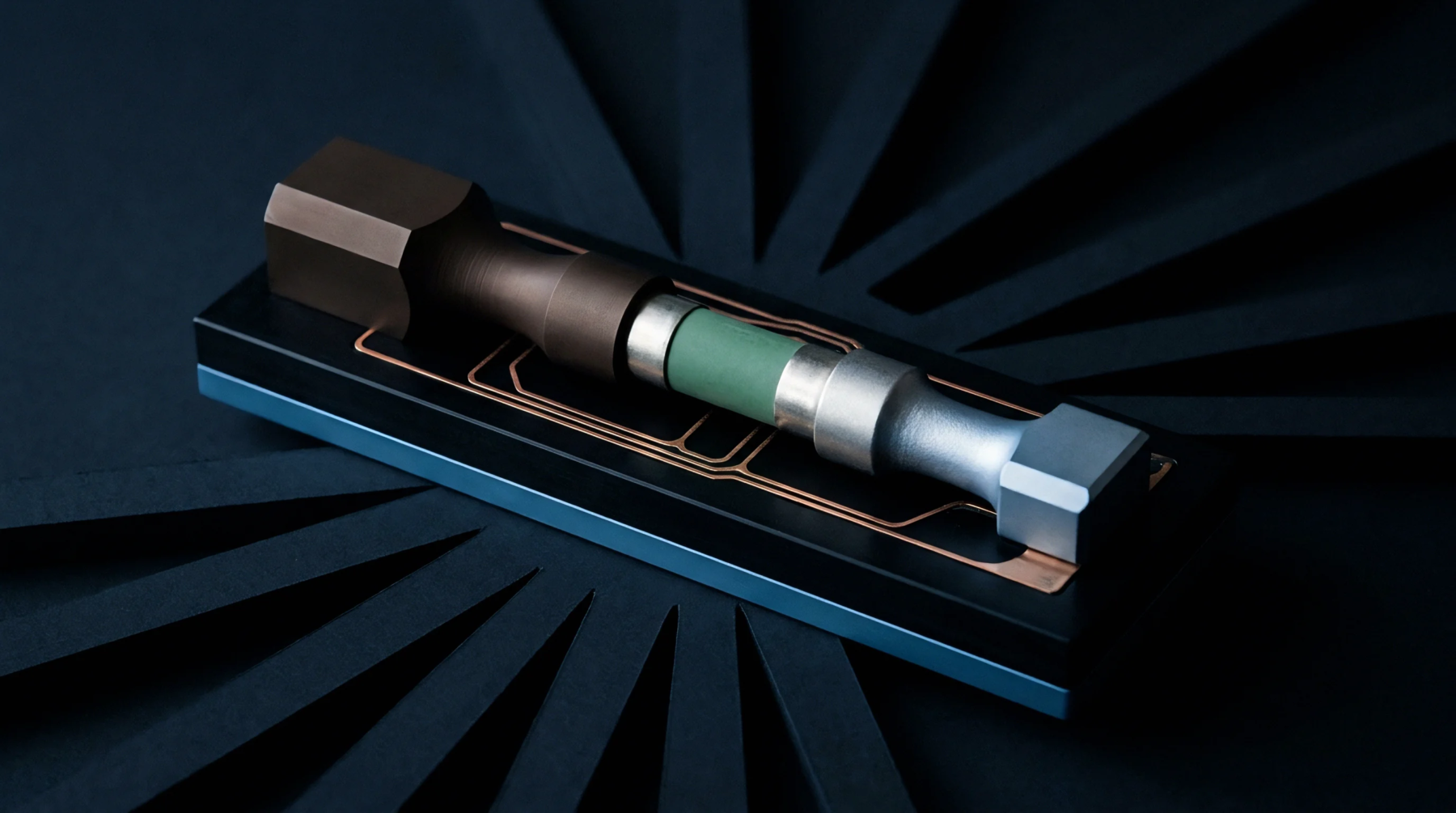
Quantifying transition metal migration and anode interphase decay determines actual lifetime cell energy throughput and prevents premature system replacement.

Active preload control fixtures hold cell pressure between 0.20 and 0.35 MPa across breathing cycles, extending prismatic battery lifespan beyond 6,000 cycles.
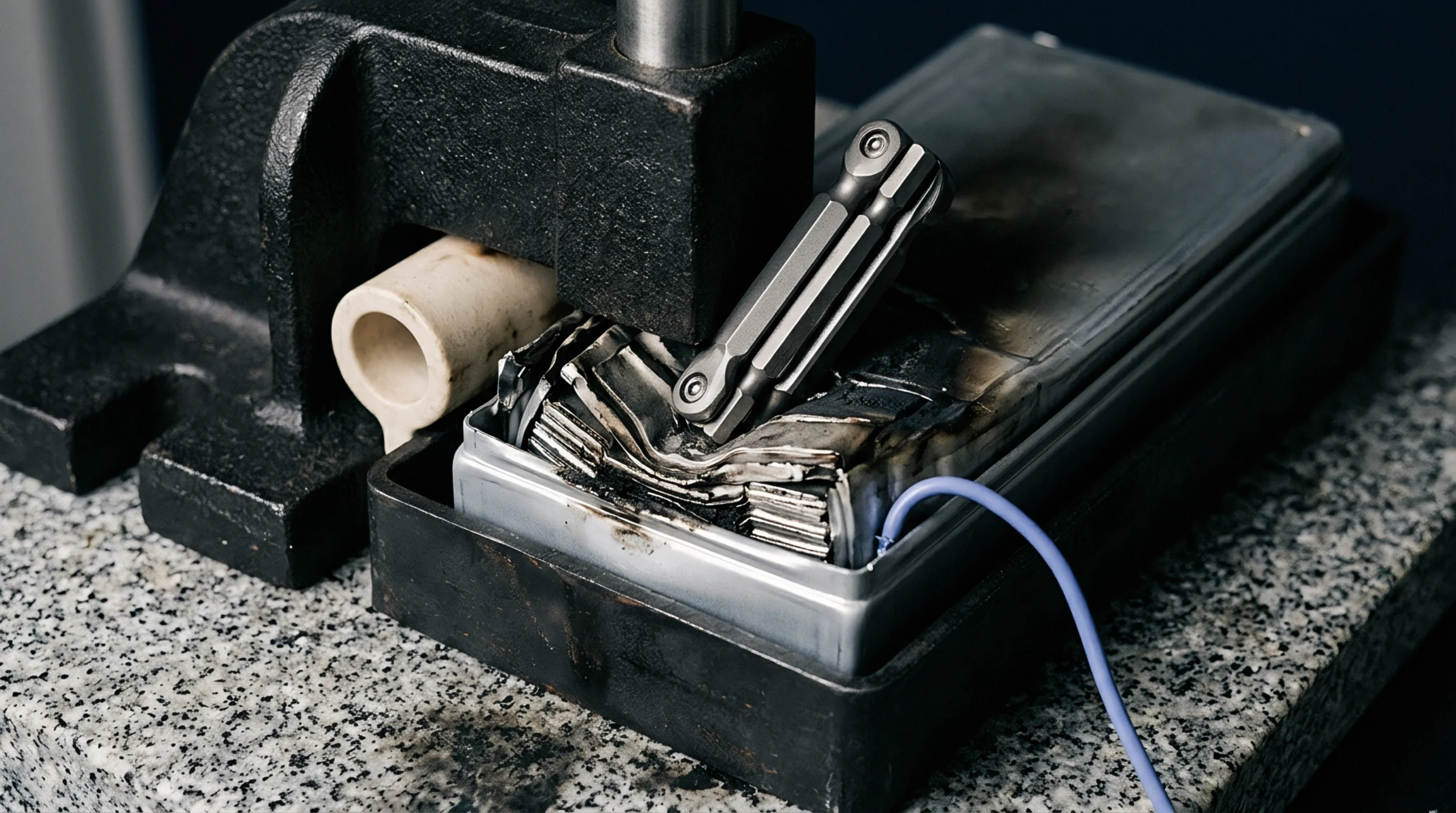
Calibrated prismatic clamping balances casing creep against separator pore collapse to sustain cell capacity across continuous charge swelling cycles.

Mechanical pre-load between 0.2 and 0.5 MPa optimizes cycle life by preventing graphite delamination while maintaining pore network ionic diffusivity.
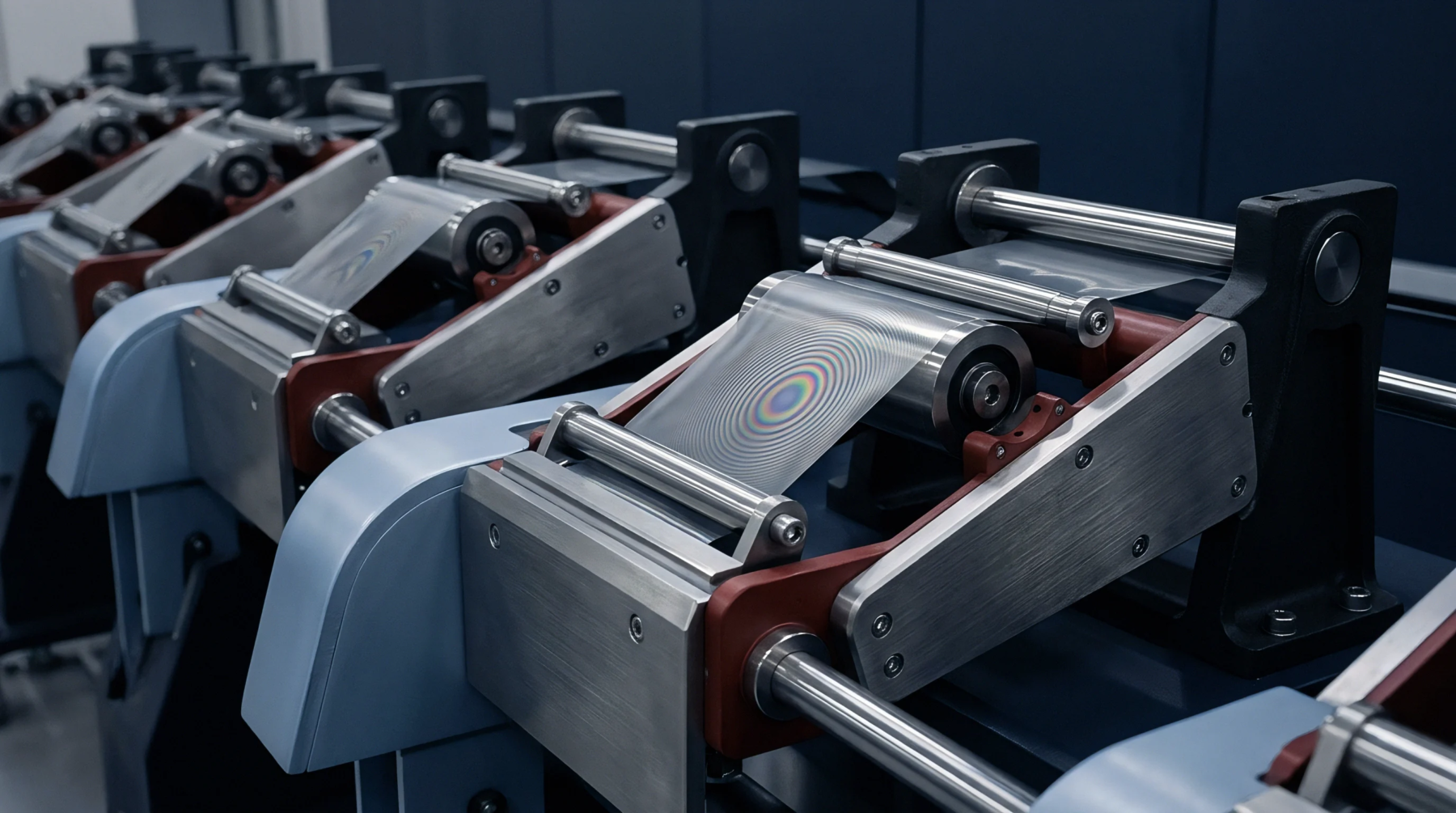
Continuous Rayleigh OFDR requires physical capillary isolation or low-condition matrix inversion to decouple thermal and mechanical strain in battery cells.

Prismatic cell mechanical preload management balances initial zero point two megapascal compression against elastomeric spacer deflection to prevent capacity fade.

Evanescent fiber-optic signal separation detects sub-micron lithium plating in pouch cells before voltage shifts appear, requiring validated hermetic tab seals.

Partitioning sub-arctic impedance growth separates reversible desolvation barriers from irreversible lithium plating and interphase delamination across seasons.

Differential voltage relaxation analysis separates metallic lithium plating from kinetic impedance rise to establish cell supplier warranty liability.

Sub-zero charging forces irreversible metallic lithium plating on graphite, demanding precise dQ/dV diagnostics and rigorous telemetry logging to enforce warranty remedies.

Asymmetric base cooling drives internal equalization currents up to 0.28C across large prismatic cells, requiring lateral thermal paths to avert lithium plating.

Prismatic cell current crowding concentrates thermal and kinetic stress near terminal tabs, accelerating localized plating and premature capacity failure.

Polyolefin separator microstructure governs ionic tortuosity and current distribution, where sub-optimal pore morphology accelerates lithium plating and line scrap.

Anisotropic thermal conduction in prismatic cells creates steep internal temperature gradients, concentrating lithium plating on cold edges and SEI growth at hot zones.

Electrolyte desolvation barriers and tortuosity-induced salt depletion starve inner anode pores during fast charging, triggering destructive lithium plating.

Subzero fast charging forces graphite polarization below zero volts, causing metallic lithium plating detectable via voltage relaxation and gas titration.

Early cycle screening uses high-precision coulometry and differential voltage peak shifts over five cycles to catch cell defects before pack integration.
Expertise is a utility, not a secret. sentiention™ publishes its working knowledge as open reference: intelligence layer covering the materials it sources, the markets it enters, and the reference that serves both.