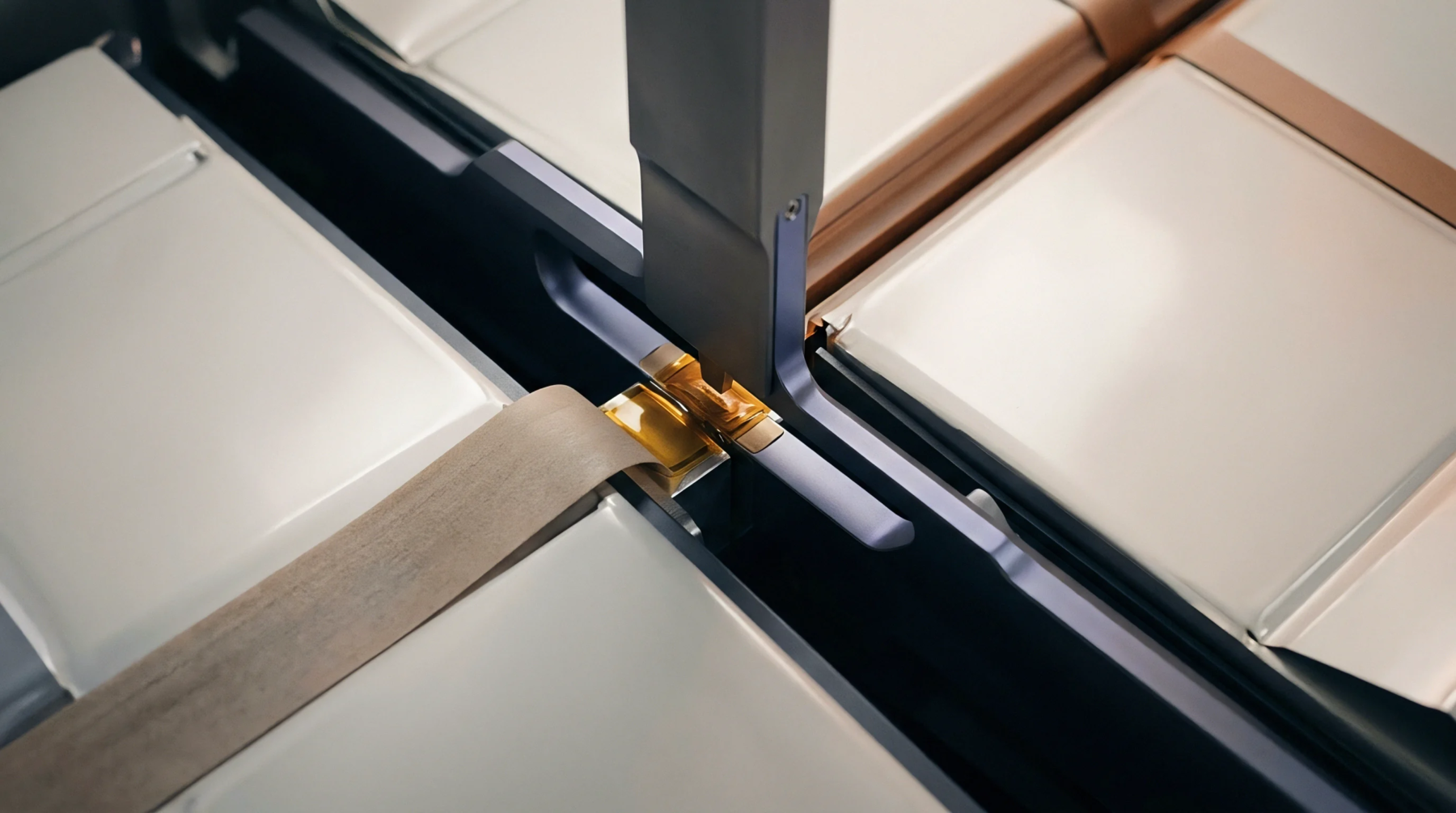
Subzero Charge Acceptance Baseline Limits in Prismatic Commercial Cells
Prismatic cell subzero charge acceptance requires strict current derating below zero degrees Celsius to prevent irreversible metallic lithium plating.
Prismatic cell subzero charge acceptance requires strict current derating below zero degrees Celsius to prevent irreversible metallic lithium plating.
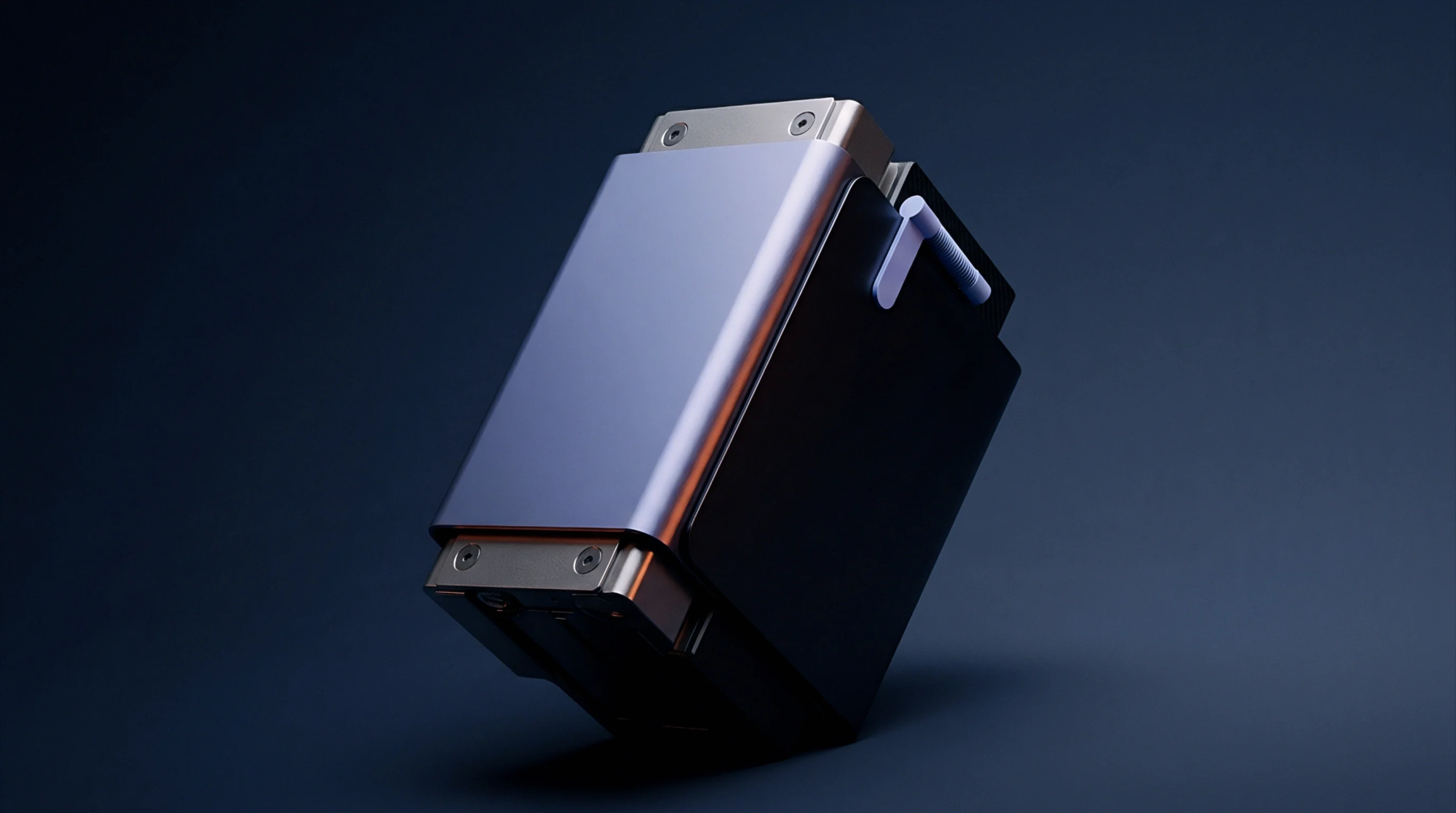
Dynamic current derating derived from localized salt diffusion kinetics prevents sub-zero lithium plating and costly field warranty failures.
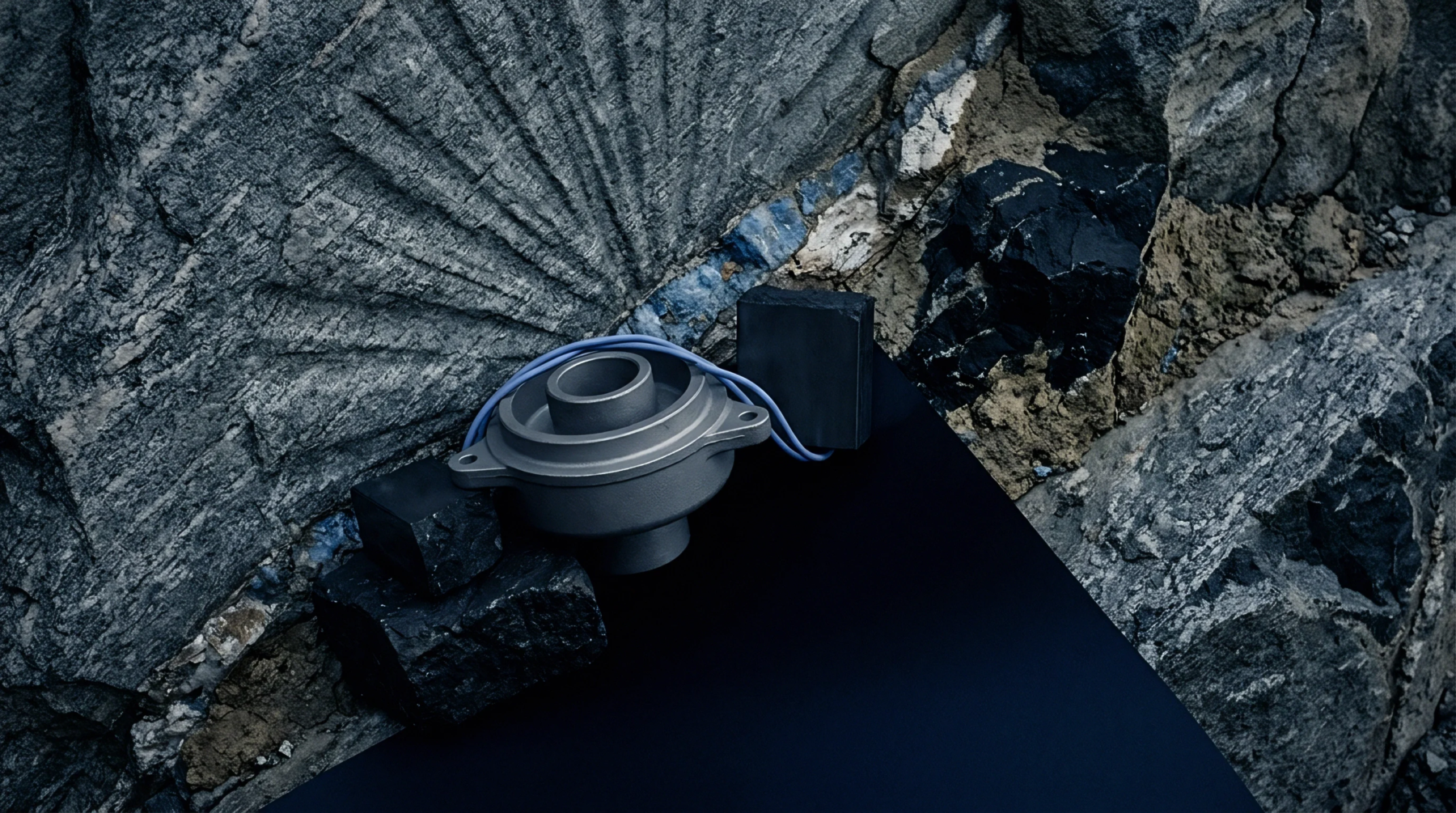
Low temperature charging shifts graphite potential below zero volts against lithium, initiating destructive metallic plating when polarization exceeds kinetic intercalation limits.
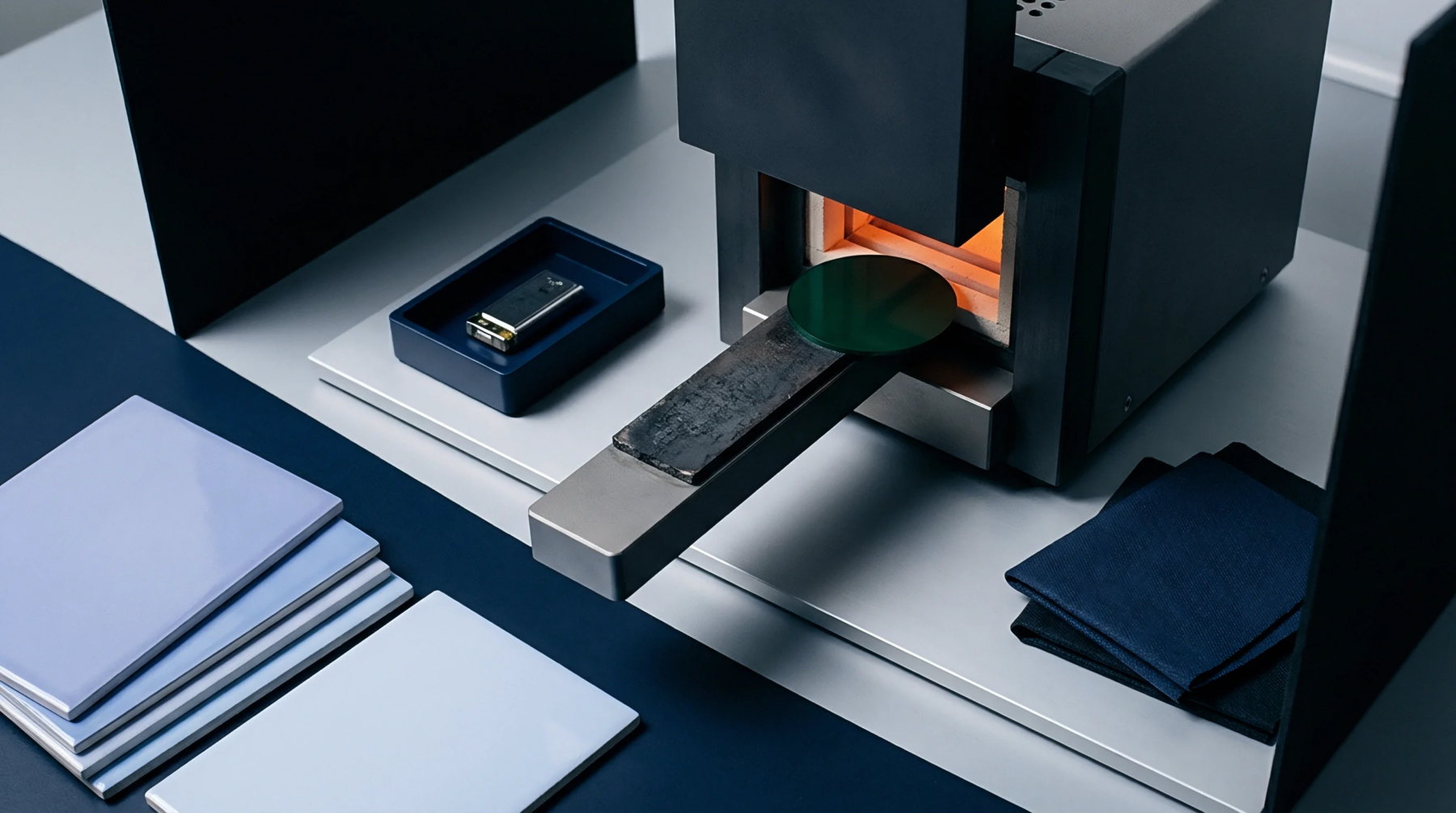
Sub-zero charging forces graphite anode potential negative, driving metallic lithium deposition, accelerating internal short risks, and invalidating safety transport certifications.

Reversible lithium stripping under cold operation requires voltage relaxation or dQ/dV diagnostic tracking to adjust BMS derating and protect cycle life.

Dynamic tracking of graphite anode potential prevents sub-zero metallic lithium plating by throttling charging current before interfacial overpotentials breach 0V.

Sub-zero graphite charging is constrained by desolvation and pore diffusion limits that induce lithium plating when anode potential drops below zero volts.
Fast charging requires negative electrode potential monitoring above zero volts against lithium reference to prevent cell degradation and thermal risks.
Sub-zero graphite lithiation causes anode potential drops below 0V vs Li/Li+, triggering metallic lithium plating that demands temperature-dependent BMS current limits.
Local intercalation overpotentials in large format cells force anode potentials below 0V vs Li/Li+, causing lithium plating long before terminal voltage limits.
Expertise is a utility, not a secret. sentiention™ publishes its working knowledge as open reference: intelligence layer covering the materials it sources, the markets it enters, and the reference that serves both.