
Overpotential Decomposition and Kinetic Overpotentials during Subzero Graphite Charging
Subzero graphite charging drives anode potentials negative through desolvation and diffusion overpotentials, inducing irreversible lithium metal plating.
Subzero graphite charging drives anode potentials negative through desolvation and diffusion overpotentials, inducing irreversible lithium metal plating.

Subzero charging forces graphite anode potentials below zero volts, making overpotential derating and pre-heating mandatory to prevent metallic lithium plating.
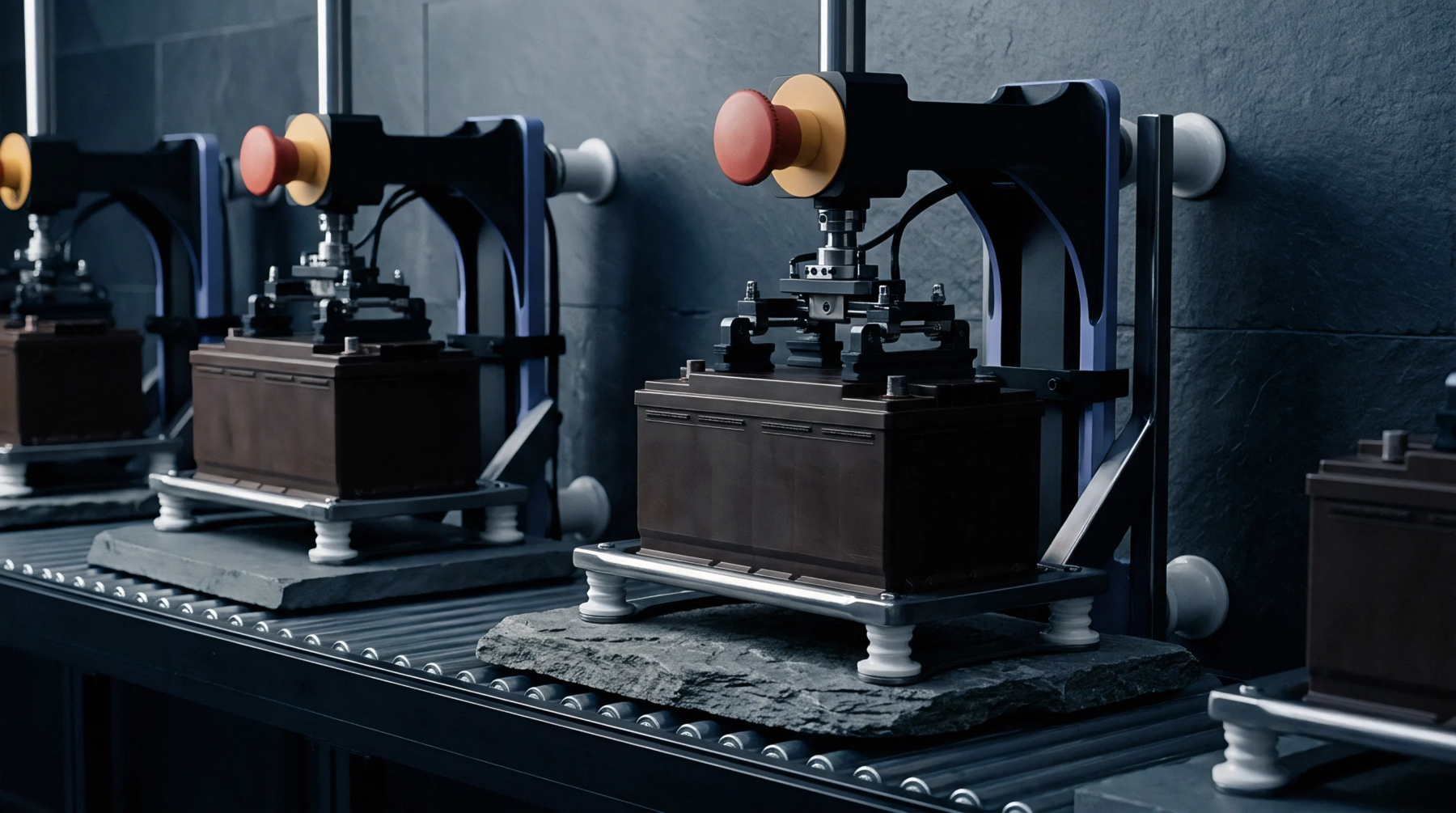
Subzero lithium plating occurs when anode potential drops below zero volts, demanding auxiliary cell heating or current derating to stop cell degradation.

Subzero charging forces graphite anode potential below zero volts against lithium, driving metallic plating over intercalation and causing rapid battery capacity loss.
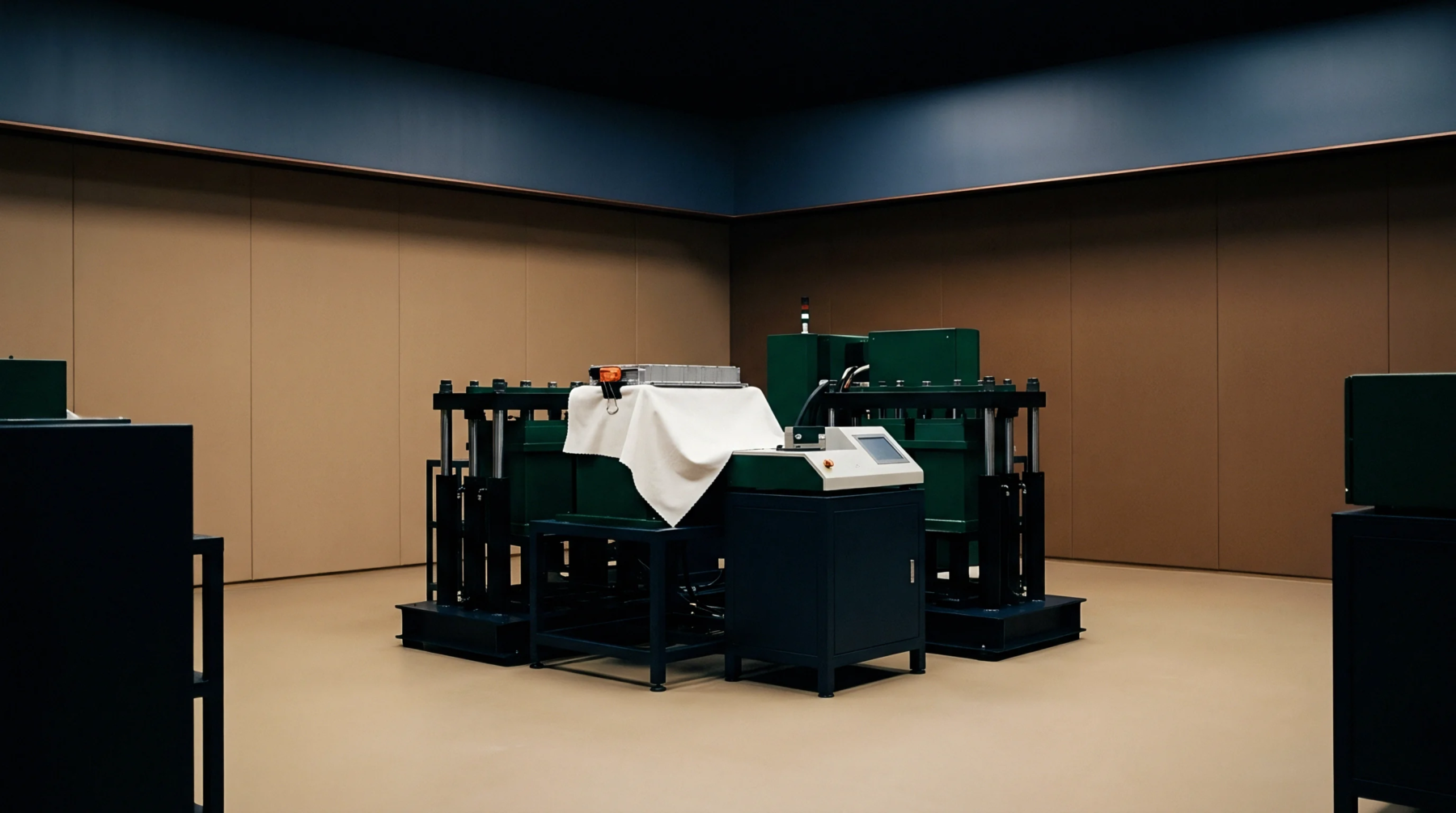
Subzero battery warranty validation requires compact CAN FD payload packing of cell voltage differentials and temperature rates to prove lithium plating limits.

Subzero charge drives graphite surface potential below 0V vs Li/Li+, causing metallic lithium plating that demands temperature-compensated derating.
Expertise is a utility, not a secret. sentiention™ publishes its working knowledge as open reference: intelligence layer covering the materials it sources, the markets it enters, and the reference that serves both.