Meaning
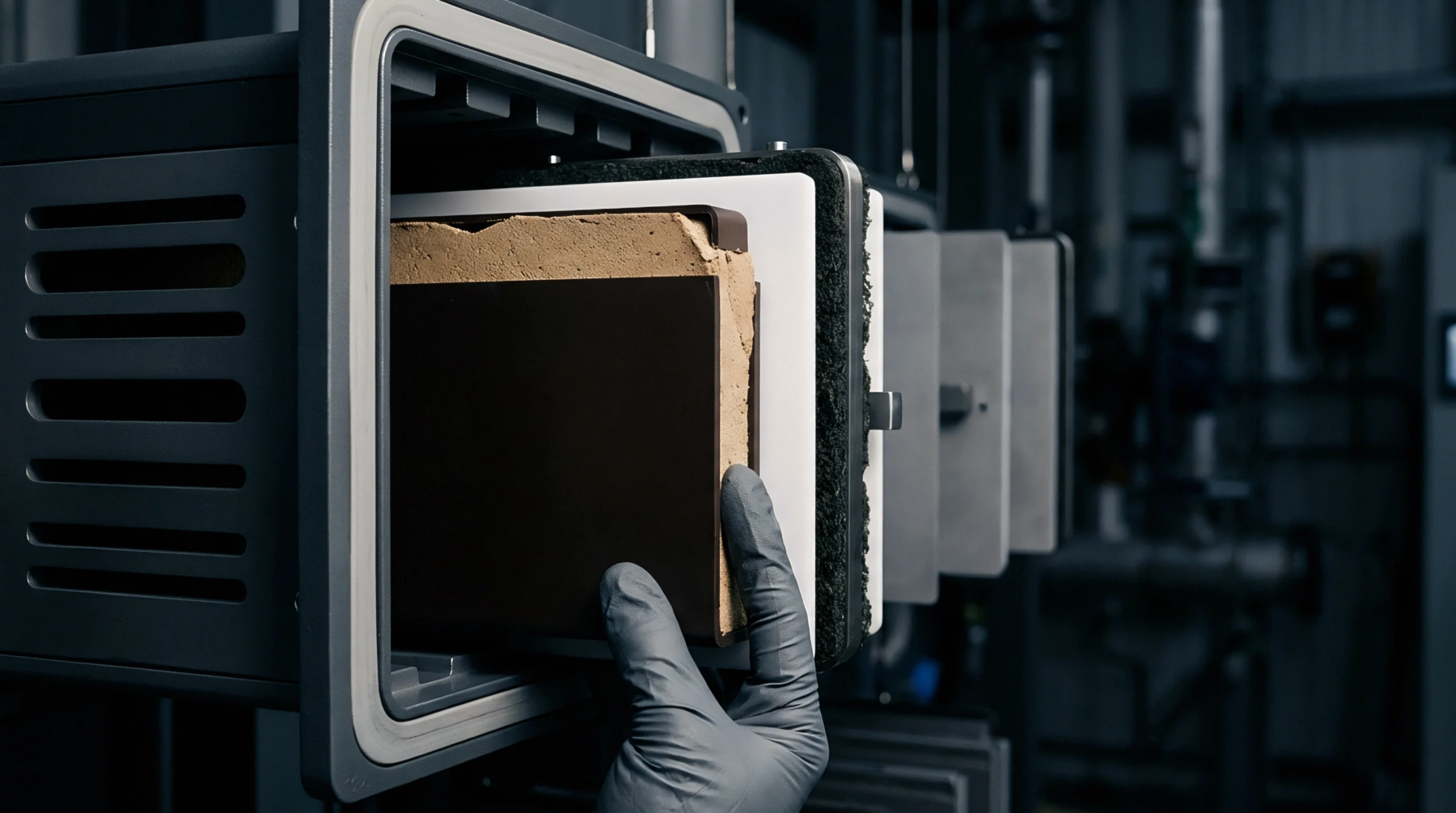
Porous polymer membranes coated with inorganic particles provide internal structural stability to lithium ion cells during high temperature excursions. A ceramic coated separator prevents physical contact between electrodes by retaining mechanical integrity under thermal stress, which blocks internal short circuits that lead to runaway heating.
Material Composition
Metal oxide or nitride powders like alumina or boehmite form the thin layer applied to standard polyethylene or polypropylene films. These mineral particles increase the melting point of the substrate significantly beyond the base polymer transition temperature. Manufacturers apply the slurry through dip coating or printing processes to ensure uniform distribution across the entire surface area.
This layer also improves wettability with liquid electrolytes to boost ionic conductivity during operation.
Thermal Performance
Electrochemical cells utilizing these treated barriers demonstrate reduced shrinkage when exposed to extreme heat. Standard plastic films usually soften and lose shape as internal temperatures climb toward two hundred degrees Celsius, yet the rigid mineral framework sustains the physical gap between anode and cathode. High resistance to thermal distortion keeps the battery safe during abuse conditions like overcharge or mechanical puncture.
Stable dimensions help maintain uniform pressure across the electrode stack for consistent ion flow.
Market Selection
Procurement teams prioritize these components for high energy density packs where safety margins require extra physical protection. Costs remain higher compared to uncoated film, so integration depends on the specific risk profile of the end application. Engineers analyze the thickness of the coating to ensure it provides sufficient protection without increasing the internal resistance beyond acceptable limits.
Dense coating layers create a trade off between safety features and power delivery capability.