
Lithium Inventory Loss Assessment Using Isothermal Peak Area Integration Techniques
Isothermal dQ/dV peak area integration isolates lithium inventory loss from electrode degradation, giving precise capacity fade partitioning for warranty audits.
Isothermal dQ/dV peak area integration isolates lithium inventory loss from electrode degradation, giving precise capacity fade partitioning for warranty audits.
Anode expansion forces liquid electrolyte out of separator pores, causing local dry-out, salt depletion, and accelerated lithium plating under rigid clamping.

Differential capacity analysis during post-charge rest resolves reversible lithium stripping plateaus, establishing accurate fast-charge degradation thresholds.
Sub-zero lithium-ion charging forces anode potential below zero volts, causing metallic plating; pre-heating or severe BMS current derating prevents permanent capacity loss.
Subzero insertion forces non-Fickian phase boundary stress and lattice microcracking, requiring dyn-overpotential cell qualification and strict pulse-rate limits.
High-voltage cycling of single-crystal cathodes causes intragranular cracking along planar glide lines, driving impedance growth and warranty failure.
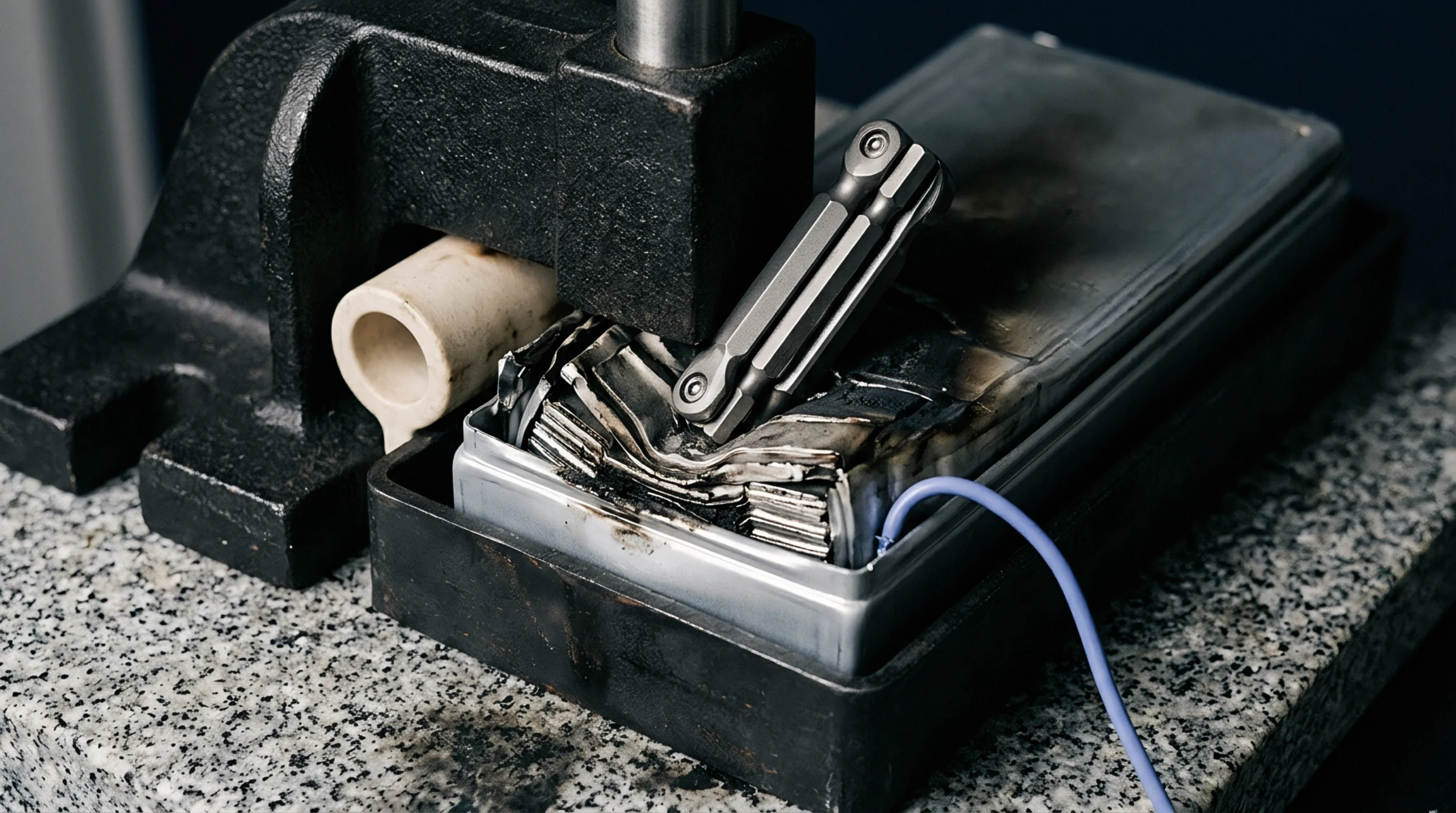
Cryogenic charging saturates graphite particle surfaces, forcing anode potentials below zero volts and driving metallic lithium plating that destroys cell life.
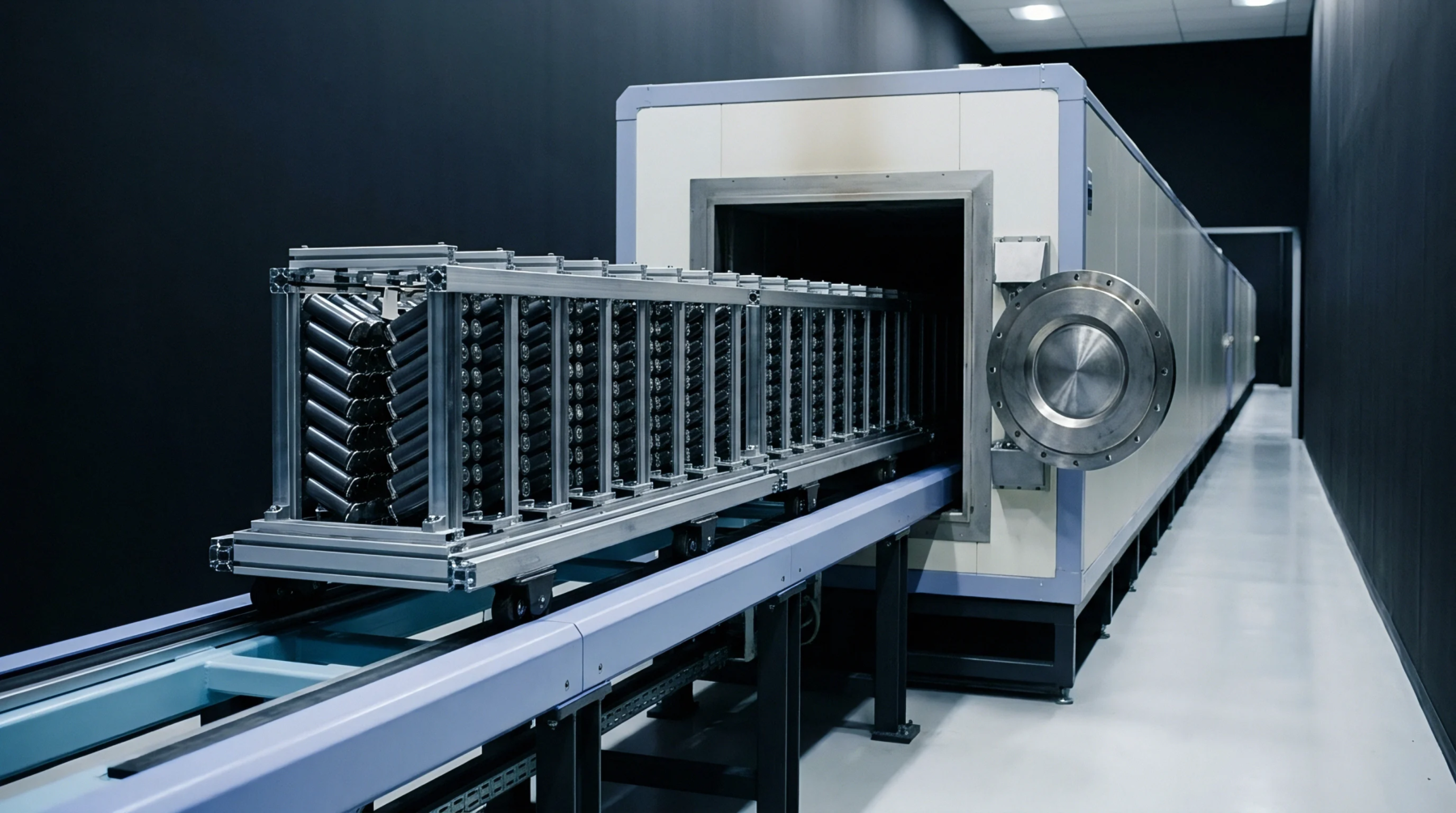
High-voltage anode cross talk suppression requires sacrificial cathode film-forming additives and metal scavengers to halt transition metal dissolution and interphase breakdown.
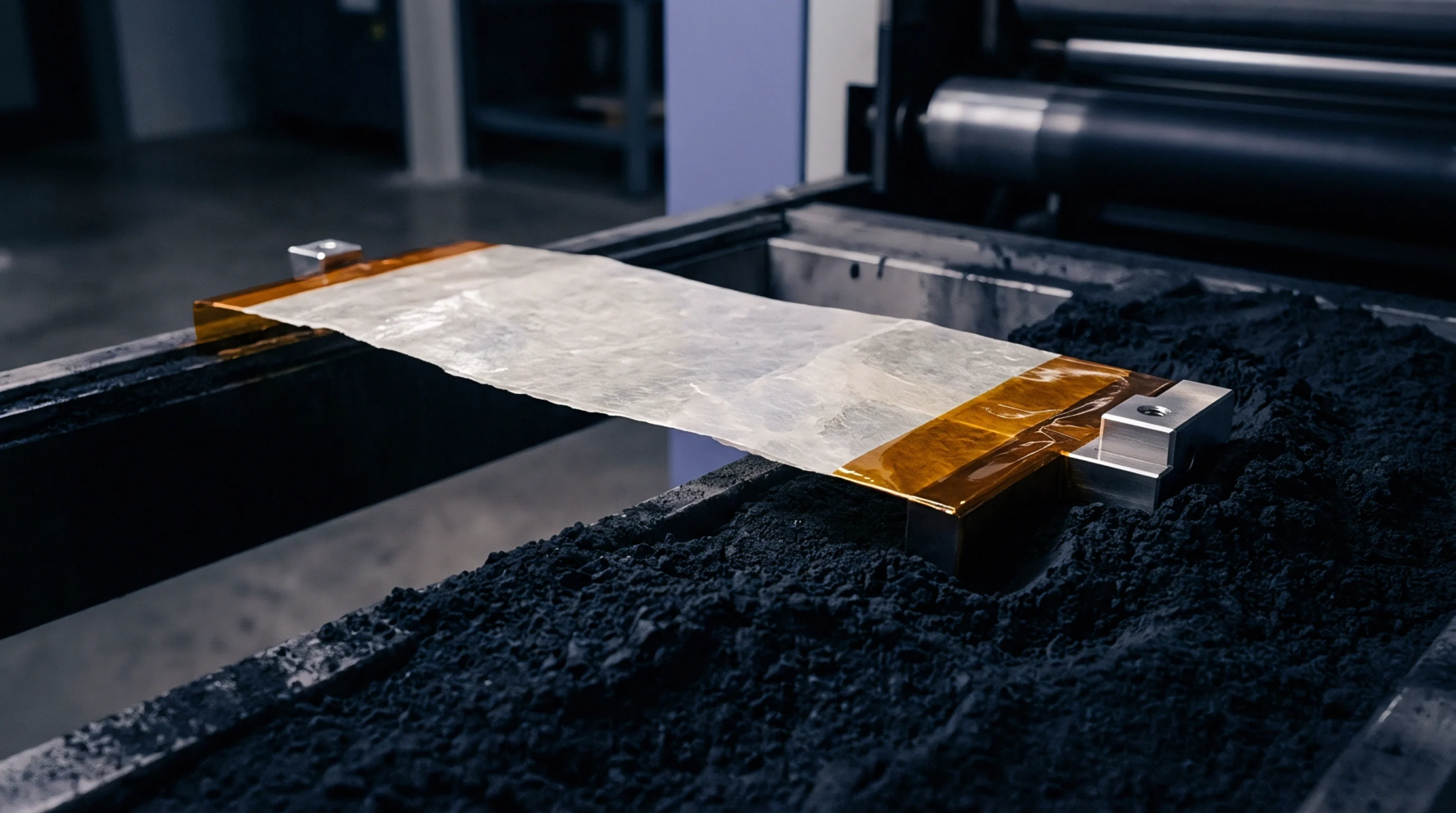
Subzero fast charging causes rapid lithium plating when solid-phase diffusion limits drive anode overpotential negative, requiring internal thermal pre-heating.
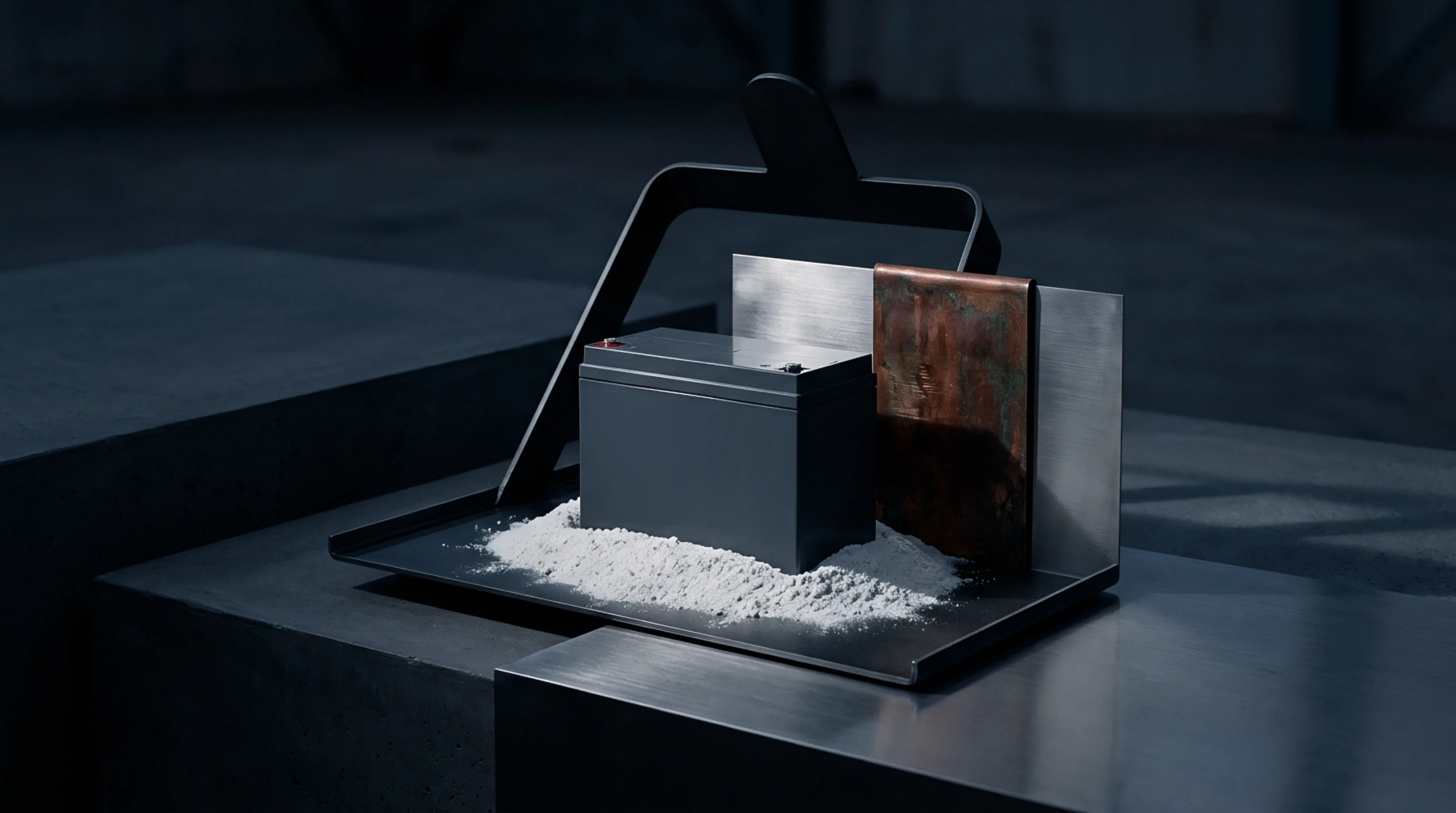
Operating nickel-rich cathodes above 4.35V accelerates c-axis collapse and rock-salt transformation, requiring capacity retention caps in supply contracts.

Raising cathode upper cutoff voltage above 4.20V increases initial capacity but accelerates c-axis lattice collapse, microcracking, and transition metal dissolution.

Industrial subzero lithium electrolytes depend on low-viscosity ester co-solvents and LiFSI to bypass desolvation barriers and suppress lithium plating below minus twenty degrees Celsius.
Selecting low-viscosity fluorinated carbonate ester blends prevents lithium plating down to minus forty degrees Celsius while maintaining cell thermal safety.

Cathode interfacial impedance spikes accelerate anode polarization, requiring step-down fast-charge maps to suppress metallic lithium plating below 15°C.

Analyzing raw cycle life data curves and differential capacity shifts reveals artificial degradation flattery in supplier cell quality dossiers.

Non-linear capacity fade onset is quantified by tracking dQ/dV peak height decay and charge transfer impedance growth before kinetic rollover occurs.

Differential capacity parameter extraction under thermal cycling requires uniform voltage discretization and low-rate reference testing to isolate latent aging.
Low-temperature battery transport limits stem from viscosity growth, desolvation barriers, and salt depletion, demanding specialized solvents and BMS derating.
Continuous solid electrolyte layer growth consumes active lithium and increases impedance, demanding strict temperature and clamp pressure control to preserve life.

Ultra-fast charging above 4.35V drives localized anode salt depletion and cathode anion oxidation, accelerating lithium plating and reducing delivered cycle life.
Thermal variance across BESS racks shifts cell knee points early, requiring dQ/dV screening and continuous thermal logging to enforce supplier warranties.
Raising high nickel cathode upper cutoff voltage above 4.20V increases initial capacity but accelerates interfacial degradation and slashes cycle life.
Dynamic anode potential clamping above 50 mV versus Li/Li+ prevents crystalline silicide nucleation and quadruples fast-charge cycle life in high silicon cells

Quantifying solid electrolyte interphase growth relies on high-precision coulometry and differential capacity to isolate active lithium inventory loss.

Maintaining lithiated silicon anodes in an amorphous state by operating above 50 mV versus Li/Li+ suppresses catastrophic Li15Si4 crystallization and extends cycle life.
Expertise is a utility, not a secret. sentiention™ publishes its working knowledge as open reference: intelligence layer covering the materials it sources, the markets it enters, and the reference that serves both.