
Hydrostatic Pressure Confinement Specs for Silicon Carbon Composite Anodes
Maintain constant hydrostatic confinement between 0.30 and 0.60 MPa to prevent active silicon particle detachment without causing separator pore collapse.
Maintain constant hydrostatic confinement between 0.30 and 0.60 MPa to prevent active silicon particle detachment without causing separator pore collapse.
Interphase fracture under fast charging drives plating and fade, demanding rigorous receiving screening and strict carrier compliance.

Dynamic mechanical compression between 0.3 and 0.8 MPa suppresses silicon void nucleation and crack propagation to extend high-capacity pouch cell cycle life.

Parasitic electrolyte reduction continuously consumes cyclable lithium under float storage, driving premature capacity knee-point failure in scaled battery systems.

Cross-plane thermal gradients drive localized overpotential spikes that trigger premature lithium plating, uneven passivation thickness, and warranty-killing fade.

Controlled formation cycle protocols govern graphite interphase passivation, bounding irreversible capacity loss, transport stability, and warranty liability.

Operando analytical methods quantify high-voltage transition metal dissolution, preventing unmitigated anode interphase failure and regulatory shipment rejection.

Manganese deposition on graphite anodes catalytically breaks down the SEI, causing continuous lithium consumption and rapid cell capacity loss.

Lock the cell bill of materials into frozen and controlled tiers, tying unnotified component swaps directly to lot rejection, duty chargebacks, and warranty liability.

Phase transformation velocity limits in silicon anodes cause severe surface overpotentials and lithium plating whenever charging rates outpace two-phase boundary motion.

Phase boundary mechanics dictate battery degradation: lattice mismatch stresses drive microcracking, surface expansion, and accelerated lithium loss.
Fast-charge envelopes hit hard boundaries when combined kinetic and solid-state diffusion overpotentials drive graphite potential below zero volts versus lithium.

Incoming cell qualification demands fourteen-day multi-point voltage decay, AC impedance, and CT overhang scans to eliminate latent micro-shorts before assembly.

Thermomechanical phase stabilization balances trace impurities in recycled high-nickel cathodes, preventing microcracking to secure lifecycle pack economics.
Dynamic closed-loop phase alignment cancels thermal backplane clock skew, eliminating false channel-to-channel resistance variations in high-density cell grading.

Sub-zero charging forces irreversible metallic lithium plating on graphite, demanding precise dQ/dV diagnostics and rigorous telemetry logging to enforce warranty remedies.
Thick silicon-graphite anodes charged below freezing suffer acute diffusion choke and lithium plating forcing current derating below zero point zero five C.

Operando acoustics and dQ/dV resolve additive boundaries down to 0.2 wt% before catastrophic gassing and rapid impedance growth compromise warranty life.

High-precision coulombic slip and differential capacity peak tracking isolate lithium loss, identifying cell degradation knee points hundreds of cycles early.
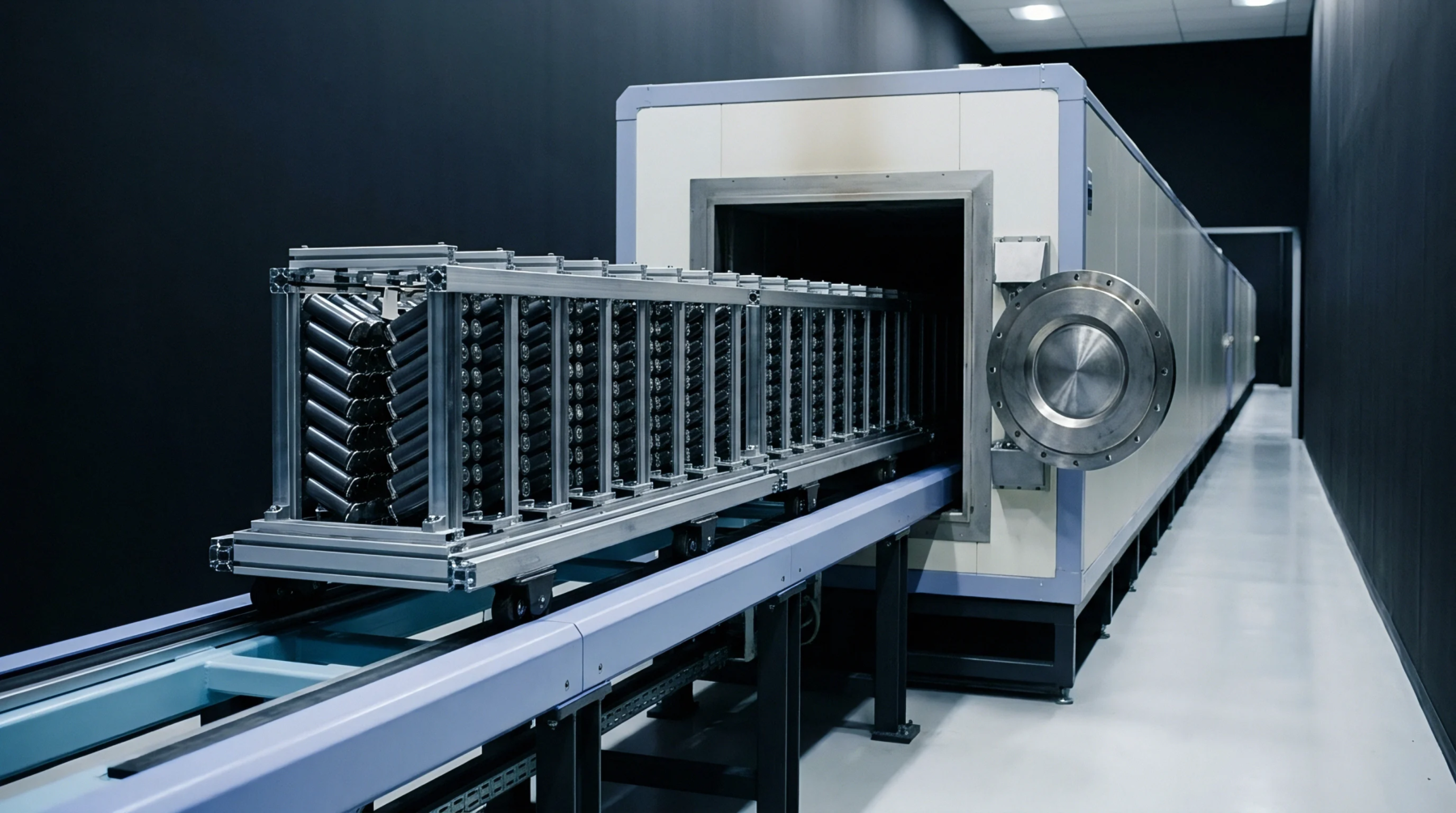
Dynamic control of high temperature anode overpotentials prevents solvent decomposition while accelerating formation kinetics and preserving cell life.

Zero acceptance sampling plans eliminate defect escapes by rejecting entire incoming battery cell lots upon discovering a single non-conforming unit.

High precision derivative spectroscopy quantifies active phase stability and isolates lithium inventory losses to identify premature cell rollover failures.

Differential capacity deconvolution isolates lithium loss and electrode degradation at receiving inspection, allowing objective batch rejection under ISO 12405-4.

Sub-zero lithium plating occurs when anode potential drops below 0V vs Li/Li+; three-electrode analysis isolates overpotentials to define safe charge windows.
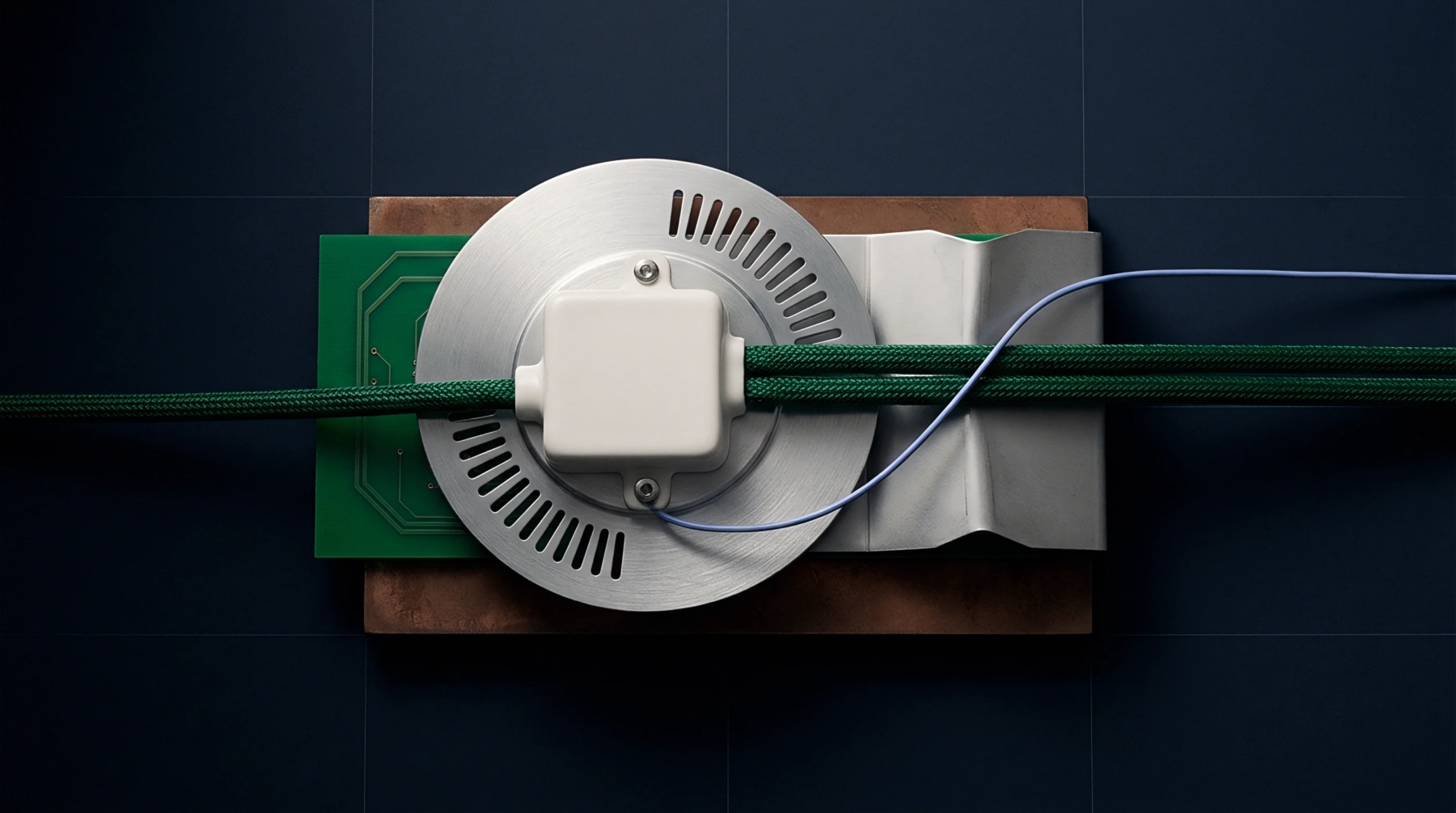
Battery open circuit voltage profiling measures relaxed cell equilibrium potentials to map thermodynamic state metrics, requiring strict rest criteria.

Subzero lithium plating occurs when anode potential drops below zero volts, demanding auxiliary cell heating or current derating to stop cell degradation.
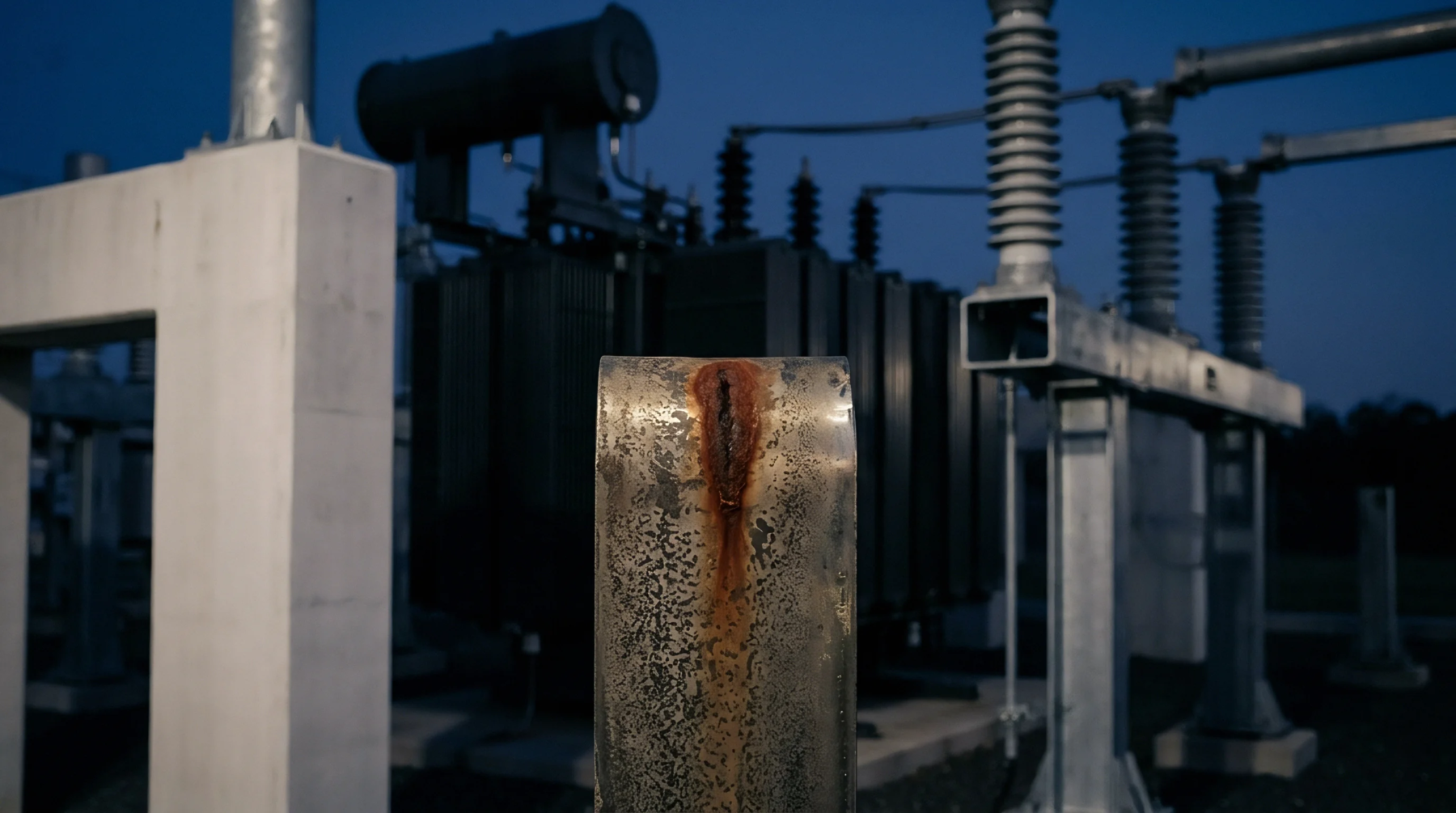
Operando acoustic resonance tracking detects sub-zero metallic lithium plating up to 150 cycles before electrical terminal voltage curves diverge.

Sacrificial additive depletion in commercial pouch cells follows pseudo-first-order kinetics, triggering gas evolution and rapid impedance rise when exhausted.

Differential capacity analysis detects metallic lithium plating on high-current graphite cells by identifying distinct stripping peaks during low-rate discharge.
Differential capacity spectrum parameter fitting separates calendar lithium loss from electrode degradation through non-destructive low-rate OCV tracking.
Expertise is a utility, not a secret. sentiention™ publishes its working knowledge as open reference: intelligence layer covering the materials it sources, the markets it enters, and the reference that serves both.