
Sodium Ion Cells as a Sourcing Alternative This Decade
Sodium ion cells offer compelling low-temperature performance and transport safety advantages, but energy density gaps and hard carbon pricing limit immediate adoption to target duties.
Sodium ion cells offer compelling low-temperature performance and transport safety advantages, but energy density gaps and hard carbon pricing limit immediate adoption to target duties.

Sub-zero lithium-ion charging without precise current derating triggers irreversible anode plating, driving immediate capacity loss and fire hazards.

Transport certificates for fresh cells fail to cover chemically aged stock, exposing buyers to severe maritime customs rejections and uninsured liability.
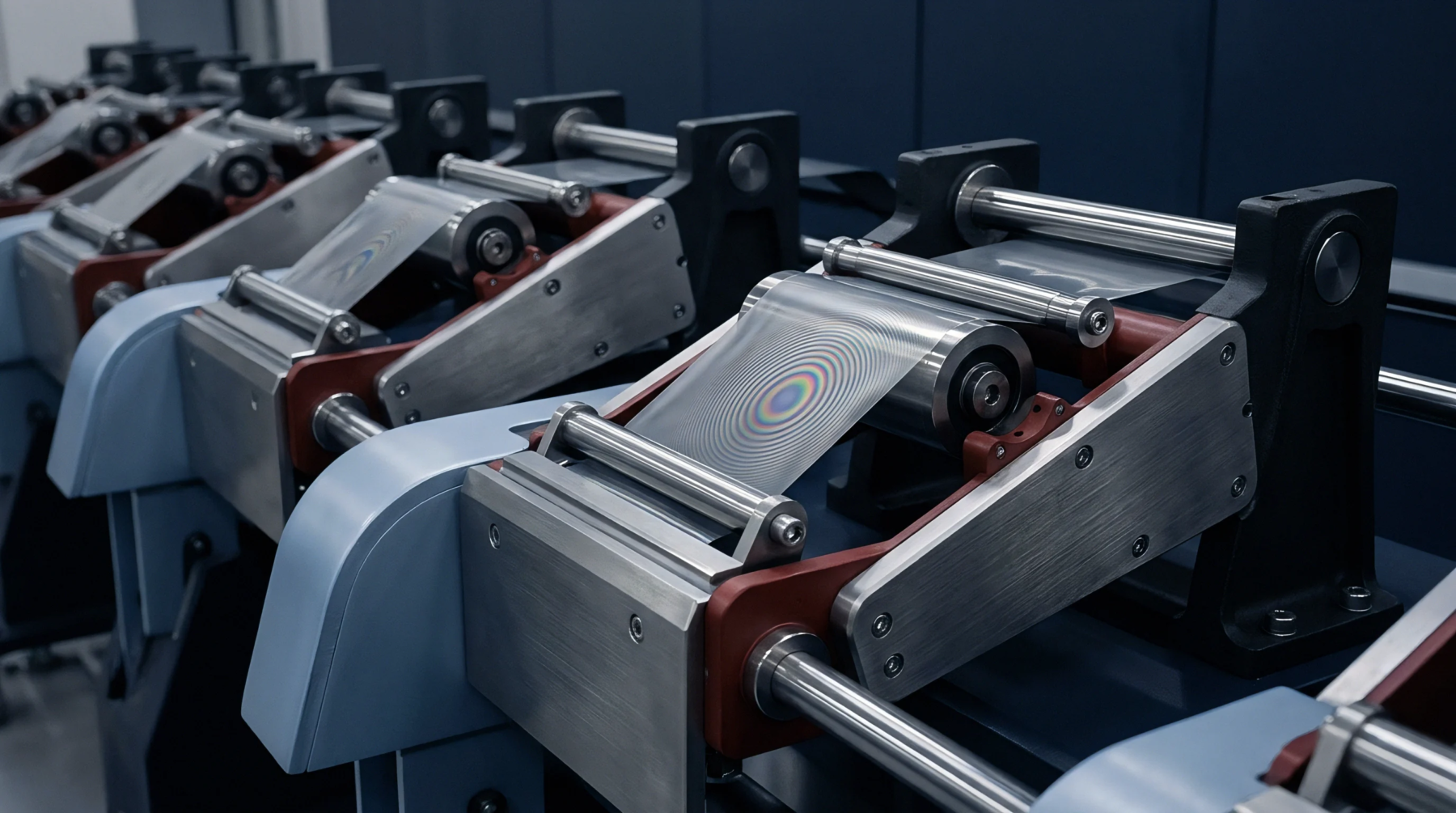
Secondary cell sorting games artificially elevate capacity ratings via thermal and discharge rate manipulation, requiring strict incoming testing to avoid severe pack failure.

Immediate AC-IR screening and differential capacity testing reveal hidden transit degradation and cell capacity variance in sodium ion shipments.

Transporting lithium cells safely obligates buyers to match rigorous electrochemical characterization with enforceable contractual transport riders.
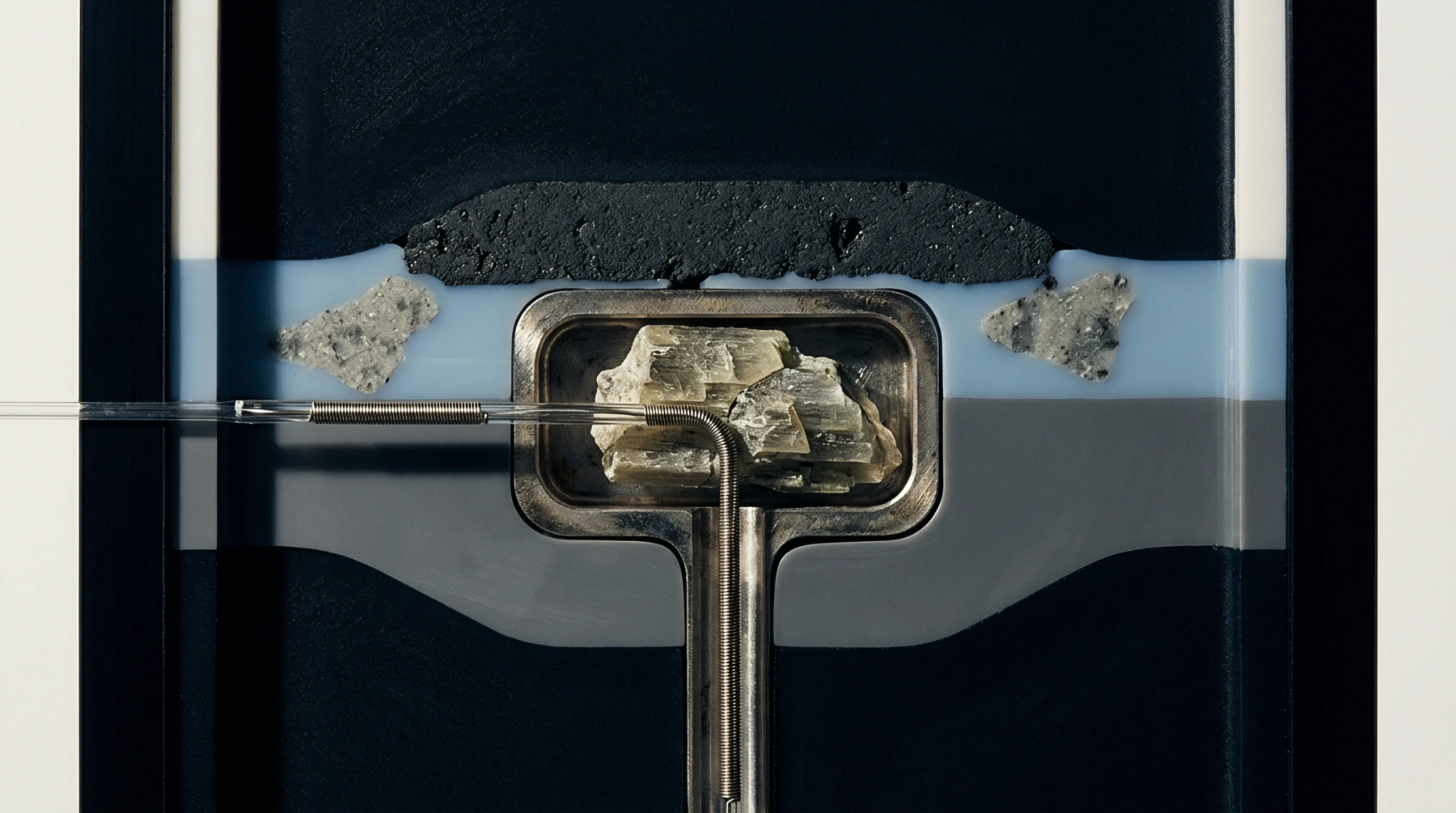
Cell chemistry selection dictates system safety, cycle longevity, thermal cooling architecture, dangerous goods logistics, and levelized storage cost per delivered cycle.

Sub-zero lithium plating occurs when kinetic polarization drives anode surface potential below zero volts against reference lithium, demanding dynamic current derating profiles in cell procurement contracts.

Cold climate warranty enforcement requires temperature-normalized 25°C thermal recovery soaking and cryptographic BMS logging to substantiate degradation claims.

Prismatic LFP degradation stems primarily from loss of active lithium to anode SEI growth, accelerated by high state-of-charge storage and stack pressure.
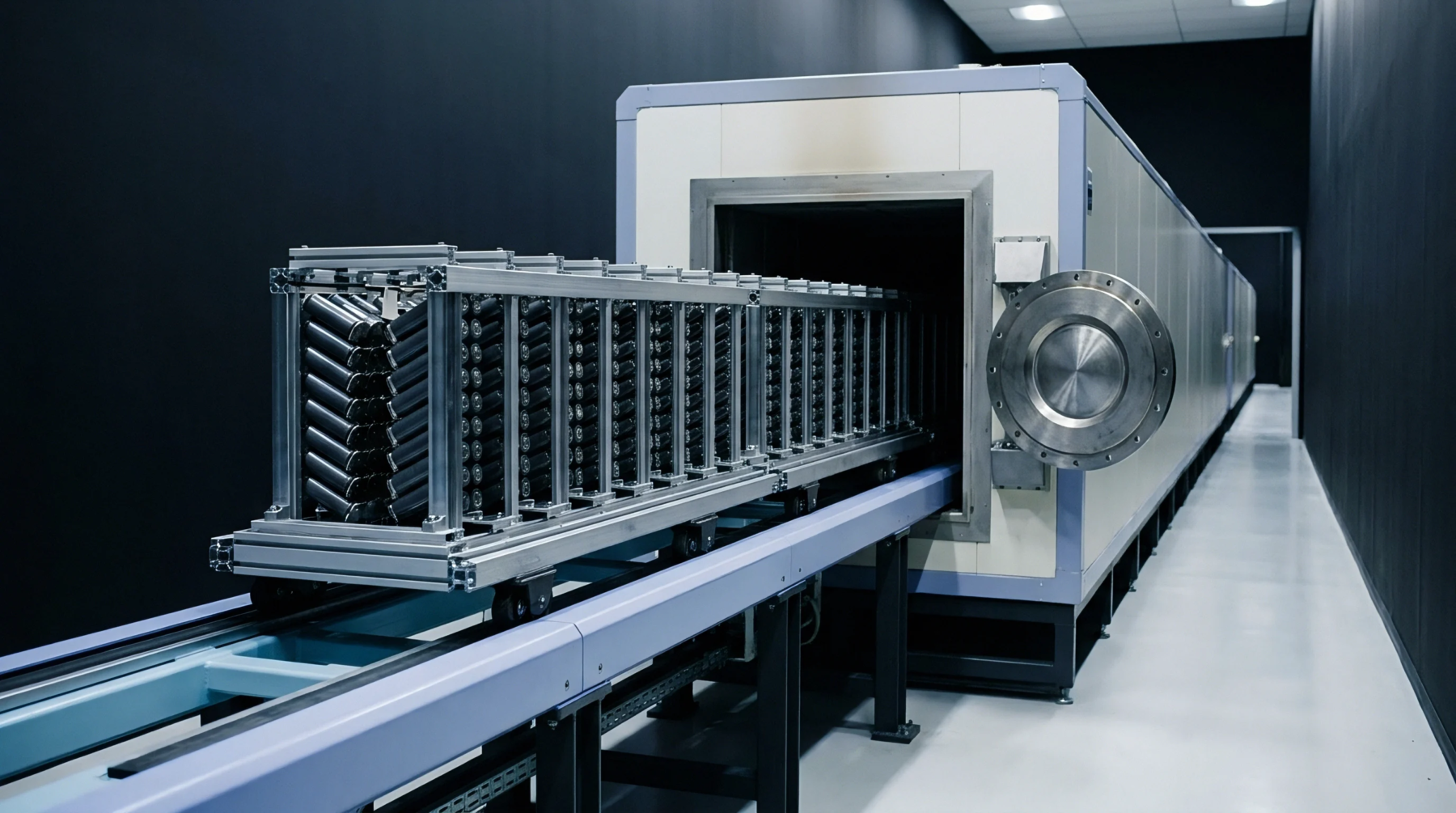
Quantifying capacity knee initiation requires tracking differential voltage peak shifts and post-charge relaxation kinetics under combined dynamic stresses.
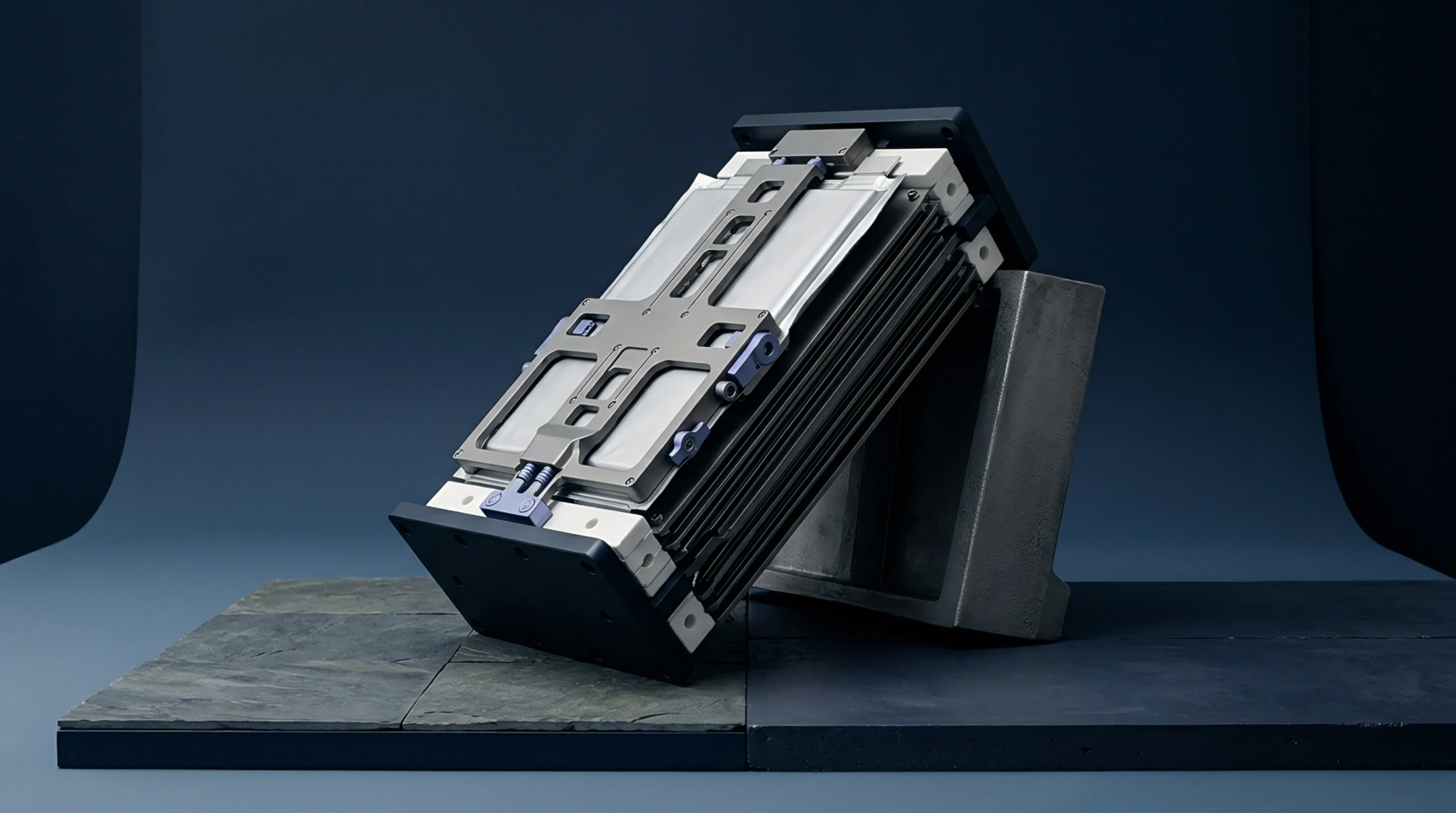
Commercial fleet cell sub-zero degradation claims require laboratory validation under dynamic thermal regimes to prevent premature capacity failure.

Sub-zero fast charging shifts anode kinetics from intercalation to metallic plating; controlling overpotential via pre-heating or step-down profiles prevents rapid cell failure.

Passivation kinetics dictate graphite anode capacity retention, requiring precise SoC transport caps and differential capacity screening to secure cell warranties.

Differential capacity analysis quantifies lithium inventory loss and active material isolation in prismatic LFP cells through C/50 peak voltage shift tracking.
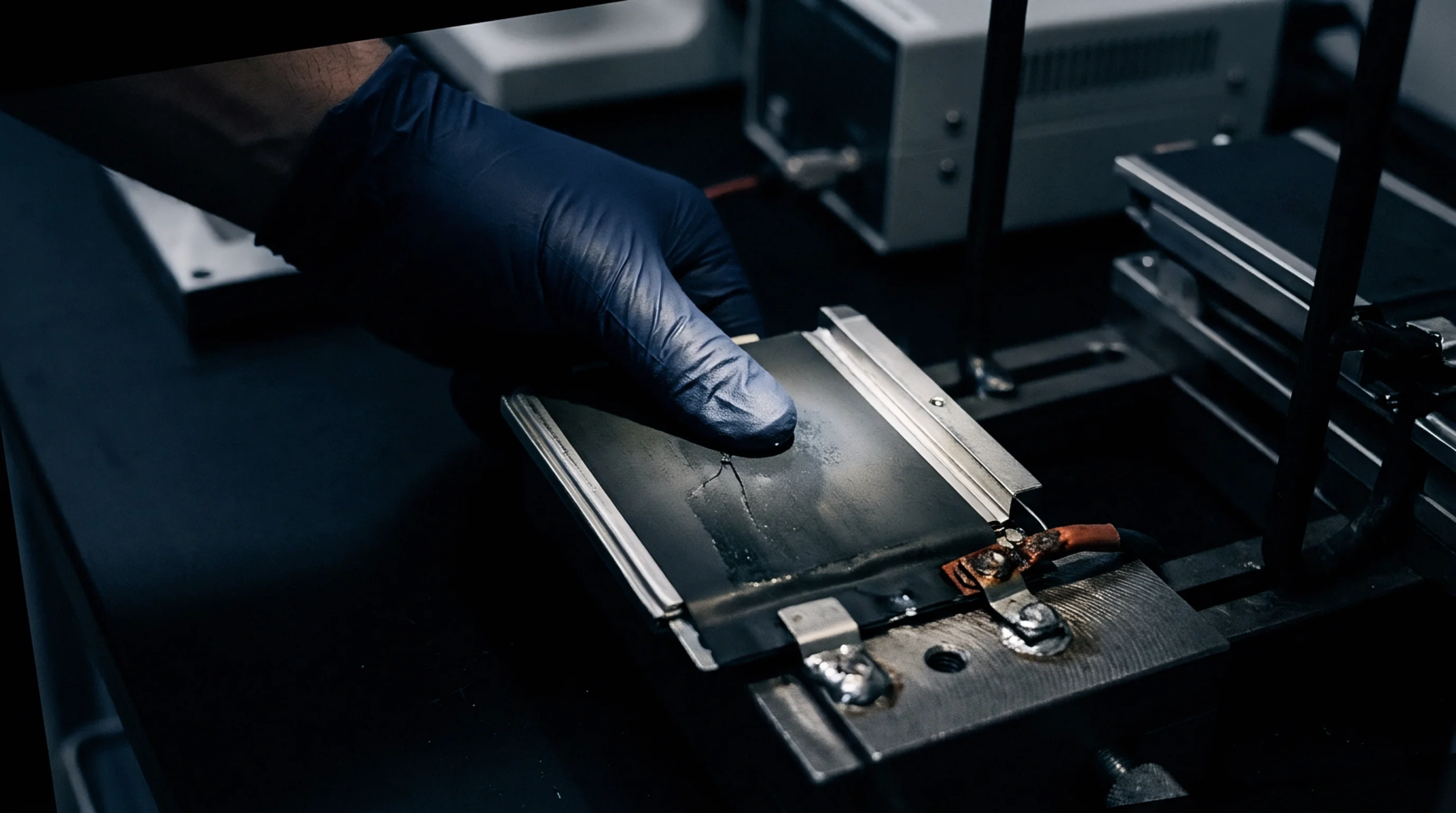
Spatial thermal gradients smearing dQ/dV curves break zero-dimensional degradation models, requiring localized thermal correction to isolate true active lithium loss.

Intra-cell thermal gradients skew differential capacity signals, masking true health states and invalidating supply contract warranty baselines.

High-voltage cathode operation drives surface oxygen loss and rock-salt phase layer growth, raising charge resistance and requiring strict surface coating audits.

Core-to-surface thermal gradients in prismatic cells drive localized plating and SEI growth, requiring 3D electro-thermal models to prevent early fade.
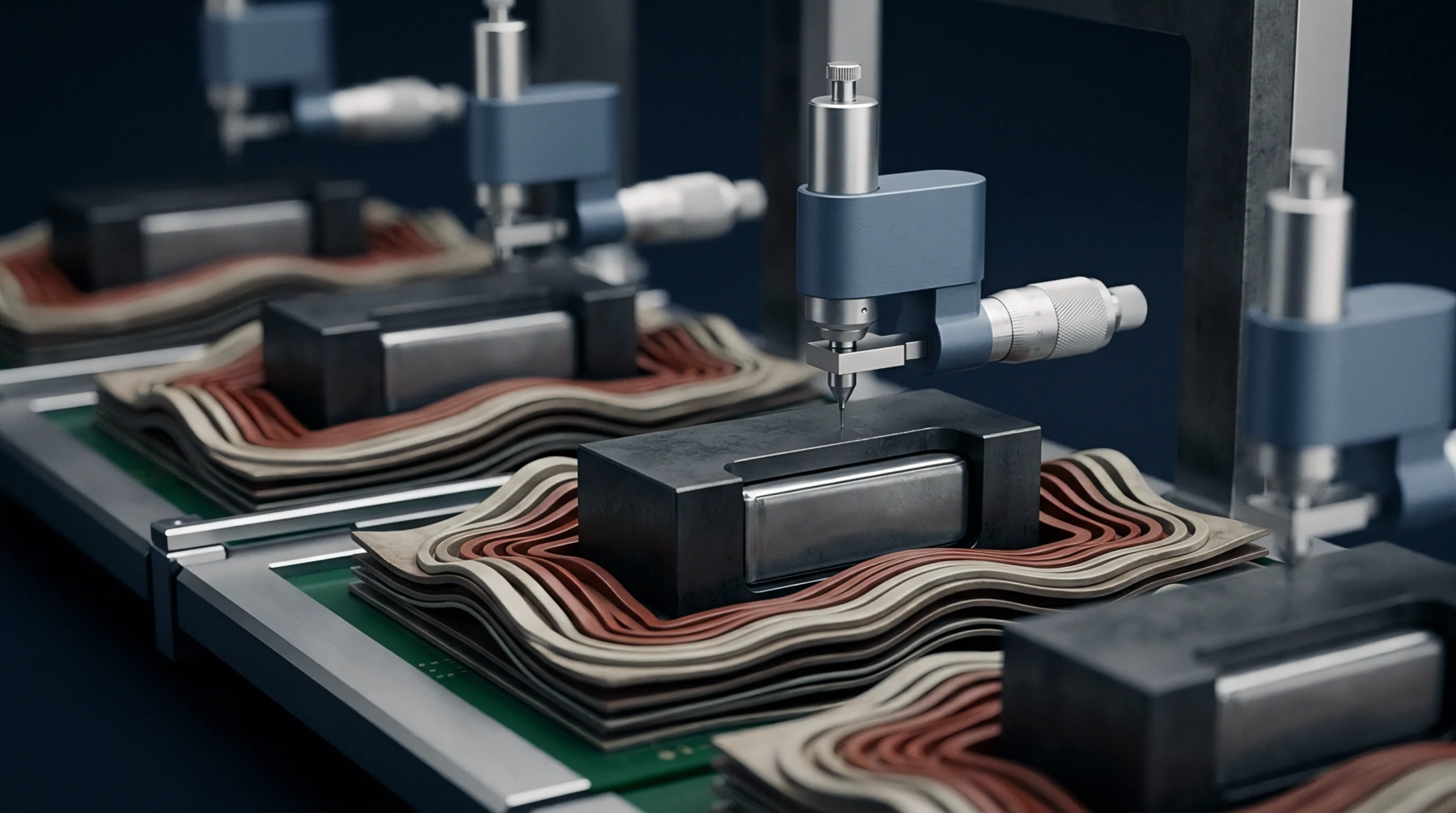
High silicon content lowers the local overpotential threshold for metallic lithium nucleation during fast charging through non-linear strain energy interactions.
Low-rate galvanostatic testing isolates lithium loss from material degradation, providing true chemical health metrics that standard factory checks mask.

Dynamic intra-cell thermal gradients generate thermoelectric voltage noise that masks lithium plating signals; decoupling algorithms isolate true stripping.

Calculated elastic strain energy penalties in graphite matrices raise nucleation barriers, suppressing destructive phase transitions during fast lithiation.

High-voltage cathode surface phase reconstruction converts layered lattices into resistive rock-salt layers, requiring surface doping and fluorinated electrolyte additives to secure long-term cell capacity and safety compliance.

Sub-zero fast charging shifts anode overpotential negative, forming non-reversible plated lithium that degrades cell capacity and demands strict BMS thermal thresholds.
Sub-zero charging forces graphite overpotential past zero volts, causing lithium plating that demands dynamic BMS C-rate derating to prevent rapid battery fade.

Hardware level microsecond timestamp synchronization eliminates false impedance spikes and secures compliant battery cell qualification data integrity.
Early lithium cell resistance rise stems from passive layer growth and cathode microcracking, shifting procurement risk to initial DCIR specifications.

LFP capacity fade originates from lithium inventory loss at the anode interface, requiring strict dockside screening and precise SOC calculation for freight compliance.

Sacrificial cathode additive kinetics dictate sodium cell formation time, gas volume, and interphase impedance, governing plant CapEx and landed cost per kWh.
Expertise is a utility, not a secret. sentiention™ publishes its working knowledge as open reference: intelligence layer covering the materials it sources, the markets it enters, and the reference that serves both.