
Full Cell Voltage Boundary Calibration to Prevent Crystalline Lithium Silicide Nucleation
Upper full cell voltage cutoff calibration limits local anode lithiation potential above 50 mV vs Li/Li+ to prevent crystalline silicon phase breakdown.
Upper full cell voltage cutoff calibration limits local anode lithiation potential above 50 mV vs Li/Li+ to prevent crystalline silicon phase breakdown.

Dynamic thermodynamic hysteresis mapping eliminates up to six percent state of charge error across flat voltage plateaus, protecting storage project revenue.

Decoupling thermal expansion from operando intercalation creep separates reversible lattice breathing from irreversible structural degradation across modules.

Dynamic fast-charge swelling pressure in structural cell-to-pack enclosures requires bounded preloads to suppress lithium plating without crushing separators.

Prismatic lithium cells demand calibrated 0.2 to 0.6 MPa compliant clamping to prevent active layer delamination while accommodating cyclic breathing over life.

Electrolyte additive selection requires matching sacrificial reduction potentials and scavenger kinetics to electrode chemistries to control interphase growth.

Automotive incoming cell acceptance requires four-wire Kelvin 1 kHz AC impedance screening combined with statistical Cpk thresholding at strict thermal equilibrium.

Sub-zero fast charging shifts anode overpotential negative, forming non-reversible plated lithium that degrades cell capacity and demands strict BMS thermal thresholds.

Core-to-surface thermal gradients in prismatic cells drive localized plating and SEI growth, requiring 3D electro-thermal models to prevent early fade.
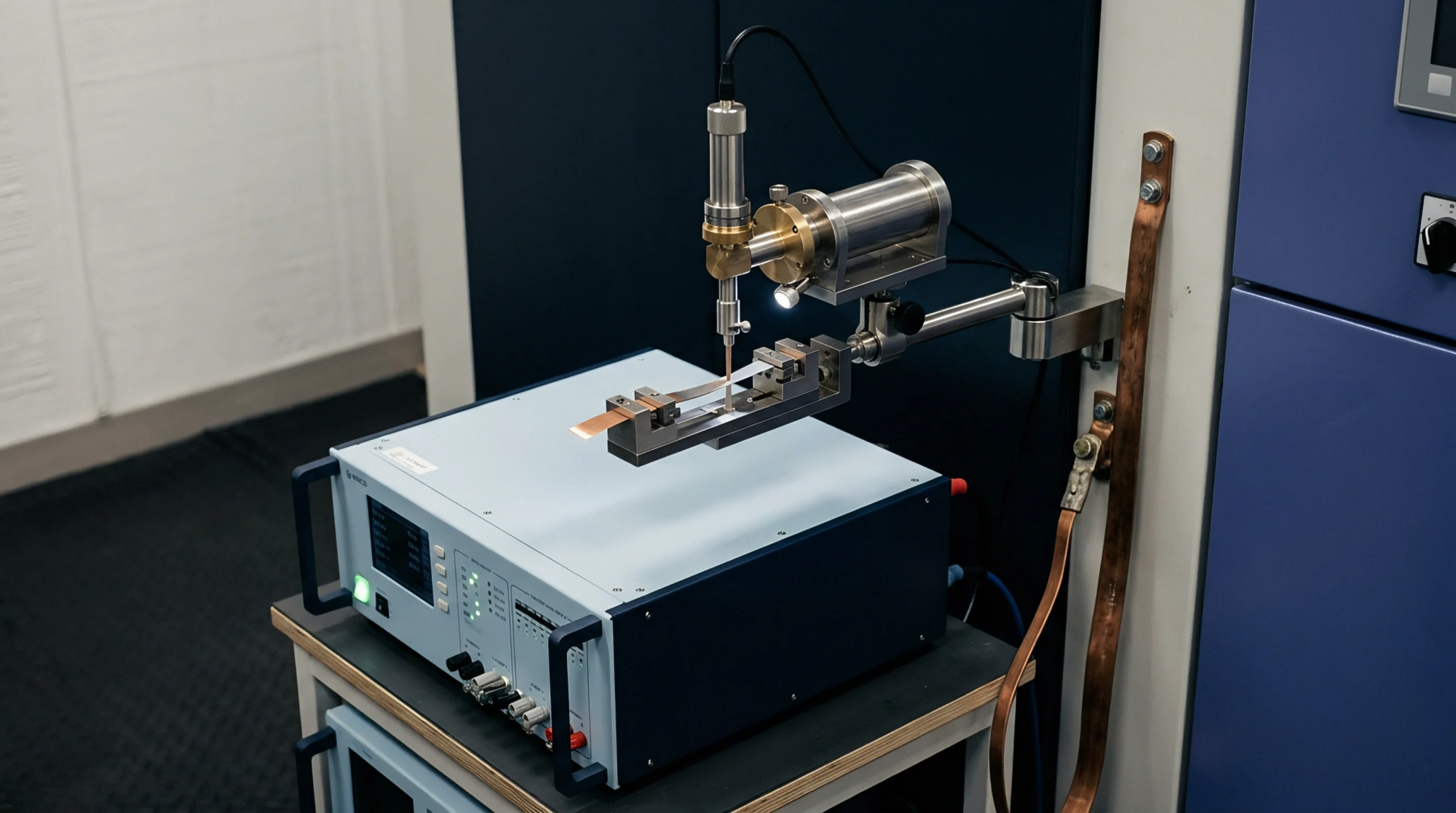
Optimal mechanical constraint extends lithium cell cycle life by suppressing electrode delamination while avoiding separator pore collapse and intergranular cathode fracture
Expertise is a utility, not a secret. sentiention™ publishes its working knowledge as open reference: intelligence layer covering the materials it sources, the markets it enters, and the reference that serves both.