
Planar Temperature Gradient Effects on Lithium Ion Battery Degradation
Planar temperature gradients drive localized current density imbalances, accelerating capacity fade and dictating explicit surface gradient thresholds in supply contracts.
Planar temperature gradients drive localized current density imbalances, accelerating capacity fade and dictating explicit surface gradient thresholds in supply contracts.
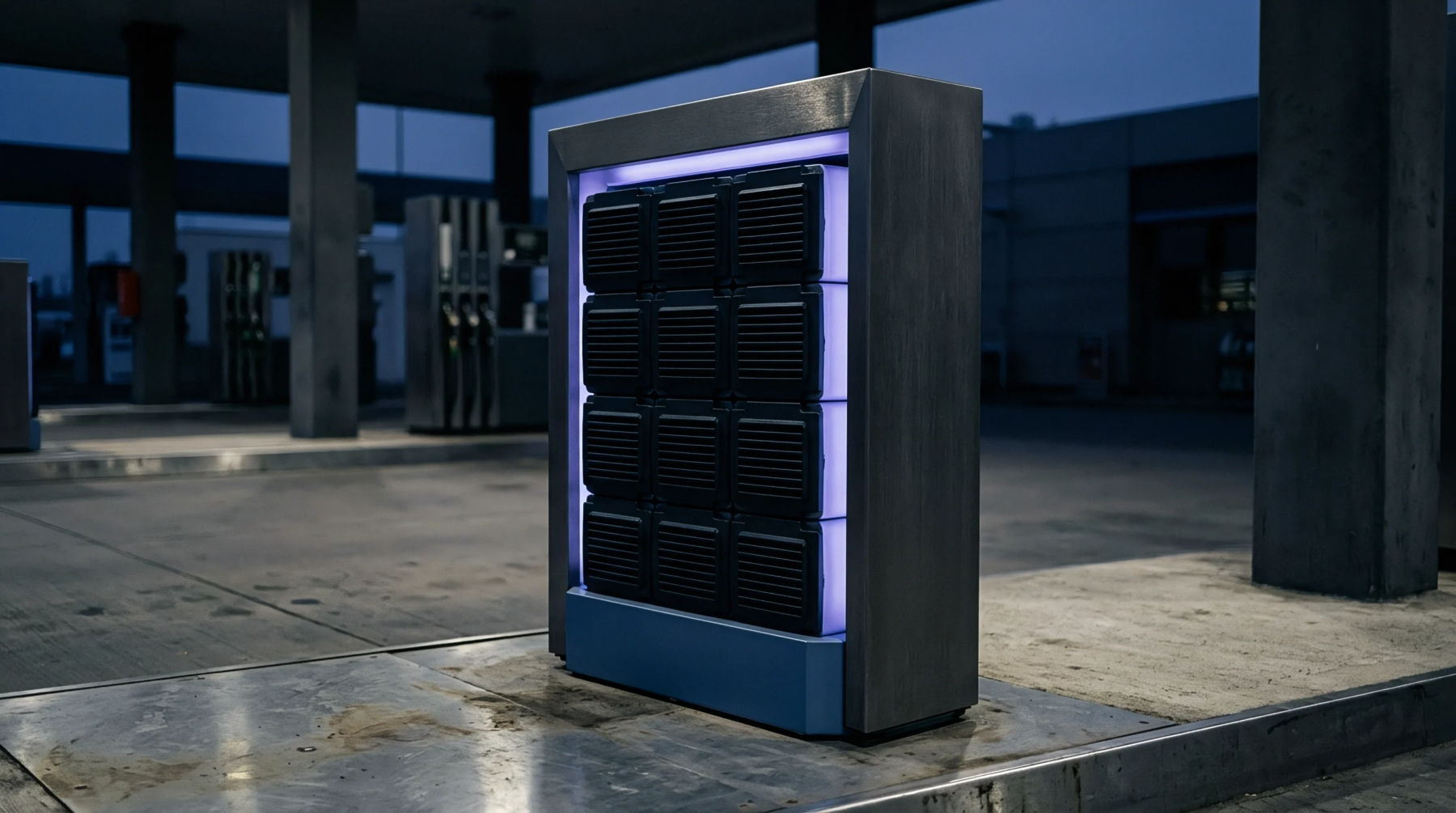
Quantifying post-charge voltage relaxation derivatives isolates active lithium re-intercalation rates to bound fast charging protocols and warranty liability.

Differential relaxation analysis extracts cell impedance kinetics from fast voltage relaxation curves, accelerating health diagnostics without costly frequency sweeps.

Onboard impedance spectra collected under active excitation detect low temperature kinetic degradation and metallic lithium plating before cell failure occurs.

Subzero insertion forces non-Fickian phase boundary stress and lattice microcracking, requiring dyn-overpotential cell qualification and strict pulse-rate limits.
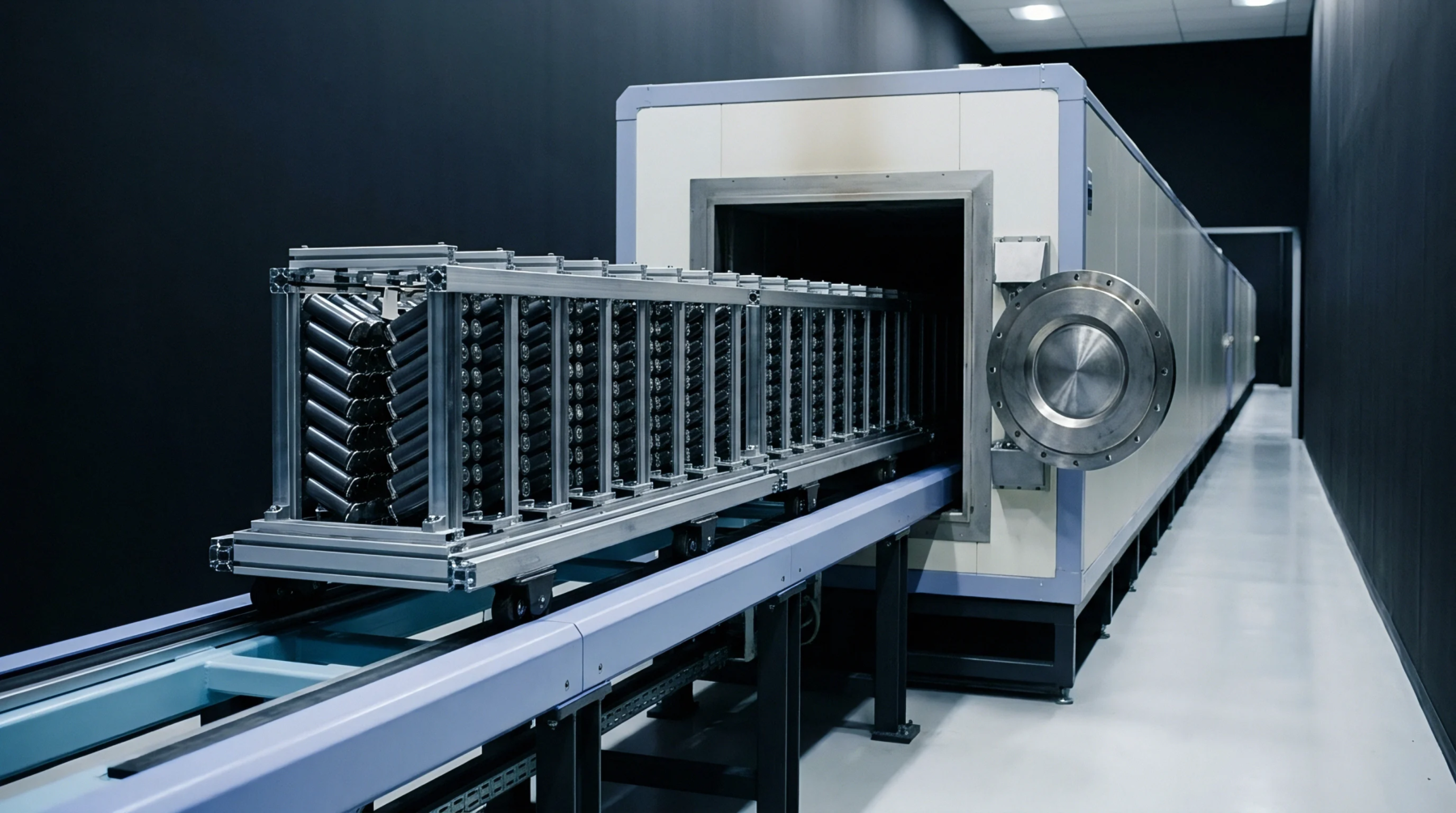
High-voltage anode cross talk suppression requires sacrificial cathode film-forming additives and metal scavengers to halt transition metal dissolution and interphase breakdown.
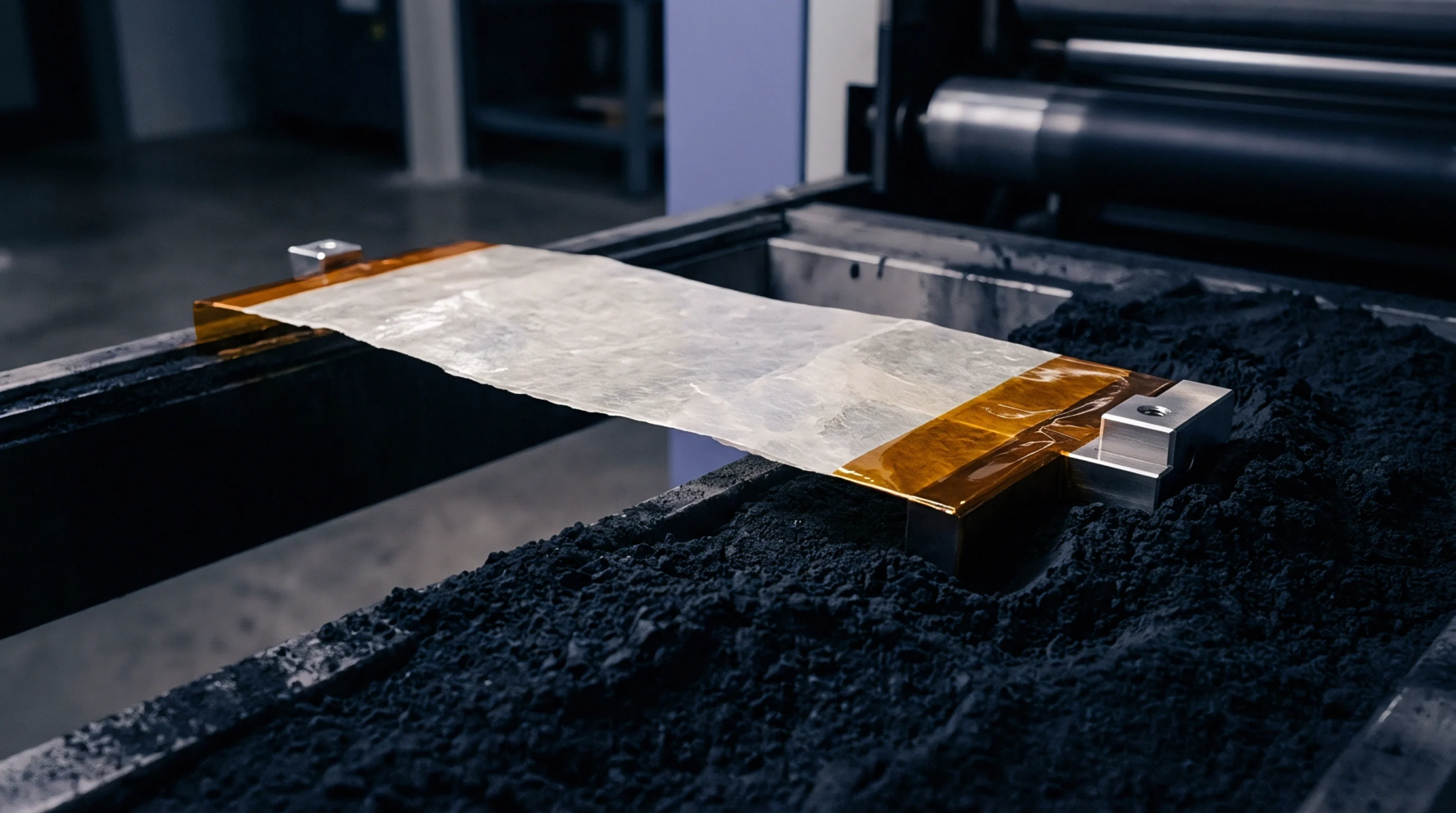
Subzero fast charging causes rapid lithium plating when solid-phase diffusion limits drive anode overpotential negative, requiring internal thermal pre-heating.

Engineering the primary solvation sheath with low-donor fluorinated solvents drops interfacial desolvation energy, preventing cold fast-charging lithium plating.

High-voltage cycling drives anisotropic c-axis lattice collapse in nickel-rich cathodes, propagating microcracks that multiply interfacial impedance.

Cathode interfacial contact resistance dictates high-rate thermal safety and lifecycle impedance growth in high-voltage cells exceeding 4.35 volts.

Operating nickel-rich cathodes above 4.35V accelerates c-axis collapse and rock-salt transformation, requiring capacity retention caps in supply contracts.

Atomic layer deposition integrity during high temperature storage depends on coating conformity, mitigating interdiffusion, HF attack, and capacity degradation.

Raising cathode upper cutoff voltage above 4.20V increases initial capacity but accelerates c-axis lattice collapse, microcracking, and transition metal dissolution.

Industrial subzero lithium electrolytes depend on low-viscosity ester co-solvents and LiFSI to bypass desolvation barriers and suppress lithium plating below minus twenty degrees Celsius.
Selecting low-viscosity fluorinated carbonate ester blends prevents lithium plating down to minus forty degrees Celsius while maintaining cell thermal safety.

Sub-zero cell sourcing demands LiFSI electrolyte verification, strict low-temp charge lockout rules, and factoring heater parasitics into landed kWh cost.

Validating battery dossiers requires auditing raw time-series test channels to expose window truncation, thermal masking, and smoothed structural degradation.

Non-linear capacity fade onset is quantified by tracking dQ/dV peak height decay and charge transfer impedance growth before kinetic rollover occurs.

Standard testing schedules isolate capacity retention by combining accelerated cycle and calendar aging with low-rate reference performance tests.

Continuous solid electrolyte layer growth consumes active lithium and increases impedance, demanding strict temperature and clamp pressure control to preserve life.

Ultra-fast charging above 4.35V drives localized anode salt depletion and cathode anion oxidation, accelerating lithium plating and reducing delivered cycle life.

Thermal variance across BESS racks shifts cell knee points early, requiring dQ/dV screening and continuous thermal logging to enforce supplier warranties.

Accelerated thermal cycling and overcharge stress drive exponential interphase growth, increasing cell charge-transfer resistance and thermal runaway risk.

Single crystal high-nickel cathodes resist intergranular cracking but develop intragranular planar slip and micro-voids above four point three five volts.

Verify cycle life claims by testing cells in rigid compression fixtures with precision coulombic efficiency tracking rather than unconstrained bench cycling.

Dynamic thermal gradients invalidate LTI assumptions during fast charging, driving online impedance observer drift and miscalculating lithium plating thresholds.
Expertise is a utility, not a secret. sentiention™ publishes its working knowledge as open reference: intelligence layer covering the materials it sources, the markets it enters, and the reference that serves both.