
Evaluating Electrochemical Degradation Mechanics in Sub Zero Battery Procurement
Sub-zero battery procurement requires matching electrolyte desolvation limits with strict non-plating charge cutoffs to protect landed cell life and warranties.
Sub-zero battery procurement requires matching electrolyte desolvation limits with strict non-plating charge cutoffs to protect landed cell life and warranties.
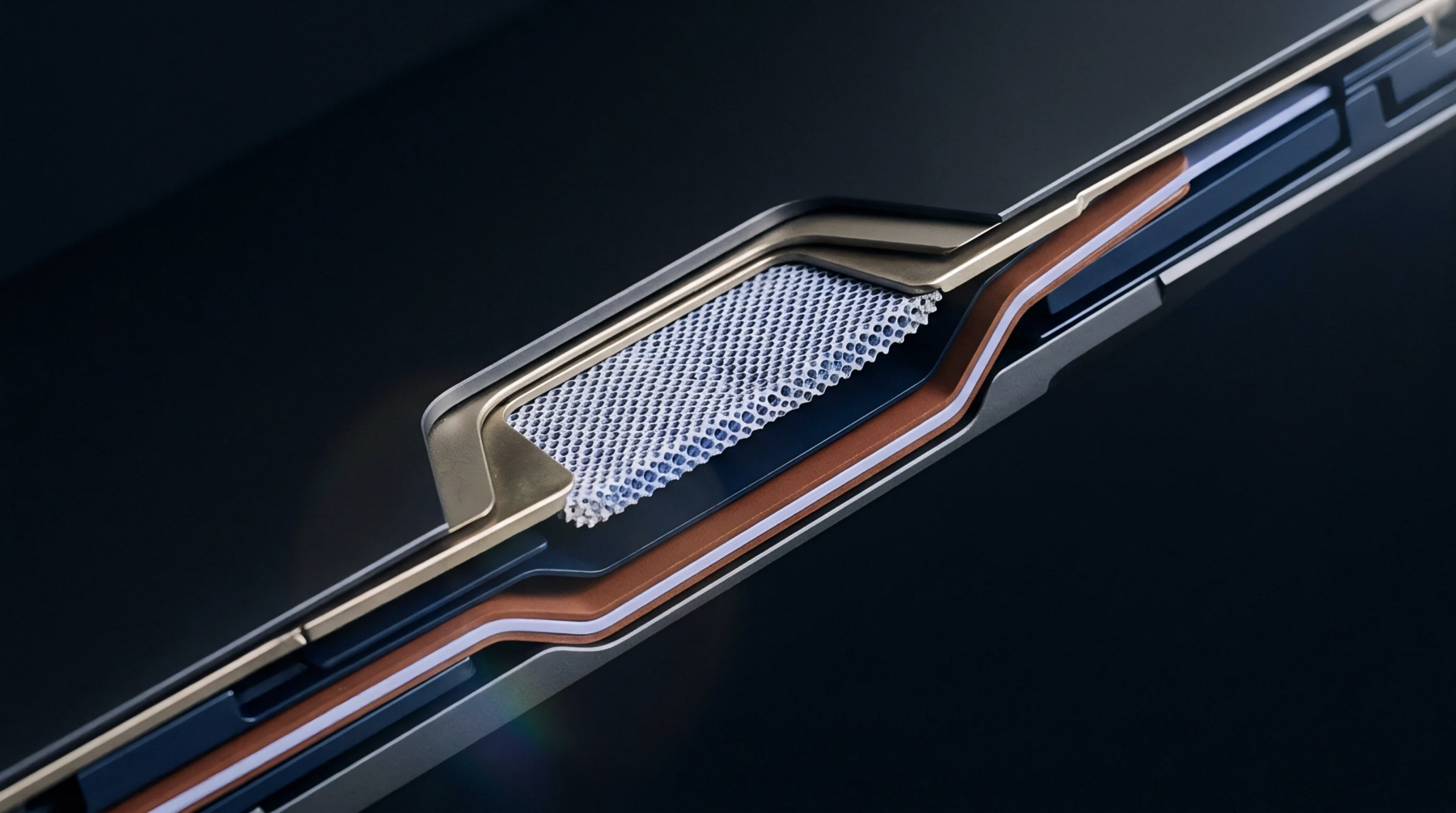
Deconvolution isolates activation, ohmic, and diffusion overpotentials, enabling exact boundary setting for fast charging without lithium plating risks.
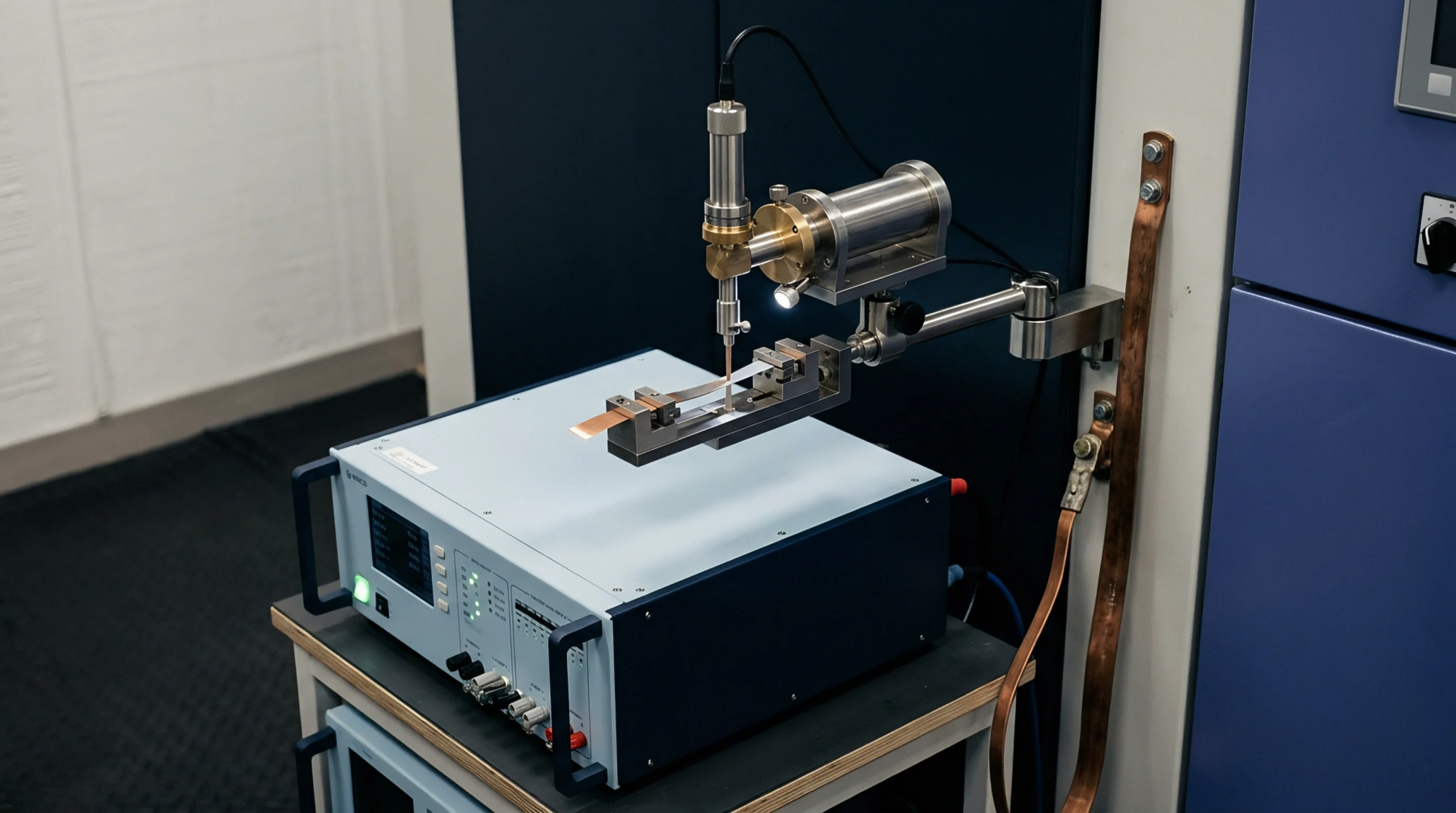
Automated test fixtures require active thermal compensation, continuous artifact calibration, and scheduled pogo pin renewal to maintain micro-ohm accuracy.

Correcting microscopic reference electrode drift requires diagnostic OCV relaxation alignment and graphite phase plateau offset calculations during life testing.

Local overpotential gradients drive localized anode plating in high-capacity prismatic cells, requiring edge-welded tab designs and precise voltage margins.

Subzero fast charging forces severe SEI fracture and lithium plating, creating internal short risks that invalidate standard UN 38.3 safety credentials.
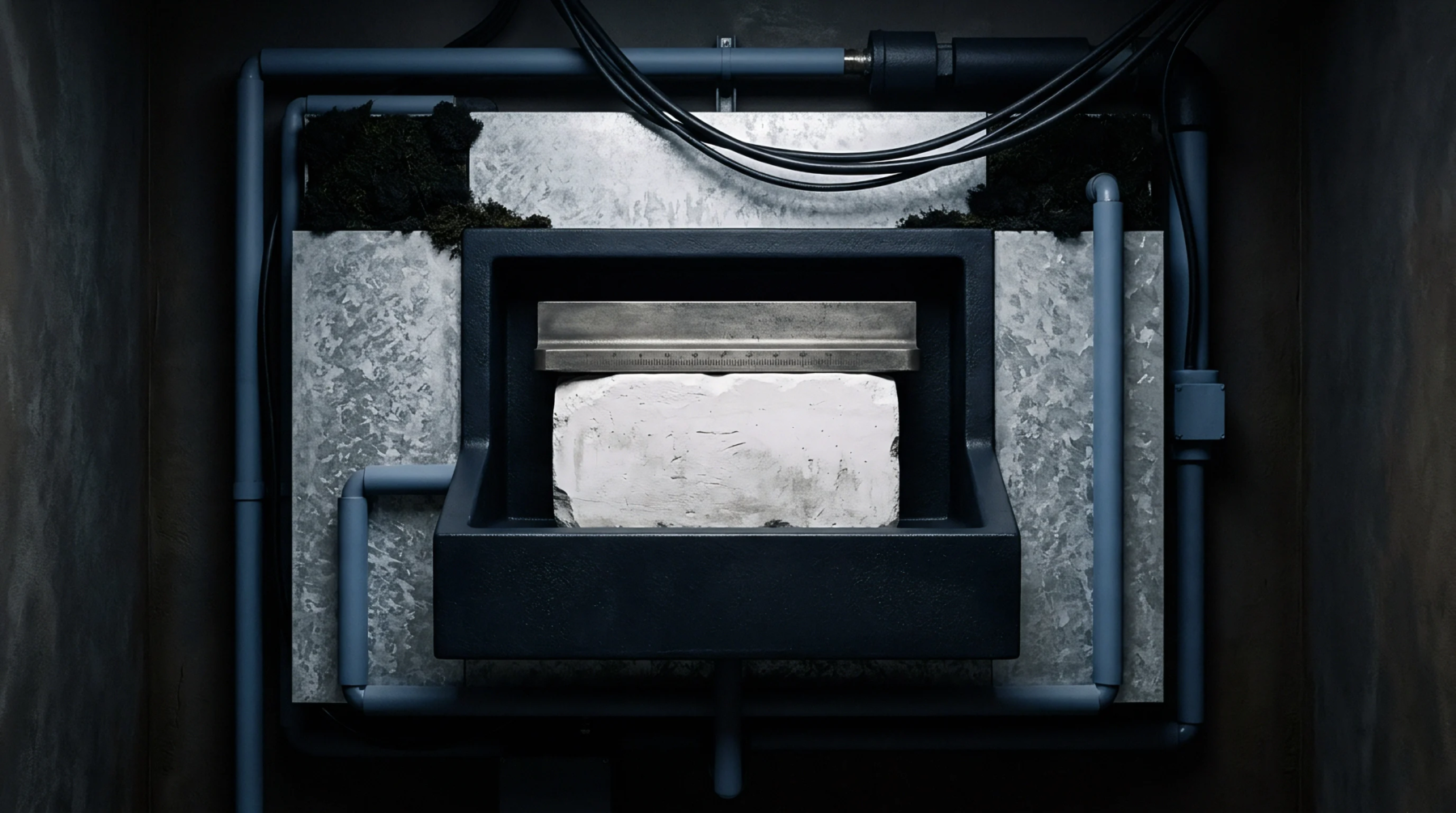
Controlled initial reductive decomposition forms a dual-layer interphase that blocks electron tunneling while enabling lithium transport and transport compliance.

Dynamic impedance matching and symmetrical busbar resistance prevent destructive circulating currents and accelerated capacity fade in parallel cell strings.

Transition metal dissolution at high voltages degrades anode interphases, demanding targeted lattice doping and analytical incoming batch audits to manage warranty risk.
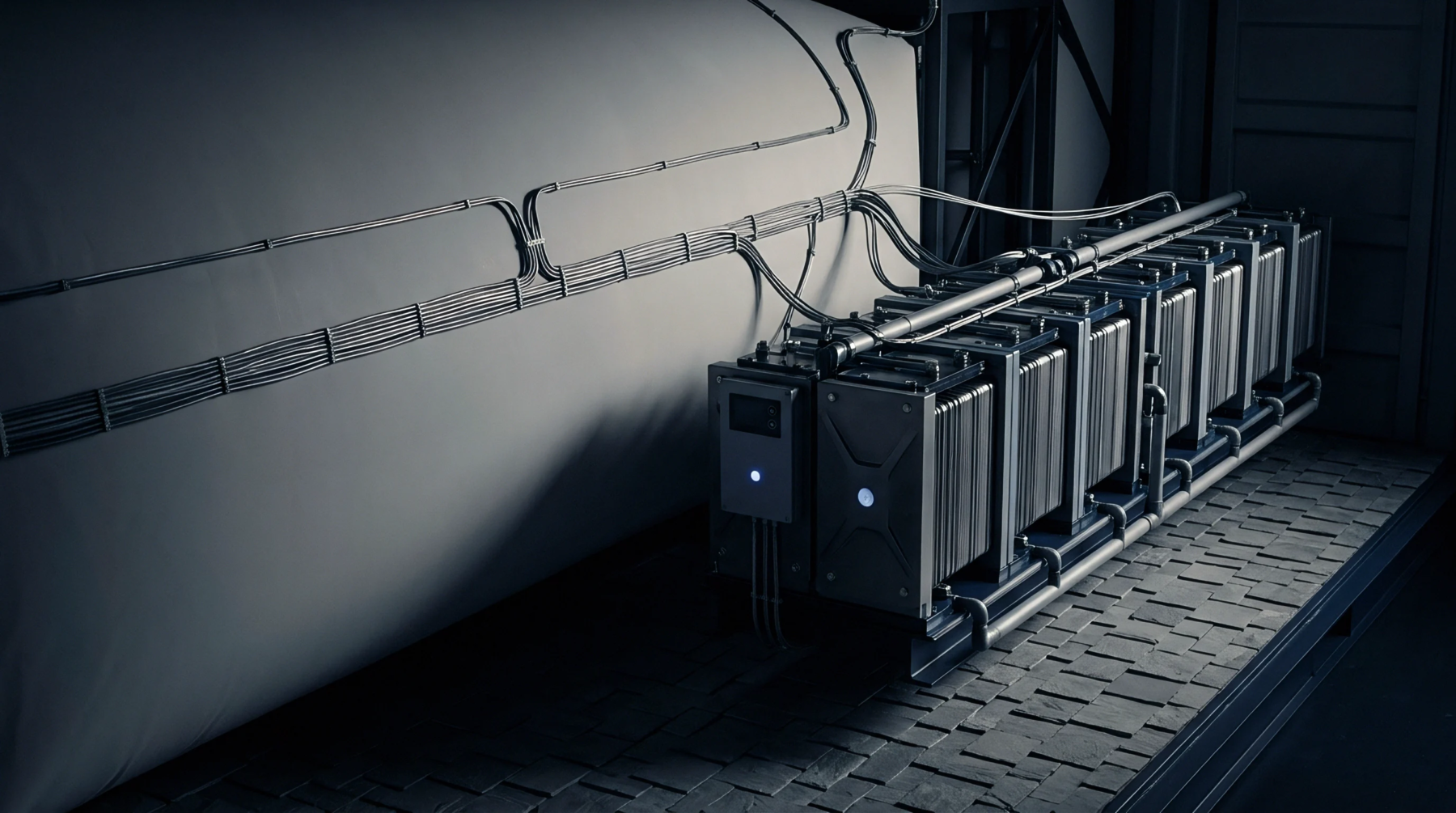
Sub-zero battery warranty claims require high-frequency relaxation telemetry and differential voltage analysis to isolate operational cold charging from manufacturing cell defects.

Dynamic fast charging below zero degrees requires real-time overpotential feedback control to prevent lithium plating and maintain safety certification validity.

Iron contamination in stored prismatic cells dissolves in acidic electrolyte and nucleates anode dendrites, requiring strict K-value screening to prevent micro-shorts.

Early cycle analytics fail to predict nonlinear battery degradation knees when sacrificial additives mask microstructural stress accumulation.

Subzero charge drives graphite surface potential below 0V vs Li/Li+, causing metallic lithium plating that demands temperature-compensated derating.

Intermittent thermal preconditioning failures cause irreversible low-temperature lithium plating, accelerating capacity loss and transferring asset liability.

Calendar capacity loss diagnostic separation isolates reversible lithium inventory depletion from permanent host lattice destruction to settle battery warranty liabilities.

Quantifying ocean freight cell degradation requires tracking container micro-climates, modeling SEI growth, and enforcing baseline delta contract limits.

Electrolyte additive selection requires matching sacrificial reduction potentials and scavenger kinetics to electrode chemistries to control interphase growth.

Standardized cold weather thermal protocols prevent subzero lithium plating by aligning chamber soak times, charge derating, and impedance verification.

Verifying cycle life requires auditing raw time-series logs against physical test conditions rather than relying on datasheet retention curves.

High voltage thermal cycling accelerates electrolyte salt depletion and interphase resistance growth, requiring combined spectroscopic and mass transport verification.

Automotive incoming cell acceptance requires four-wire Kelvin 1 kHz AC impedance screening combined with statistical Cpk thresholding at strict thermal equilibrium.

Phase boundary kinetics and entropic hysteresis demand multi-temperature voltage relaxation holds in qualification workflows to prevent severe SOC and warranty errors.

Operando three-electrode metrology isolates desolvation energy barriers from charge transfer kinetics, defining true lithium plating overpotential limits.

Sub-zero fast charging accelerates graphite anode overpotential past 0 V vs Li/Li+, triggering metallic lithium plating that demands active pre-heating.
Recycled precursor microstrain drives severe intergranular cathode cracking, requiring XRD strain screening below 0.08 percent to prevent early cell failure.
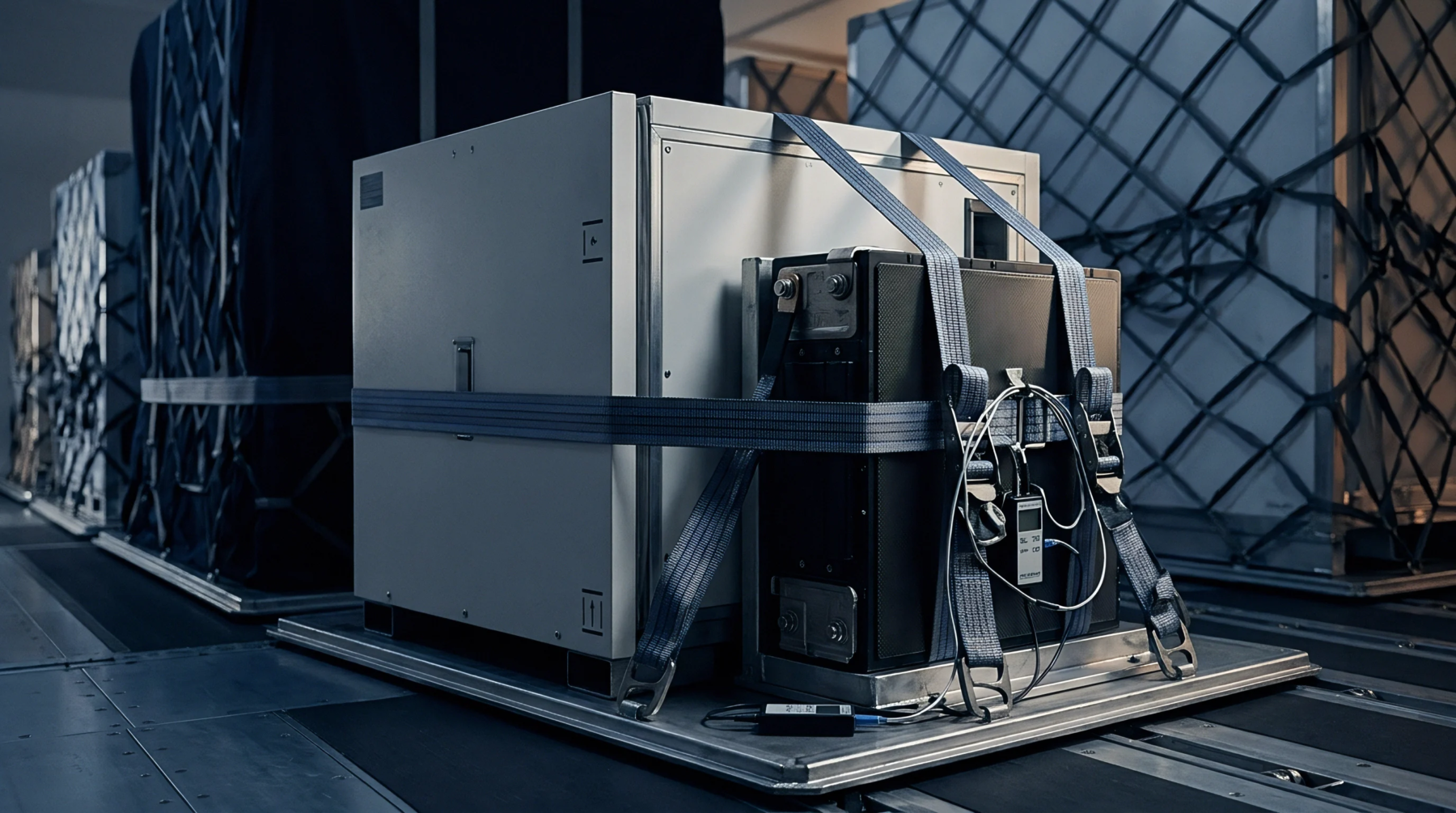
Cell screening protocols isolate thermodynamic voltage hysteresis from active capacity deficits to defend contract compliance and warranty reserve calculations.

Low temperature battery testing requires rigorous cold soak protocols, four-wire Kelvin sensing, and impedance analysis to ground supplier performance claims.
Non-linear capacity knees occur when mass transport limits force anode overpotentials below zero volts, triggering metallic lithium plating and pore clogging.

High-nickel cell passivation growth follows diffusion-limited kinetics driven by cathode lattice oxygen loss and transition metal dissolution cross-talk.
Expertise is a utility, not a secret. sentiention™ publishes its working knowledge as open reference: intelligence layer covering the materials it sources, the markets it enters, and the reference that serves both.