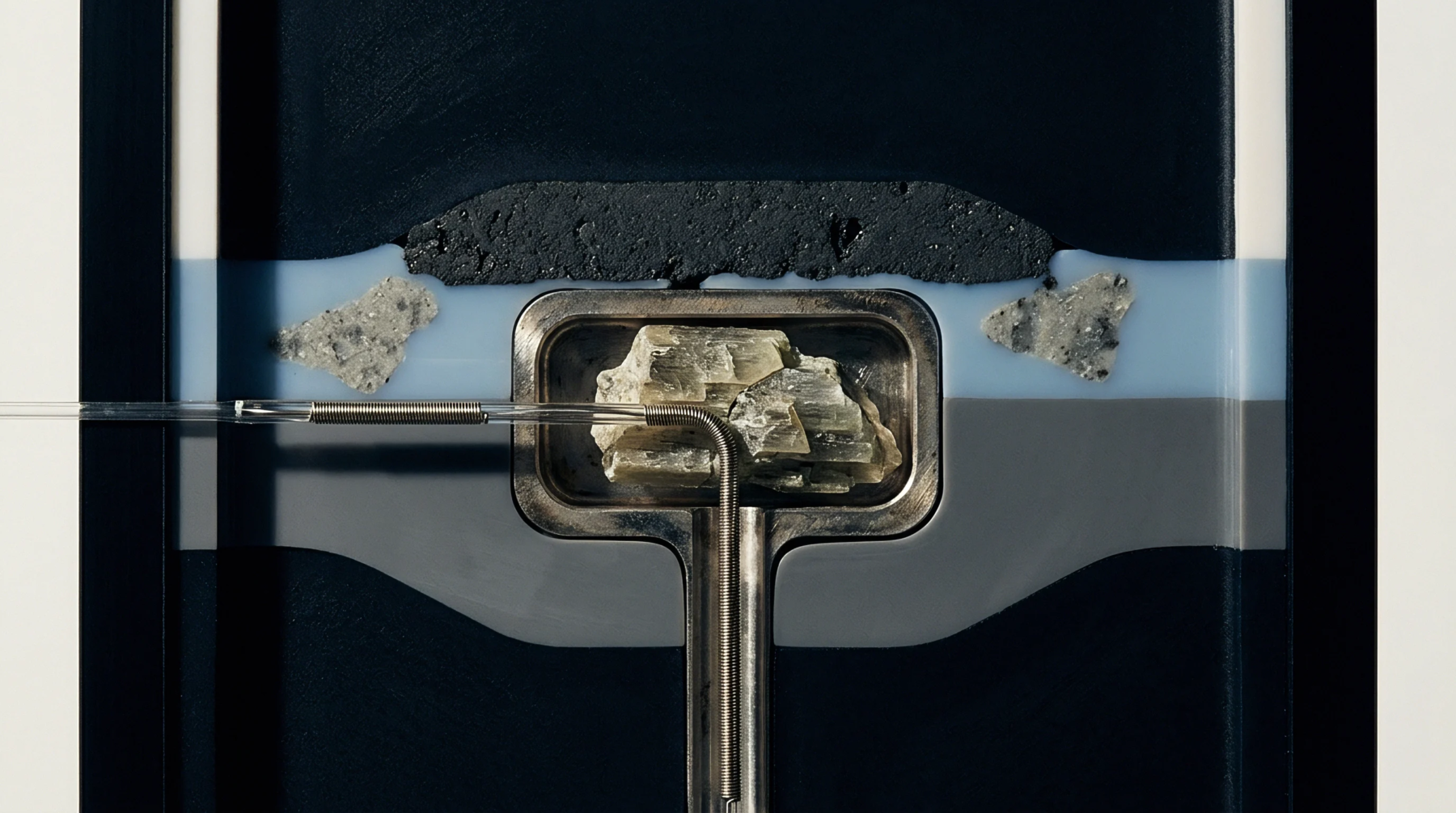
Real Time Closed Loop Potential Control to Suppress Crystalline Silicide Formation
Dynamic anode potential clamping above 50 mV versus Li/Li+ prevents crystalline silicide nucleation and quadruples fast-charge cycle life in high silicon cells
Dynamic anode potential clamping above 50 mV versus Li/Li+ prevents crystalline silicide nucleation and quadruples fast-charge cycle life in high silicon cells

Maintaining lithiated silicon anodes in an amorphous state by operating above 50 mV versus Li/Li+ suppresses catastrophic Li15Si4 crystallization and extends cycle life.
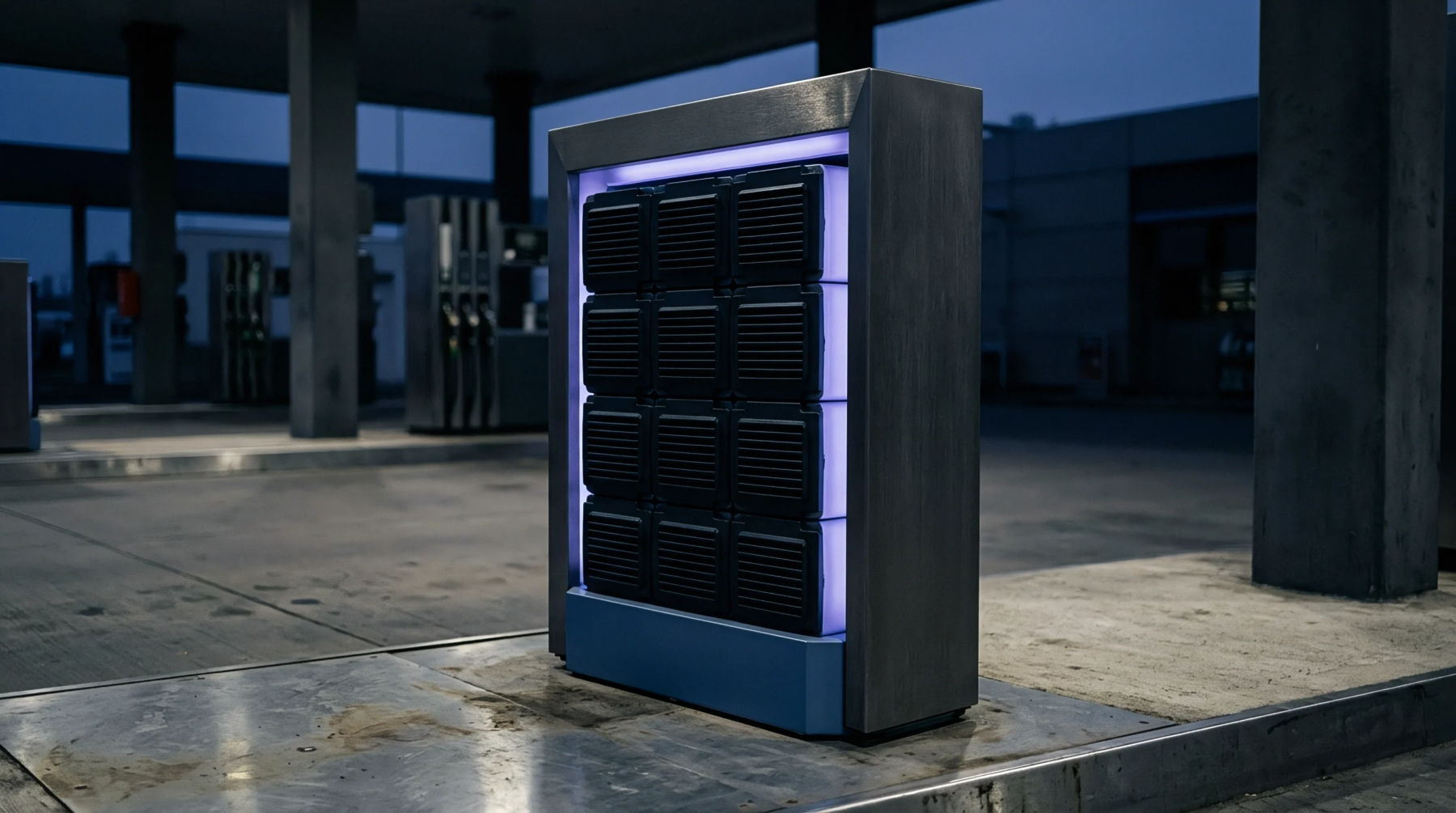
Hardware distributed clock synchronization via IEEE 1588 PTP eliminates sub-millisecond phase skew to prevent false capacity fade and warranty disputes.

Static stack pressures above three megapascals prevent solid-state interfacial voiding during high C-rate stripping at ambient temperatures.

Tuning cell lower cutoff voltage above the crystalline phase transformation potential suppresses silicon pulverization, dramatically expanding cycle longevity.

Quantifying structural relaxation decay rates in single crystal high-nickel cathodes defines overpotential decay and surface reconstruction to bound calendar life.
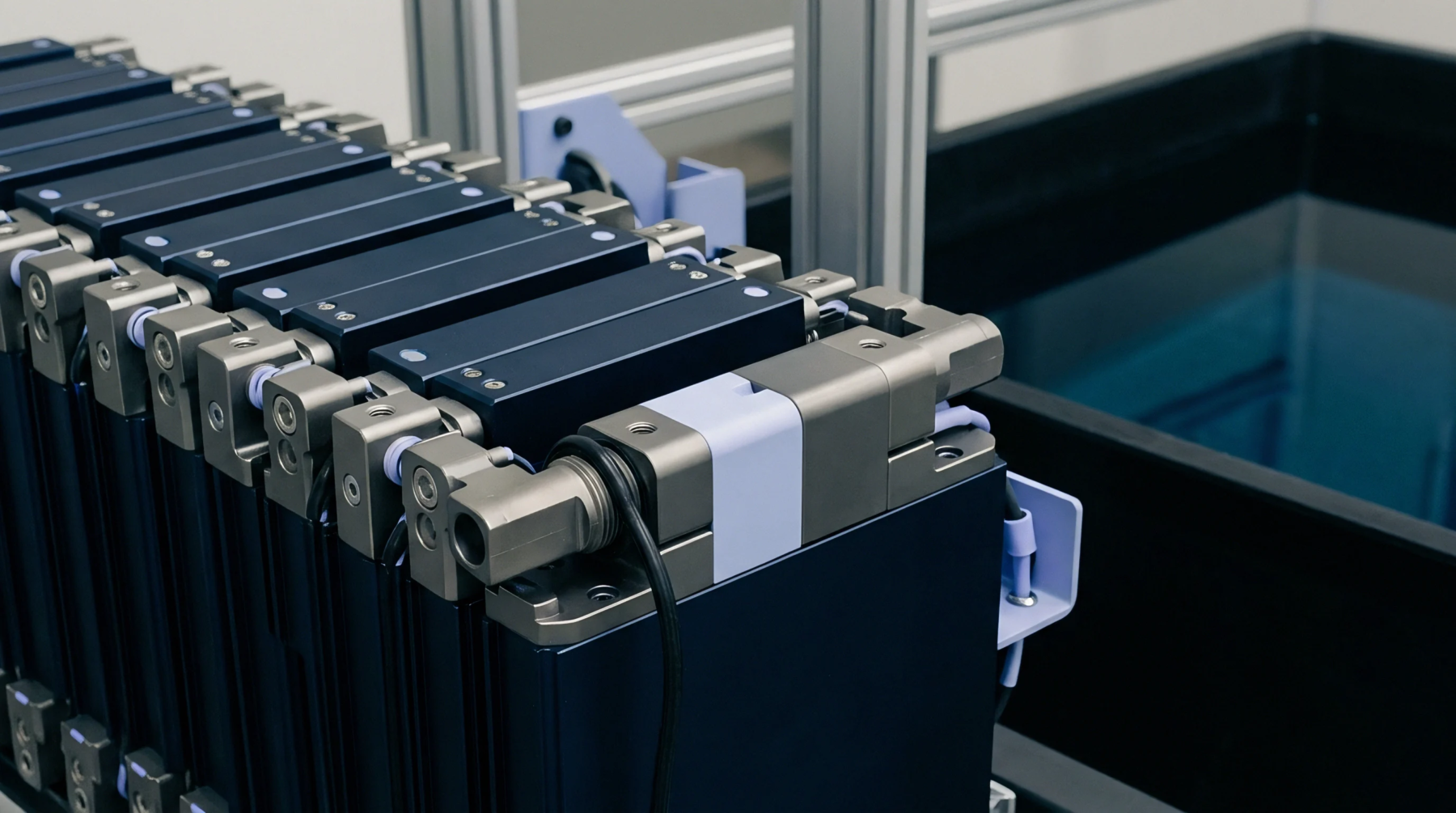
EtherCAT Distributed Clocks compensate hardware line delay to under 100 nanoseconds, preserving phase accuracy in high-frequency battery impedance tests.

Isothermal microcalorimetry and differential voltage analysis decouple cathodic solvent oxidation from anodic interphase breakdown during elevated thermal storage.

Uncompensated wiring inductance in multi-channel EIS cabinets causes severe phase distortion, skewing low-impedance battery cell parameter extraction.

Decoupling bulk diffusion from interfacial degradation requires low-frequency relaxation spectroscopy paired with dynamic stack pressure control.

High current density presodiation accelerates organic electrolyte reduction, driving rapid SEI growth and localized gas entrapment that destabilize anode interfaces.

Sacrificial additives form inorganic-rich interphases that stabilize film resistance and double sodium-ion cell cycle life when additive consumption kinetics are controlled.

Sacrificial preloading offsets hard carbon initial coulombic efficiency losses to elevate sodium ion cell energy density above 150 Wh/kg.
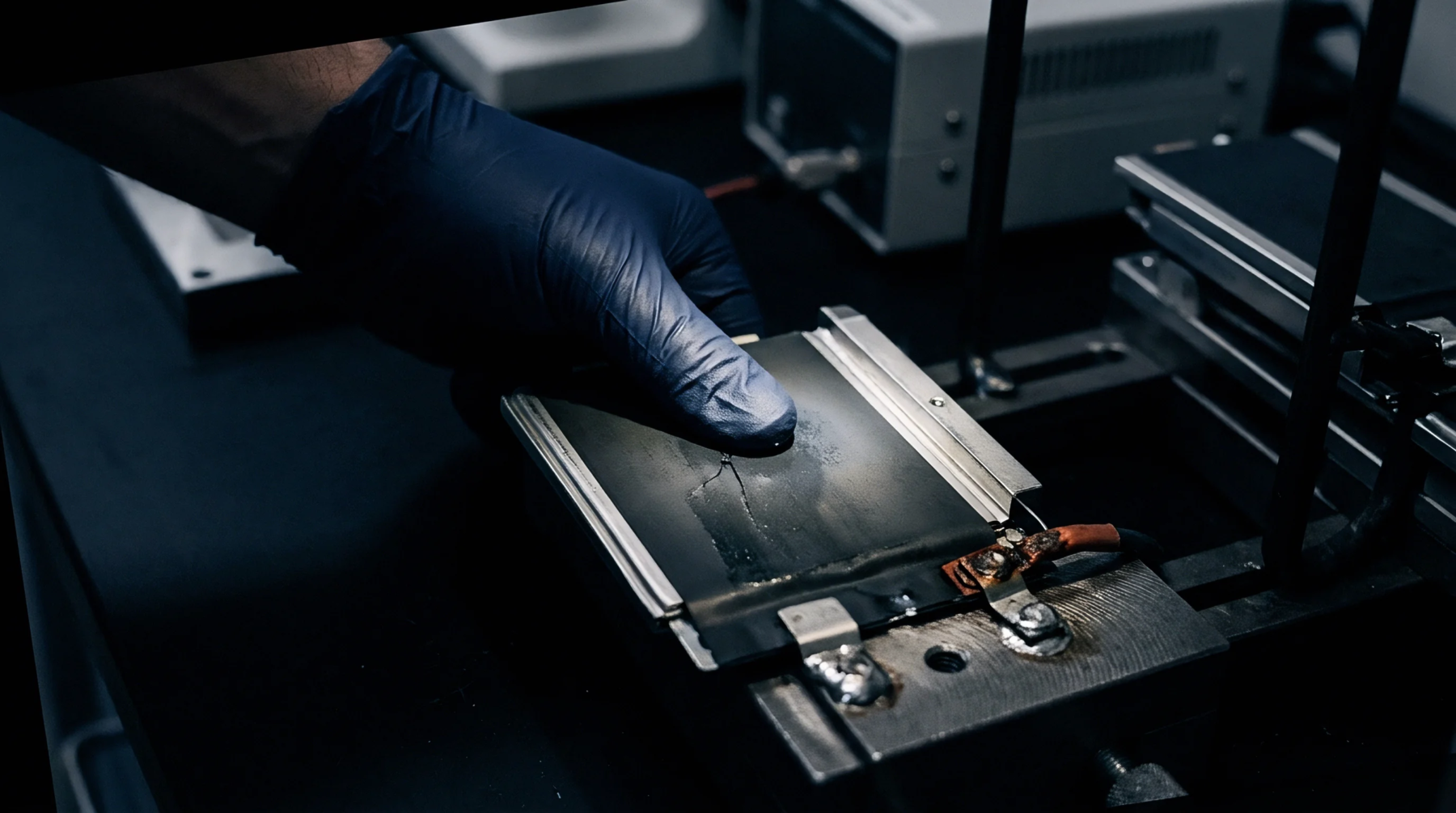
Micro reference alignment in pouch cells requires sub-ten-micrometer positioning and hermetic feedthrough sealing to prevent geometric ohmic drop artifacts.

Controlled formation pressure and vacuum degassing profiles prevent interfacial gas trapping, optimizing cell yield and cycle life in sodium layered oxide pouch cells.

Subzero solid-state intercalation demands strict charging derating below critical current density thresholds to prevent interfacial voiding and dendrite growth.

Maintain stack pressure between 2.0 and 5.0 MPa using engineered spring compliance to prevent void formation and counteract long-term viscoelastic relaxation.

Commercial procurement contracts shift cold plating risks to buyers unless agreements mandate continuous telemetry logging and clear forensic teardown criteria.

Stack pressure above 1.0 MPa retards outer SEI cracking in silicon alloy anodes but accelerates lithium plating at high charge rates.

High voltage operation drives cathode transition metal dissolution, poisoning the anode interphase and forcing strict post-mortem testing in supply contracts.

Enforce continuous cold-chain logging and dockside dQ/dV diagnostic screening to reject thermally degraded imported cathode shipments before customs duty payment.
Alloying silicon with germanium accelerates interfacial lithium transport and buffers mechanical expansion, requiring cell-format specific stack compression boundaries.
Elevated temperature storage accelerates lithium iron phosphate degradation via continuous interphase growth, iron leaching, and solvent gassing.

Uncompensated electrolyte resistance inflates measured overpotentials during fast charging, causing premature cutoff truncation and masked lithium plating.
Standardized electrochemical impedance baselines require calibrated 0.8 MPa stack pressure, 5 mV AC amplitude, and 4 hour OCV thermal rest windows.

Correcting high frequency phase shift artifacts isolates true reference electrode potentials and prevents false rejection of commercial battery cell batches.
Correct reference electrode alignment along equipotential lines prevents geometric phase distortion in battery impedance spectroscopy.

Temperature dependent distribution of relaxation times deconvolutes overlapping interfacial transfer and SEI migration, identifying low-temperature charge limits.

Sub-zero lithium plating initiates when anode overpotential drops below 0V vs Li/Li+, requiring real-time dV/dt or strain sensing to avoid fast failure.

Sub-zero charging forces anode overpotential below zero volts, causing lithium plating that dissipates via chemical re-intercalation only during enforced rest periods.
Expertise is a utility, not a secret. sentiention™ publishes its working knowledge as open reference: intelligence layer covering the materials it sources, the markets it enters, and the reference that serves both.