Meaning
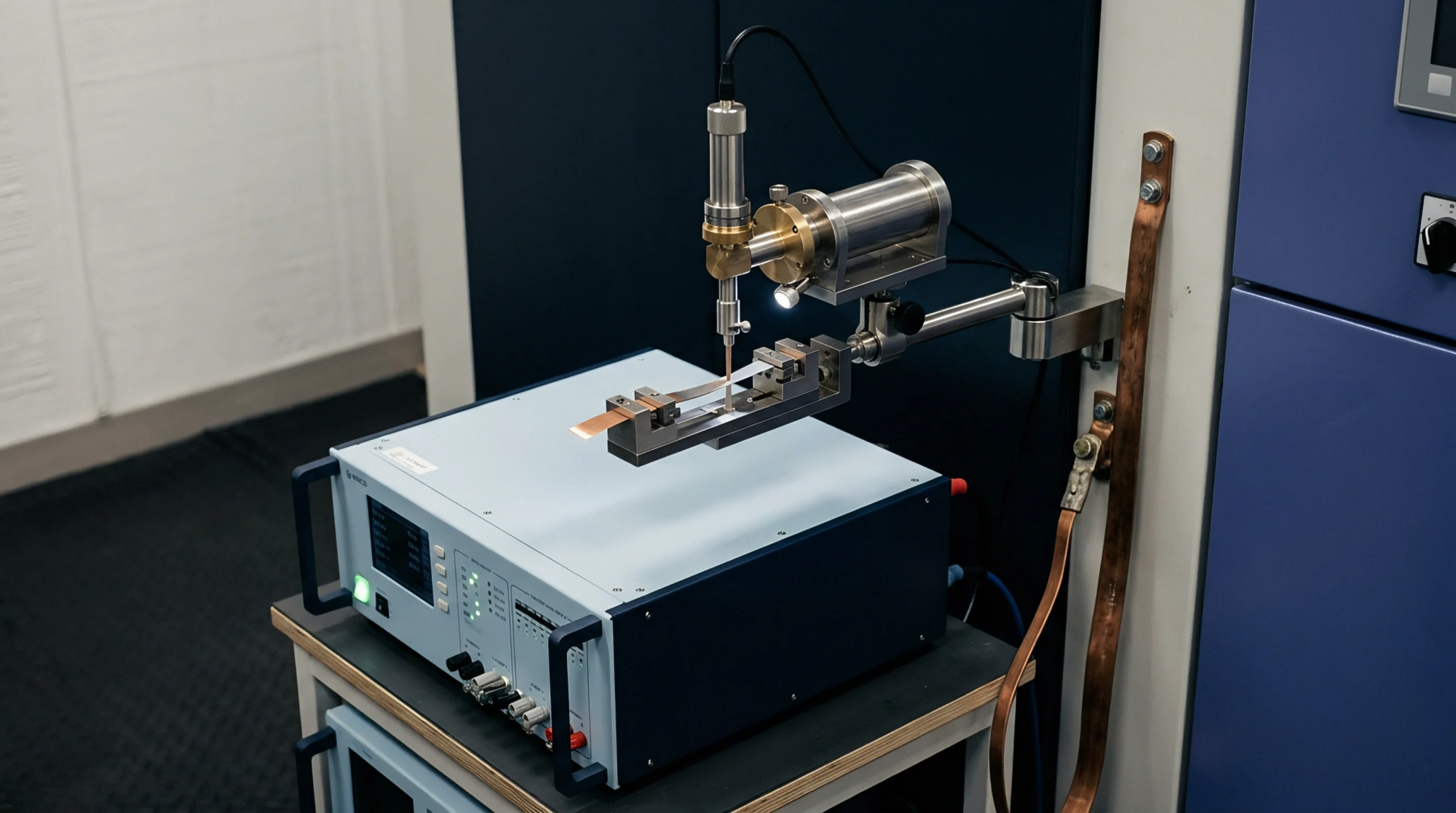
Mandatory safety procedure assessing the ability of a primary or secondary cell to withstand mechanical abuse through the application of a crushing force. Performing the impact crush t.6 test involves placing a sample cell on a flat surface and subjecting it to a specific weight dropped from a designated height or a slow-speed hydraulic press. This test measures the resistance of the internal components to a sudden physical deformation that could lead to an internal short circuit.
It governs the safety certification required for the international shipping of lithium batteries under the manual of tests and criteria. The procedure ends when the cell has been observed for a set period after the impact without showing signs of fire, disassembly, or venting.
Regulatory Standard
Global transportation rules mandate that all lithium cells must pass a series of environmental and mechanical evaluations before they can be legally transported. The impact crush t.6 test specifically targets the risk of an internal short caused by a collision or a crushing event during handling. This requirement applies to both small consumer cells and larger prismatic units used in industrial applications.
Samples are tested at a state of charge that represents their most hazardous condition, typically fully charged for secondary cells. Passing this test is a prerequisite for receiving the un 38.3 certification that allows for air and sea freight.
Failure Condition
Observation of the cell following the crushing event focuses on identifying any exothermic reactions or structural ruptures. If the temperature of the cell remains below a specific threshold and no flames are visible, the sample is considered to have passed. However, if the impact causes the separator to fail and leads to a thermal runaway, the design must be modified.
This failure often stems from the sharp edges of the electrode foils penetrating the plastic membrane under the pressure of the crush bar. Engineers use the results to improve the mechanical strength of the cell casing and the internal stack architecture.
Testing Procedure
Execution of the test requires a precise setup where a steel bar is positioned across the center of the cell. A mass of several kilograms is then dropped onto the bar to create a localized indentation. For larger cells, a hydraulic ram might be used to apply a force that slowly increases until it reaches a defined peak or the cell voltage drops suddenly.
The orientation of the cell is specified to ensure that the most vulnerable areas are exposed to the impact. This standardized approach ensures that different laboratories produce comparable results for the same battery designs. Reliability of the test data is essential for the safety of the logistics chain.