
Inorganic Ash Limit Verification and Electrochemical Impact in Sodium Cells
Inorganic ash limits above 200 ppm in hard carbon anodes accelerate sodium cell capacity fade and reduce initial coulombic efficiency below acceptable thresholds.
Inorganic ash limits above 200 ppm in hard carbon anodes accelerate sodium cell capacity fade and reduce initial coulombic efficiency below acceptable thresholds.

Electrochemical screening of manganese substituted LFP cells requires dQ dV peak separation and 45C K-value tracking to isolate manganese dissolution before pack build.

Lithium iron phosphate open circuit voltage mapping requires multi-hour relaxation and high-precision voltage sensing to resolve flat plateau hysteresis.

Olivine cell phase transitions generate flat voltage envelopes that require derivative diagnostic tracking rather than raw voltage thresholding.
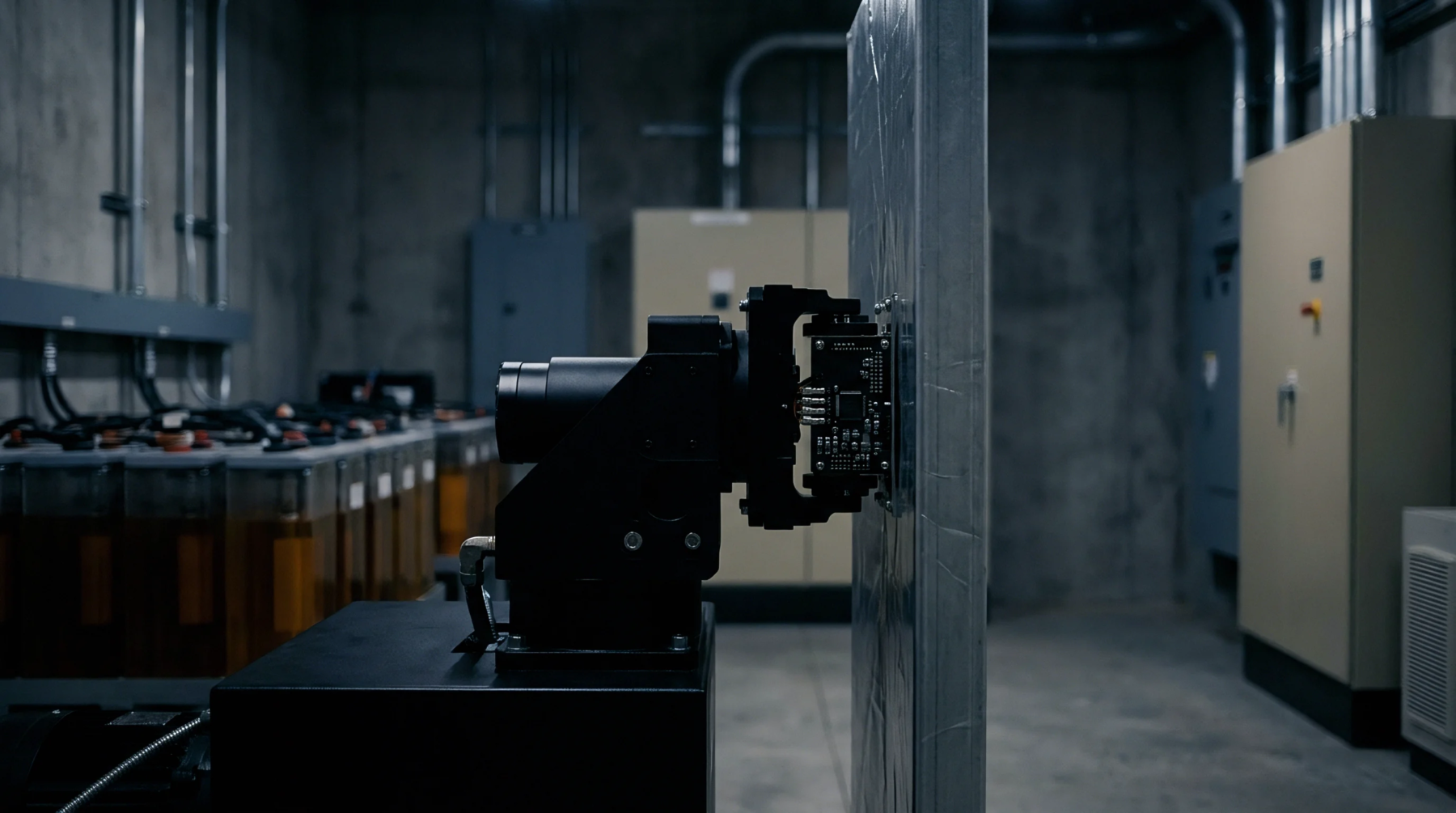
Factory K value measures prismatic cell voltage decay rate over storage dwell to screen out internal micro-shorts through high-resolution multimeter gates.

Sort parallel cells across 10-second DCIR, capacity, and 14-day K-value windows rather than 1 kHz ACR alone to prevent localized overcurrent and premature pack fade.
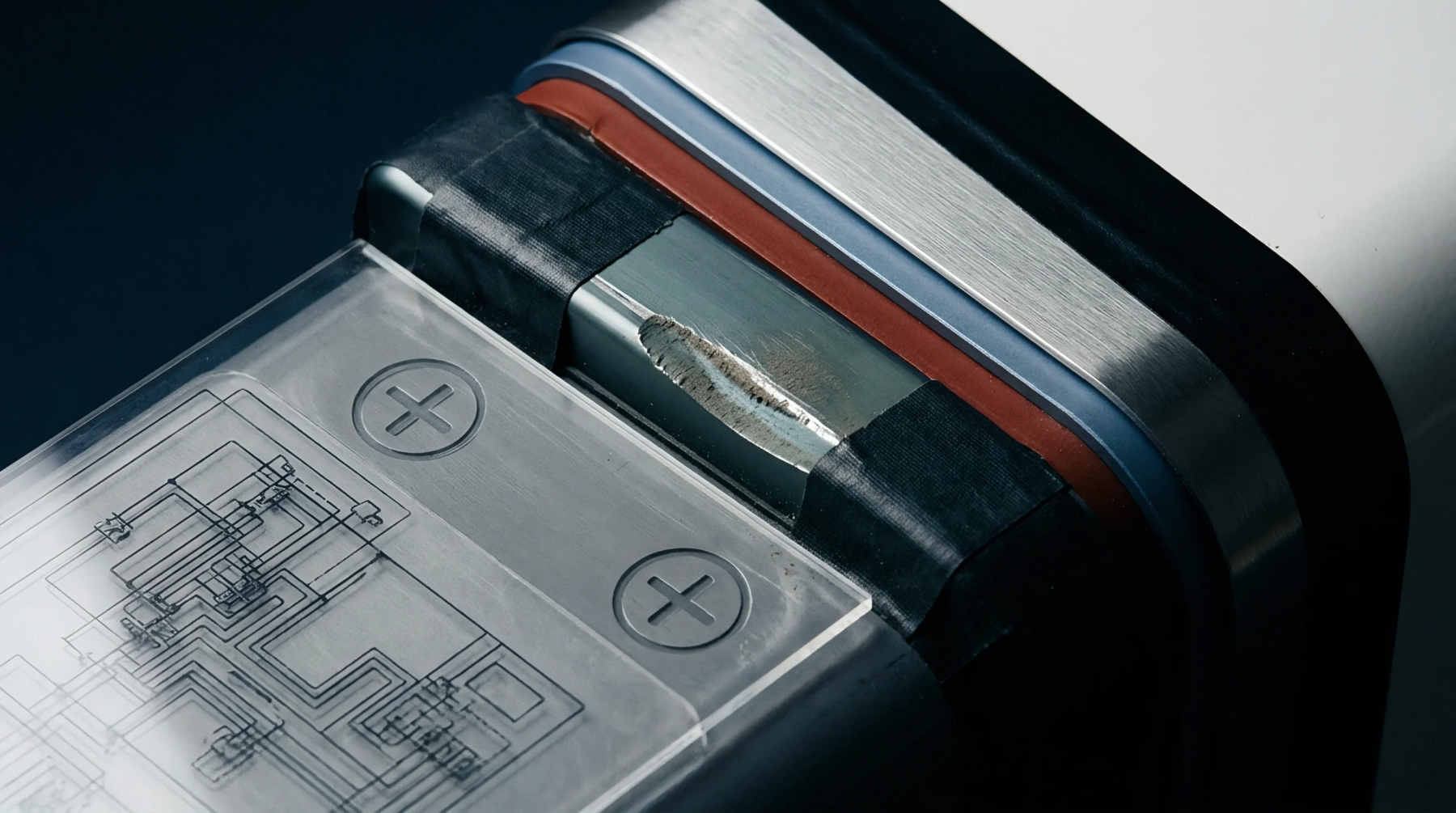
Prismatic cell batch acceptance demands zero-acceptance attribute sampling for safety defects and ISO 3951-1 variables sampling for capacity and impedance distributions.

Lock bills of materials and enforce incoming statistical Cpk gates on cell mass, ACIR, and anode overhang to halt manufacturing drift before pack assembly.
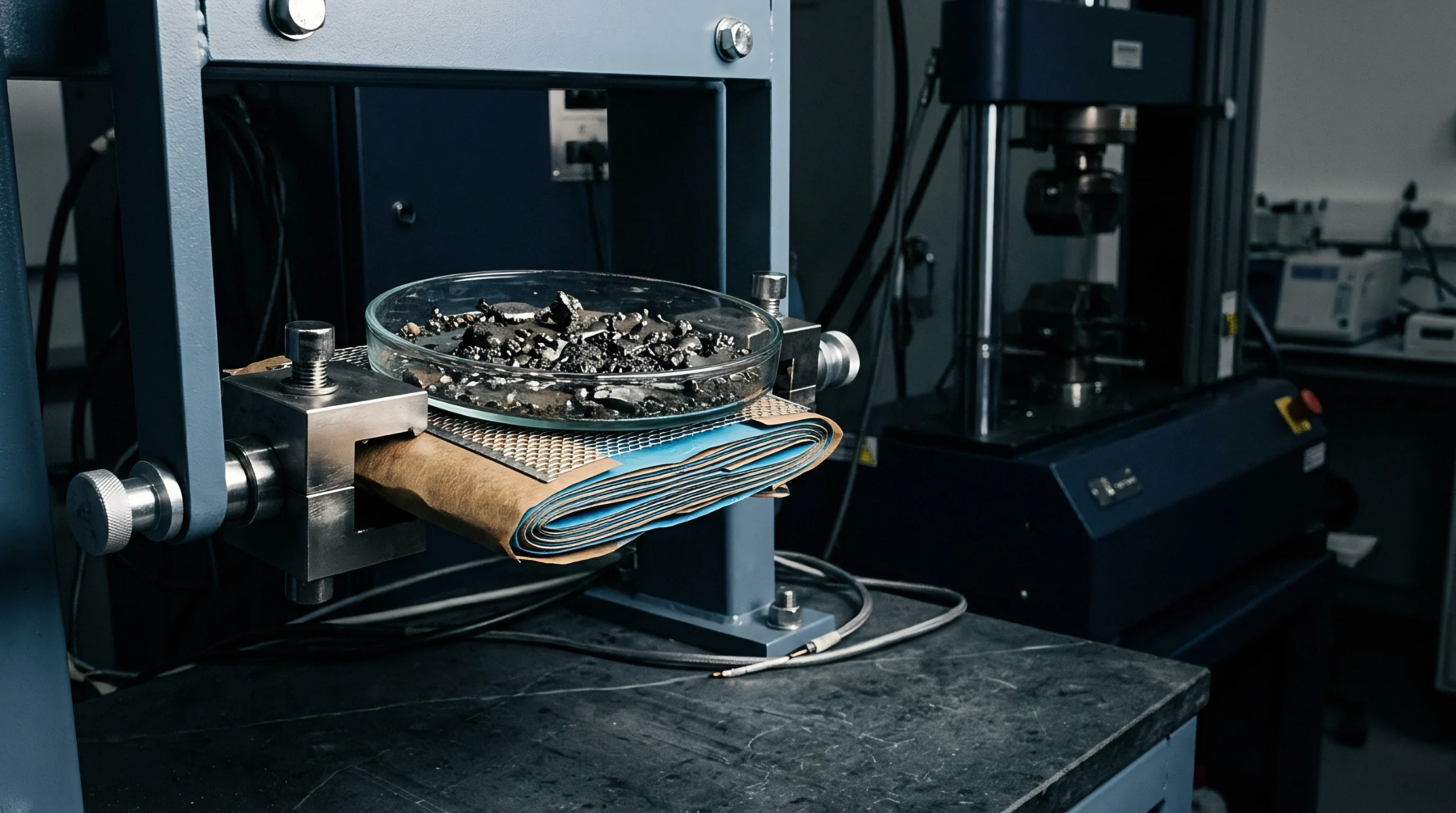
Acceptable precursor impurity ceilings require copper under 20 ppm and iron under 50 ppm to avoid separator puncture, cell shorts, and severe scrap fallout.

Voltage decay screening isolates internal micro-shorts by tracking millivolt drops against statistical lot baselines using precision Kelvin metrology.
Inline electromagnetic filtration combined with dual-stage high-temperature K-value screening stops microscopic iron inclusions before cell shipment.
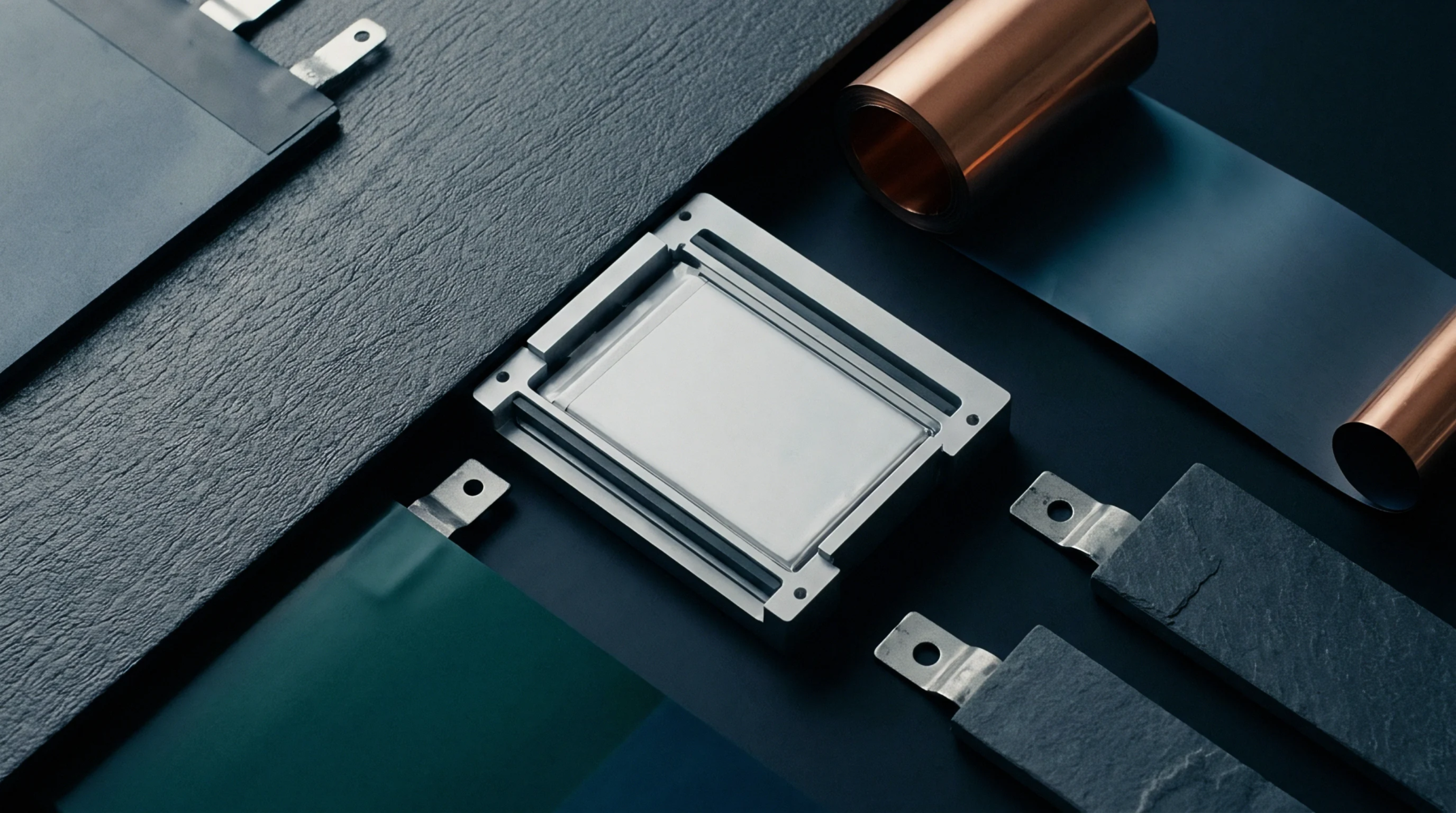
Verify cell voltage stability after relaxation to certify thirty percent state of charge limits on dangerous goods ocean shipping manifests.

Prismatic LiFePO4 cell lot stability requires tracking 14-day temperature-compensated K-values to isolate micro-shorts from baseline open circuit relaxation.

Incoming battery pallet inspection combines shock monitoring, four-wire OCV/IR screening, and AQL sampling to catch transit damage and enforce debit notes.

Early cycle screening uses high-precision coulometry and differential voltage peak shifts over five cycles to catch cell defects before pack integration.
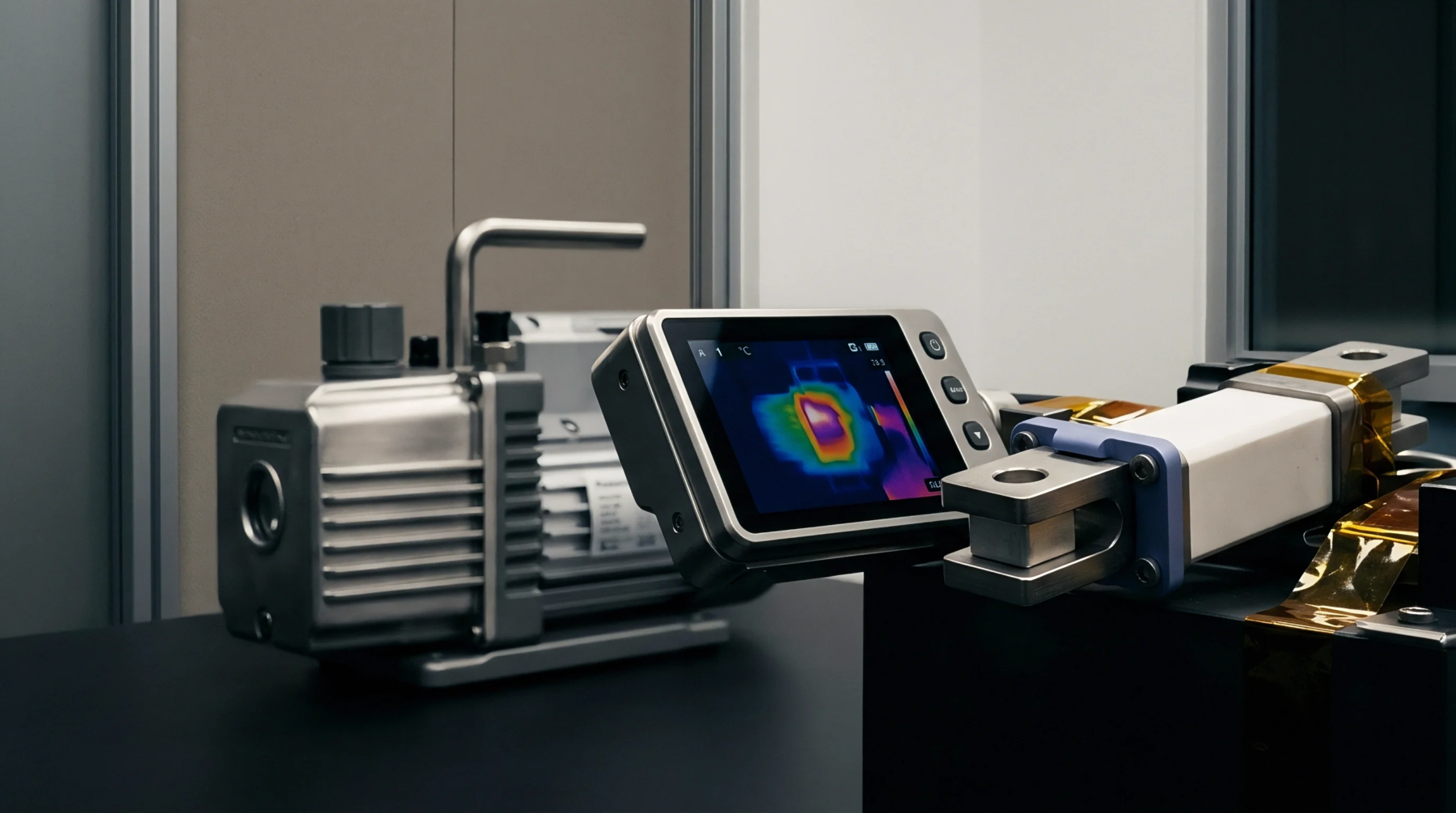
Arrhenius-compensated voltage drift algorithms isolate true micro-short resistance from ambient temperature variations in large-format lithium-ion cells.

Multi temperature thermal soak schedules isolate micro shorts and establish valid cell voltage decay dossiers prior to volume cell procurement.

Cathode transition metals leach via acid attack during warm storage, migrating through polyolefin separator pores to degrade anode SEI and escalate K-value self-discharge.

Precision state of charge settings and active reefer climate control prevent capacity loss and internal resistance growth during oceanic container transit.
High precision coulometry and differential voltage analysis isolate solid interphase formation kinetics and active lithium consumption in lithium cells.

Extended calendar aging consumes cyclable lithium through solid electrolyte growth, requiring differential capacity verification before warranty assignment.

Receiving screening of stored prismatic lithium lots requires thermal stabilization, sub-millivolt OCV drift tracking, and clamped DCIR metrology to catch self-discharge and swelling defects.

Enforce zero-acceptance sampling plans and 48-hour thermal soak protocols on imported prismatic cell lots to prevent non-conforming units from entering pack production lines.

Early lithium cell resistance rise stems from passive layer growth and cathode microcracking, shifting procurement risk to initial DCIR specifications.

High temperature storage accelerates iron dissolution and anode migration in prismatic cells, causing self-discharge, SEI breakdown, and irreversible capacity loss.
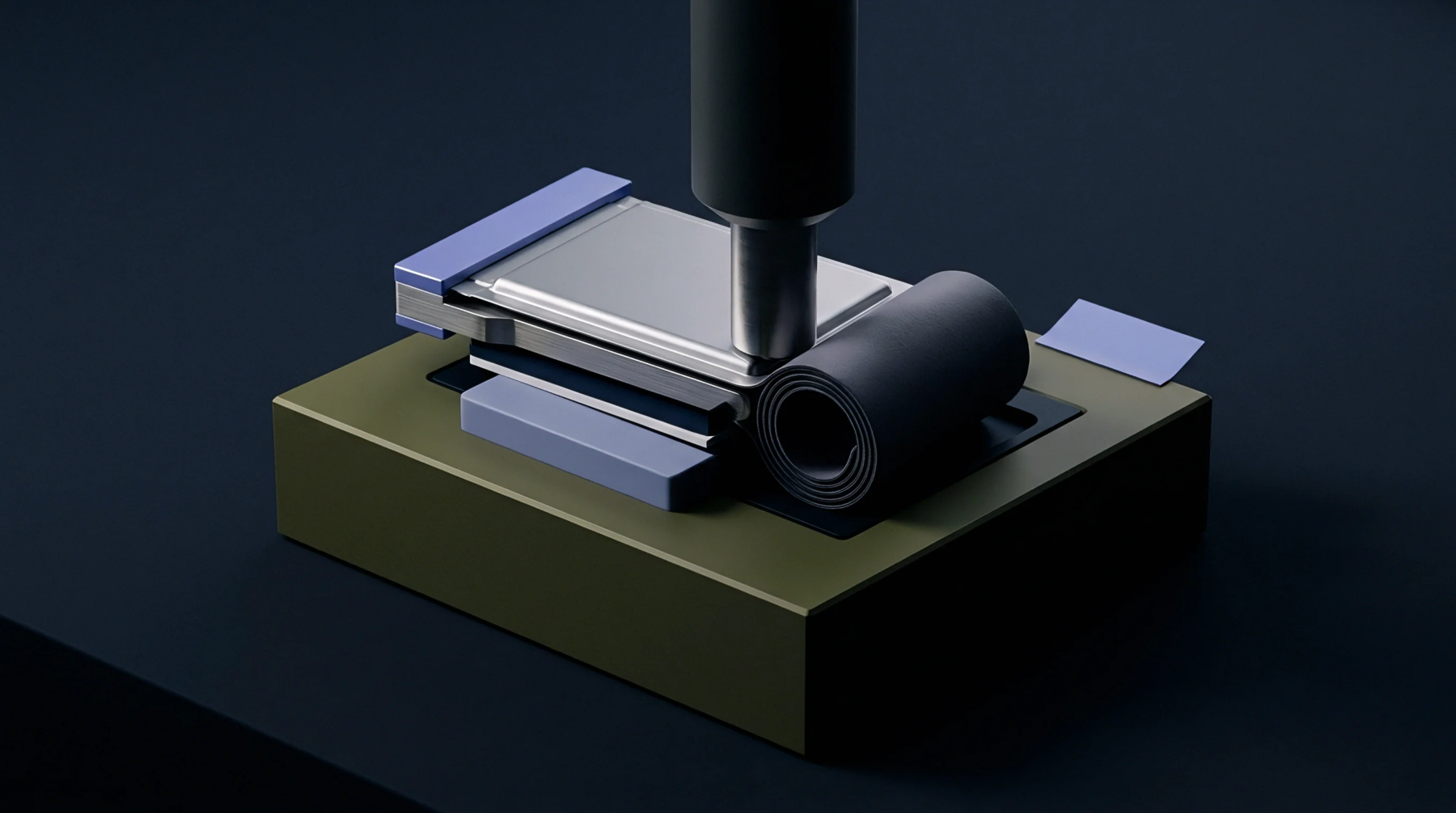
Format selection dictates tooling capital, cooling architecture, and mechanical containment: cylindrical cells minimize stack stress, while prismatic cells maximize spatial fill.
Air cargo limits lithium-ion cells to 30% SOC under IATA PI 965, whereas sea freight allows higher SOC to prevent voltage collapse during transit.
Expertise is a utility, not a secret. sentiention™ publishes its working knowledge as open reference: intelligence layer covering the materials it sources, the markets it enters, and the reference that serves both.