
UN 38.3 Dangerous Goods Compliance for Ocean Container Holds
UN 38.3 compliance for ocean freight requires valid 38.3.5 summaries, strict 30 percent state of charge limits, and heat-isolated container hold stowage.
UN 38.3 compliance for ocean freight requires valid 38.3.5 summaries, strict 30 percent state of charge limits, and heat-isolated container hold stowage.
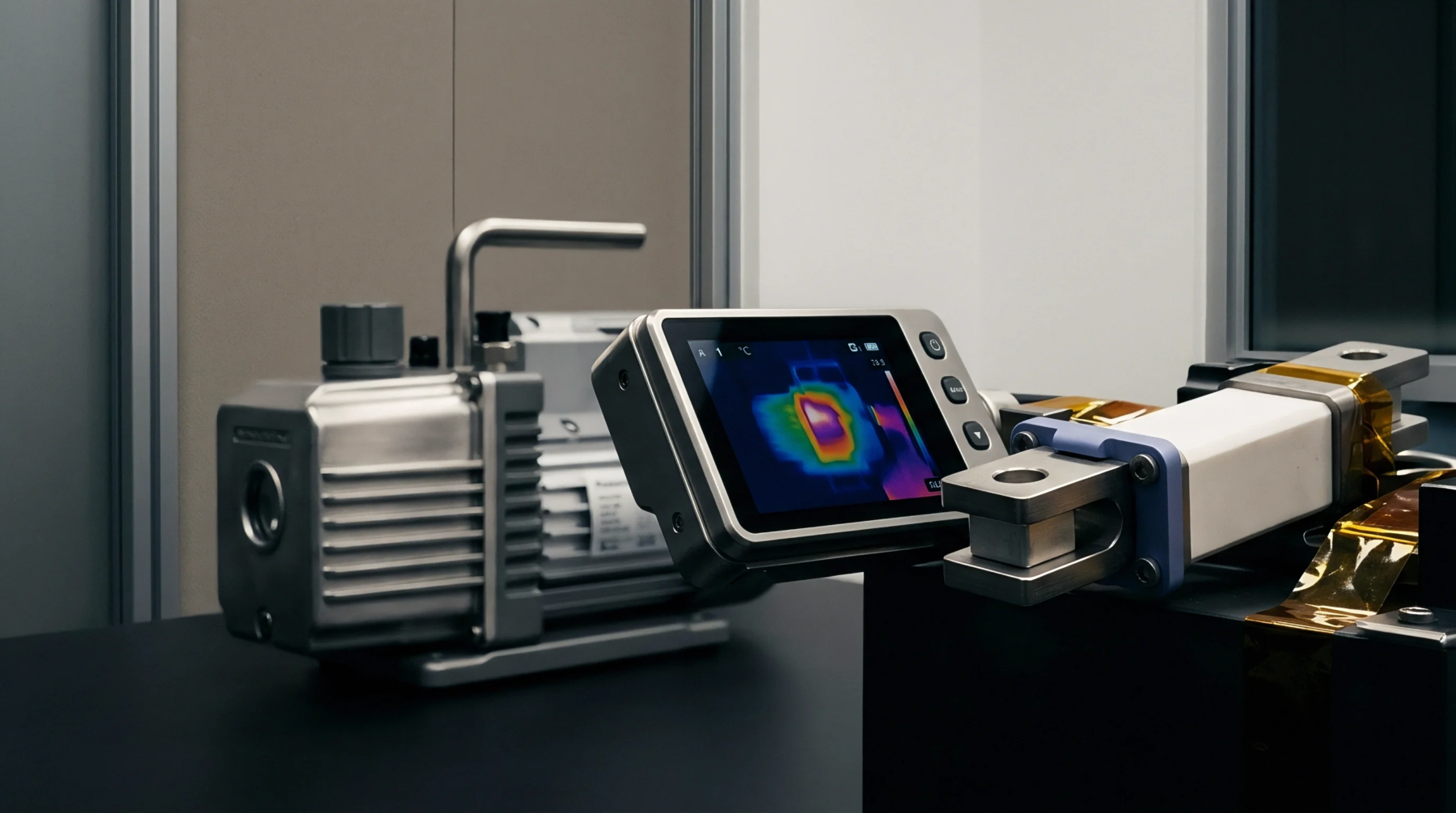
Carriers escape fire liability under Hague-Visby Article IV(6) when latent off-gassing occurs, shifting total loss exposure back to the dangerous goods shipper.

Air shipment under Packing Instruction 965 demands verified sub-30% charge, UN 38.3 test summaries, and certified packaging strictly for cargo aircraft.

Importer liability under invalidated subcontracted battery safety tests attaches strictly upon customs entry, triggering mandatory seizures, re-testing, and recalls.
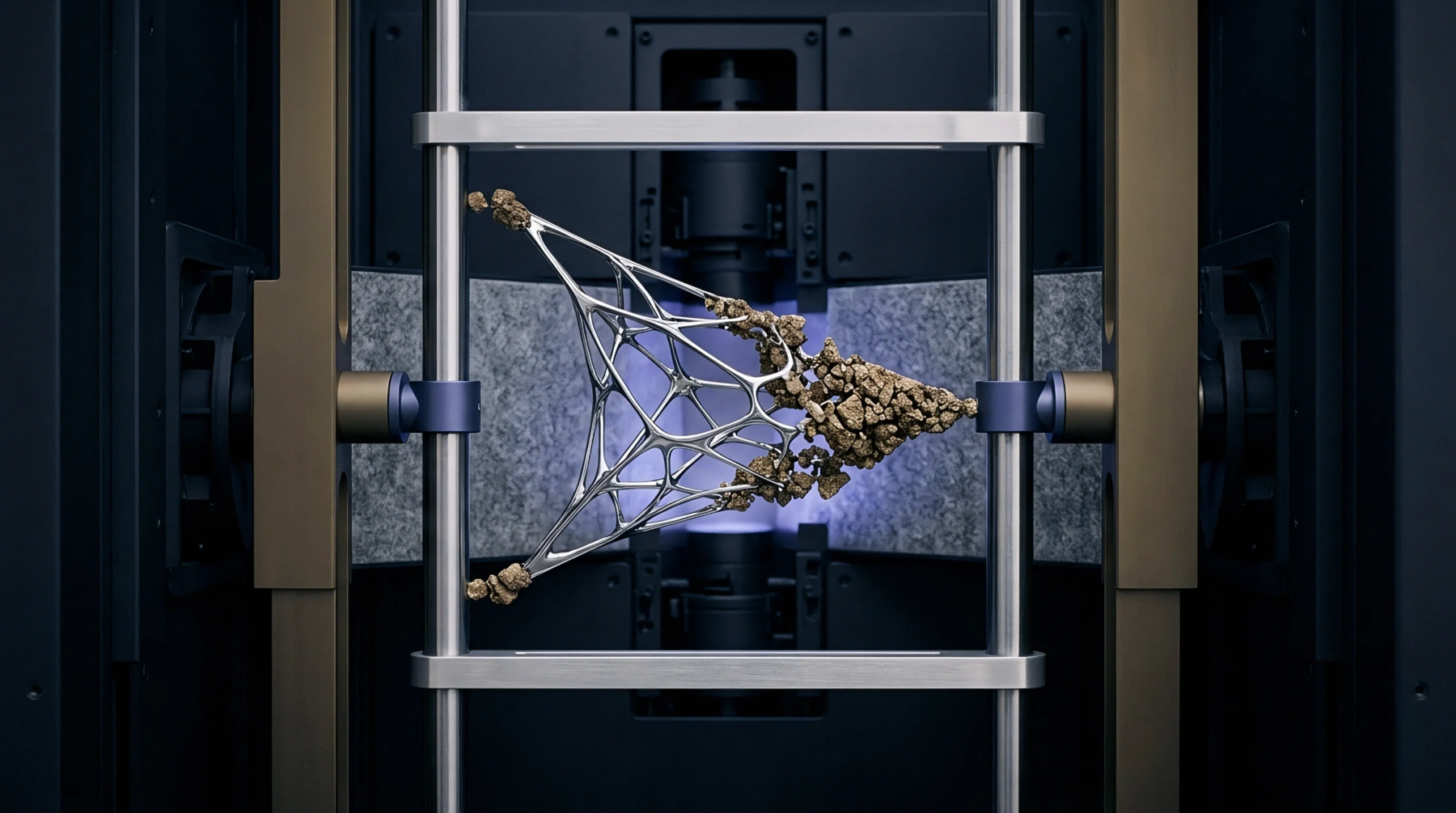
Sacrificial electrolyte additives stabilize high-voltage layered oxides at 4.35V but generate breakdown gases that alter transport safety and long-term liability.

Dynamic multi-axial fracture limits in battery sills govern crash energy absorption and dictate the safe packaging clearance protecting cells from intrusion.

UN 38.3 qualification requires passing T.1-T.8 abuse tests and securing a standardized test summary certified at 30% state of charge for air carriage.
Thermodynamic electrolyte solvation modeling predicts solvent partial pressures and cell off-gassing limits under thermal stress.

Dynamic multi-gigapascal contact stress accelerates vacancy migration into planar clusters that cleave cathode primary particles and invalidate transport safety.

Quantifying grain boundary oxygen release via multi-rate calorimetry establishes the true thermal stability barrier of aged high-nickel cathode cells.

Zero knowledge telemetry proofs verify battery operating envelope compliance without exposing trade secret load curves, enabling automated multi-vendor liability settlement.

Verify UN 38.3 test summaries by validating ISO 17025 scope, cross-checking 10 required fields, and confirming physical cell mass and Wh limits before air tender.

Integrating Prony viscoelastic subroutines into separator shrinkage solvers predicts mechanical stress relaxation and prevents thermal short circuits.

Mitigating battery warehouse overpressure demands early off-gas aspiration detection, rack flue segregation, and low-inertia roof venting calibrated to NFPA 68.
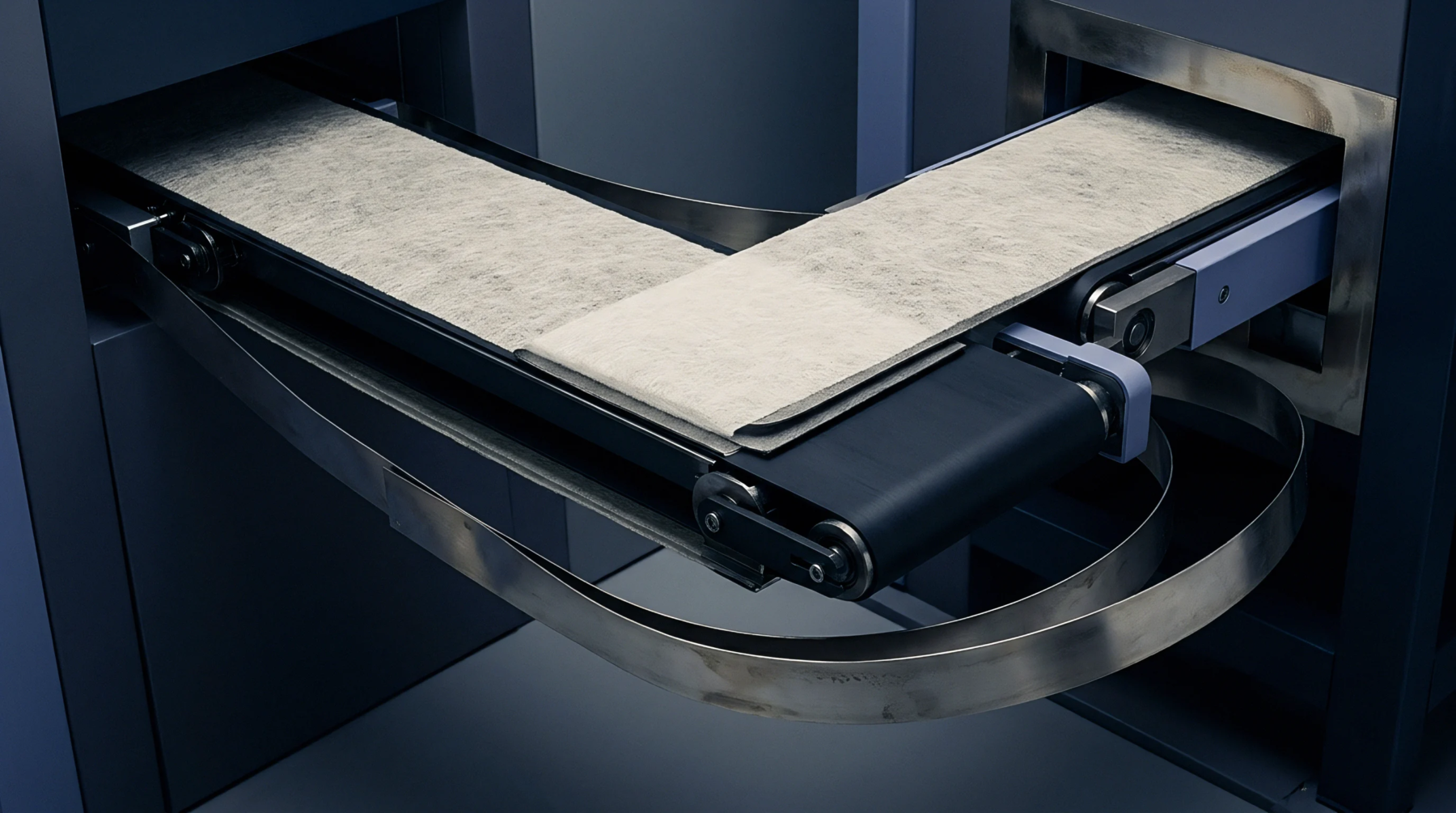
Verify separator creep compliance under combined pack stack pressure and thermal ramps to prevent latent shorting before commit of cell tooling investments.

Battery passport architectures streamline dangerous goods clearance by binding UN 38.3 test summaries to machine-readable declarations at customs borders.
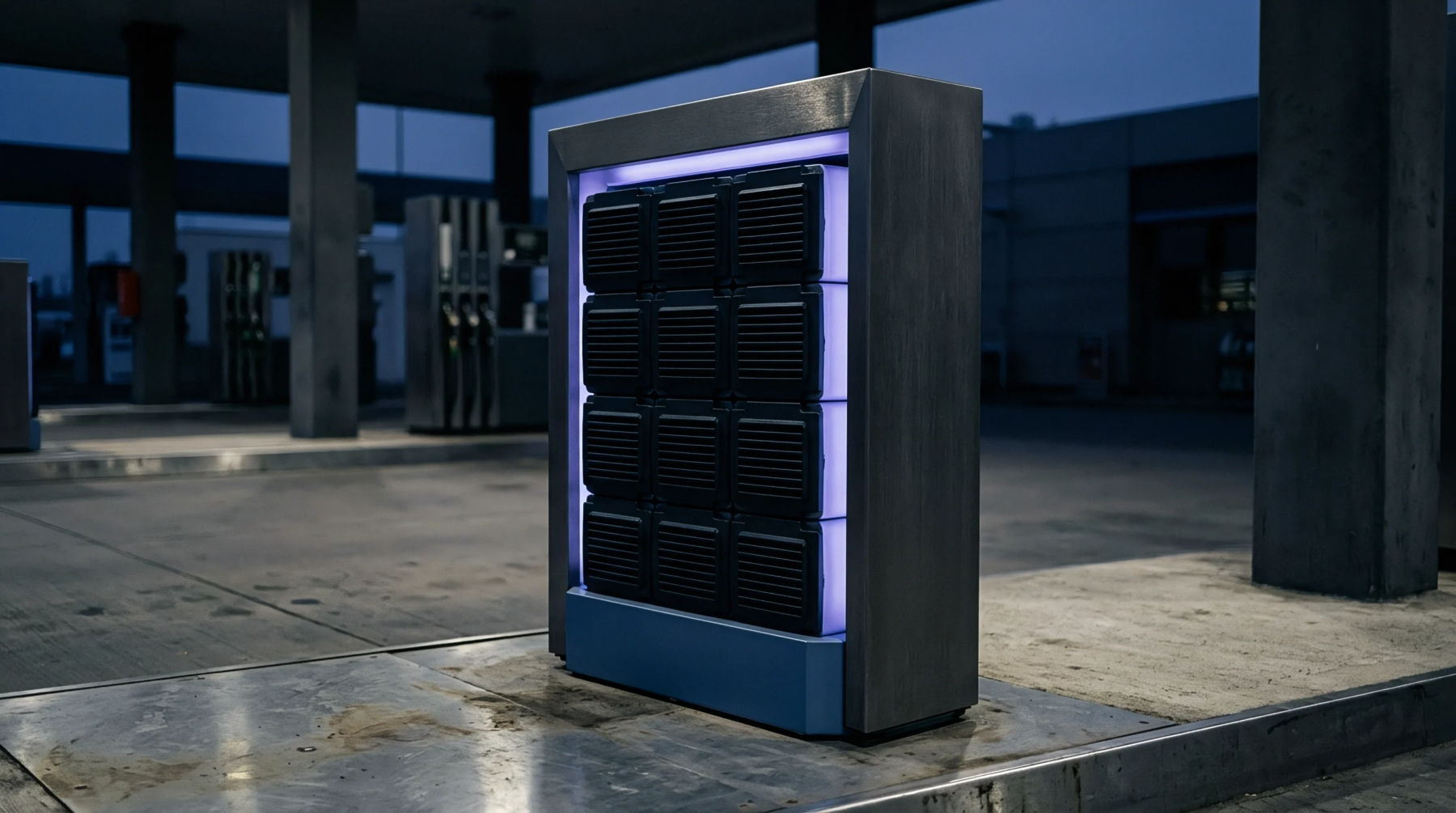
Low temperature charging triggers metallic lithium plating when anode polarization drops below zero volts, requiring strict thermal pre-heating or rate derating.
Statutory importer liability attaches strictly to domestic consignees, converting dangerous goods transport and testing deficits into immediate financial exposure.

Unmitigated thermal propagation risk shifts financial liability to pack integrators unless contracts explicitly mandate cell-level non-propagation proof.
Secure uncapped indemnification for third-party property damage and latent defect recalls by excluding catastrophic thermal events from liability caps.

Qualification requires holding barrier unexposed faces below adjacent cell ignition thresholds while maintaining 1000V dielectric integrity under compression.

Verify cell voltage and 1 kHz impedance boundaries at receiving inspection to prevent invalidating UN 38.3 transport dossiers and triggering cargo seizure.
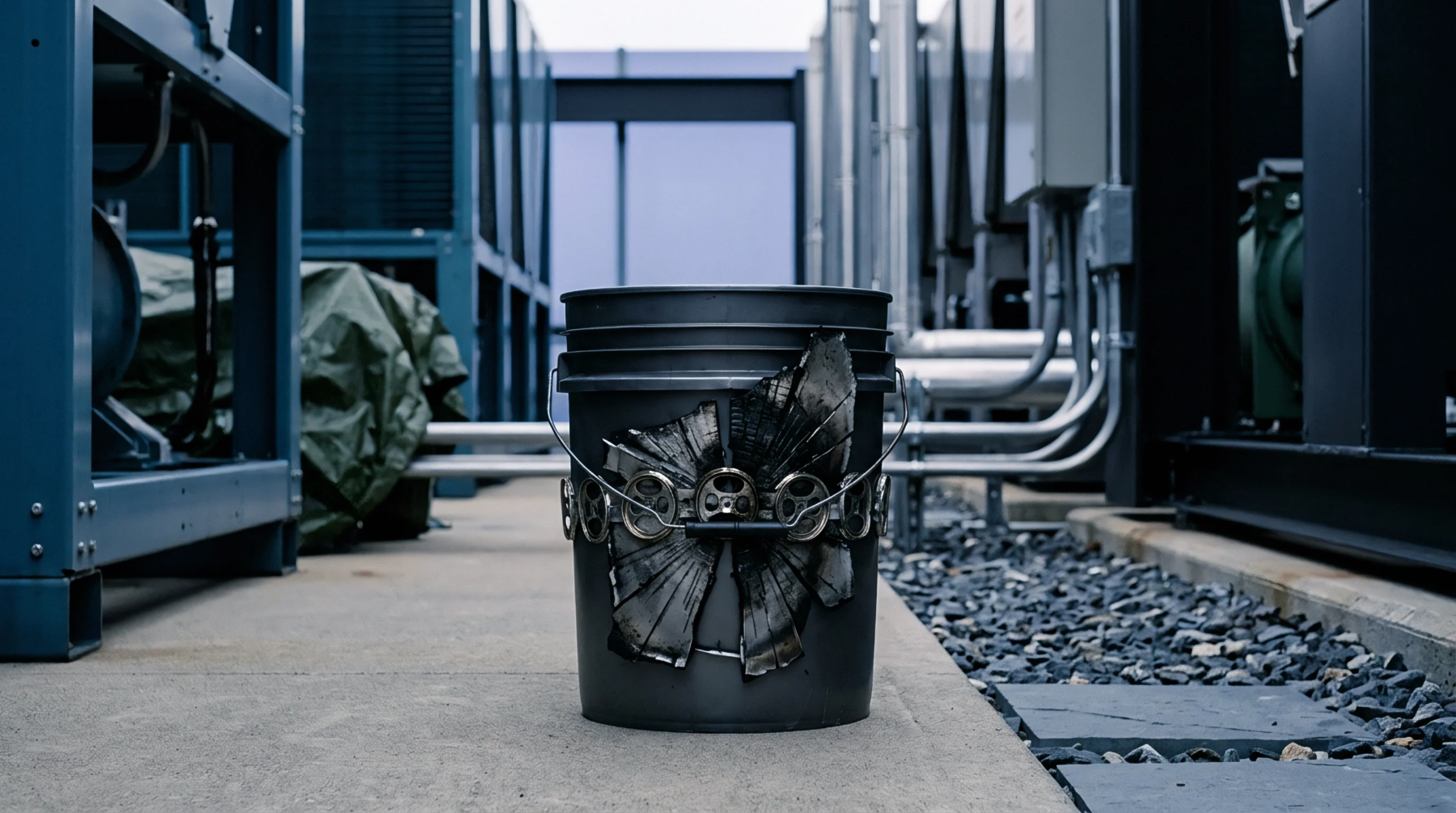
Enclosure spacing and fire area compartmentalization enforce physical air buffers, rated structural walls, and UL 9540A testing to stop cascading thermal propagation.
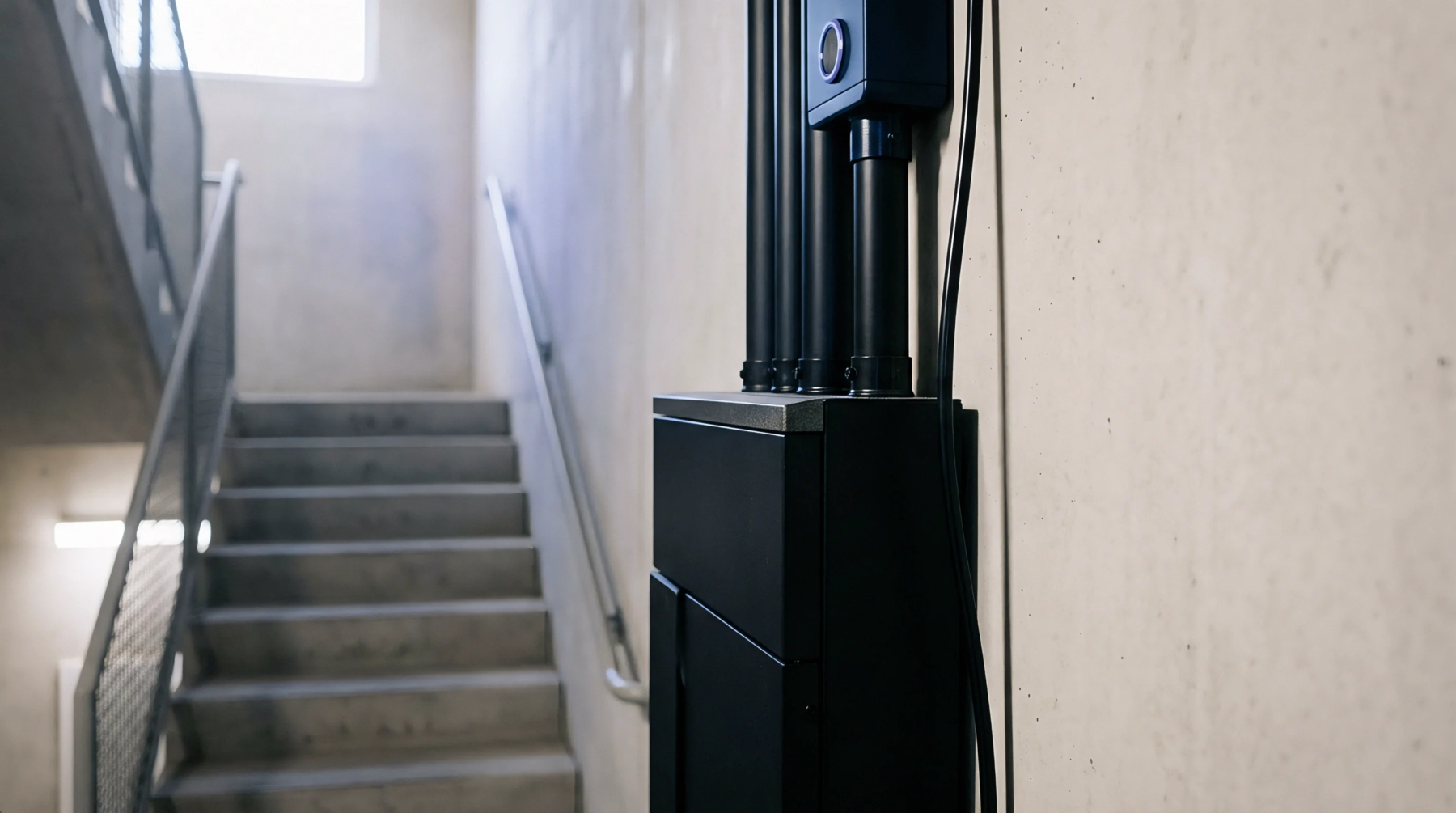
IFC Chapter 12 caps indoor lithium-ion storage at 20 kWh unless UL 9540 listing, UL 9540A testing, 2-hour partitions, and 3-foot clearances permit higher limits.

Viscoplastic stress relaxation in silicon-lithium alloys mitigates localized current divergence only when charge rates remain below the material creep velocity.
Actuarial defect models price tail-risk exposures by replacing zero-defect assumptions with compound Poisson-Weibull distributions and contractual escrow sizing.

Underwriters price battery storage risk by converting cell lot formation logs, K-value decay rates, and UL 9540A test dossiers directly into asset premium basis points.

Lock bills of materials and enforce incoming statistical Cpk gates on cell mass, ACIR, and anode overhang to halt manufacturing drift before pack assembly.
Verify lithium ion cell type approval by matching laboratory ISO 17025 accreditation, raw thermocouple abuse logs, and physical cell mass to shipping manifests.
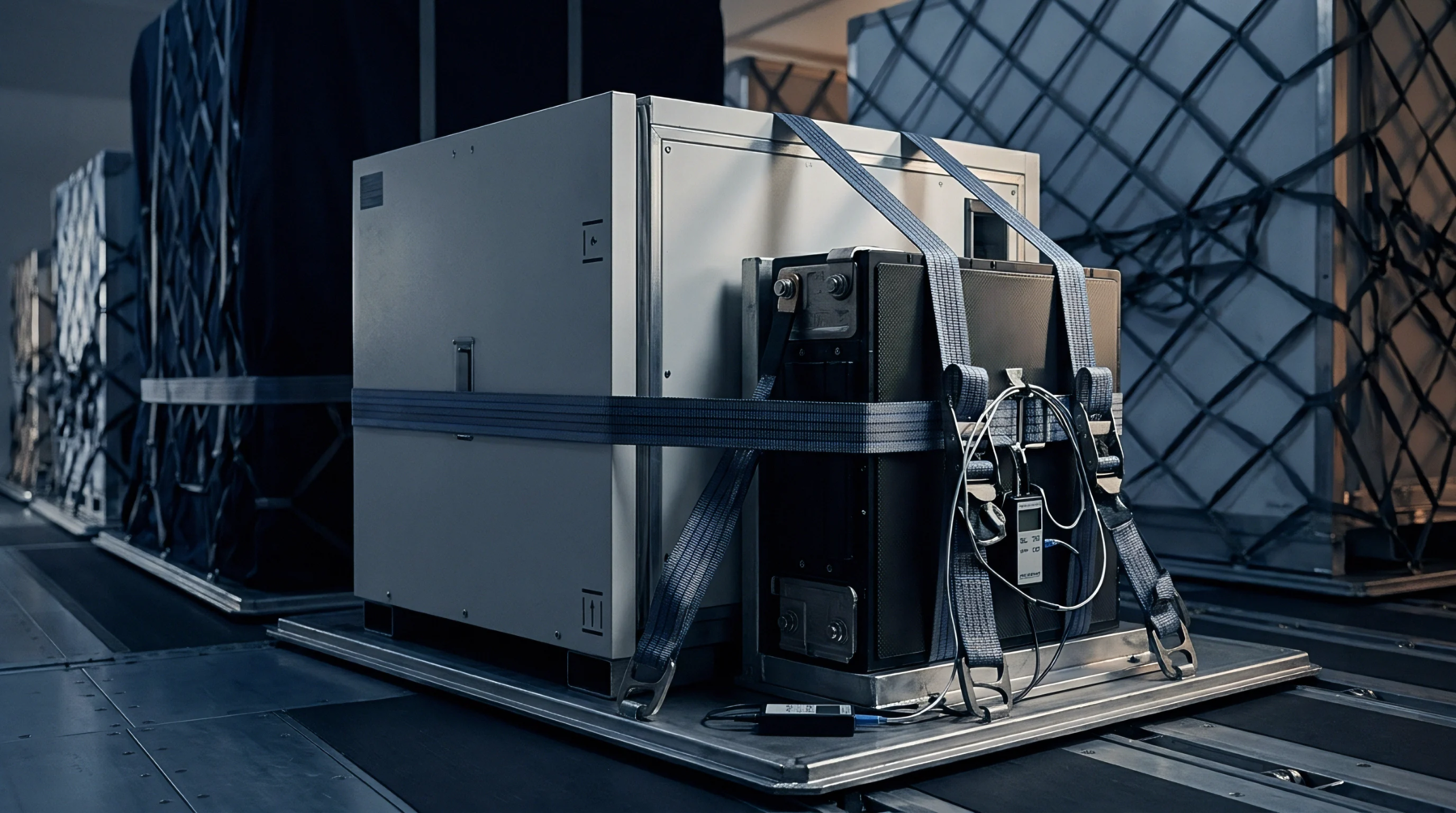
Statutory IMDG compliance permits maritime transport, but carrier-specific safety rules dictate vessel loading, requiring matched dossiers before gate-in.
Expertise is a utility, not a secret. sentiention™ publishes its working knowledge as open reference: intelligence layer covering the materials it sources, the markets it enters, and the reference that serves both.