
Tooling Amortization inside a Custom Pack Quotation
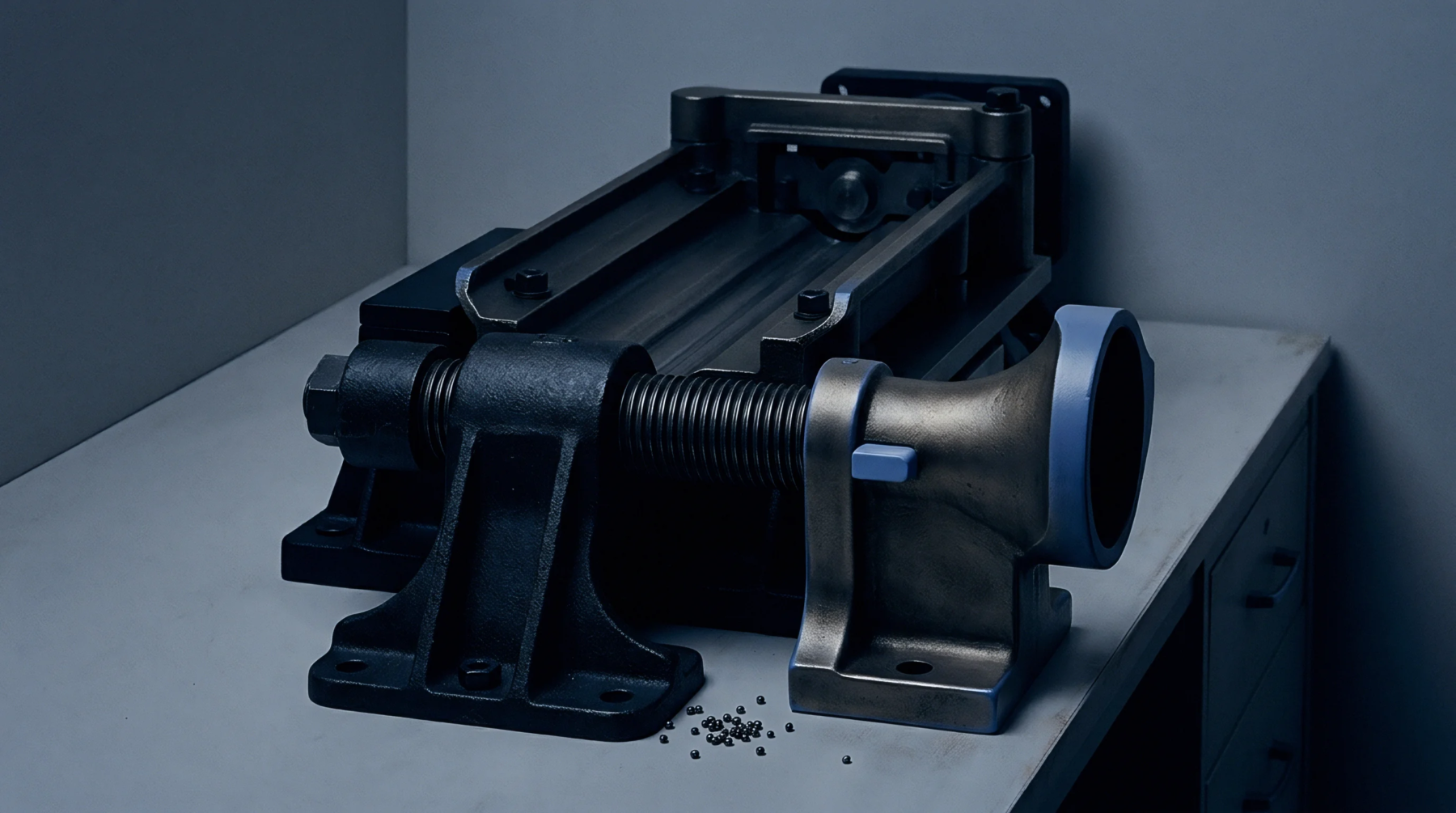
Audit tool steel specs upfront and enforce explicit bailment terms to prevent amortized tooling fees from inflating custom pack unit costs.
Audit tool steel specs upfront and enforce explicit bailment terms to prevent amortized tooling fees from inflating custom pack unit costs.

Galvanic corrosion across bare copper-aluminum busbar joints creates escalating thermal interfaces that erode pack life and trigger unbudgeted warranty claims.

Datasheet cycle life claims overestimate real field performance by up to 45 percent under uncompressed thermal dynamic stress envelopes.

Cell format selection dictates pack thermal dissipation paths, stack compression mechanics, busbar welding tolerances, and compliance responsibility.
Prismatic LFP degradation stems primarily from loss of active lithium to anode SEI growth, accelerated by high state-of-charge storage and stack pressure.

Turnkey engineering secures enclosure tooling and BMS firmware control, while white label sourcing locks hardware design and shifts compliance risk.

Validating ISO 17025 ILAC accreditation scopes for UN 38.3 test summaries before shipment prevents carrier refusals and port impoundments.

Cross-border market surveillance enforcement targets domestic importers directly, requiring pre-funded bank guarantees and authenticated safety dossiers for recourse.
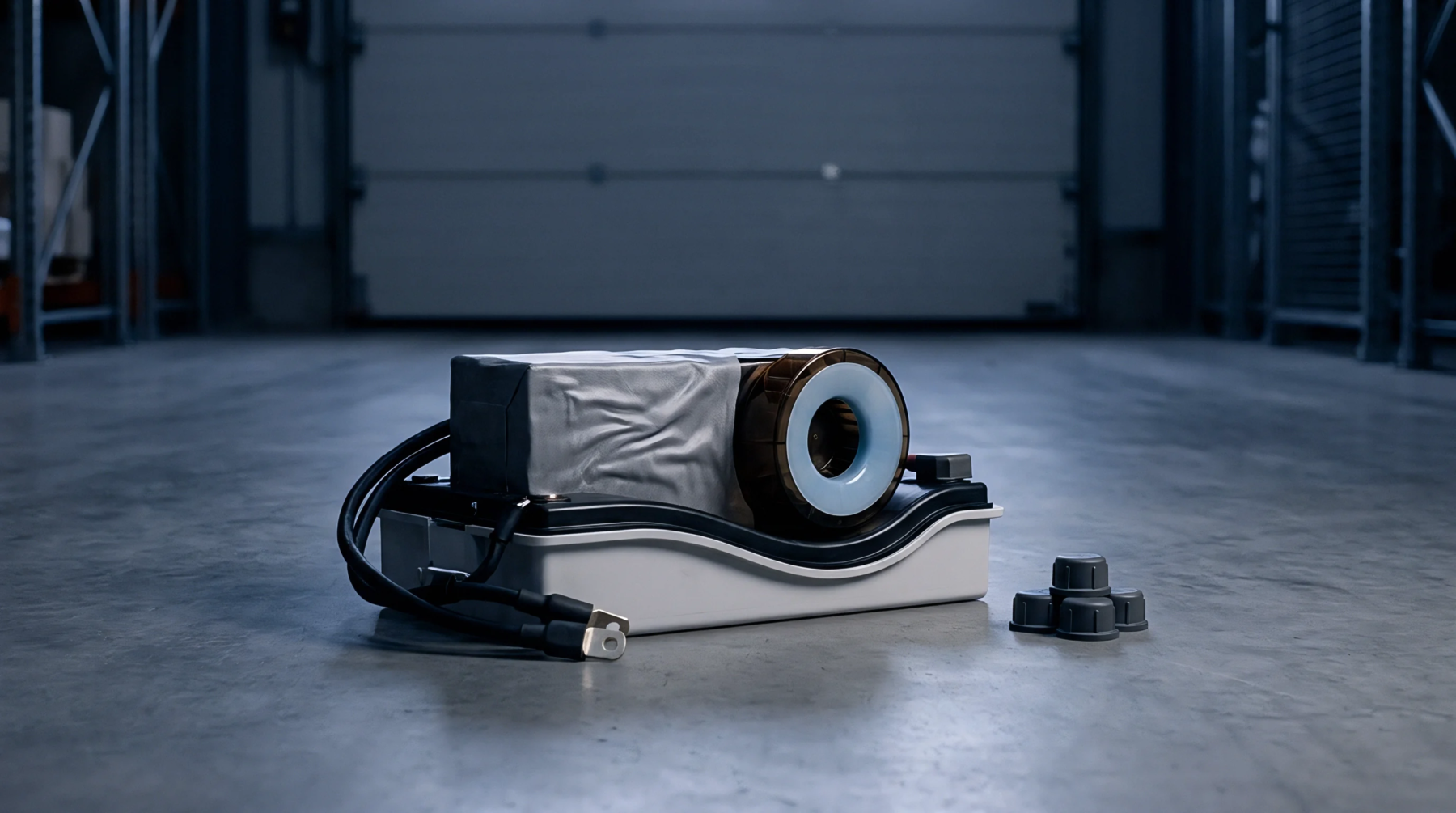
Structural thermal seams form when differential thermal expansion degrades interface media, shifting pack warranty claims between cell vendors and contract assemblers.

Calculate IFC Chapter 12 battery storage limits by enforcing 20 kWh triggers, 50 kWh unit caps, 3-foot spacing, and 600 kWh fire-area aggregations.

Off-the-shelf battery assembly selection requires auditing cell impedance matching, verifying continuous thermal limits, and locking the bill of materials.
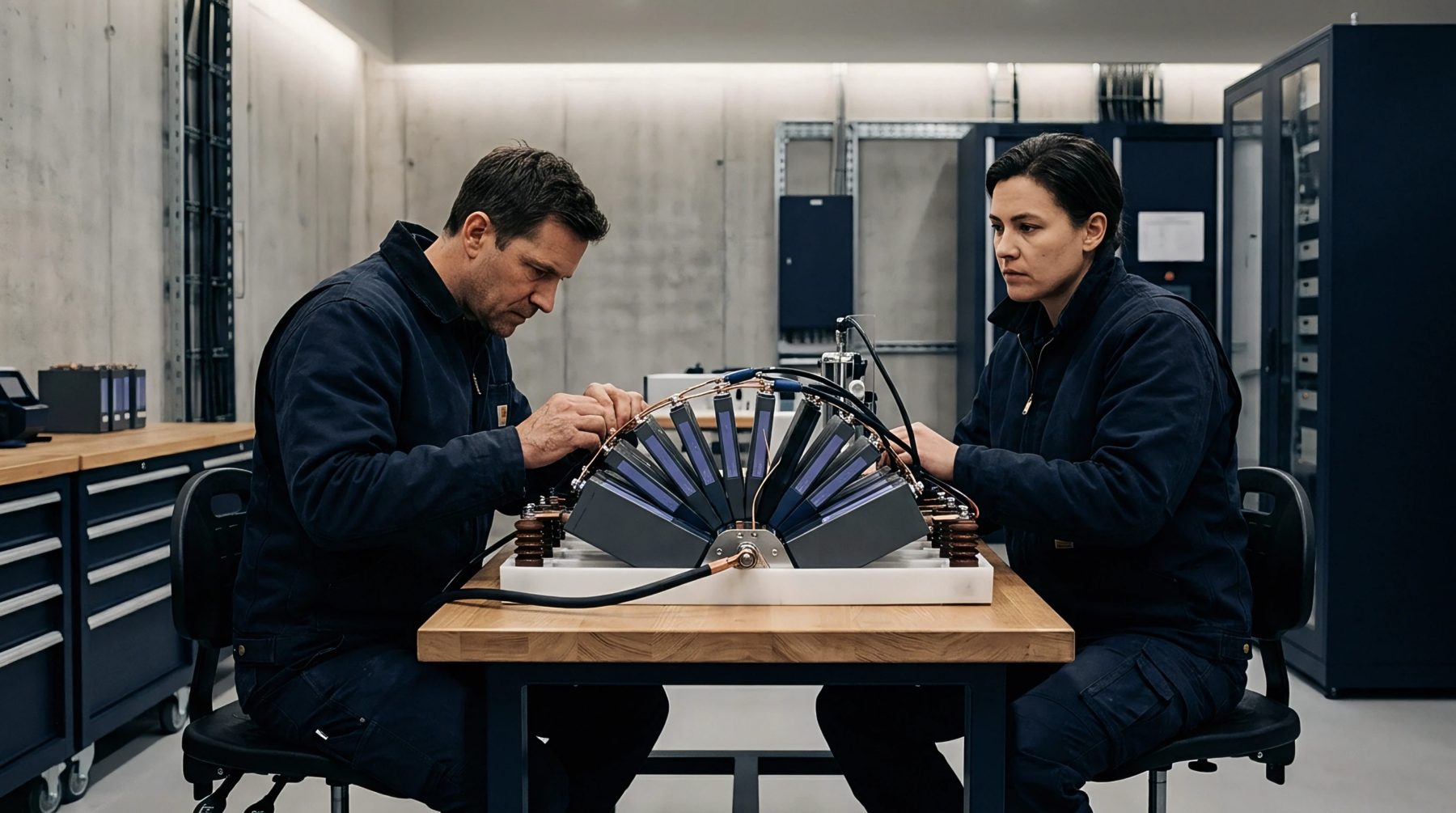
Procuring custom industrial battery modules requires locking cell format trade-offs, welding verification, and compliance files before amortizing tooling.

Custom pack sourcing demands explicit engineering stack-up allowances for cell swell alongside contractual assignment of compliance dossier ownership.

Choosing between cylindrical and prismatic cell formats demands balancing tooling capital, thermal conduction interfaces, and structural face pressure limits.
Dynamic thermodynamic hysteresis mapping eliminates up to six percent state of charge error across flat voltage plateaus, protecting storage project revenue.

ISO 17025 audit verification demands validating test parameters against the lab schedule on the ILAC MRA portal to prevent compliance holds

Planar cooling gradients split local current density, driving lithium plating at cold cell margins and rapid electrolyte consumption in warm regions.

Asset owners must require HIL testing, dual-key signing, and written vendor regulatory indemnities before authorizing remote third-party firmware updates.

Regularized spatial matrix inversion reconstructs internal cell gradients from boundary sensors while suppressing noise amplification on embedded hardware.

Anisotropic thermal conduction in prismatic cells creates steep internal temperature gradients, concentrating lithium plating on cold edges and SEI growth at hot zones.
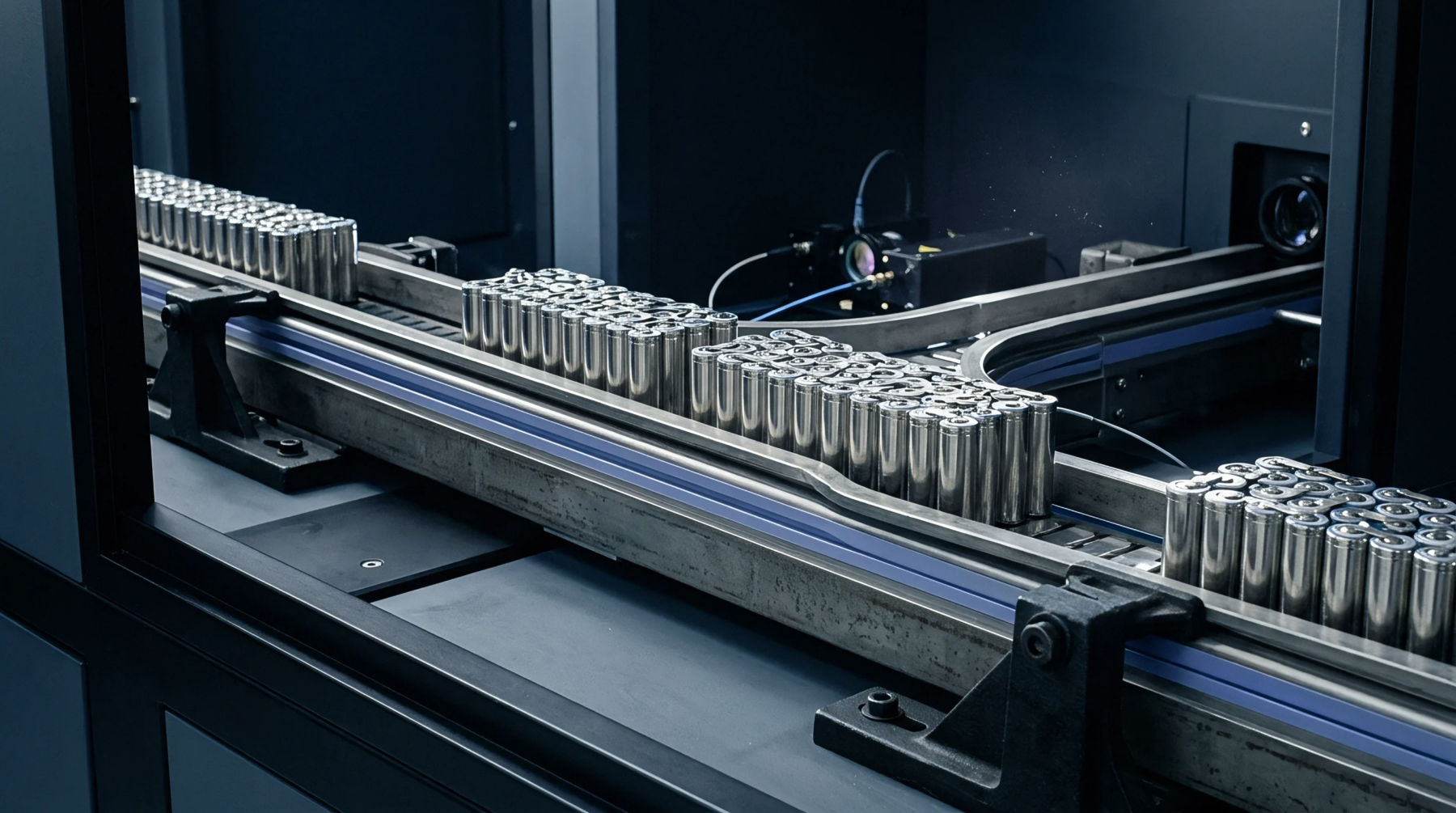
Optical deflection mapping resolves localized pouch cell swelling peaks under rigid glass platens to prevent pack enclosure failures and warranty disputes.

Iron dendrite micro shorts drive exponential voltage decay detectable through multi-week K-value screening, mitigating thermal runaway in warehouse storage.

Closed-loop impedance feedback tracks subzero charge-transfer resistance to throttle charging current, preventing anode overpotential from inducing lithium plating.

Dynamic sub-zero charging firmware shifts strict product liability to integrators when overpotential margins breach cell manufacturer limits.

Solvent diffusion through polymer seals depletes linear carbonates, raising pack resistance and creating flammable headspace vapors that breach UN 38.3 limits.

Unapproved BESS firmware changes void OEM cell warranties, shifting full indemnity liability for capacity degradation, fines, and recertification to the modifier.

Underwriters price battery storage risk by converting cell lot formation logs, K-value decay rates, and UL 9540A test dossiers directly into asset premium basis points.

Cross-plane thermal gradients drive localized overpotential spikes that trigger premature lithium plating, uneven passivation thickness, and warranty-killing fade.

Parasitic electrolyte reduction continuously consumes cyclable lithium under float storage, driving premature capacity knee-point failure in scaled battery systems.

Algorithmic drift correction isolates instrumentation bias from true electrochemical fade using thermodynamic phase anchors to protect warranty claims.
Expertise is a utility, not a secret. sentiention™ publishes its working knowledge as open reference: intelligence layer covering the materials it sources, the markets it enters, and the reference that serves both.