
Quantifying Legal Importer Liability in Subcontracted UN 38.3 Laboratory Scope Failures
Importers carry strict liability for invalid UN 38.3 certificates when subcontracted labs lack accredited scope, driving mandatory direct accreditation audits.
Importers carry strict liability for invalid UN 38.3 certificates when subcontracted labs lack accredited scope, driving mandatory direct accreditation audits.

Verify UN 38.3 test summaries against accredited lab databases and audit physical batch metrics at receiving to prevent demurrage and cargo seizure.

Validating UN 38.3 transport test summaries requires verifying ten specific data fields against accredited laboratory reports before cargo tender.

ISO 17025 audit verification demands validating test parameters against the lab schedule on the ILAC MRA portal to prevent compliance holds
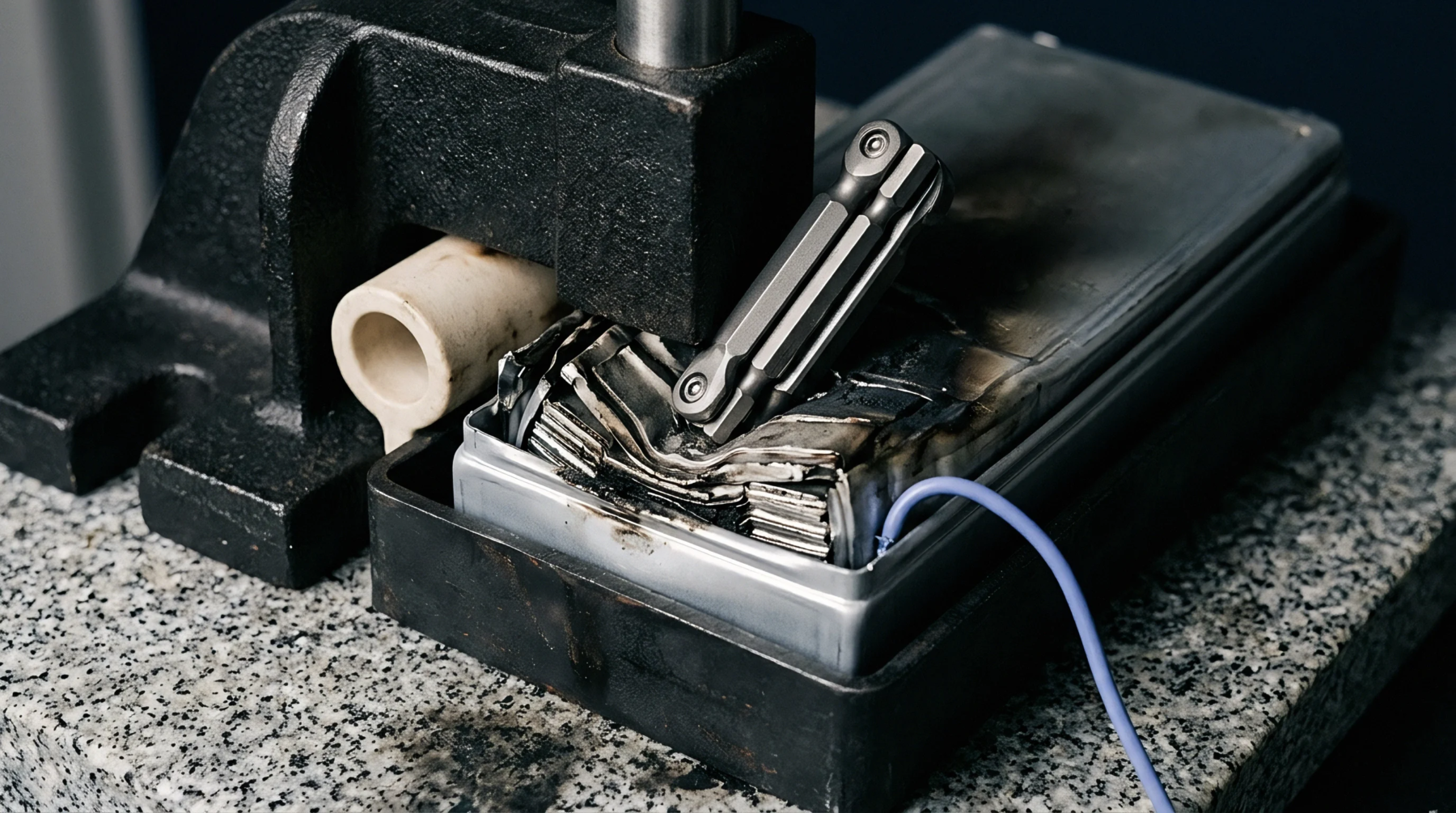
Verify UN 38.3.5 summary authenticity and lab ISO 17025 scope before tendering battery cargo to prevent customs seizure and catastrophic demurrage.

Auditing UN 38.3 dossiers requires verifying full lab reports against 38.3.5 summaries, checking ILAC accreditation, and confirming physical cell mass tolerances.
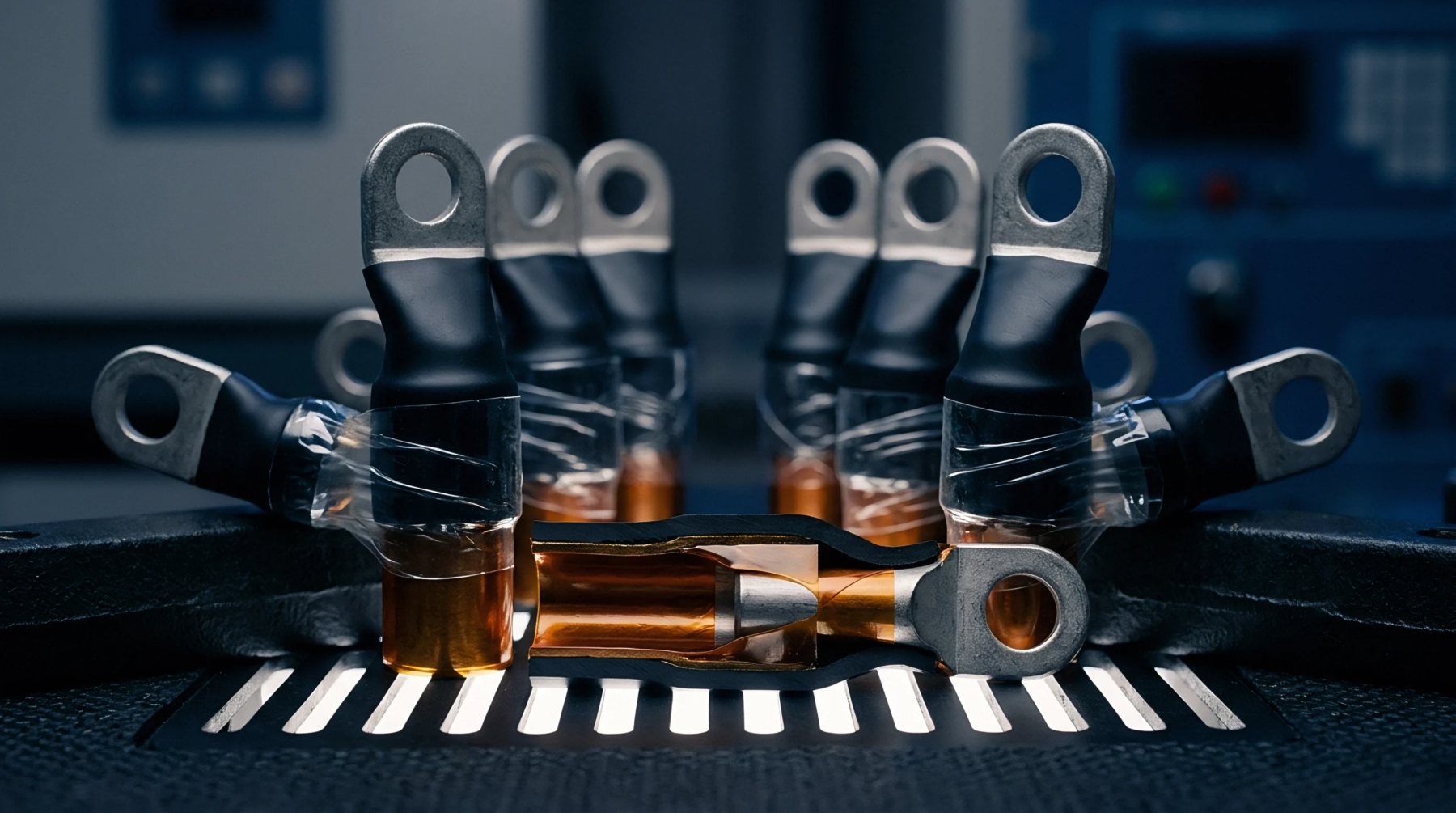
Importers mitigate cross-border forged lab schedules by enforcing primary ISO 17025 direct testing, independent ILAC verification, and escrow gates.
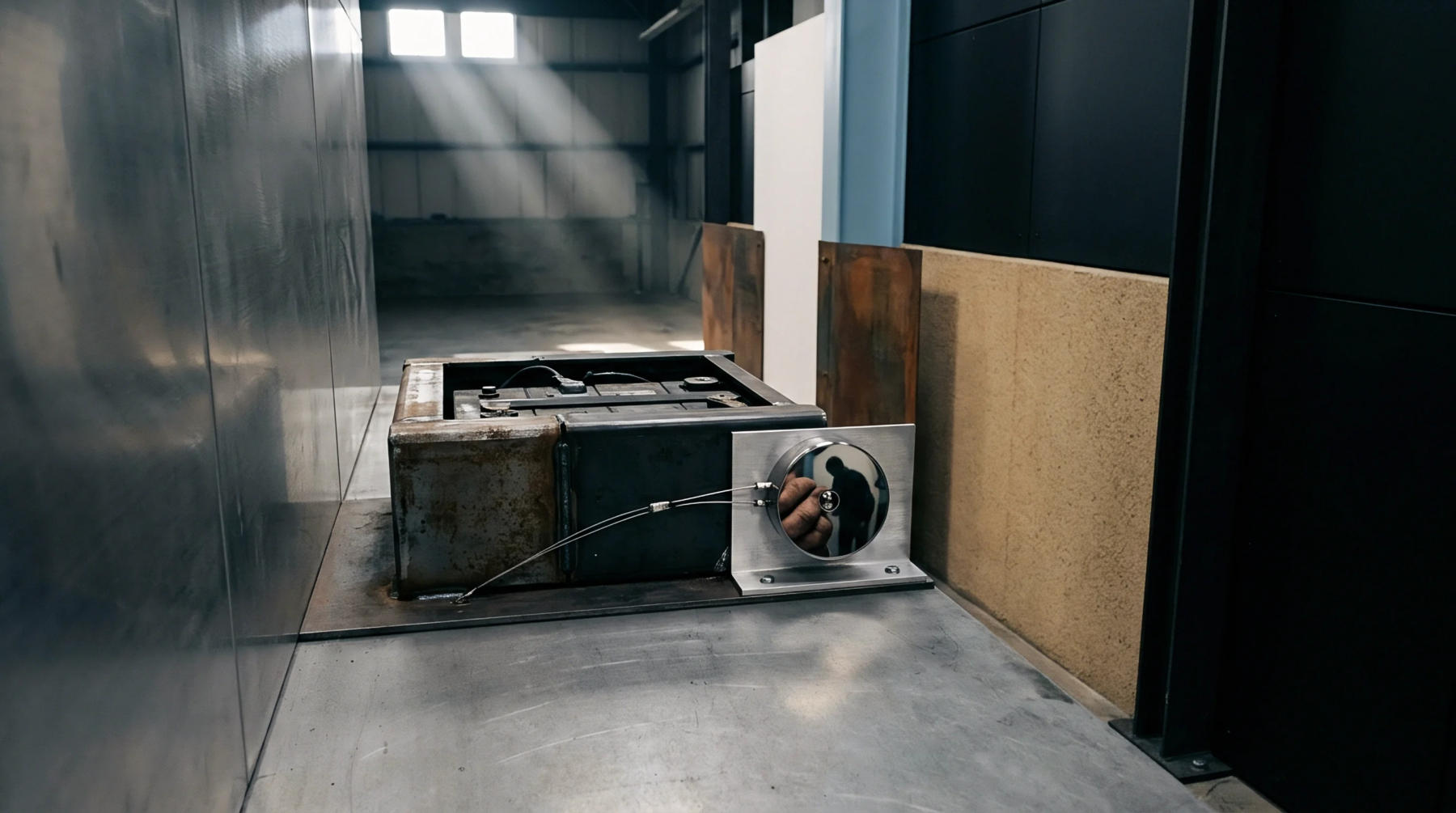
Auditing foreign ISO 17025 links requires validating the laboratory scope schedule against ILAC MRA databases to ensure UN 38.3 safety file compliance.
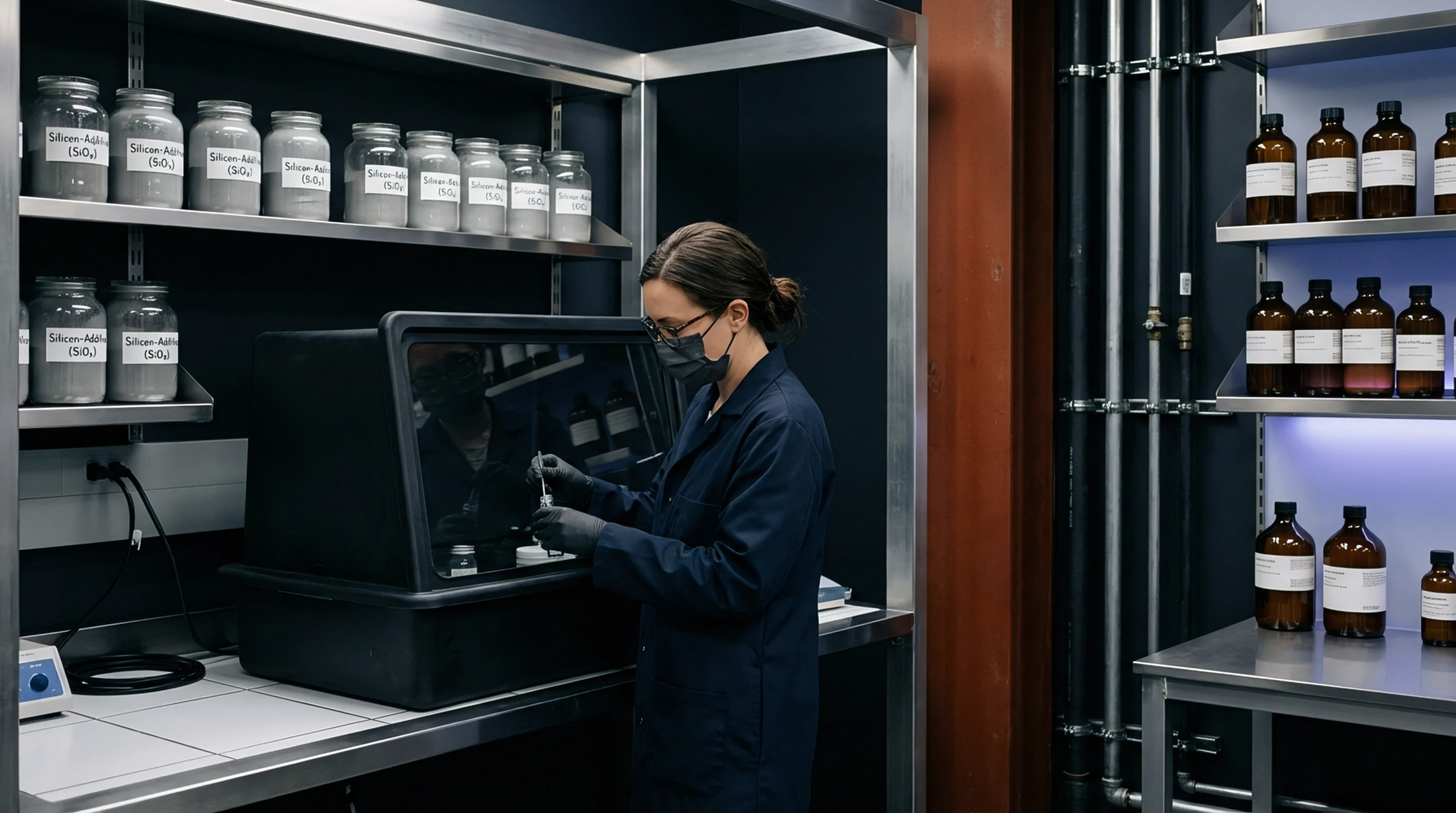
Port entry verification of UN 38.3 test summaries requires cross-referencing laboratory ISO 17025 scope schedules against cell mass and test parameters.
Resolve transborder cell test liabilities by enforcing ILAC-MRA accredited retesting, securing escrow retentions, and substituting compliant dangerous goods dossiers.
Validating ISO 17025 lab schedules and continuous cell batch traceability prevents air transport cargo rejection and shifts regulatory liability to suppliers.

Auditing battery laboratory accreditations requires matching exact test standards against ISO 17025 scopes while enforcing drift limits on cell data.

Subcontracted battery test summary defects trigger customs seizures, exposing importers to demurrage and fines solvable only via uncapped indemnities.

Customs clearance for imported cells requires an authenticated UN 38.3.5 test summary, compliant SDS, and validated laboratory scopes to pass border entry audits.
Validating ISO 17025 ILAC accreditation scopes for UN 38.3 test summaries before shipment prevents carrier refusals and port impoundments.

Verify UN 38.3 reports by matching test dates against active ISO 17025 scopes from ILAC MRA national registries before shipping to avoid customs holds.

Auditing UN 38.3 summary files against lab accreditations and physical cell parameters before export prevents dock holds, demurrage charges, and carrier rejections.

Verifying UN 38.3 test summaries requires matching physical cell markings, mass, and laboratory ISO 17025 scope against mandatory section 38.3.5 fields.

Cross-border cell movement requires an unbroken paper trail linking UN 38.3 lab tests, 30% SOC limits, GHS safety data sheets, and local customs filings.
Unverified third-party battery test scopes leave importers legally liable for transport fines, customs seizures, and uninsurable thermal failures.

UN 38.3 test summary audits require verifying ten mandatory 38.3.5 elements against ISO 17025 lab scope data to prevent carrier dock rejections.
Expertise is a utility, not a secret. sentiention™ publishes its working knowledge as open reference: intelligence layer covering the materials it sources, the markets it enters, and the reference that serves both.