Meaning
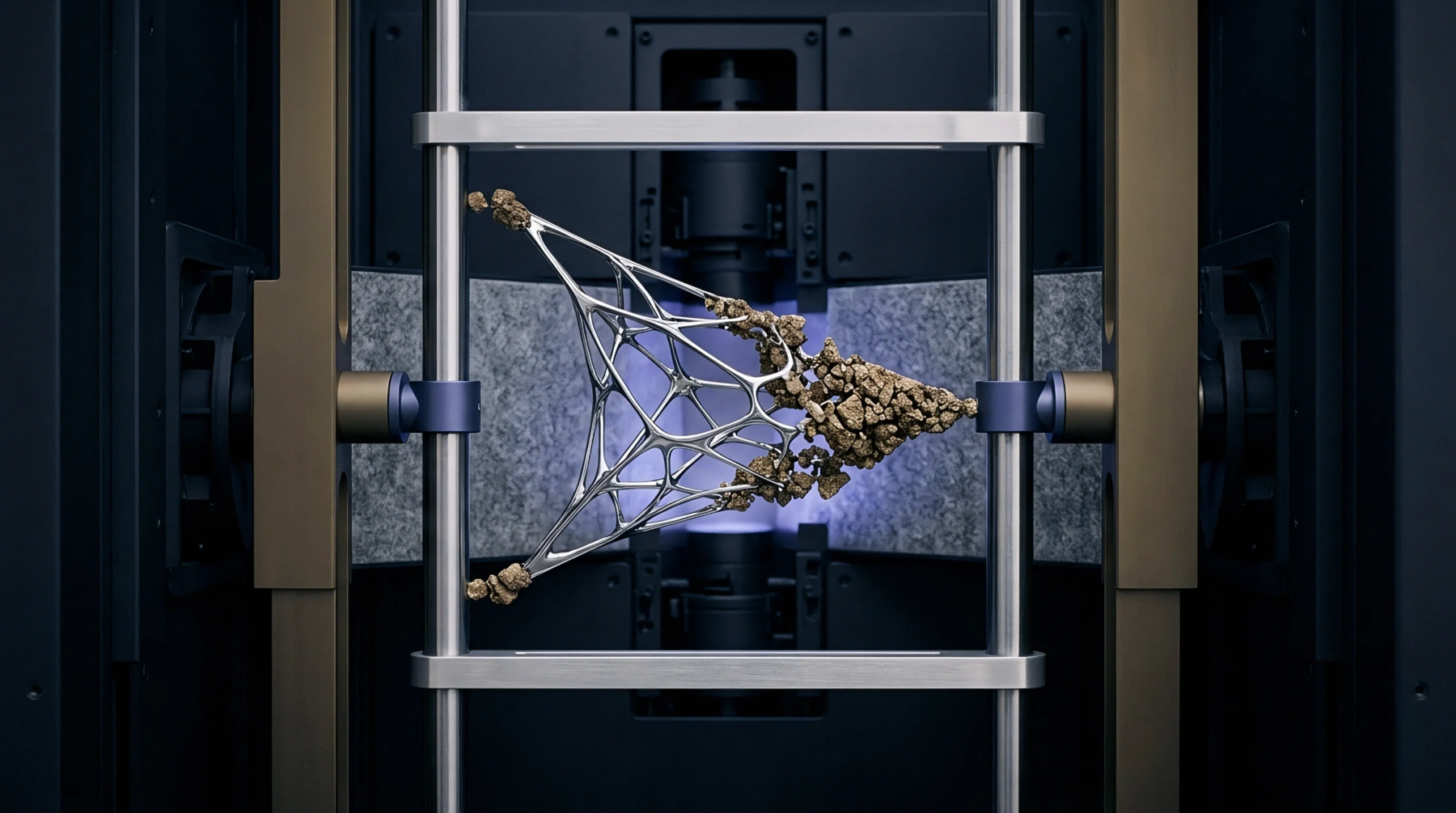
Physical expansion forces exert load on the internal and external components of a battery during cycling. Ions moving between electrodes cause cell swelling pressure as the volume of the active material changes during charge and discharge. This force must be managed to prevent structural failure of the housing.
Volume Change
Anode and cathode materials expand as they accept lithium ions. The cell swelling pressure increases during the charging phase and reaches its peak at full capacity. Silicon based anodes exhibit much higher expansion than standard graphite versions.
Housing Constraint
Rigid frames or flexible pouches respond differently to internal loads. A measured cell swelling pressure informs the design of the module walls and the tension of the securing straps. Engineers calculate the maximum force to ensure the casing does not crack or deform.
High pressure can compress the separator and increase the risk of an internal short circuit. Testing at various temperatures identifies the worst case scenario for the physical integrity of the unit.
Structural Safety
Safety margins must account for the cumulative effect of thousands of cycles. Excessive cell swelling pressure leads to the mechanical fatigue of the container and the cooling interface. Managing this force is necessary to maintain the thermal contact between the cells and the heat sink.