
Separation of Lithium Inventory Loss and Active Material Loss in Stationary Storage
Low-rate differential voltage analysis decouples lithium inventory depletion from active material loss, identifying capacity knee risks before failure occurs.
Low-rate differential voltage analysis decouples lithium inventory depletion from active material loss, identifying capacity knee risks before failure occurs.
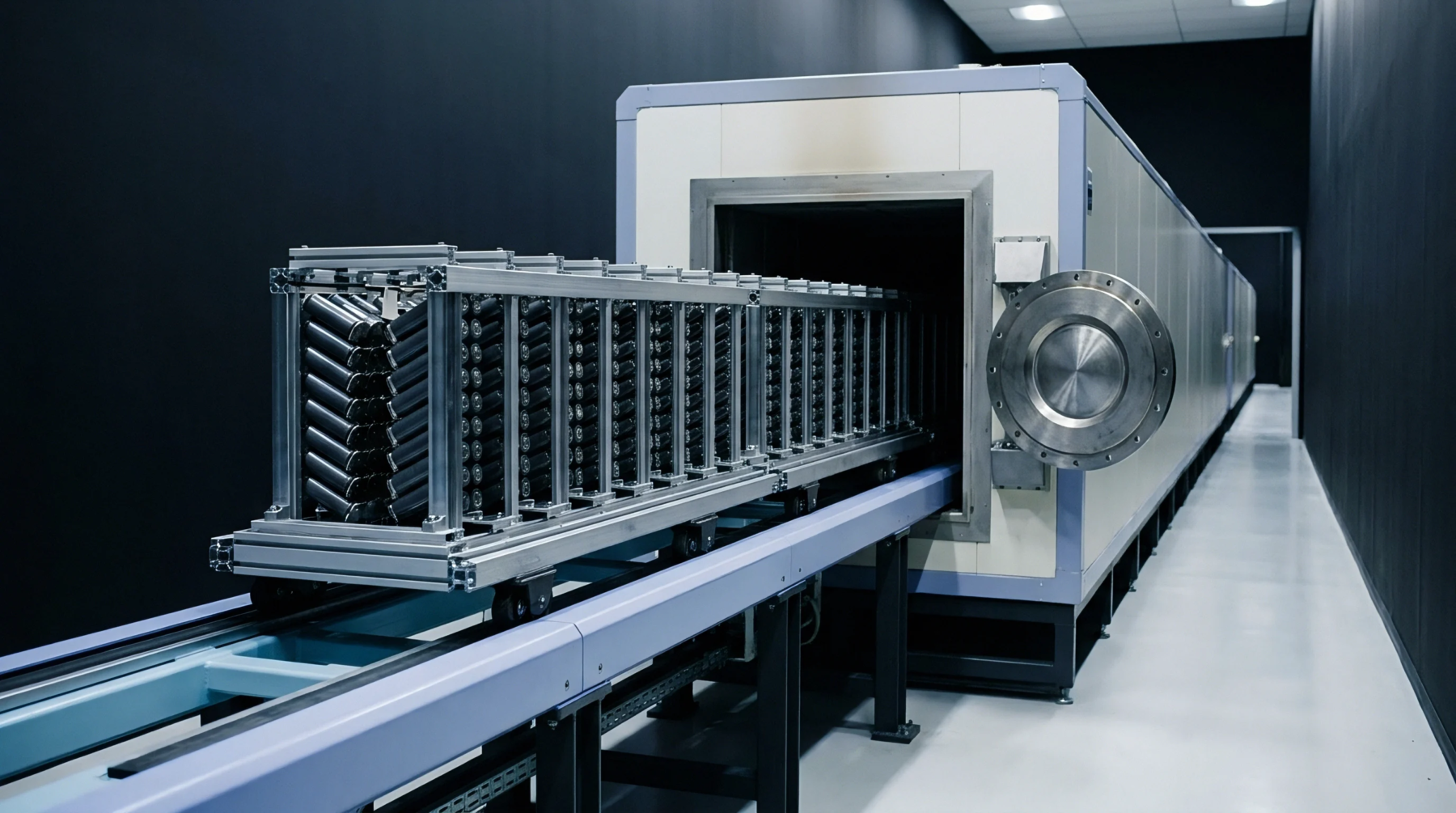
Thermally corrected degradation mode quantification decouples kinetic impedance masking from true lithium inventory loss to prevent false warranty claims.
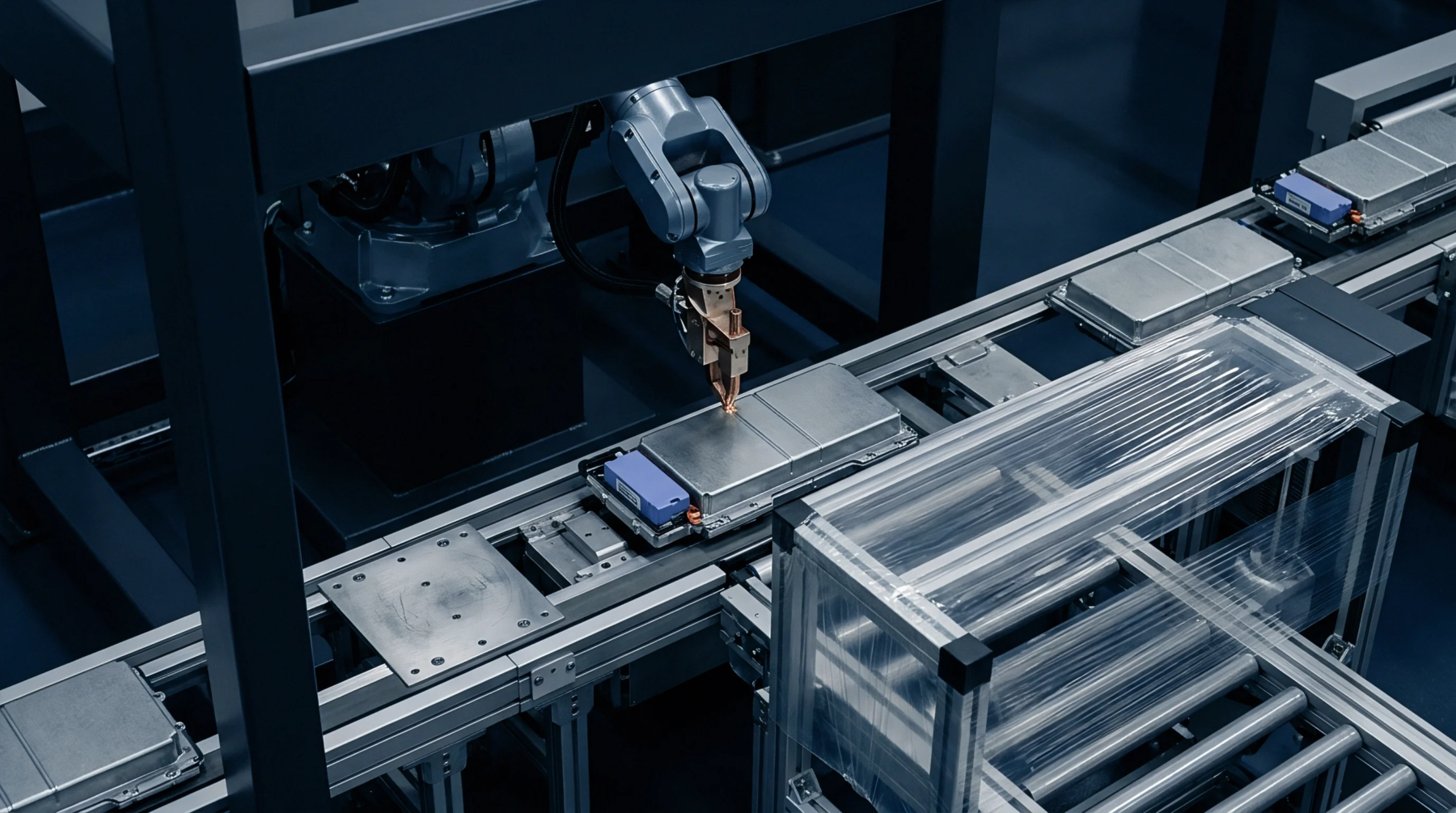
Nonlinear knee fade in LFP cells occurs when SEI growth exhausts cyclable lithium inventory, triggering rapid anode overpotential escalation and plating.
Mitigating state of charge drift on flat voltage plateaus combines shunt calibration, adaptive filtering, and periodic voltage knee recalibration.

Differential capacity analysis detects cell degradation early by tracking microvolt phase shifts and peak areas under low C-rate charging.
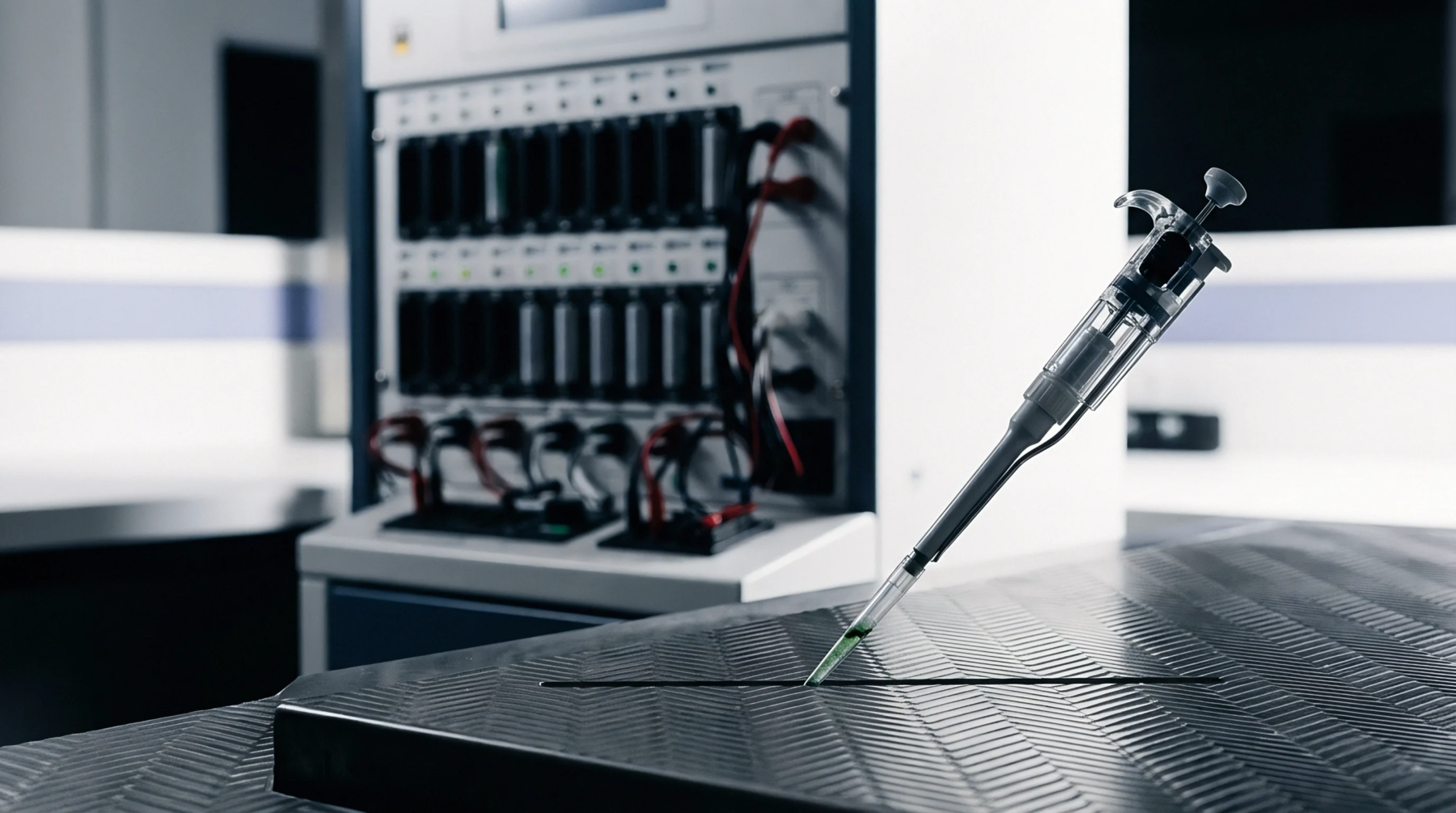
Extended low-rate galvanostatic bench testing isolates active lithium loss from active material degradation to protect cell warranties and transport compliance.

Multi-tab current imbalance distorts capacity derivative peaks, requiring rate-scaled differential voltage filtering to isolate true active material degradation.

Extended calendar aging consumes cyclable lithium through solid electrolyte growth, requiring differential capacity verification before warranty assignment.

Internal thermal gradients accelerate prismatic cell active material loss by driving localized current crowding, high-temperature SEI growth, and particle cracking.
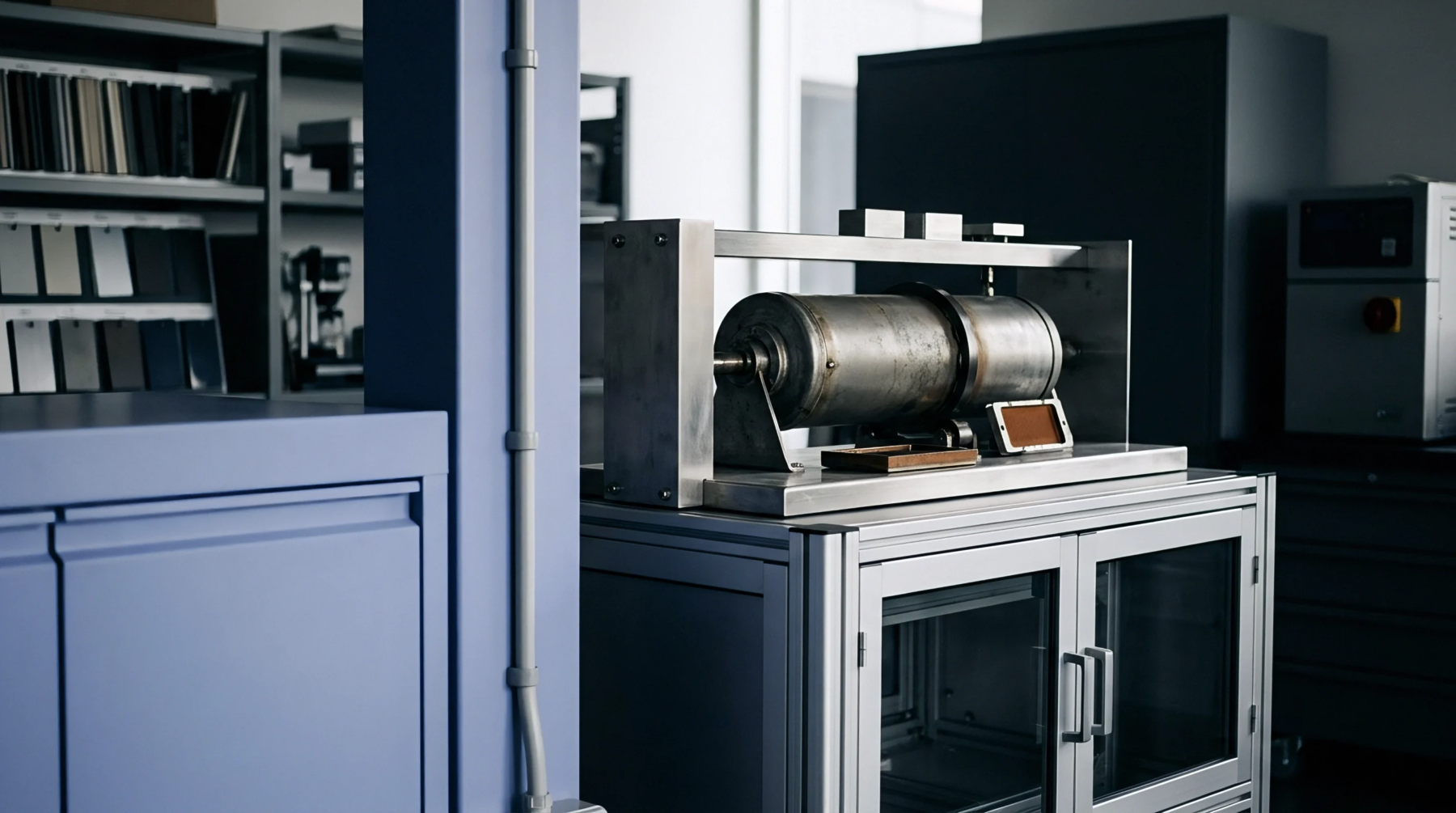
Differential capacity analysis extracts thermodynamic phase boundaries to deconvolve lithium inventory loss from active material degradation non destructively.

Calendar capacity loss diagnostic separation isolates reversible lithium inventory depletion from permanent host lattice destruction to settle battery warranty liabilities.

Resolving flat LFP voltage plateaus depends on temperature-corrected differential voltage curves to eliminate state-of-charge drift and warranty risk.

Intra-cell thermal gradients distort electrochemical signals, leading diagnostic tools to mistake thermal smearing for capacity loss; gradient-aware math prevents premature pack retirement.
Quantifying capacity knee initiation requires tracking differential voltage peak shifts and post-charge relaxation kinetics under combined dynamic stresses.
Expertise is a utility, not a secret. sentiention™ publishes its working knowledge as open reference: intelligence layer covering the materials it sources, the markets it enters, and the reference that serves both.