Meaning
Progressive loss of liquid electrolyte volume inside a sealed battery cell leads to increased internal impedance and reduced usable storage capacity. Occurrence of electrolyte dry-out limits the operational lifespan of lithium batteries by depleting the liquid phase necessary for ion transport between electrodes. Evaporation through imperfect casing seals, parasitic consumption during continuous solid electrolyte interphase repair and gas formation during high-voltage decomposition drive this degradation mode.
As liquid volume drops, porous separator pores and active material pores lose ionic wetting, creating dead regions that no longer participate in charge storage. The phenomenon describes internal liquid depletion in liquid-electrolyte cells, whereas solid-state battery systems operate without liquid phase mechanisms.
Depletion Mechanisms
Chemical consumption and external leakage act as twin primary drivers of liquid loss throughout the operational life of the cell. Parasitic side reactions at the anode continuously consume organic solvent molecules to rebuild damaged passivation layers. High operating temperatures accelerate solvent vapor generation, raising internal cell pressure and driving slow micro-leakage through pouch seals or safety vent gaskets.
Overcharging breaks down carbonate solvents electrochemically, producing gaseous byproducts that vent out of the cell package. As liquid levels decline, dry regions form within the electrode core, blocking lithium ion transport and raising localized internal resistance. Reduced wetting accelerates current crowding in remaining wetted zones, speeding localized cell aging.
Impedance Impact
Loss of liquid transport media increases bulk electrolyte resistance and charge transfer resistance across active material interfaces. Electrochemical impedance spectroscopy detects dry-out through a rapid increase in the high-frequency real axis intercept and expanding semi-circle arcs. Rising internal resistance causes steep voltage drops under load, triggering early low-voltage cutoff limits during discharge.
Thermal generation increases significantly due to higher resistive heating, creating a destructive feedback loop that further speeds electrolyte evaporation. Usable cell capacity drops sharply once ionic pathways become discontinuous across active electrode faces. Severely dried cells exhibit permanent capacity loss that cannot be recovered through thermal or electrical conditioning.
Prevention Strategies
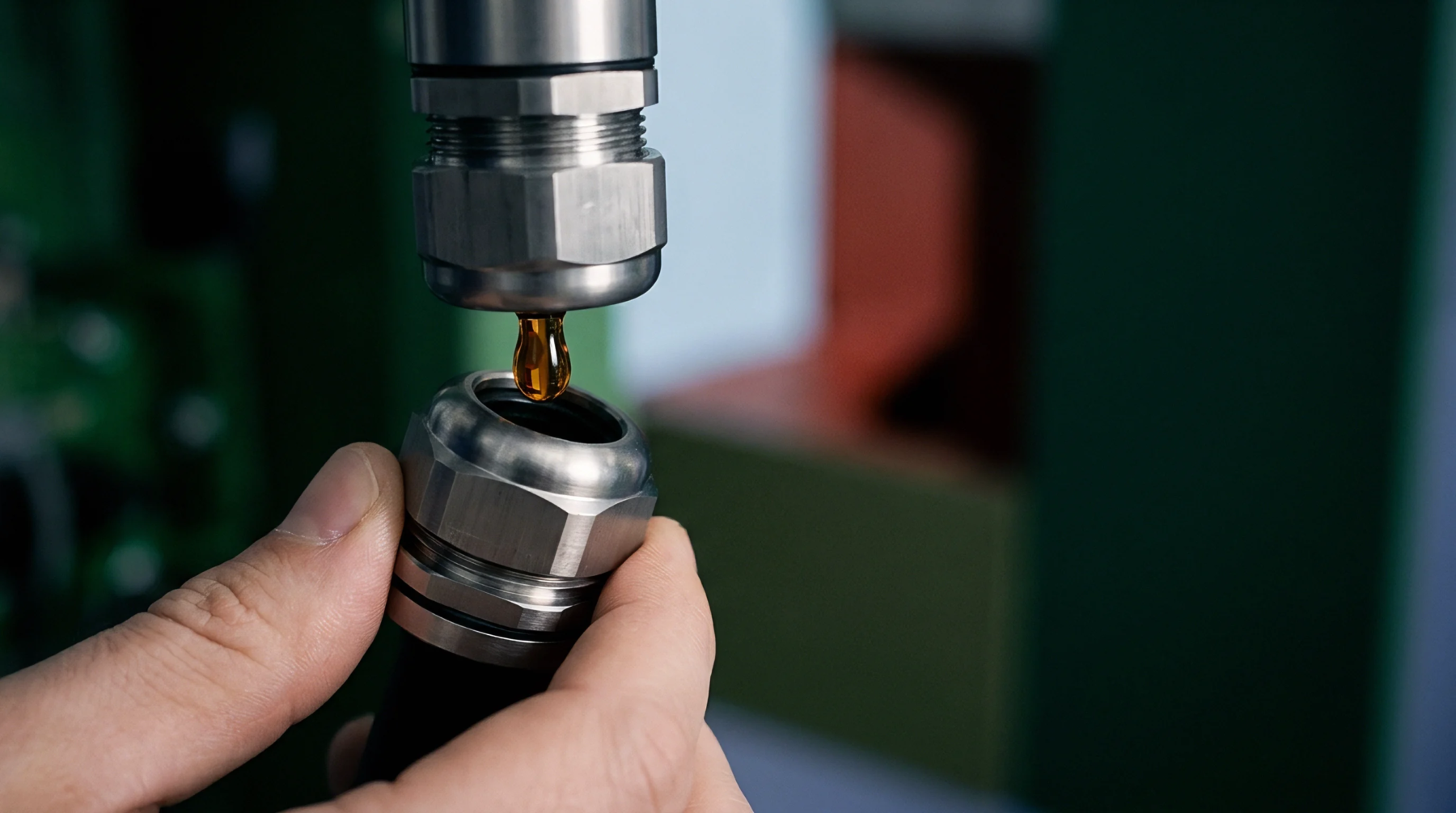
Cell manufacturers mitigate liquid loss through advanced seal engineering, electrolyte formulation additives and precise fill volumes. Incorporating film-forming additives creates stable passivation layers that suppress continuous solvent consumption during cycling. High-precision electrolyte filling machines deliver exact volumetric dosing to ensure full pore saturation while leaving an optimized liquid reservoir.
Enclosure designs utilize multi-layer aluminum laminate films or laser-welded stainless steel cans to achieve extremely low moisture and solvent vapor transmission rates. Operating battery packs within strict temperature and voltage windows minimizes gas generation and thermal degradation of the electrolyte. Precise thermal management extends operational lifetime by preserving liquid volume.