
Subzero Lithium Plating Thermodynamics in Lithium Ion Anodes
Subzero lithium plating occurs when sluggish desolvation and diffusion force graphite potential below 0.000 V, triggering irreversible metallic deposition.
Subzero lithium plating occurs when sluggish desolvation and diffusion force graphite potential below 0.000 V, triggering irreversible metallic deposition.
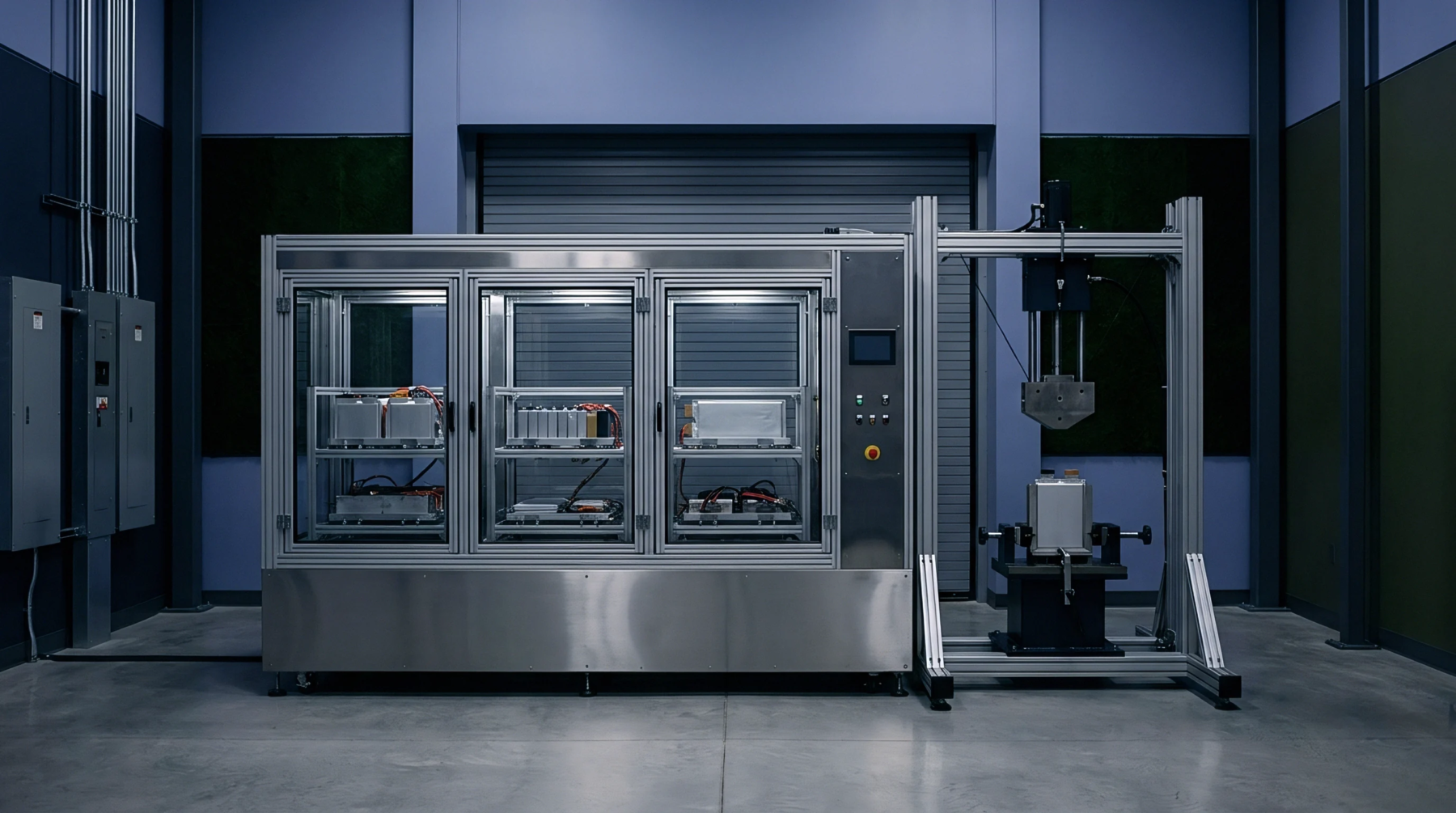
Microsecond timing skew between acquisition channels distorts cell ohmic resistance calculations, causing false batch grading and pack thermal imbalances.

Subzero rapid lithium stripping forces desolvation kinetic inversion, demanding fluorinated low-viscosity electrolytes to suppress interfacial overpotential.

Electrochemical impedance spectroscopy identifies lithium plating through charge-transfer resistance drops, DRT peak splits, and post-charge relaxation shifts.

Active preheating circuits prevent sub-zero lithium plating by raising core temperatures above five degrees Celsius before high-rate charging commences.

Sub-zero cell qualification requires verifying charge-transfer impedance and anode overpotential thresholds to prevent irreversible field lithium plating.

Subzero storage increases charge transfer resistance and fractures the solid electrolyte interphase, requiring low SoC levels and post-storage equilibration.

Subzero capacity retention drops primarily due to desolvation impedance and electrolyte viscosity rise, making active pre-heating mandatory to avoid plating.
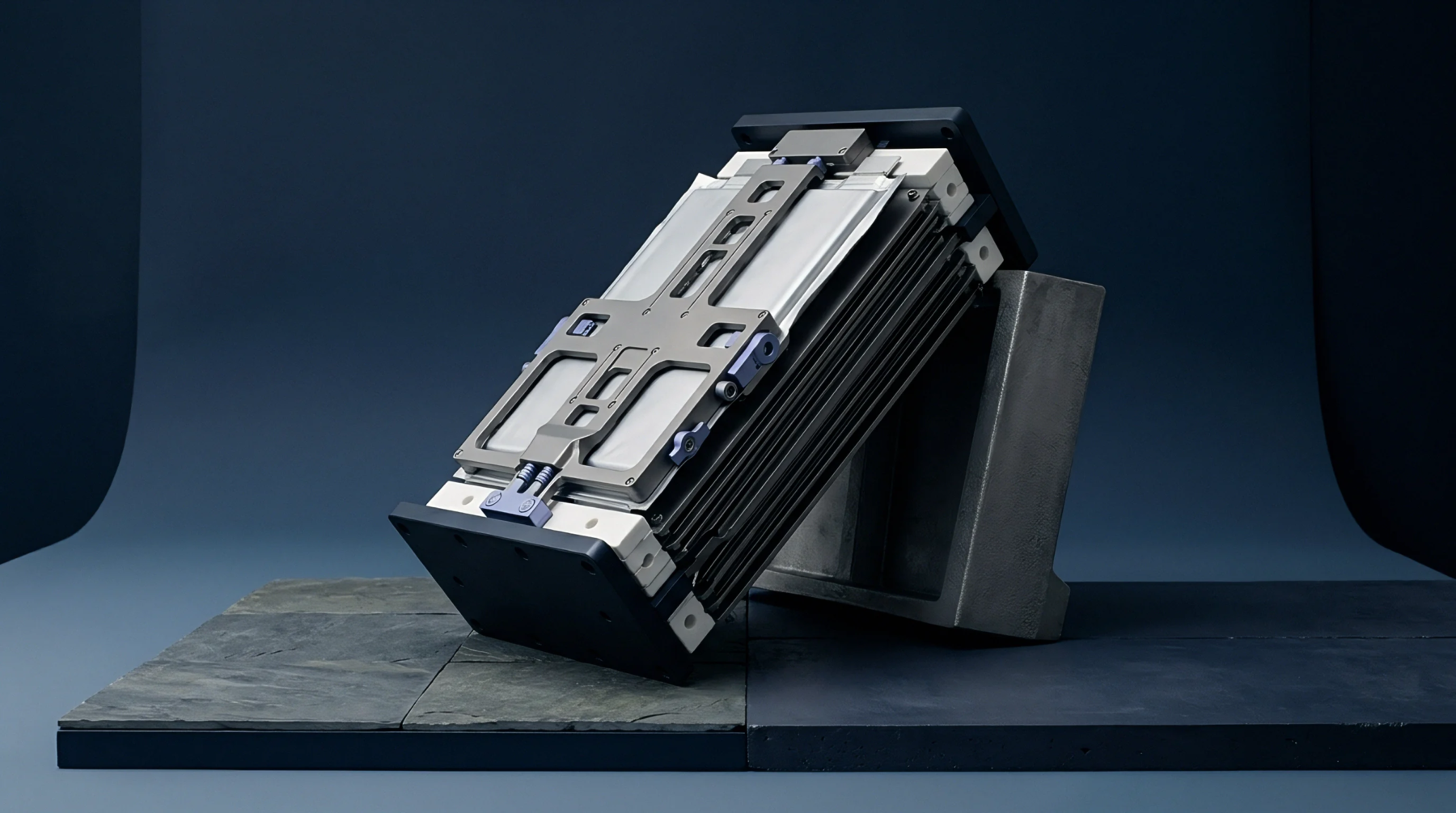
Subzero capacity testing requires calibrated thermal soak times and strict voltage cutoff standardization to prevent artificial capacity truncation and unrecorded lithium plating risks.

Localized current crowding and phase gradients distort fast screening diagnostics, masking localized lithium plating and causing premature cell capacity knees.

Low current cycle testing resolves structural phase changes and parasitic side reactions to screen out micro-shorts before pack assembly.

Operando relaxation voltage analysis pinpoints reversible metallic lithium plating by isolating the mixed-potential plateau and dV/dt inflection during rest.

Differential capacity analysis identifies lithium plating onset through stripping peaks during relaxation, protecting fast-charging cells from dendrite growth.

Decoupling mechanical swelling signals isolates reversible sub-zero lithium plating from permanent capacity loss to optimize low-temperature fast charging limits.

Solid interphase formation consumes active cathode lithium during initial cycling, driving long term capacity decay through continuous solvent reduction.

Quantify reversible lithium stripping by integrating baseline-subtracted discharge dQ/dV peaks above 3.35V recorded immediately after low-temperature charge.

Isothermal voltage relaxation analysis isolates lithium plating and anode degradation non-destructively by mapping voltage decay time constants after current cut-off.

Automated peak deconvolution separates loss of lithium inventory from electrode degradation, giving buyers precise early visibility into cell health.
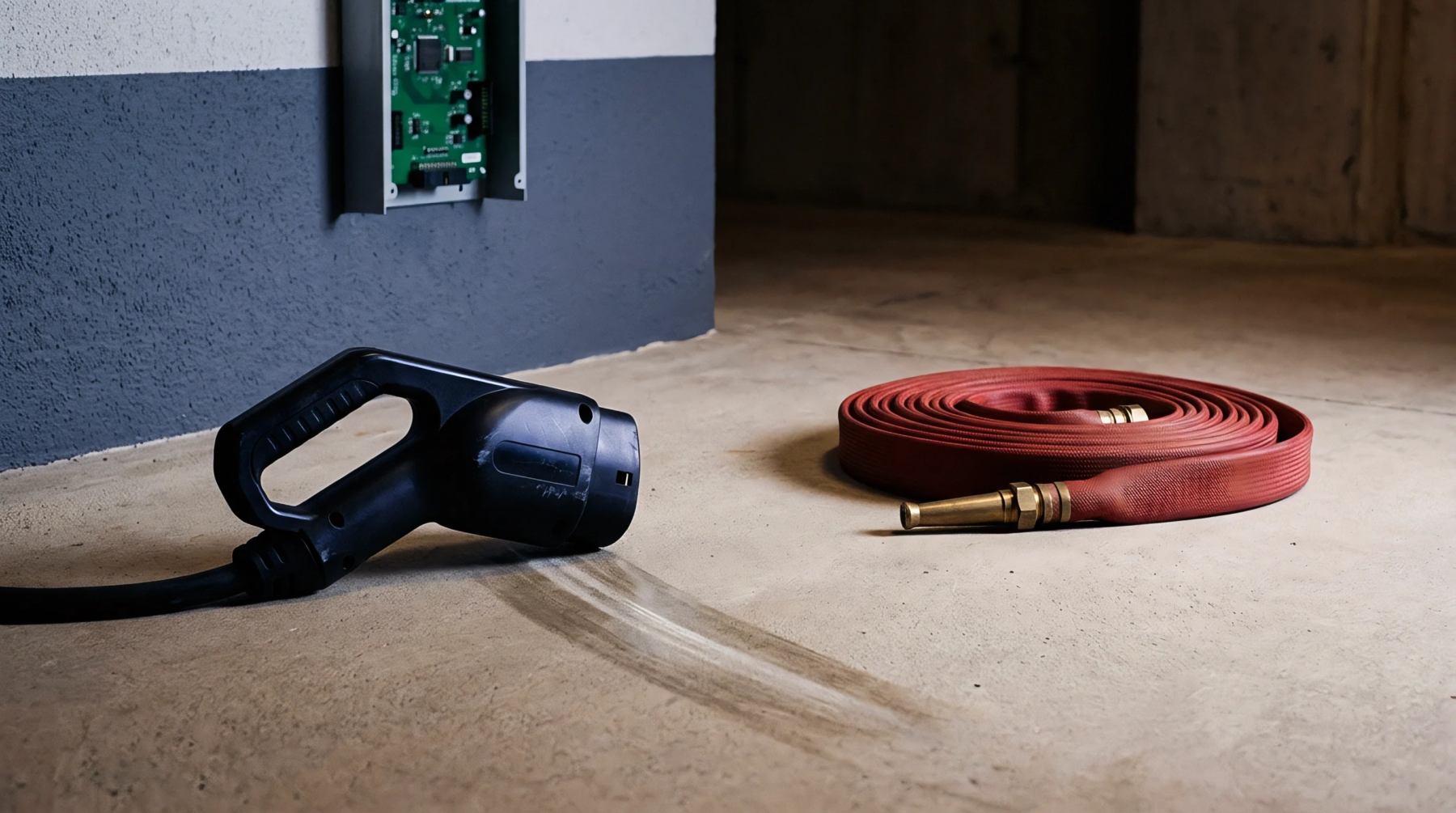
Fast charging accelerates mechanical particle microcracking and active lithium loss, reducing cell life and changing UN 38.3 thermal safety parameters.

Active lithium loss during transport stems from temperature-driven side reactions and requires differential voltage screening before contract acceptance.

Differential capacity analysis resolves cell degradation modes to verify manufacturing batch consistency and validate regulatory shipping state.

Lithium inventory loss in commercial LFP cells is driven by secondary interphase growth and isolated using low C-rate differential capacity analysis.

Manganese crossover accelerates anode impedance growth by catalytic SEI breakdown, demanding elevated temperature diagnostic screening and strict contract terms.

Cyclic compression accelerates polypropylene seal creep in swelling pouch cells, creating sub-micron capillaries that breach hermeticity and invalidate UN 38.3 transport safety filings.

Coupling operando spectroscopic metrology with electrochemical kinetic models extracts true passivation reaction rates to predict battery lifetime and limit sourcing risk.
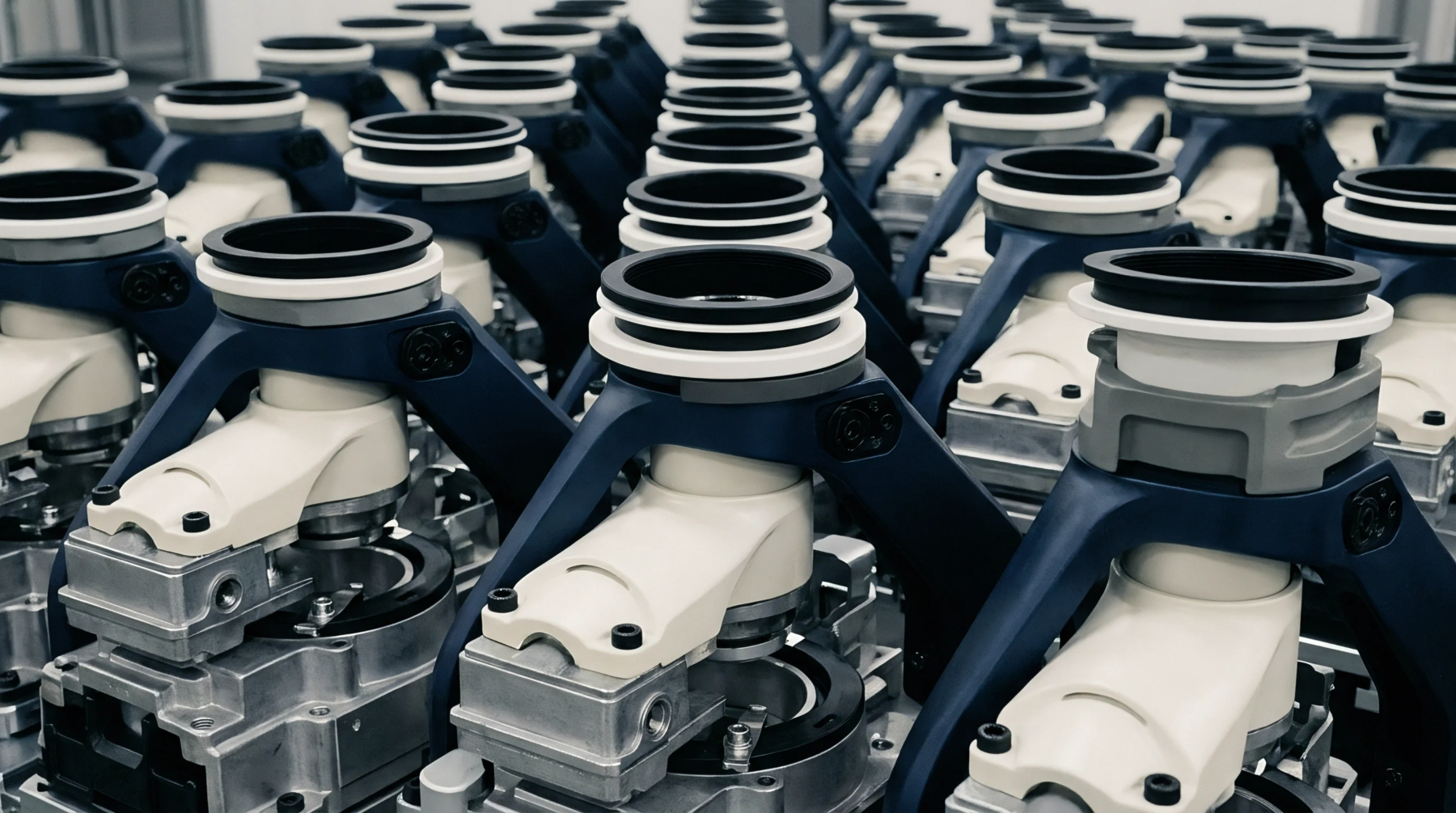
Elevated temperature formation accelerates passivation while requiring strict thermal control to prevent excessive active lithium inventory loss.

Knudsen number corrections resolve sub-micron pouch seal leakage errors by shifting tracer gas conversions from viscous models to molecular effusion physics.

Interphase stability hinges on controlled initial reductive decomposition, sacrificial additive consumption, and uniform high-temperature stabilization.

Triaxial compressive stress shifts silicon phase transformation equilibrium, requiring calibrated module stack pressure to prevent capacity loss and voiding.

Silicon anode volume changes generate severe mechanical stress and voltage hysteresis, requiring engineered void space and controlled stack pressure to preserve cell life.
Expertise is a utility, not a secret. sentiention™ publishes its working knowledge as open reference: intelligence layer covering the materials it sources, the markets it enters, and the reference that serves both.