
Buying Cells against Buying Packs and Where Responsibility Sits
Buying cells requires owning BMS development, weld quality, thermal isolation, and pack safety files; buying packs trades unit margin for transferred liability.
Buying cells requires owning BMS development, weld quality, thermal isolation, and pack safety files; buying packs trades unit margin for transferred liability.

Sodium ion cells offer compelling low-temperature performance and transport safety advantages, but energy density gaps and hard carbon pricing limit immediate adoption to target duties.
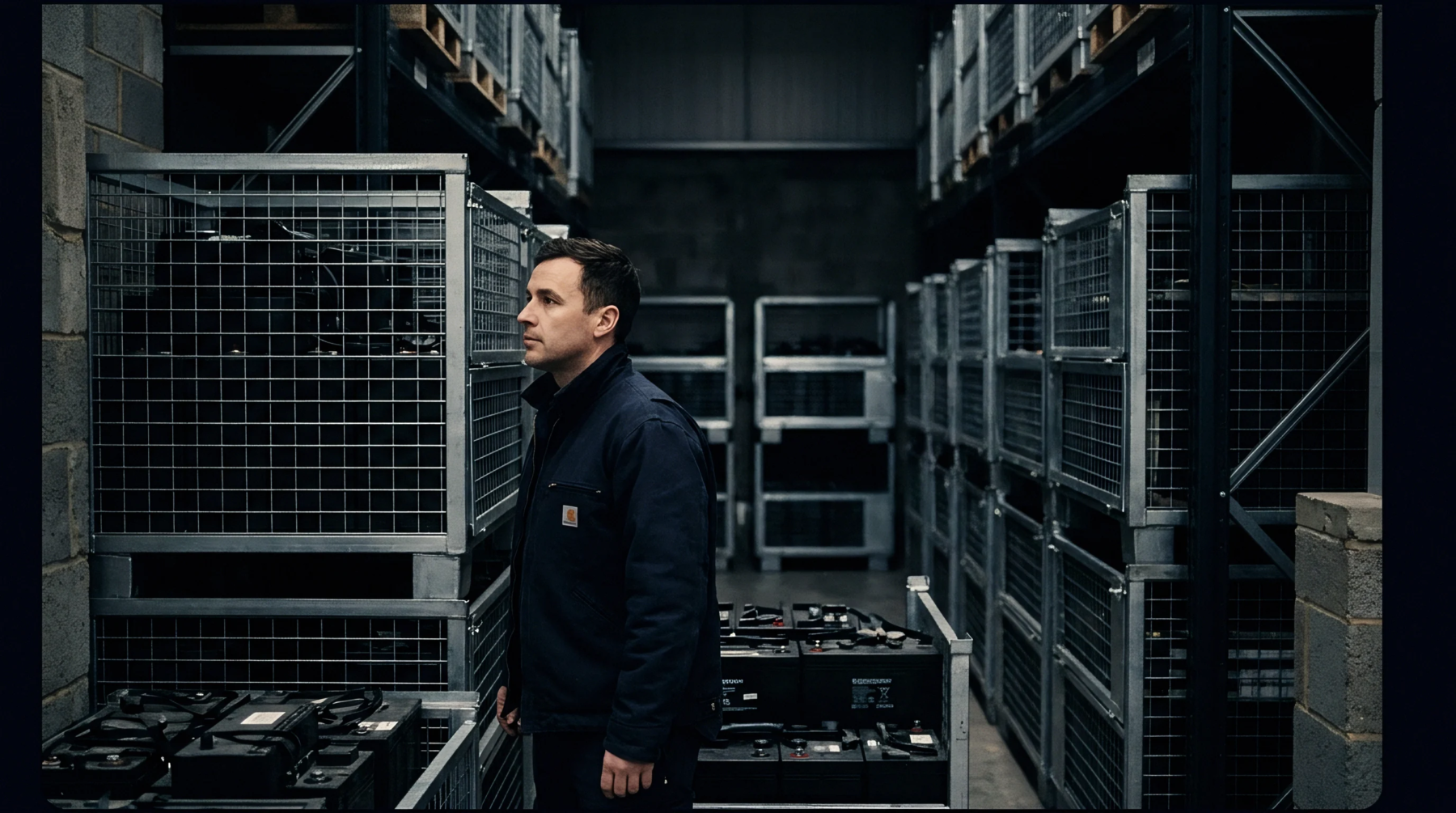
Datasheet shelf life claims hide permanent capacity loss and resistance growth; real storage stability demands dock impedance screening and temperature tracking.

Sub-zero lithium-ion charging without precise current derating triggers irreversible anode plating, driving immediate capacity loss and fire hazards.

Capacity grading accuracy depends on controlling thermal soaking windows, pneumatic pin resistance, and strict four-wire Kelvin probe calibration on the line.

Incoming cell lot clearance requires zero-acceptance sampling combined with temperature-controlled K-value screening to intercept latent internal micro-shorts.

Sodium-ion cells require d002 interplanar spacing above 0.37 nm in hard carbon and stabilized O3/P2 cathode lattices to deliver low-cost zero-volt transport.
Microstructural separator pore collapse and gas evolution during pouch cell storage exponentially increase internal impedance and drive irreversible capacity scrap rates

Transit delays drive cell degradation and document expiry, requiring clear contract clauses to shift re-certification and scrap liabilities to suppliers.
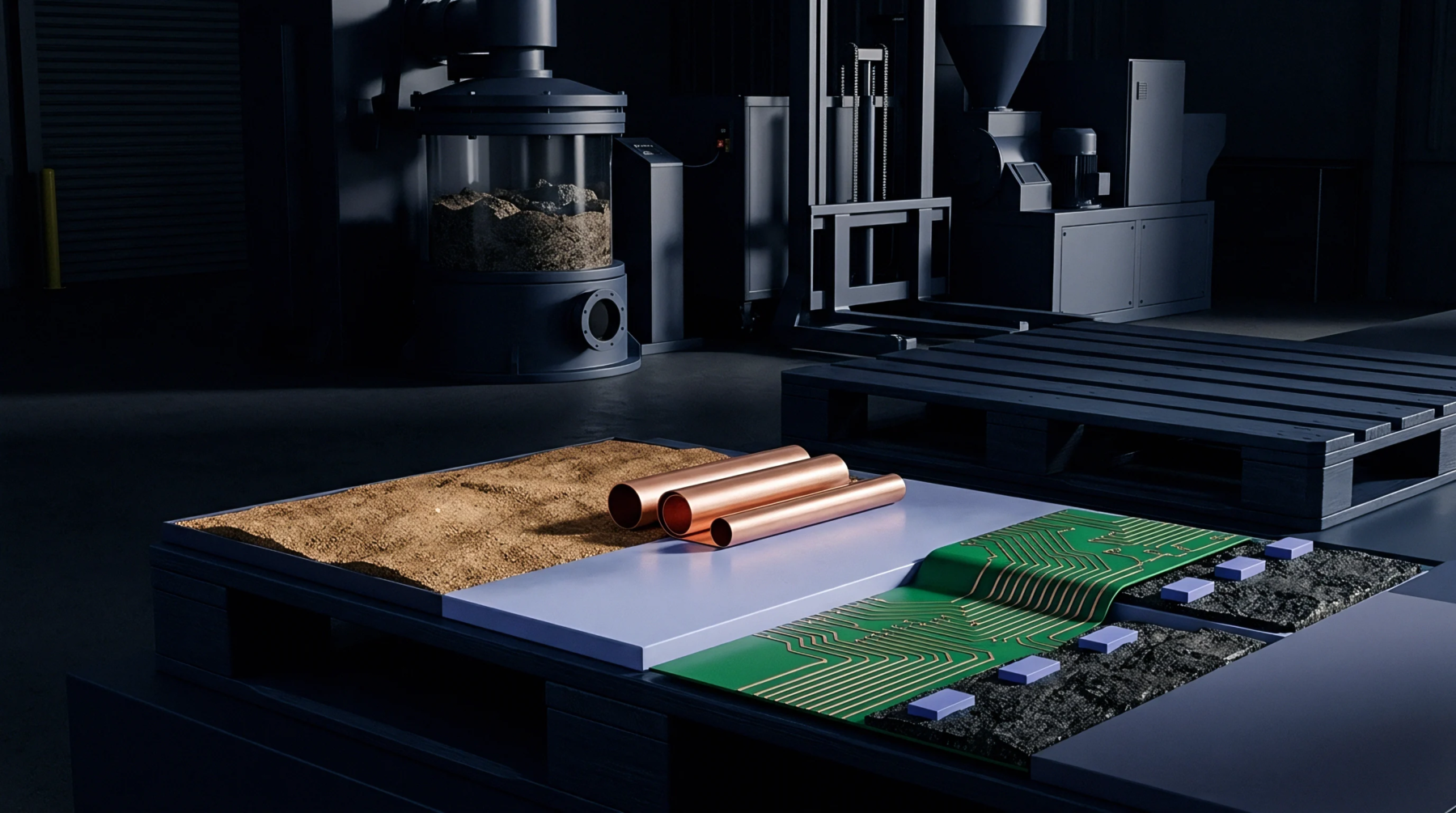
LFP outperforms NMC in non-resting duty cycles by maintaining lattice stability, eliminating continuous microcracking, and cutting cooling costs over 4,000 cycles.
Secondary cell sorting games artificially elevate capacity ratings via thermal and discharge rate manipulation, requiring strict incoming testing to avoid severe pack failure.

Air cargo limits lithium-ion cells to 30% SOC under IATA PI 965, whereas sea freight allows higher SOC to prevent voltage collapse during transit.

Immediate AC-IR screening and differential capacity testing reveal hidden transit degradation and cell capacity variance in sodium ion shipments.

Transporting lithium cells safely obligates buyers to match rigorous electrochemical characterization with enforceable contractual transport riders.

Cell chemistry selection dictates system safety, cycle longevity, thermal cooling architecture, dangerous goods logistics, and levelized storage cost per delivered cycle.

Datasheet cycle life claims overestimate real field performance by up to 45 percent under uncompressed thermal dynamic stress envelopes.

Unenforced warehouse storage rules leave bulk lithium inventory exposed to catastrophic fire risks and uninsured multi-million dollar liability losses.

Sub-zero lithium plating occurs when kinetic polarization drives anode surface potential below zero volts against reference lithium, demanding dynamic current derating profiles in cell procurement contracts.

Electrolyte additive depletion accelerates cathode rock-salt phase shifts, raising charge transfer impedance and triggering transport safety failures.
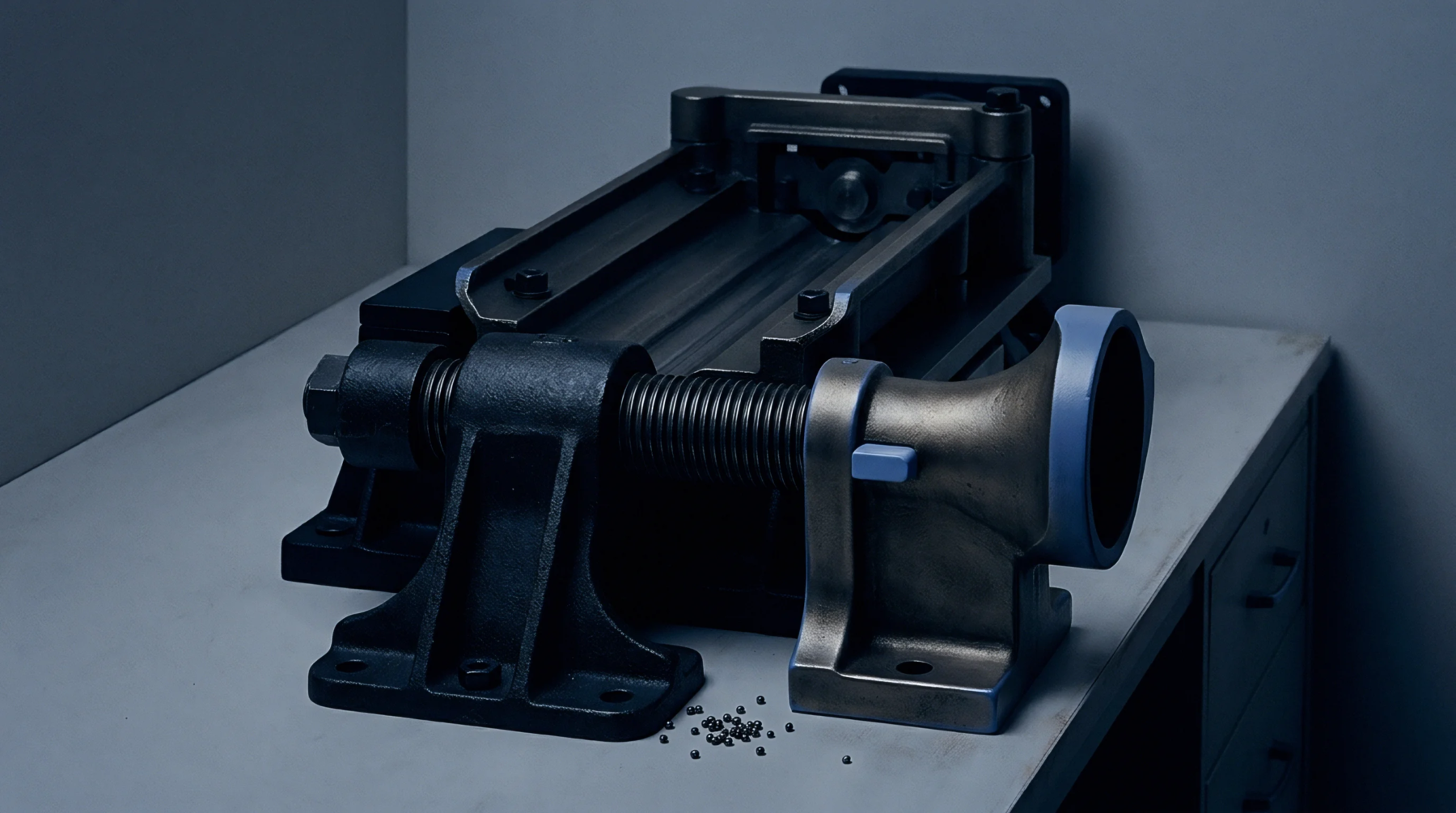
Prismatic LFP degradation stems primarily from loss of active lithium to anode SEI growth, accelerated by high state-of-charge storage and stack pressure.
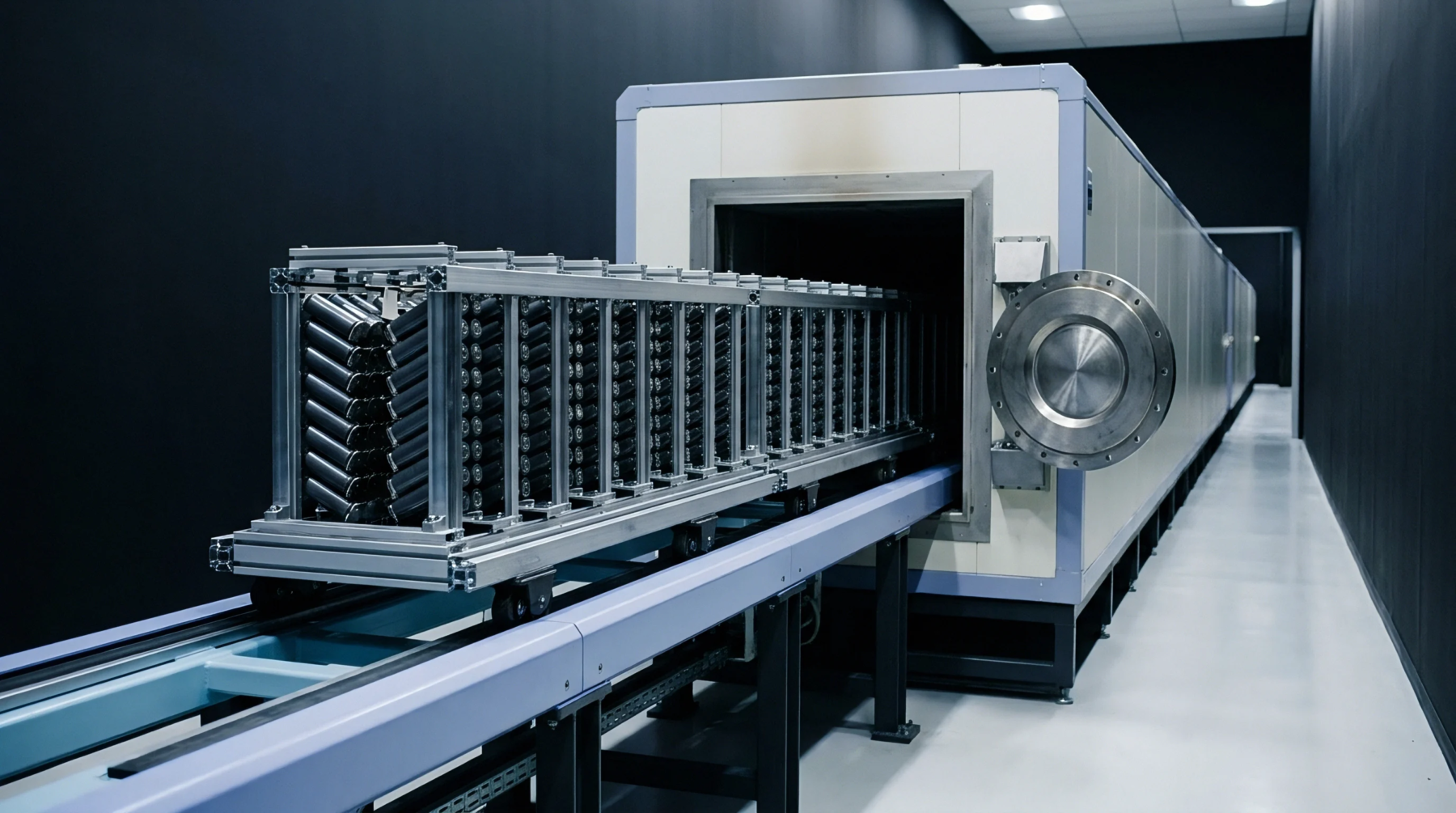
Quantifying capacity knee initiation requires tracking differential voltage peak shifts and post-charge relaxation kinetics under combined dynamic stresses.

Cross-border cell inspection demands dockside atmospheric auditing, 4-point Kelvin impedance profiling, loaded metrology, and ANSI Z1.4 lot sampling.

Commercial fleet cell sub-zero degradation claims require laboratory validation under dynamic thermal regimes to prevent premature capacity failure.

Structural warranty seams rely on precise pressure limits and micro-strain sensor telemetry to separate cell expansion defects from pack structural loading.

Sub-zero fast charging shifts anode kinetics from intercalation to metallic plating; controlling overpotential via pre-heating or step-down profiles prevents rapid cell failure.

Passivation kinetics dictate graphite anode capacity retention, requiring precise SoC transport caps and differential capacity screening to secure cell warranties.

Differential capacity analysis quantifies lithium inventory loss and active material isolation in prismatic LFP cells through C/50 peak voltage shift tracking.

Spatial thermal gradients smearing dQ/dV curves break zero-dimensional degradation models, requiring localized thermal correction to isolate true active lithium loss.

Sub-zero graphite lithiation causes anode potential drops below 0V vs Li/Li+, triggering metallic lithium plating that demands temperature-dependent BMS current limits.

Bio-precursor pyrolysis creates hard carbon anodes whose closed void volume and interlayer spacing govern sodium capacity, initial efficiency, and cell cycle life.
Expertise is a utility, not a secret. sentiention™ publishes its working knowledge as open reference: intelligence layer covering the materials it sources, the markets it enters, and the reference that serves both.