
Structural Phase Transitions in Lithiated Silicon Anode Materials
Enforcing cell lower cutoff voltages above 70 millivolts suppresses Li15Si4 crystallization, tripling silicon anode cycle life and preventing rapid cell swelling.
Enforcing cell lower cutoff voltages above 70 millivolts suppresses Li15Si4 crystallization, tripling silicon anode cycle life and preventing rapid cell swelling.

Plateau voltage flatness creates mathematical observability loss in aged LFP, demanding dynamic pulse injection or differential capacity peak tracking.

Dynamic compression degradation in lithium metal pack tooling requires clear contractual pressure retention SLAs to prevent voiding cell warranties.

Dynamic temperature-dependent OCV modeling accounts for SEI-induced stoichiometric slippage and shifting entropic coefficients to prevent costly pack estimation errors.
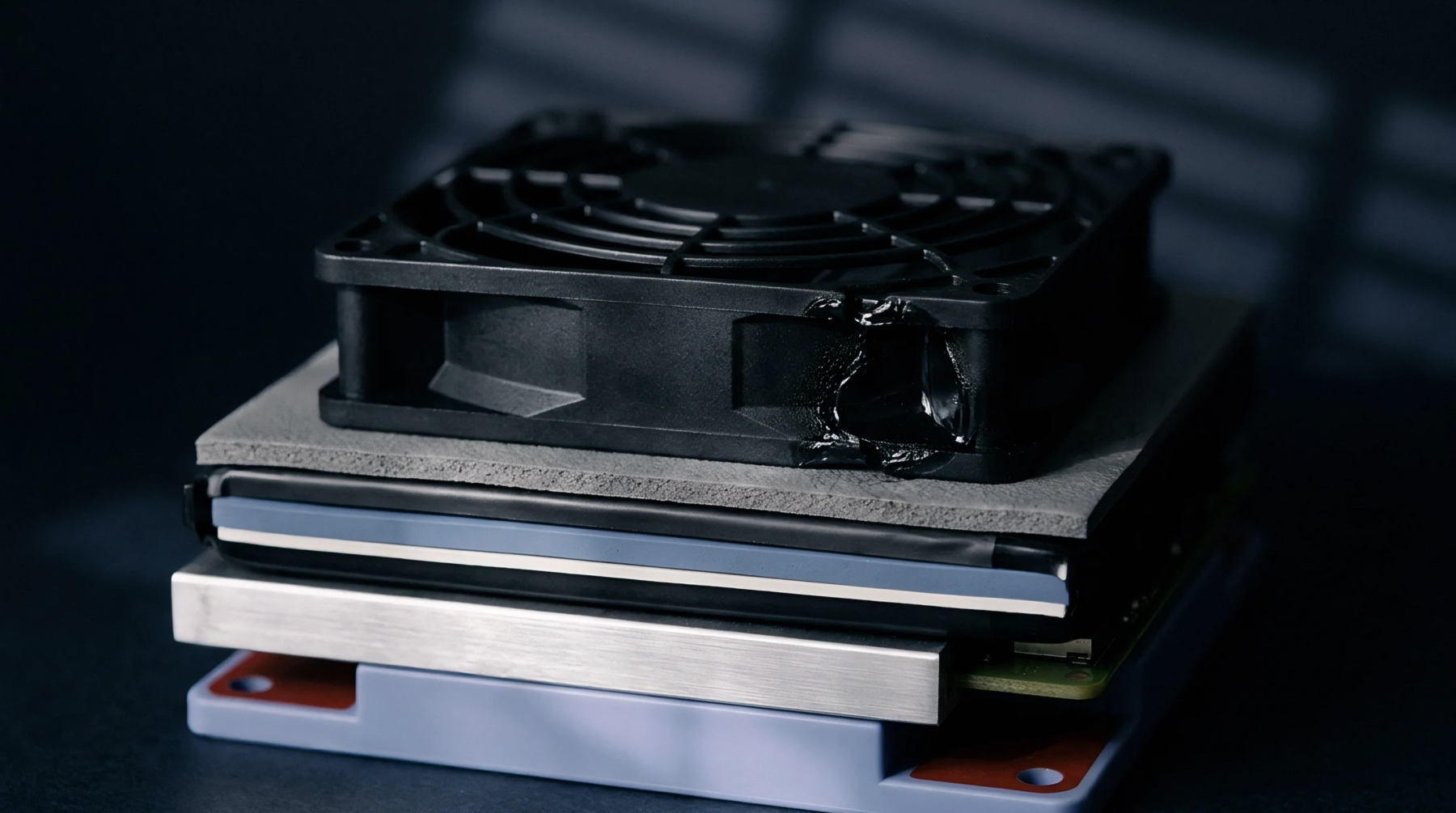
Maintain uniform 50 to 200 kPa stack pressure using compliant silicone or polyurethane pads to prevent stripping voids without causing separator creep shorts.

Automated machine learning decouples analog filter phase delay and ringing artifacts from true battery microstructural noise to ensure diagnostic accuracy.

Gradient porosity in hard carbon sodium anodes directs initial formation gases to surface evacuation channels, protecting capacity and cell geometry.

Zero knowledge telemetry proofs verify battery operating envelope compliance without exposing trade secret load curves, enabling automated multi-vendor liability settlement.

Cryptographic telemetry oracles isolate sub-zero lithium plating from manufacturing defects, driving deterministic warranty execution via smart contracts.

Cryptographic telemetry integrity in cold chain monitoring depends on pairing cold-tolerant cell chemistries with hardware-accelerated micro-burst hash logging.

Cryptographic edge hash telemetry resolves cold weather battery arbitration by proving subzero lithium plating abuse through tamper evident hardware logs.

Subzero warranty defense requires high-frequency cell telemetry that logs transient current pulses and core thermal lag to disprove vendor claims of illegal freezing charge.

Microstructural particle cracking and tortuosity growth drive direct current resistance escalation, dictating battery storage thermal loads and cell augmentation intervals.

Passivation interphase growth follows diffusion-limited parabolic kinetics, scaling interfacial resistance and demanding direct current pulse lot screening.

Resolving overlapping SEI and charge transfer arcs requires multi-sine excitation and DRT deconvolution to prevent latent low-temperature plating failures.

Tracking dQ/dV peak voltage shifts at low C-rates identifies cyclable lithium consumption and predicts non-linear capacity decline before bulk capacity fades.
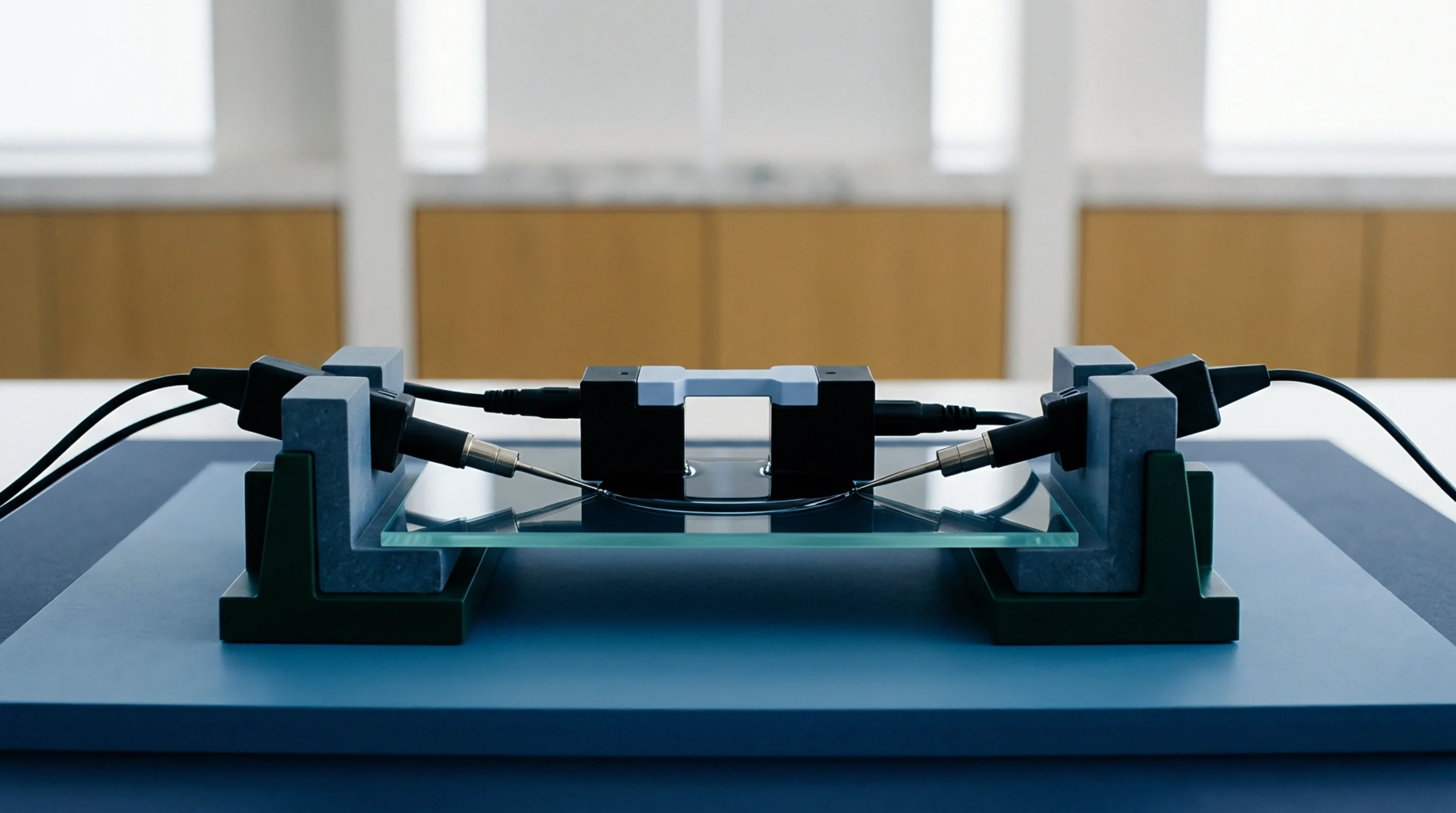
Multi-frequency impedance spectroscopy separates bulk and interfacial cell resistances, isolating manufacturing flaws that static DC and 1 kHz checks miss.

Calibrate particle observer matrices by mapping empirical diffusion and impedance data directly to discretized radial state space operators.

Nonlinear end plate modeling under silicon swelling requires coupling von Karman membrane stiffness to compressible foam curves to prevent terminal fatigue.
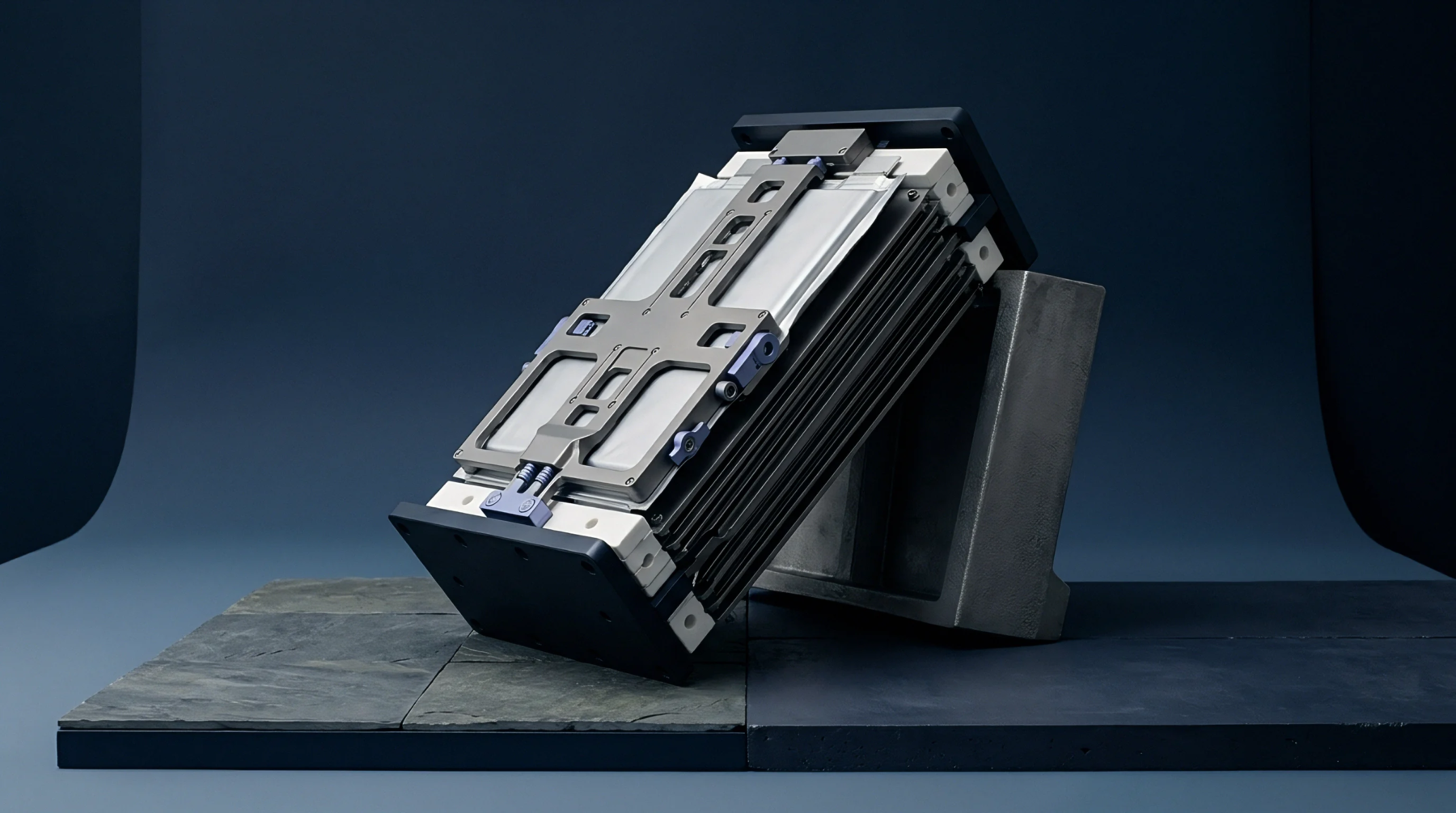
Dynamic swelling in pouch modules demands tuned inter-cell foam compliance and rigid end plates to prevent localized lithium plating and capacity degradation.

Prismatic module enclosures require coupled statistical stacks combining cell manufacturing tolerances with non-linear compression pad and swelling dynamics.

Closed pore volume dictates hard carbon plateau capacity, but high desolvation energy at narrow pore mouths triggers sodium plating under fast charging.
Dynamic stack creep formulations determine cell life by preventing interfacial delamination at low states of charge and lithium plating at high swelling limits.

Low-temperature sodium charging in biomass carbon anodes requires tuning d002 spacing above 0.37 nm and using ether solvents to prevent plating overpotentials.

Finite element modeling of battery end plates requires non-linear contact formulations and hyperelastic foam curves to control cell swell pressure profiles.

Bio-derived hard carbons enable direct sub-zero charging down to -30°C by lowering desolvation energy and preventing dangerous anode surface metal plating.
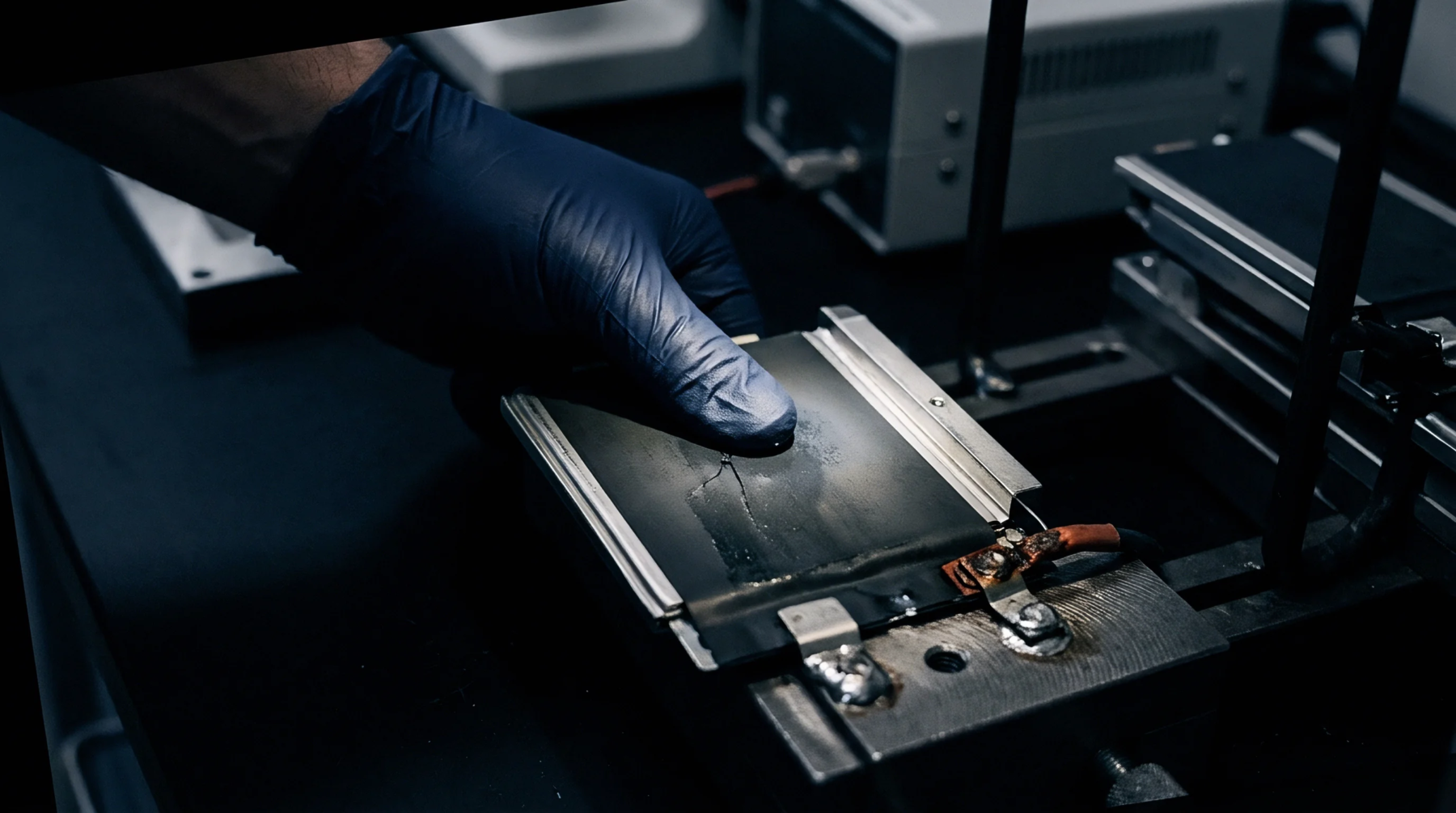
Direct load frame measurement with sub-five-micron displacement control establishes pouch swelling force, isolating irreversible SEI growth from breathing.

Closed pore shrinkage and desolvation limits force sodium plating below zero volts, demanding preheating above ten degrees Celsius to preserve cell life.

Thermal annealing between 1300°C and 1400°C heals vacancies, closes nanopores, and maximizes low-voltage plateau capacity to yield over 88% initial efficiency.

Carbonizing biomass between 1200°C and 1400°C maximizes low-potential plateau capacity, closes external micropores, and boosts initial coulombic efficiency.
Expertise is a utility, not a secret. sentiention™ publishes its working knowledge as open reference: intelligence layer covering the materials it sources, the markets it enters, and the reference that serves both.