
Hard Carbon Anode Precursor Pyrolysis and Initial Coulombic Efficiency
Hard carbon pyrolysis between 1200 and 1400 °C seals open pores, driving initial coulombic efficiency past 88 percent to minimize cathode oversizing costs.
Hard carbon pyrolysis between 1200 and 1400 °C seals open pores, driving initial coulombic efficiency past 88 percent to minimize cathode oversizing costs.

Manganese deposition on graphite anodes catalytically breaks down the SEI, causing continuous lithium consumption and rapid cell capacity loss.
Transition metal transport across separators causes rapid anode SEI decay; quantify crossover via ICP-MS to enforce supplier coating and cycle-life contracts.

Lock the cell bill of materials into frozen and controlled tiers, tying unnotified component swaps directly to lot rejection, duty chargebacks, and warranty liability.
Shock wave breakup shatters nascent oxide skins during reactive alloy atomization, driving rapid oxygen uptake that degrades battery slurry and cell capacity.

Statutory IMDG compliance permits maritime transport, but carrier-specific safety rules dictate vessel loading, requiring matched dossiers before gate-in.

Phase transformation velocity limits in silicon anodes cause severe surface overpotentials and lithium plating whenever charging rates outpace two-phase boundary motion.

Electrochemical cycling drives anisotropic particle volume shifts, fracturing grains and tearing binder networks to accelerate capacity fade under poor clamping.
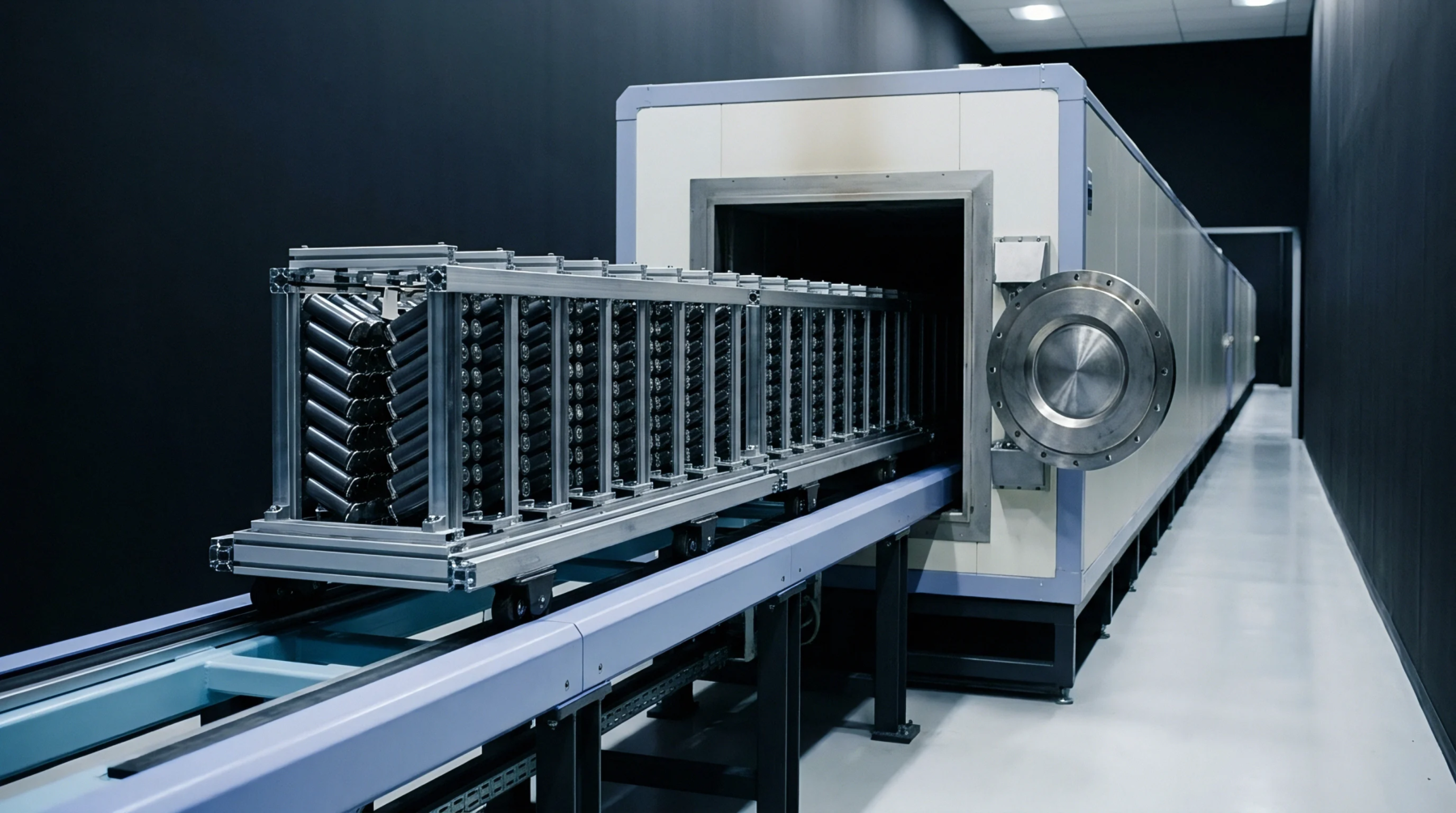
Vapor capping with sub-five-nanometer ceramic films stabilizes sodium cell interphases, stopping SEI dissolution and extending cycle life at modest cost.

Optimize hard carbon for sodium anodes by expanding d002 spacing above 0.37 nm and CVD-sealing open surface pores to keep BET area under 5 m2/g and ICE over 87%.

Solute trapping boundaries in atomized silicon powders fix second-phase spacing, dictating cell swelling limits and contract format liability.
Solute trapping via Aziz kinetics requires atomization interface velocities above diffusive speed to suppress brittle intermetallics in alloy anode powders.

Closed-loop impedance feedback tracks subzero charge-transfer resistance to throttle charging current, preventing anode overpotential from inducing lithium plating.

Operando voltage relaxation spectrum analysis deconvolves rest transients into discrete time constants, isolating kinetic, diffusion, and plating degradation.

Electrochemical impedance spectroscopy and high-speed DC pulses isolate interfacial resistance, enabling rigorous incoming cell quality verification.

Sub-zero fast charging shifts graphite anodes below zero volts, causing dangerous lithium plating that accelerates degradation and triggers shipping refusal.

Voltage decay screening isolates internal micro-shorts by tracking millivolt drops against statistical lot baselines using precision Kelvin metrology.

Incoming cell qualification demands fourteen-day multi-point voltage decay, AC impedance, and CT overhang scans to eliminate latent micro-shorts before assembly.

Prismatic cell swelling combines SOC-driven expansion and permanent SEI growth, demanding calibrated module compression between 0.1 and 0.3 MPa to preserve cycle life.

Iron dendrite micro shorts drive exponential voltage decay detectable through multi-week K-value screening, mitigating thermal runaway in warehouse storage.
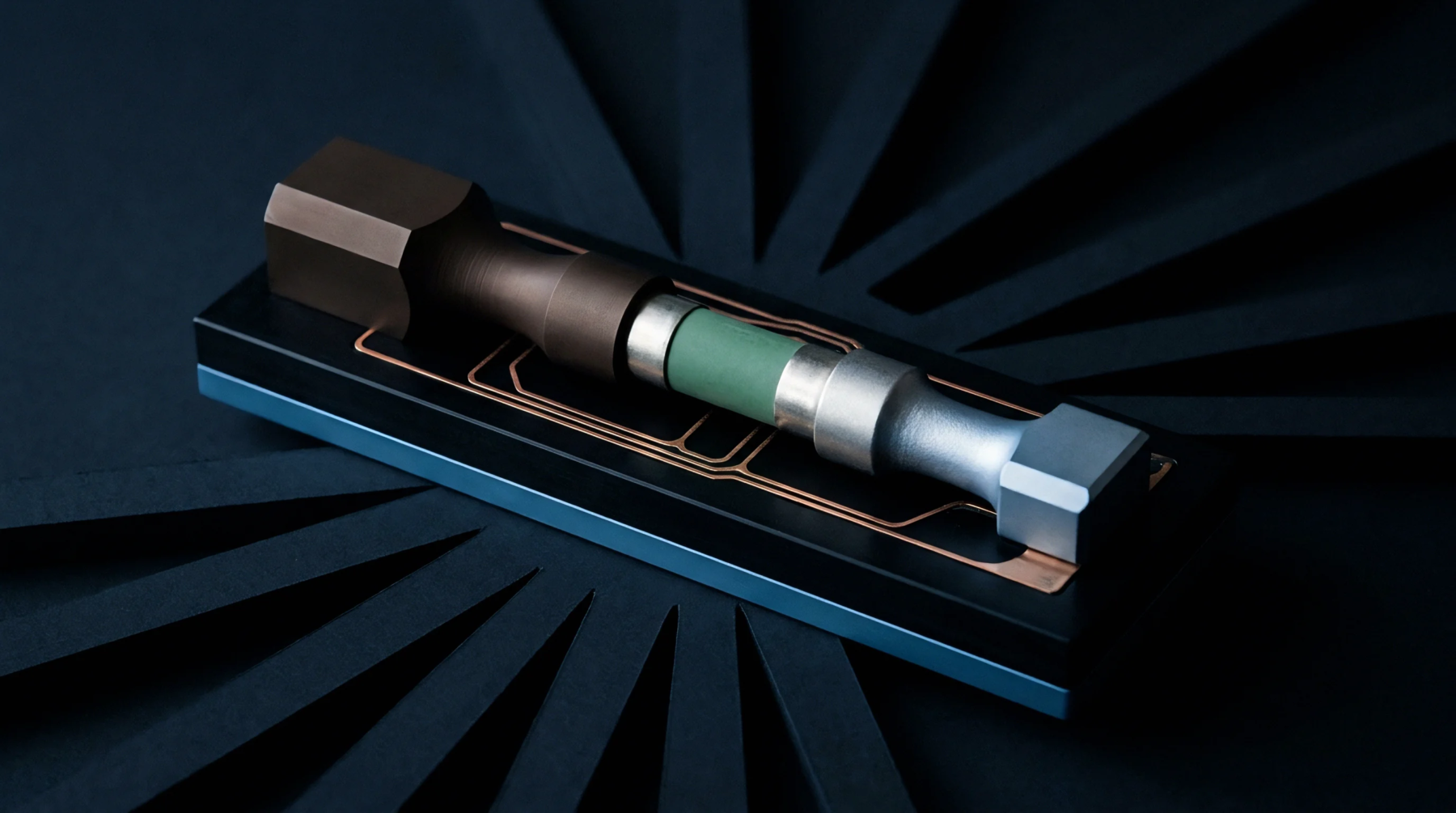
Quantifying transition metal migration and anode interphase decay determines actual lifetime cell energy throughput and prevents premature system replacement.

Maintaining cell stack pressure between 0.20 and 0.50 MPa extends silicon composite anode life by preventing delamination without inducing separator pore collapse.

Active preload control fixtures hold cell pressure between 0.20 and 0.35 MPa across breathing cycles, extending prismatic battery lifespan beyond 6,000 cycles.

Mechanical pre-load between 0.2 and 0.5 MPa optimizes cycle life by preventing graphite delamination while maintaining pore network ionic diffusivity.
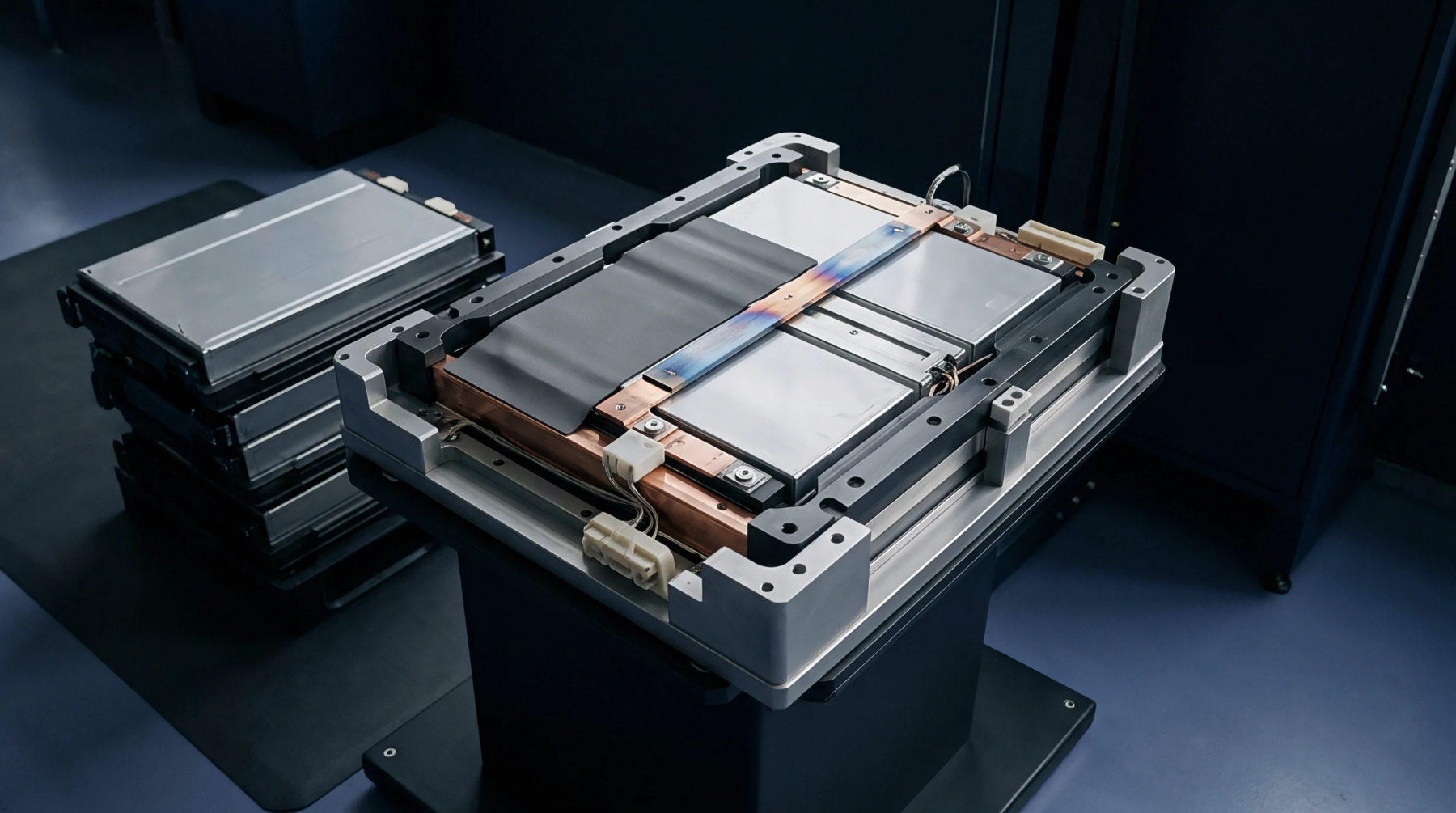
Prismatic cell expansion requires compliant clamping to maintain contact pressure between 0.2 and 0.4 MPa, minimizing interfacial thermal resistance.

Thermomechanical phase stabilization balances trace impurities in recycled high-nickel cathodes, preventing microcracking to secure lifecycle pack economics.

Evanescent fiber-optic signal separation detects sub-micron lithium plating in pouch cells before voltage shifts appear, requiring validated hermetic tab seals.

Embedded fiber optics resolve real-time anode lattice strain and metallic plating during fast charging, enabling dynamic high-rate current regulation.
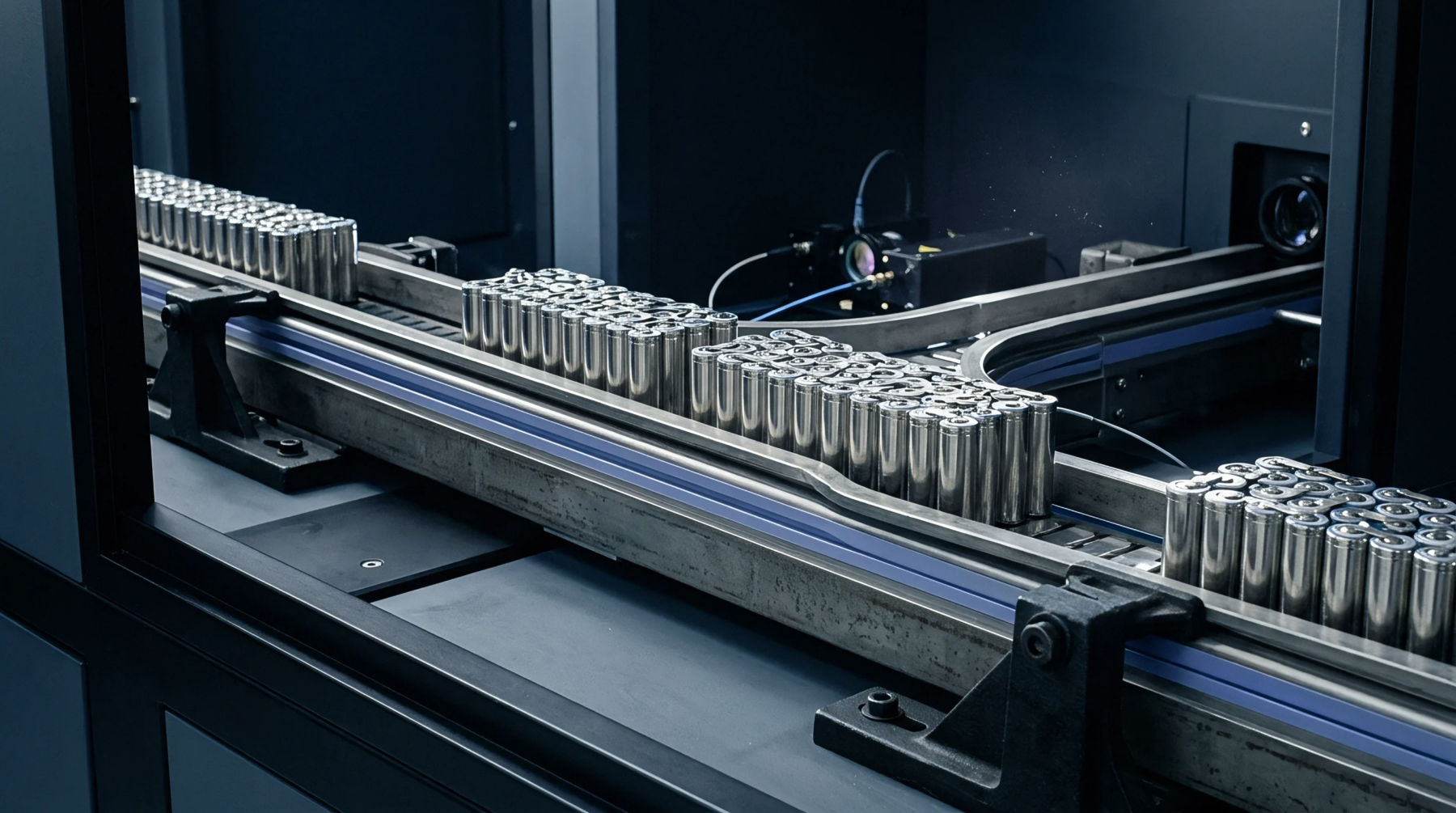
Optical deflection mapping resolves localized pouch cell swelling peaks under rigid glass platens to prevent pack enclosure failures and warranty disputes.

In situ prismatic cell strain testing requires rigid frame compliance calibration and active thermal decoupling to isolate electrochemical stack breathing.
Expertise is a utility, not a secret. sentiention™ publishes its working knowledge as open reference: intelligence layer covering the materials it sources, the markets it enters, and the reference that serves both.