
Acceptance Quality Limit Sampling Plans for Lithium Cell Receiving Facilities
Enforce ANSI ASQ Z1.4 Level II sampling with AQL 0.010 for critical safety flaws and Kelvin OCV IR screening to reject defective lithium cells at receiving dock.
Enforce ANSI ASQ Z1.4 Level II sampling with AQL 0.010 for critical safety flaws and Kelvin OCV IR screening to reject defective lithium cells at receiving dock.

Importers lower hazardous cargo clean-up liability by structuring purchase escrows and drafting explicit hazardous waste indemnities.

Reconciling module test reports with final pack enclosure safety documentation requires mapping insulation resistance, UN 38.3 metrics, and transport state-of-charge data.

Auditing UN 38.3 dossiers requires verifying full lab reports against 38.3.5 summaries, checking ILAC accreditation, and confirming physical cell mass tolerances.
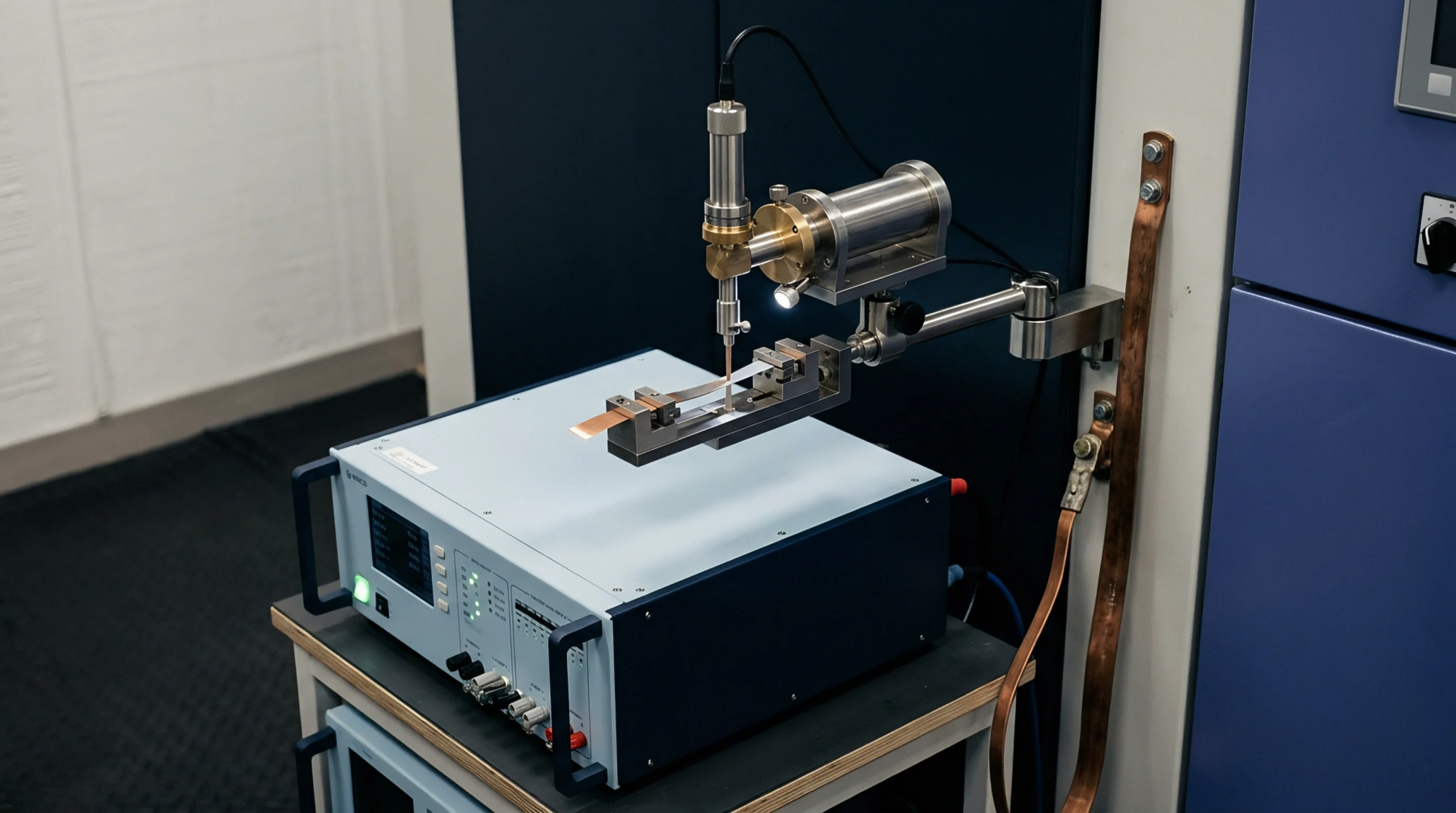
Mandatory UN 38.3 test summaries must link cell serial numbers to verified lab results across ten required data fields before cargo enters transport networks.

Buyers secure full indemnification and third-party laboratory verification before accepting lithium transport summaries to prevent impoundment liabilities.

Controlled initial reductive decomposition forms a dual-layer interphase that blocks electron tunneling while enabling lithium transport and transport compliance.
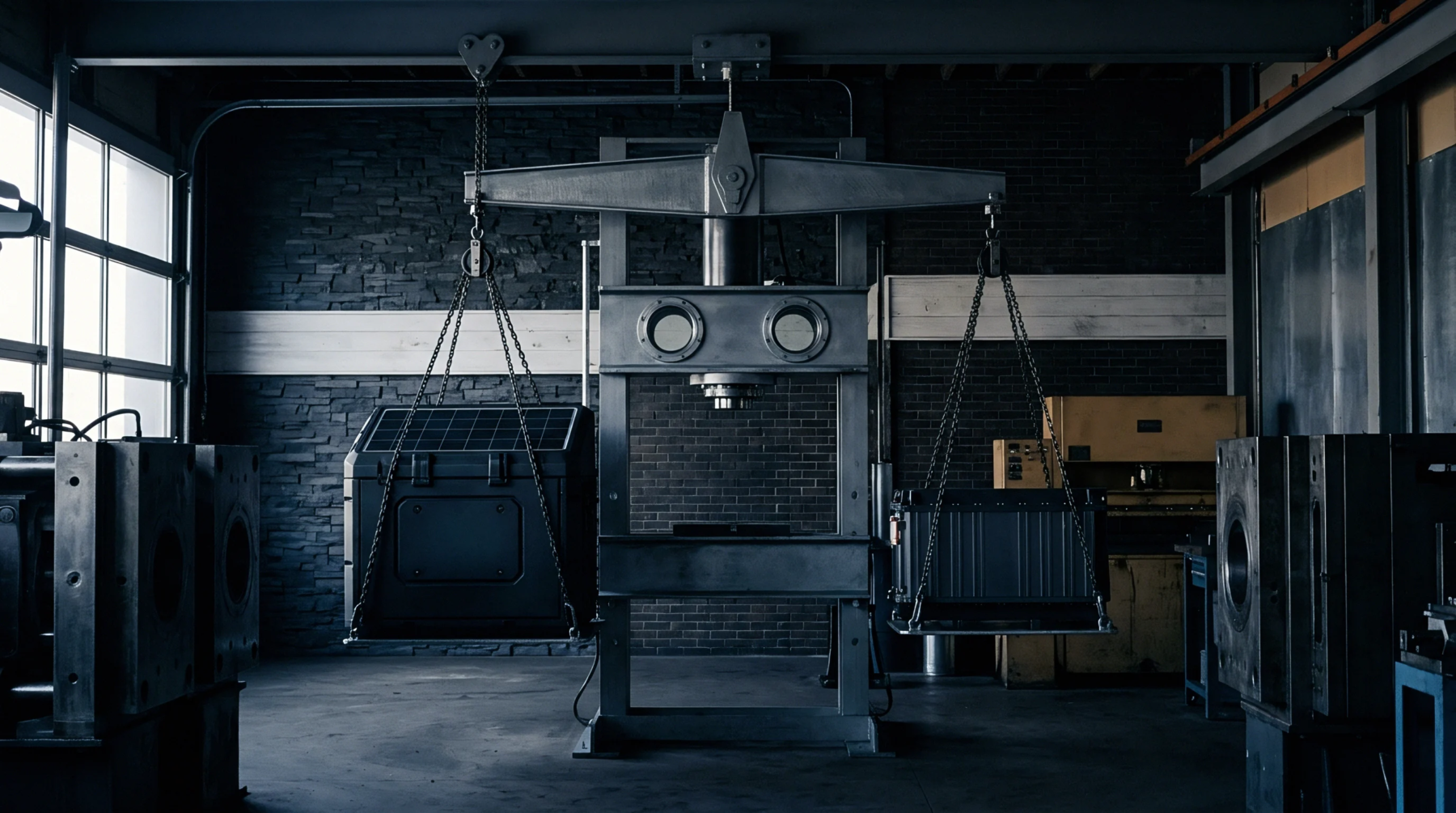
Importing lithium batteries demands verifying UN 38.3.5 test summaries, ISO 17025 lab scope, state of charge limits, and importer dossier records.

UN 38.3 mandates eight environmental and electrical safety tests for lithium batteries, requiring verified test summaries for legal commercial transport.
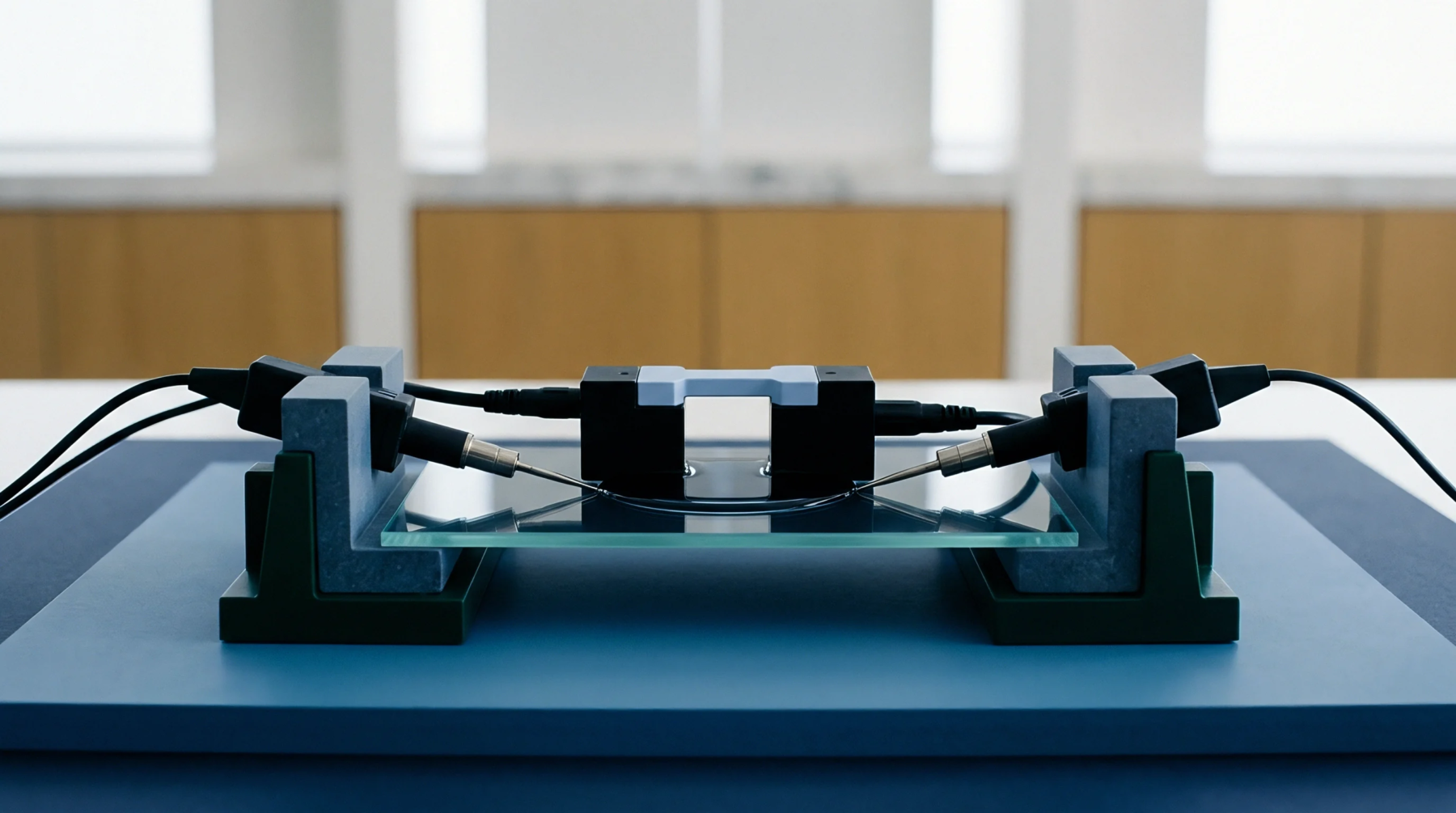
Verify UN 38.3.5 test summary lab accreditation, physical model metrics, and 30 percent SOC limits prior to air cargo tendering to avoid stranded shipments.
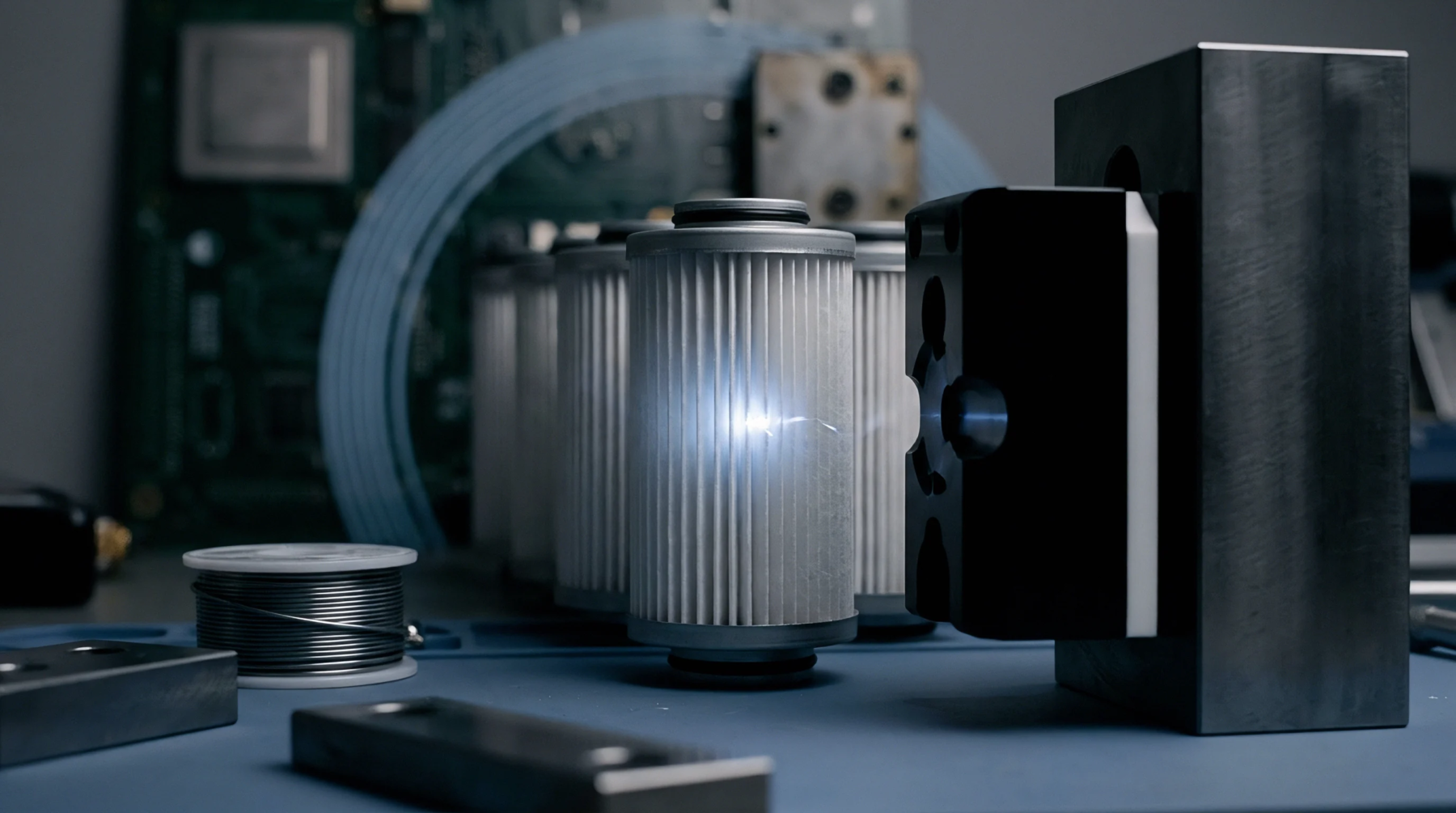
Non-compliant lithium cell transport certification exposes importers of record to strict regulatory fines, cargo detention costs, and unindemnified marine insurance losses.
Expertise is a utility, not a secret. sentiention™ publishes its working knowledge as open reference: intelligence layer covering the materials it sources, the markets it enters, and the reference that serves both.