Meaning
Rapid environmental temperature transitions induce transient thermal gradients and internal mechanical stress within solid material structures. Subjecting battery packs, ceramic separators, or electronic assemblies to thermal shock tests evaluates structural resilience against sudden ambient temperature swings. Differential thermal expansion between adjacent materials generates tensile and compressive stresses that can fracture brittle components or rupture hermetic seals.
The test standard covers extreme transient ambient swings, stopping where steady-state thermal cycling or slow thermal ramp testing takes over.
Failure Dynamics
Abrupt temperature drops contract outer material layers faster than warmer inner cores, causing surface tensile stress to peak rapidly. Microscopic cracks initiate at surface flaws and propagate through ceramic or glass components under sudden thermal stress. Repeated shock cycles cause mechanical fatigue and electrical interconnection failures in rigid modules.
Testing Protocol
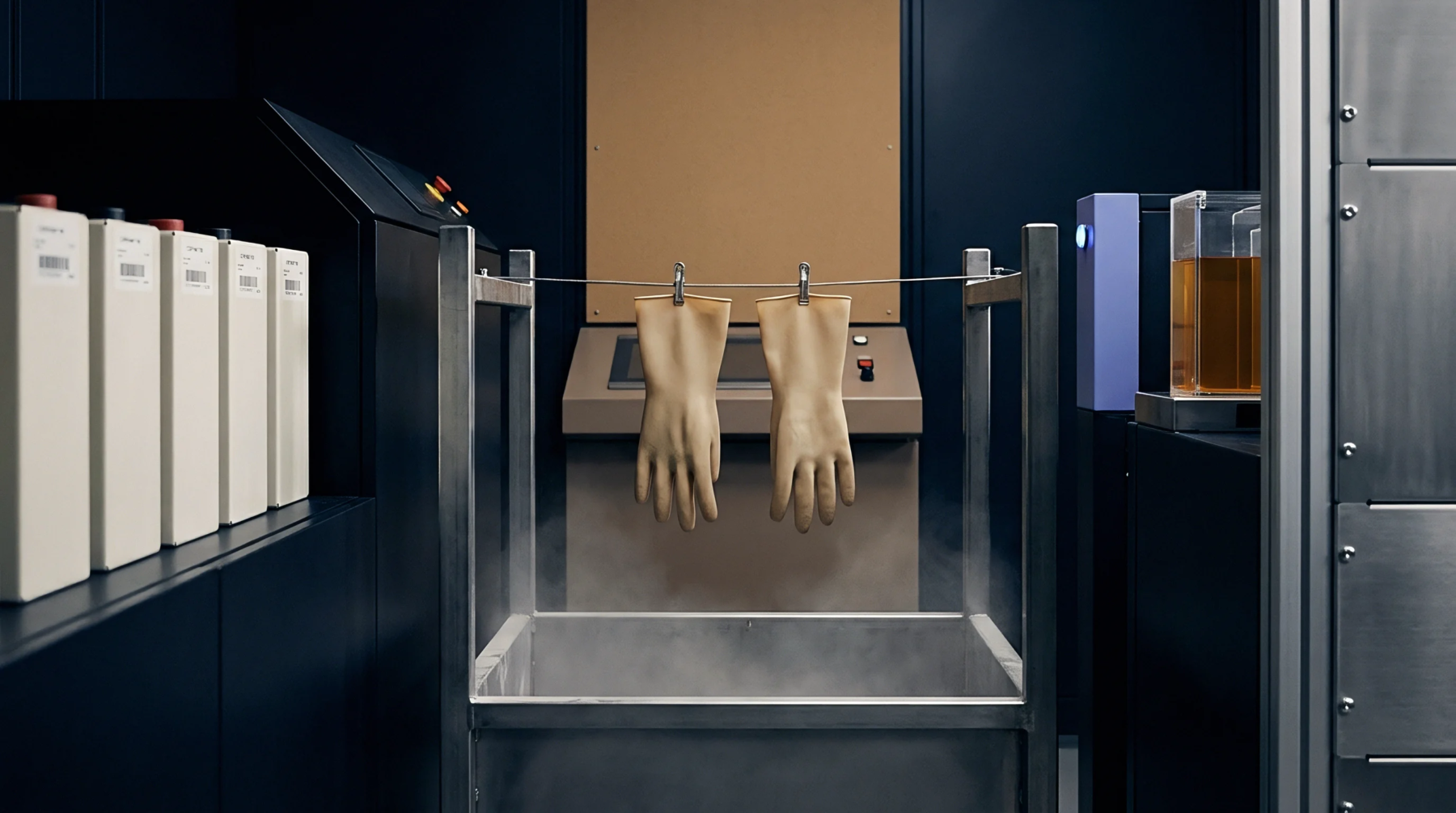
Environmental test chambers transfer test specimens between hot and cold liquid baths or air zones within seconds to force maximum thermal stress.
Design Verification
Validating component survival under severe thermal shock prevents field failures during extreme cold-weather operations or rapid cooling system activation. Engineers select materials with matched thermal expansion coefficients and high thermal conductivity to minimize internal stress generation. Passing standardized shock exposure regimes validates package reliability for demanding automotive environments.