Meaning
Time-dependent reduction in mechanical stress under constant deformation occurs in materials displaying both viscous and elastic properties. In battery cell components, this viscoelastic relaxation allows localized pressures built up during electrode expansion to dissipate slowly over time. Engineers must consider this delayed response when designing compression pads and structural constraints for the cell module.
Material Behavior
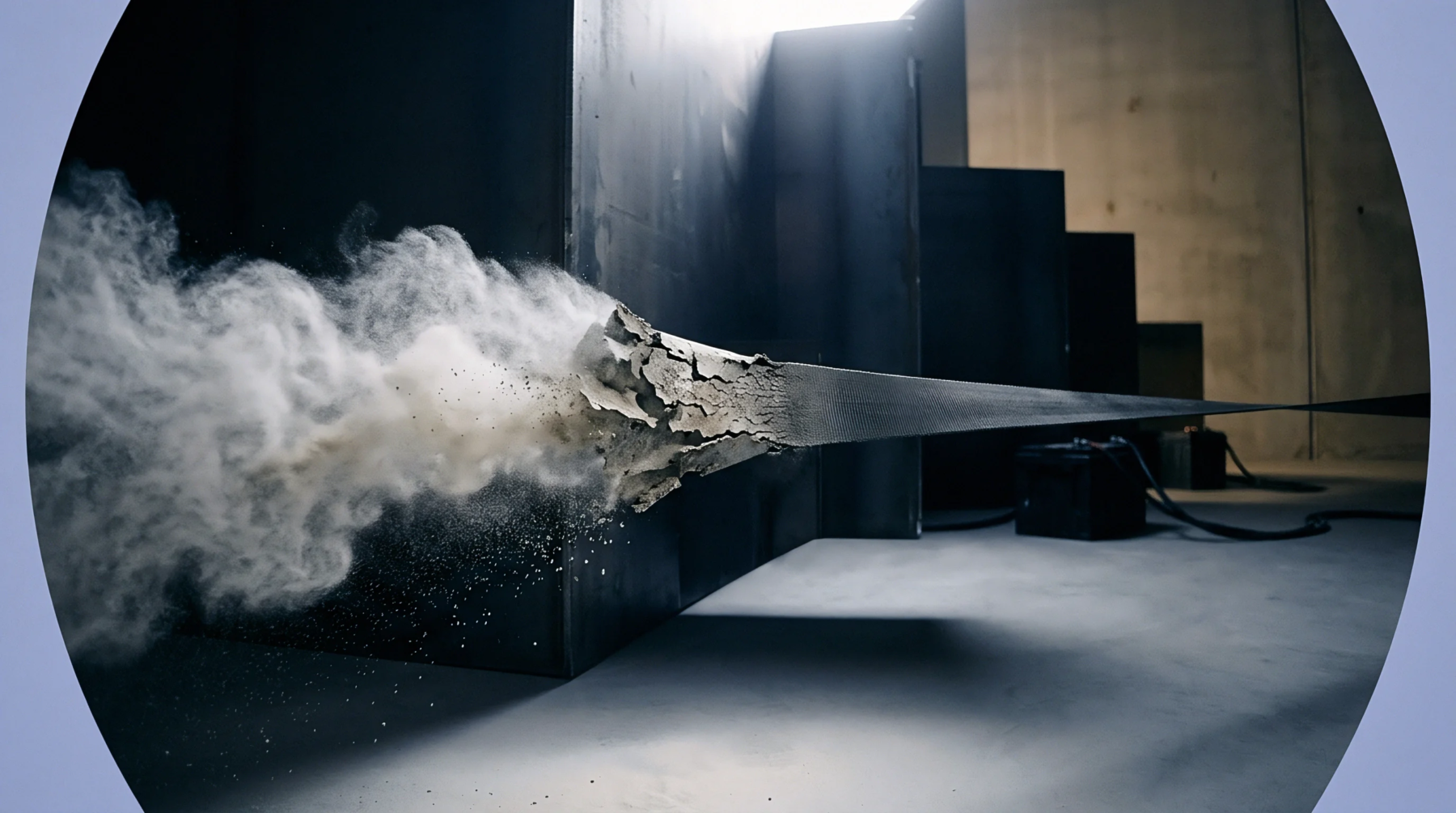
Polymeric binders and separators display a slow response to applied mechanical strain due to their long chain molecules. When the anode expands during charging, it exerts a compressive force, but viscoelastic relaxation causes this stress to decay after the charge is completed. This relaxation helps prevent early mechanical failure of the separator under constant high pressure.
Battery Constraint
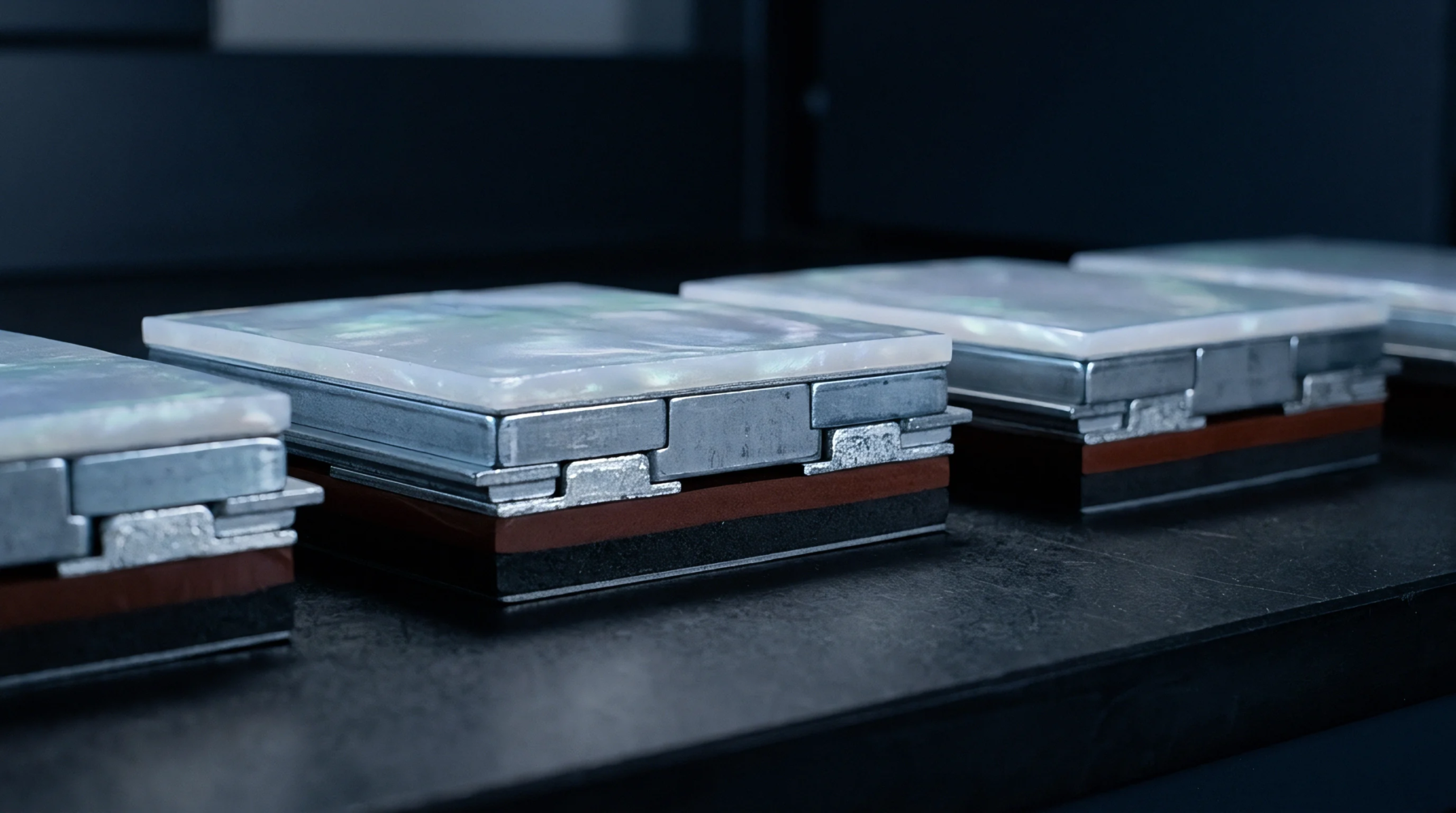
Pack designers use spring-loaded plates to maintain a consistent compression force on the cell pouch. Because viscoelastic relaxation diminishes the internal counter-pressure over several hours, the spring tension must be calibrated to compensate for this mechanical decay. Sourcing materials that retain some elastic force prevents the cells from becoming loose within the pack.
Durability Factor
Sustained cycling results in a gradual loss of the separator thickness due to the continuous deformation cycles. This viscoelastic relaxation of the polymer fibers can result in a permanent loss of tension in the cell module, which increases the likelihood of delamination and high impedance. Sourcing high-grade separators with minimal long-term relaxation preserves the internal pressure throughout the life of the battery.
Advanced materials designed with cross-linked polymer networks offer greater resistance to this decay, maintaining the mechanical constraint even after thousands of micro-expansion cycles.