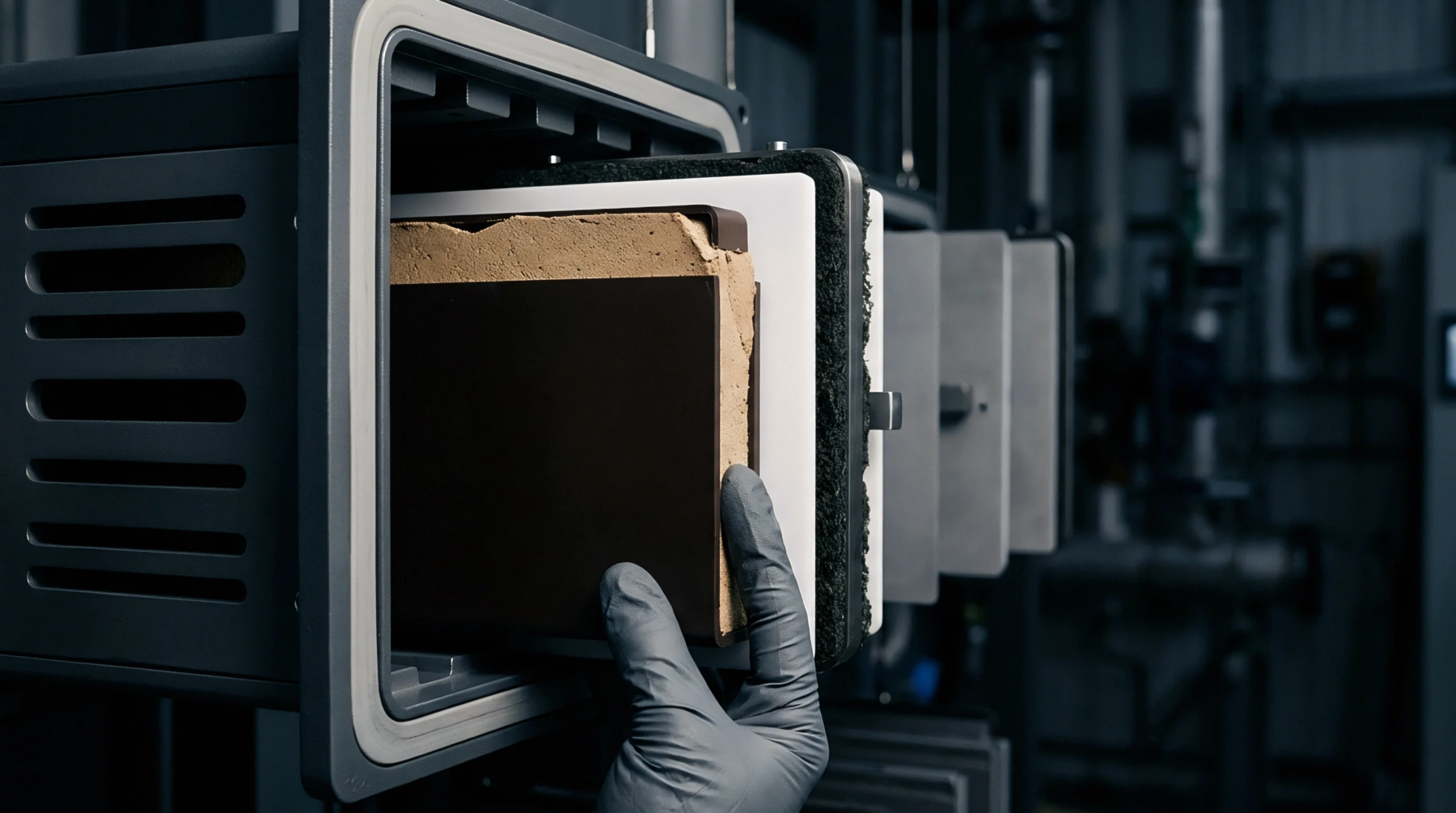
Evaluating Polyolefin Separator Friction Limits in Lubricated Cell Stacks
Sufficient stack pre-load retention and ceramic coating friction prevent wetted polyolefin separator sliding and tab shear in lubricated cell stacks.
Sufficient stack pre-load retention and ceramic coating friction prevent wetted polyolefin separator sliding and tab shear in lubricated cell stacks.

Cathode transition metals leach via acid attack during warm storage, migrating through polyolefin separator pores to degrade anode SEI and escalate K-value self-discharge.
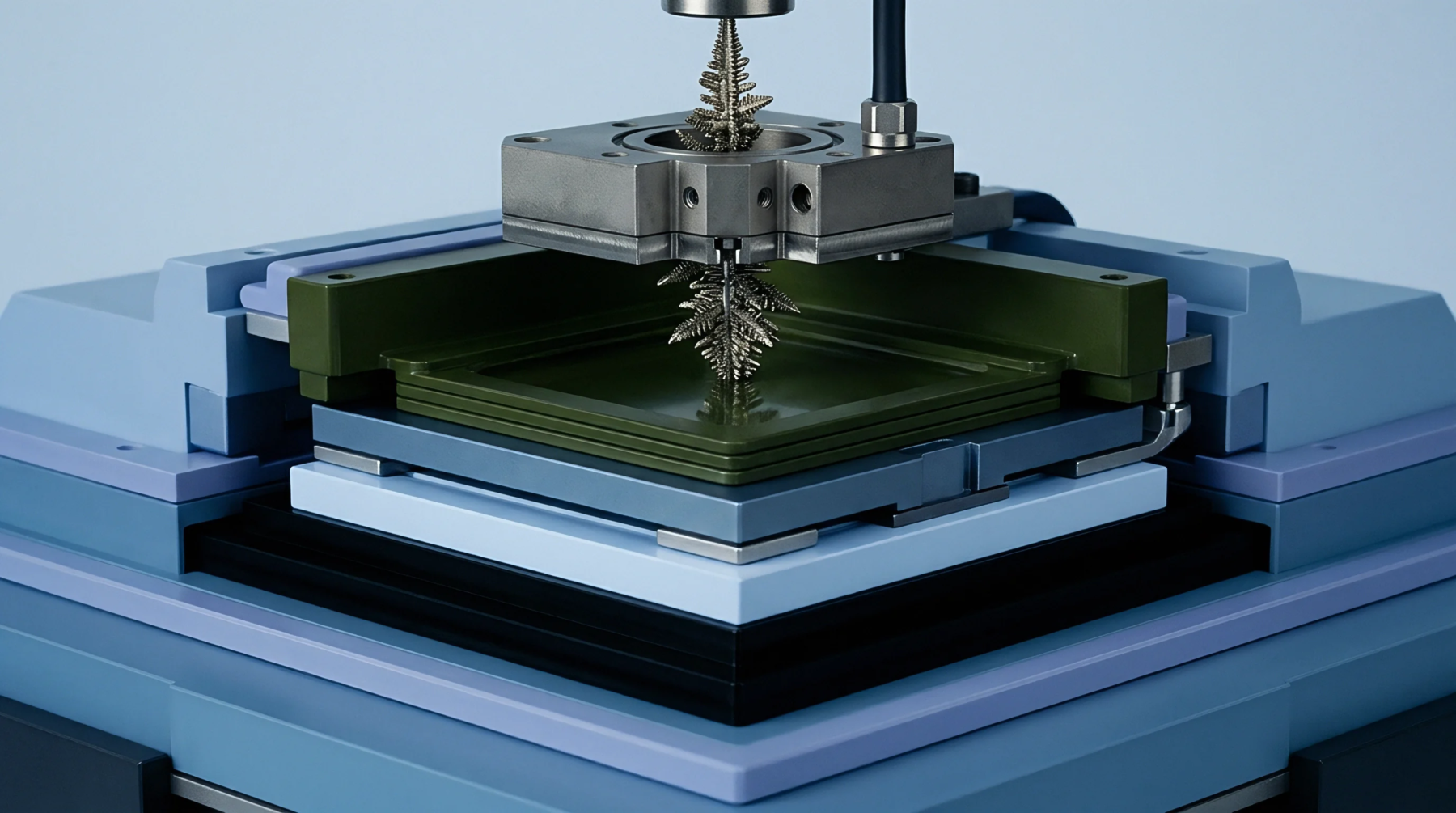
Sub-zero battery procurement requires matching electrolyte desolvation limits with strict non-plating charge cutoffs to protect landed cell life and warranties.

Polyolefin separator microstructures require correlated electron imaging, flow porosimetry, and transport testing to set baseline metrics that prevent cell short circuits.
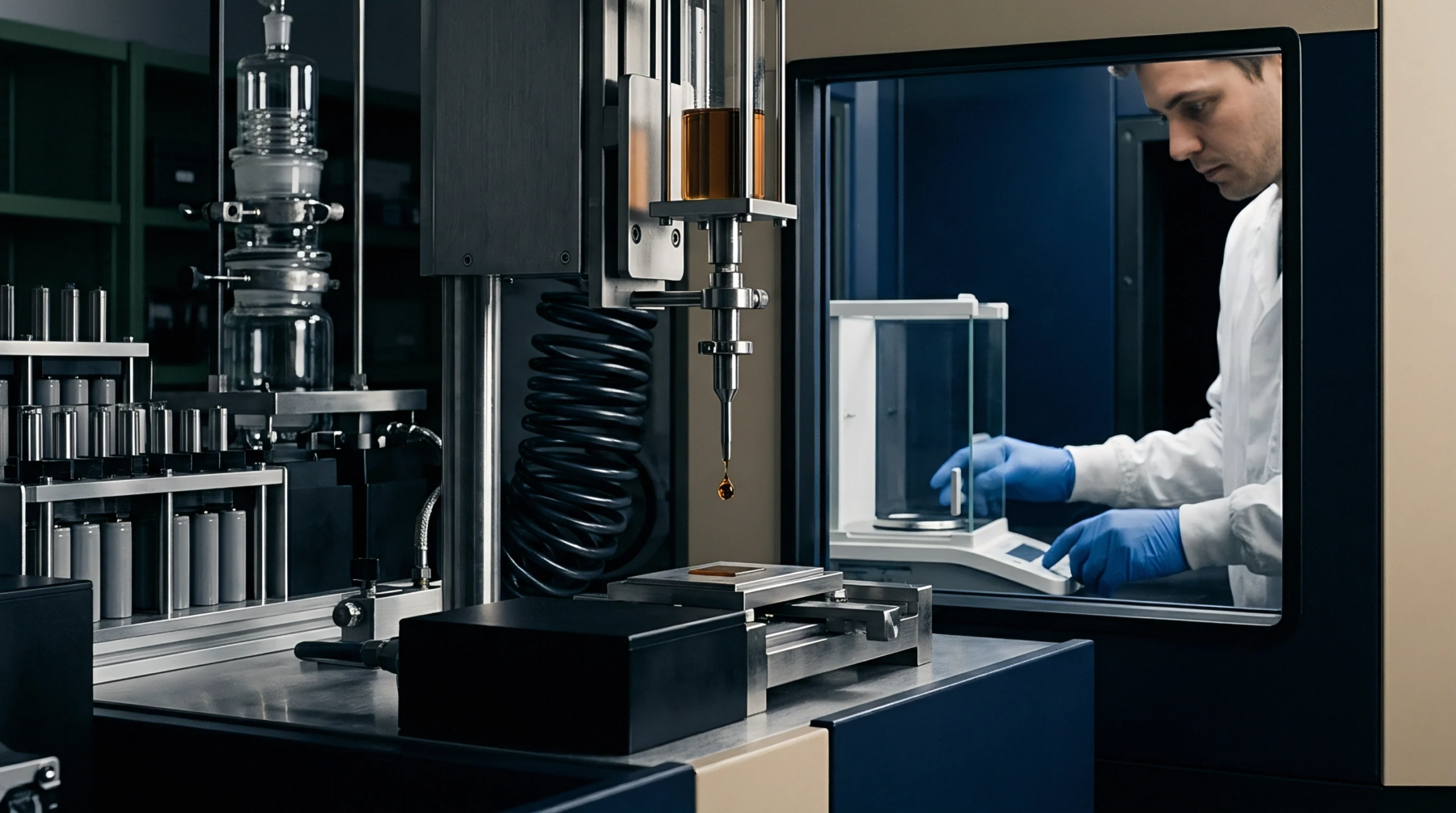
Electrolyte solvent plasticization lowers polyolefin yield stress, driving sub-critical micro-crack propagation under cyclic stack pressure.
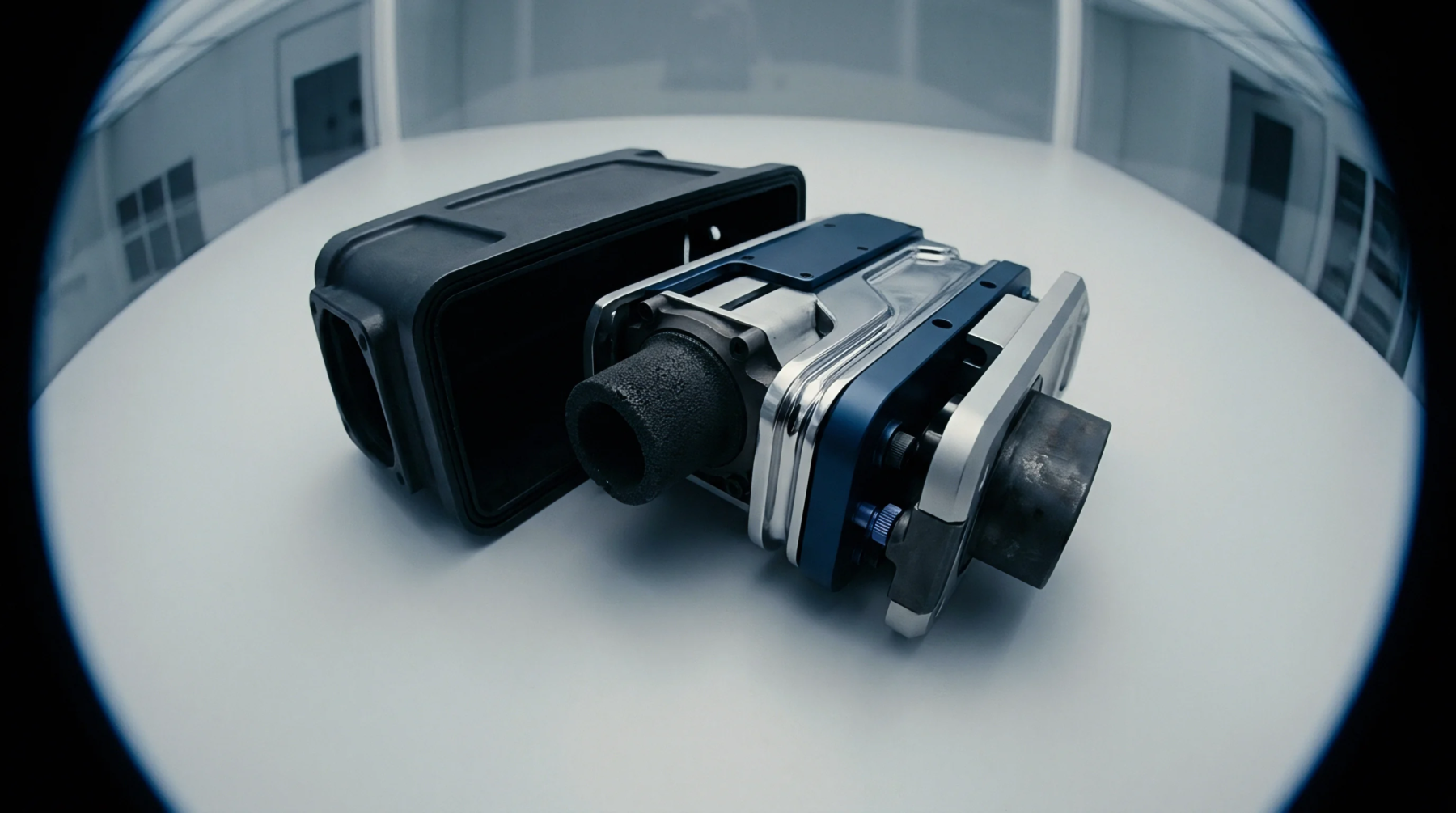
High temperature storage accelerates iron dissolution and anode migration in prismatic cells, causing self-discharge, SEI breakdown, and irreversible capacity loss.
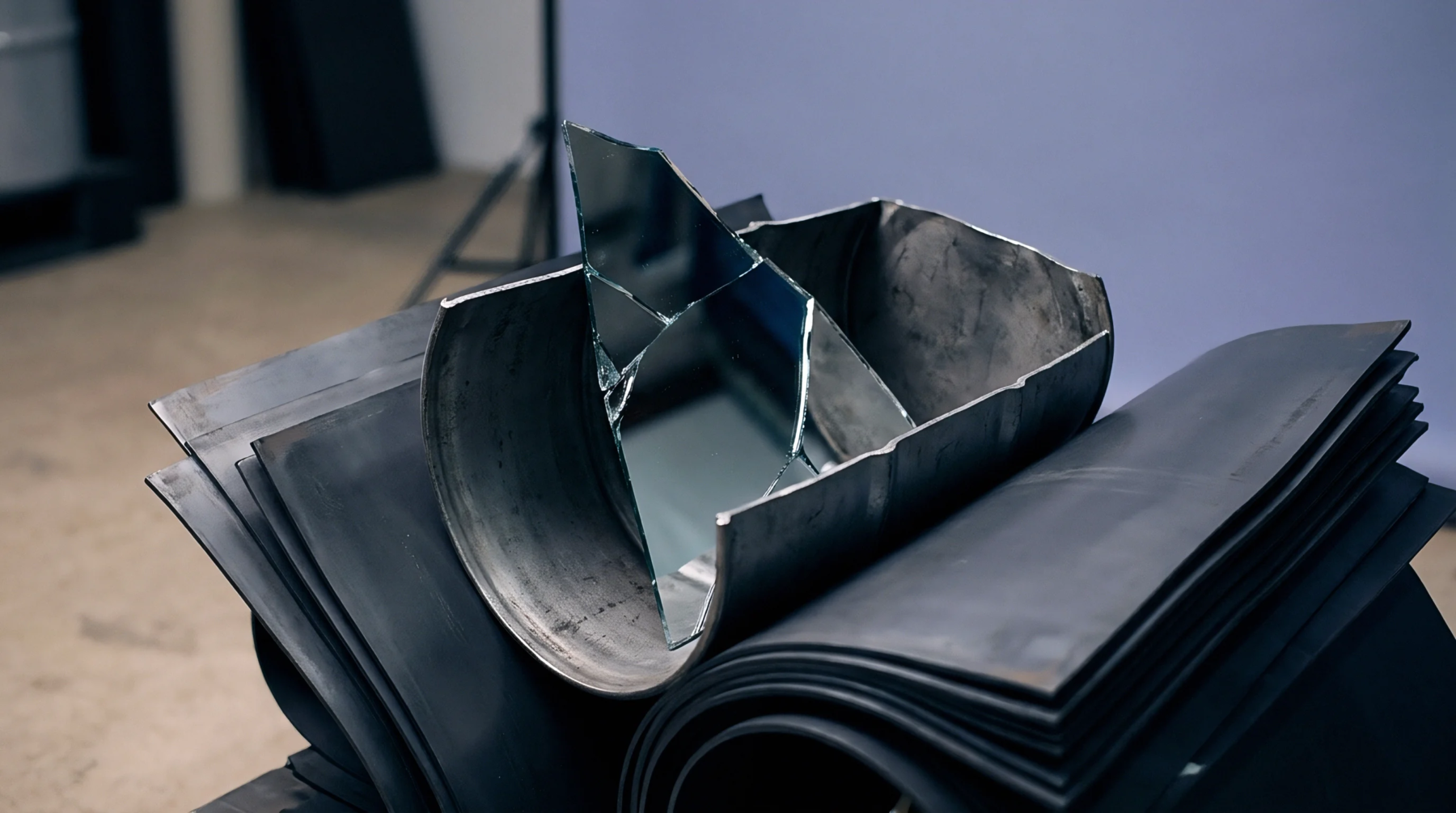
Microstructural FEA proves thermal transient stress accelerates separator creep collapse, demanding strict cell stack pressure limits to prevent micro-shorts.
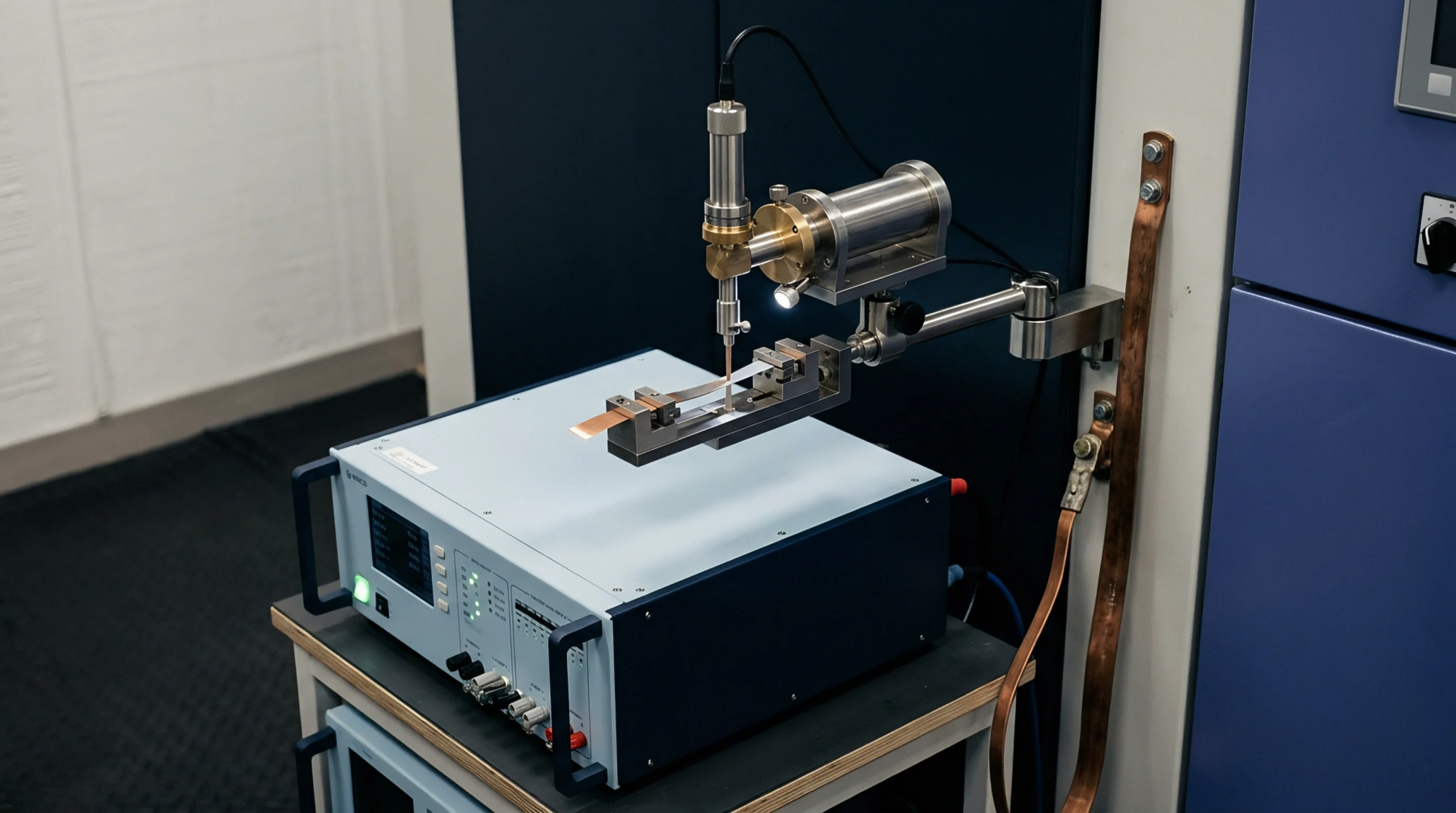
Optimal mechanical constraint extends lithium cell cycle life by suppressing electrode delamination while avoiding separator pore collapse and intergranular cathode fracture
Expertise is a utility, not a secret. sentiention™ publishes its working knowledge as open reference: intelligence layer covering the materials it sources, the markets it enters, and the reference that serves both.