
Hard Carbon Structural Optimization for Sodium Battery Anodes
Optimize hard carbon for sodium anodes by expanding d002 spacing above 0.37 nm and CVD-sealing open surface pores to keep BET area under 5 m2/g and ICE over 87%.
Optimize hard carbon for sodium anodes by expanding d002 spacing above 0.37 nm and CVD-sealing open surface pores to keep BET area under 5 m2/g and ICE over 87%.
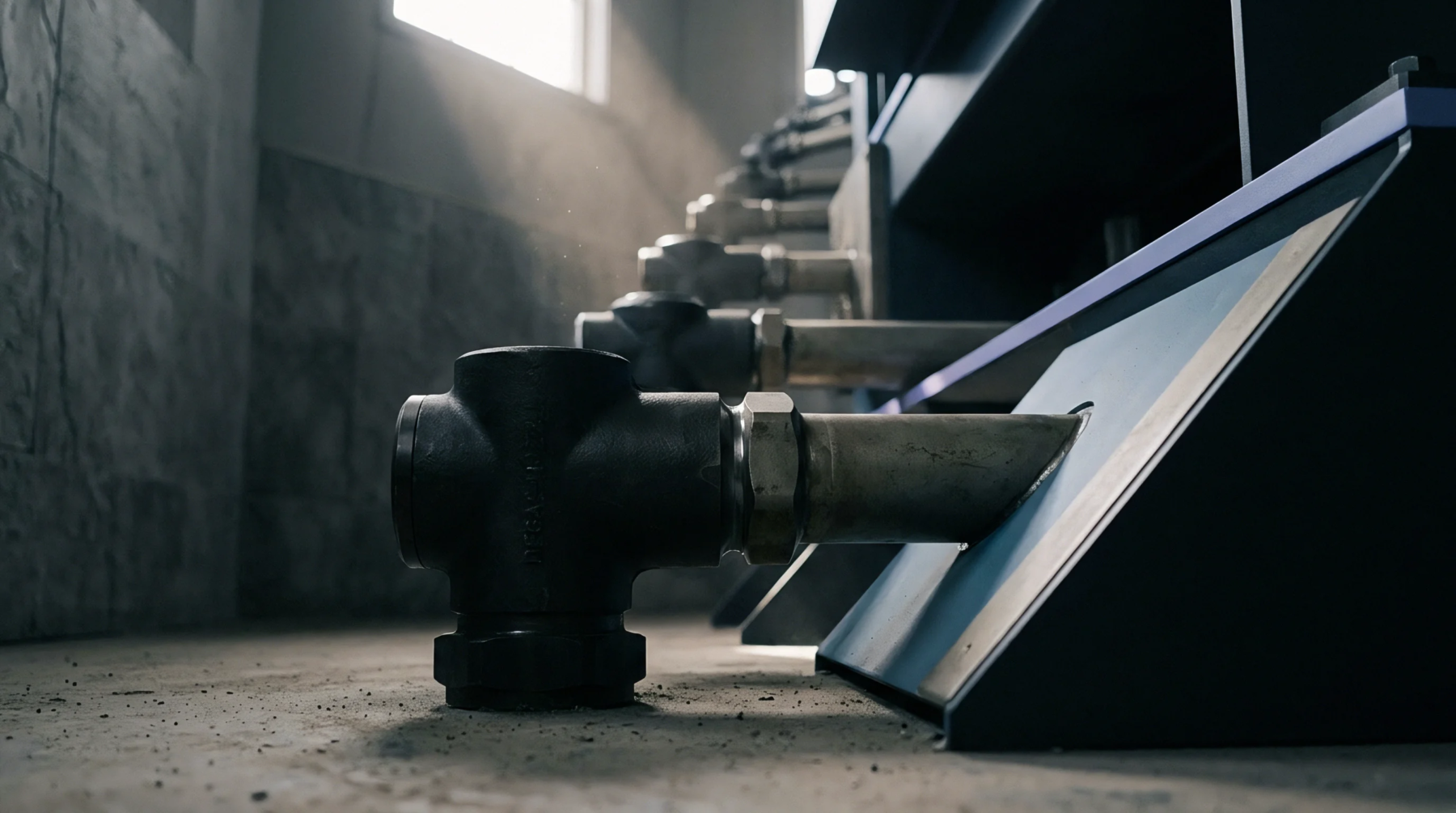
Unrelaxed concentration overpotentials across the flat lithium iron phosphate voltage plateau corrupt BMS state-of-charge tables unless multi-hour rest holds are enforced.

Cell relaxation transforms incomplete rest periods into large state-of-charge errors, demanding calibrated rest windows or dynamic overpotential compensation.
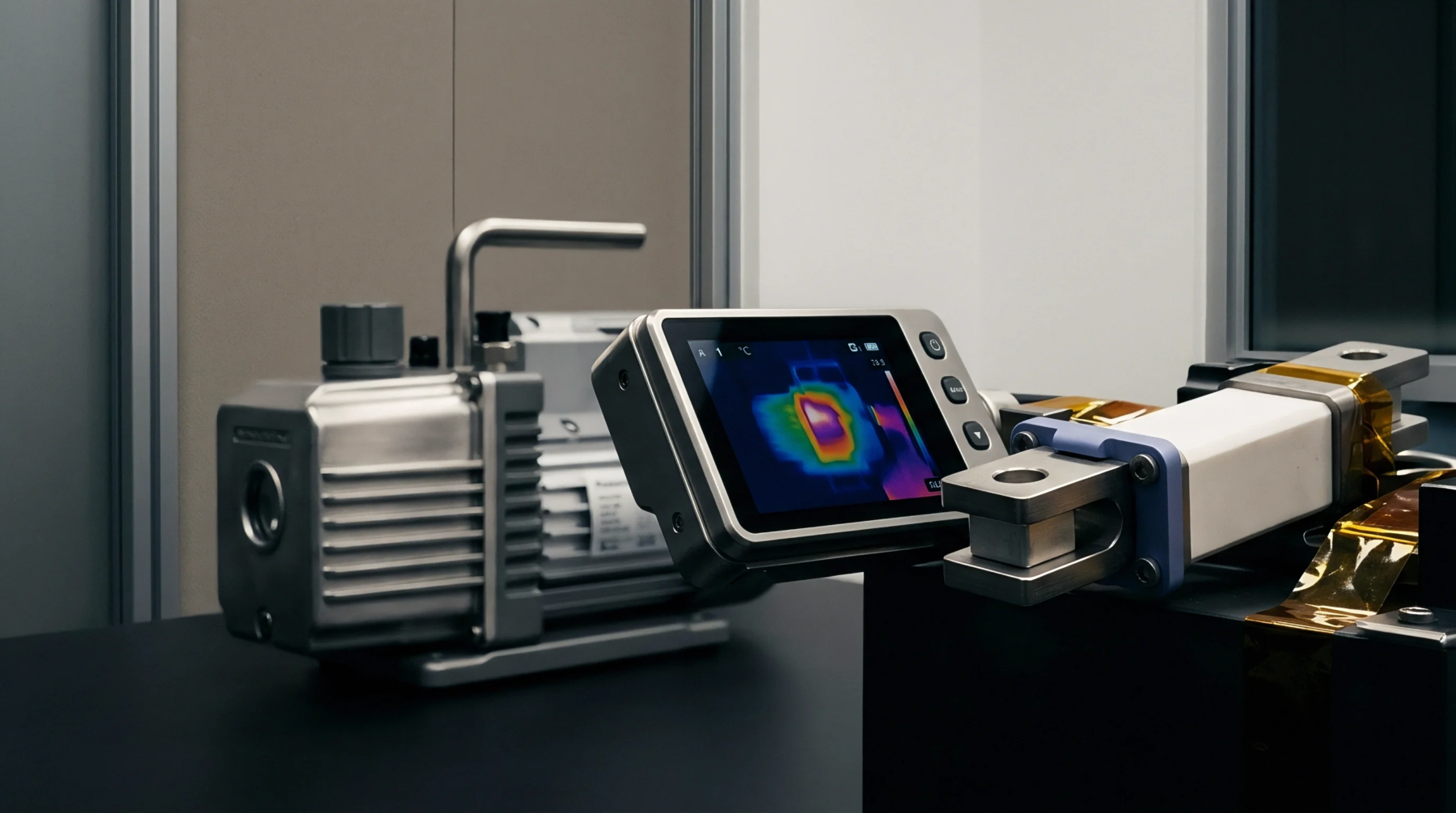
Operando voltage relaxation spectrum analysis deconvolves rest transients into discrete time constants, isolating kinetic, diffusion, and plating degradation.
Fast-charge envelopes hit hard boundaries when combined kinetic and solid-state diffusion overpotentials drive graphite potential below zero volts versus lithium.

Electrochemical impedance spectroscopy and high-speed DC pulses isolate interfacial resistance, enabling rigorous incoming cell quality verification.

Dynamic cyclic swelling stresses drive irreversible separator creep, collapsing pores and increasing MacMullin numbers to cause early cell impedance failure.
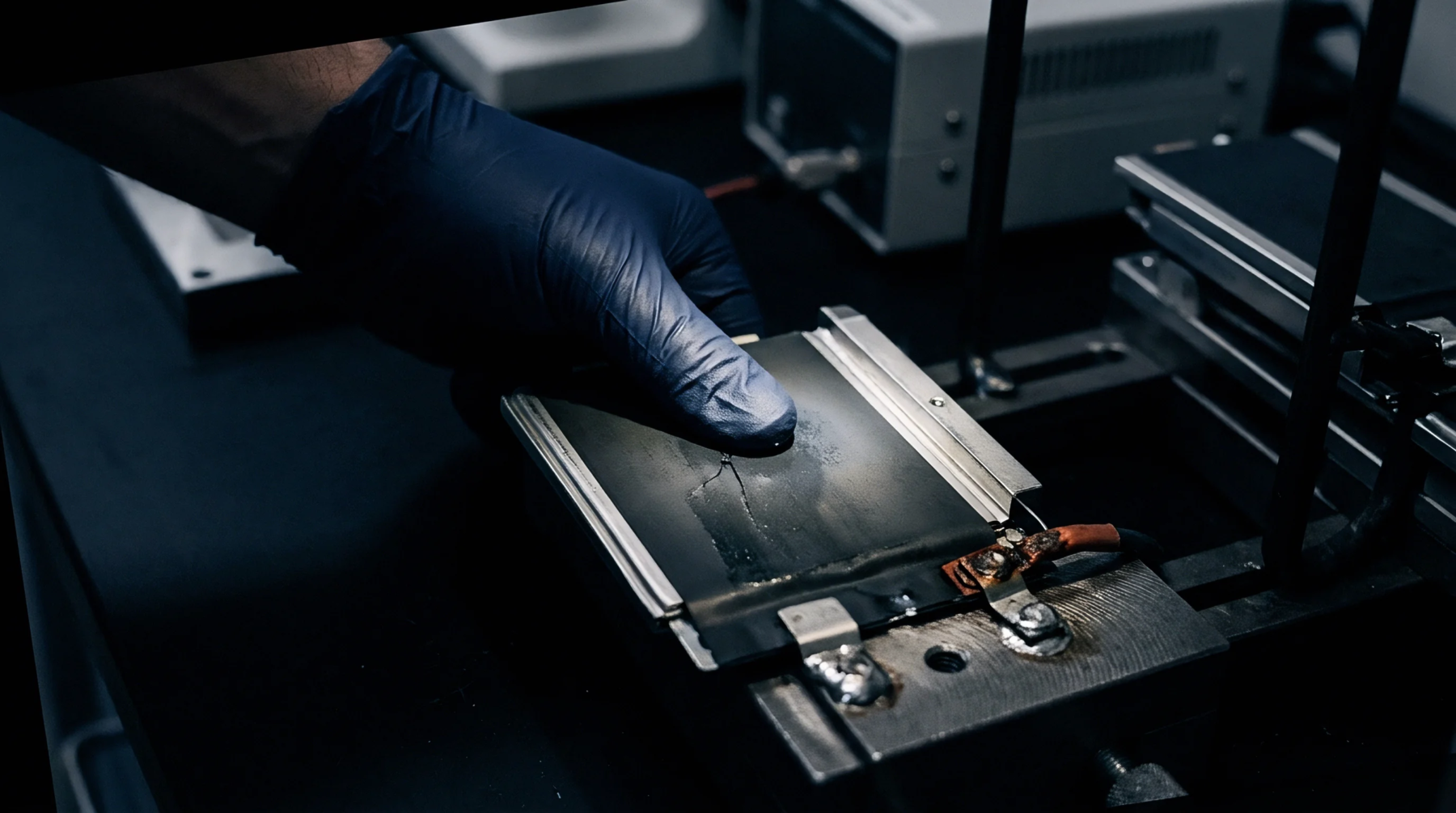
Dynamic compliant clamping balances reversible breathing and irreversible growth to maintain cell interfacial pressure between 0.05 MPa and 0.8 MPa across life.

Spatial thermal conductivity impedance tomography maps internal battery delamination and gas growth non-destructively during cyclic mechanical cell breathing.

Prismatic cell swelling combines SOC-driven expansion and permanent SEI growth, demanding calibrated module compression between 0.1 and 0.3 MPa to preserve cycle life.
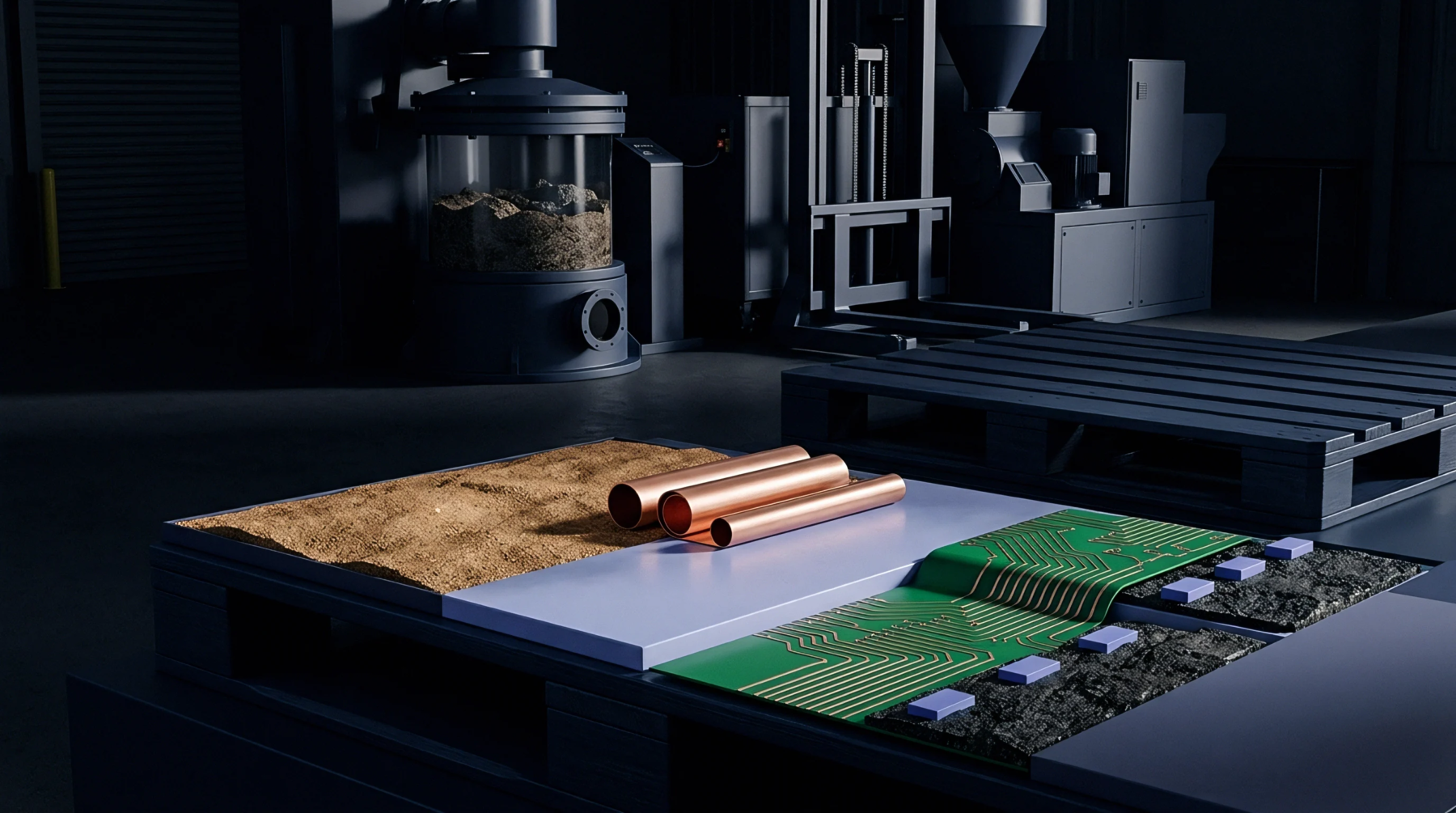
Anisotropic jellyroll resistance demands edge-aligned cooling, verified stack pressure, and strict batch-level thermal screening to prevent premature core fade.

Prismatic cells show 20-fold anisotropic thermal conductivity, demanding ISO 22007-2 or ASTM C177 testing under precise 0.3 MPa preload to model pack cooling.

Operating layered oxide cathodes above four point two volts generates singlet oxygen, triggering structural phase decay and thermal hazards that reduce pack life.

Quantifying transition metal migration and anode interphase decay determines actual lifetime cell energy throughput and prevents premature system replacement.

Ultra high nickel cathodes degrade via severe anisotropic lattice collapse beyond 4.15 V, driving intergranular cracking, surface rock-salt reconstruction, and outgassing.
Active preload control fixtures hold cell pressure between 0.20 and 0.35 MPa across breathing cycles, extending prismatic battery lifespan beyond 6,000 cycles.
Expertise is a utility, not a secret. sentiention™ publishes its working knowledge as open reference: intelligence layer covering the materials it sources, the markets it enters, and the reference that serves both.