
Four Wire Kelvin Sensing Principles in Low Impedance Battery Testing
Four-wire Kelvin sensing isolates drive current from potential sensing, eliminating lead and contact resistance errors in sub-milliohm battery impedance tests.
Four-wire Kelvin sensing isolates drive current from potential sensing, eliminating lead and contact resistance errors in sub-milliohm battery impedance tests.
Operando impedance isolates micro-structural electrolyte depletion and transient lithium plating in real time under continuous super-C discharge.
Transmission line deconvolution separates pore liquid salt diffusion from interfacial kinetics, isolating high-rate transport bottlenecks before thermal runaway.
Electrolyte salt depletion inside micro-porous battery electrodes causes severe concentration overpotential, limiting high-rate discharge capacity.

Operando X-ray diffraction maps real-time residual strain in doped hard carbons, linking heteroatom defect density to cycle degradation and material specs.

Optimal defect passivation windows between 1100°C and 1300°C balance hard carbon surface area reduction, initial efficiency, and long-term cycle degradation.

Hard carbon performance relies on precursor heteroatom crosslinking and tuned carbonization thermal ramps to maximize closed porosity and initial capacity.
Structural d002 degeneracy and closed pore collapse lower hard carbon plateau capacity and initial coulombic efficiency, requiring tight kiln thermal controls and compaction limits.

Precise pyrolysis temperature control between 1200°C and 1300°C optimizes hard carbon d002 spacing to 0.37-0.38 nm, maximizing reversible plateau capacity.
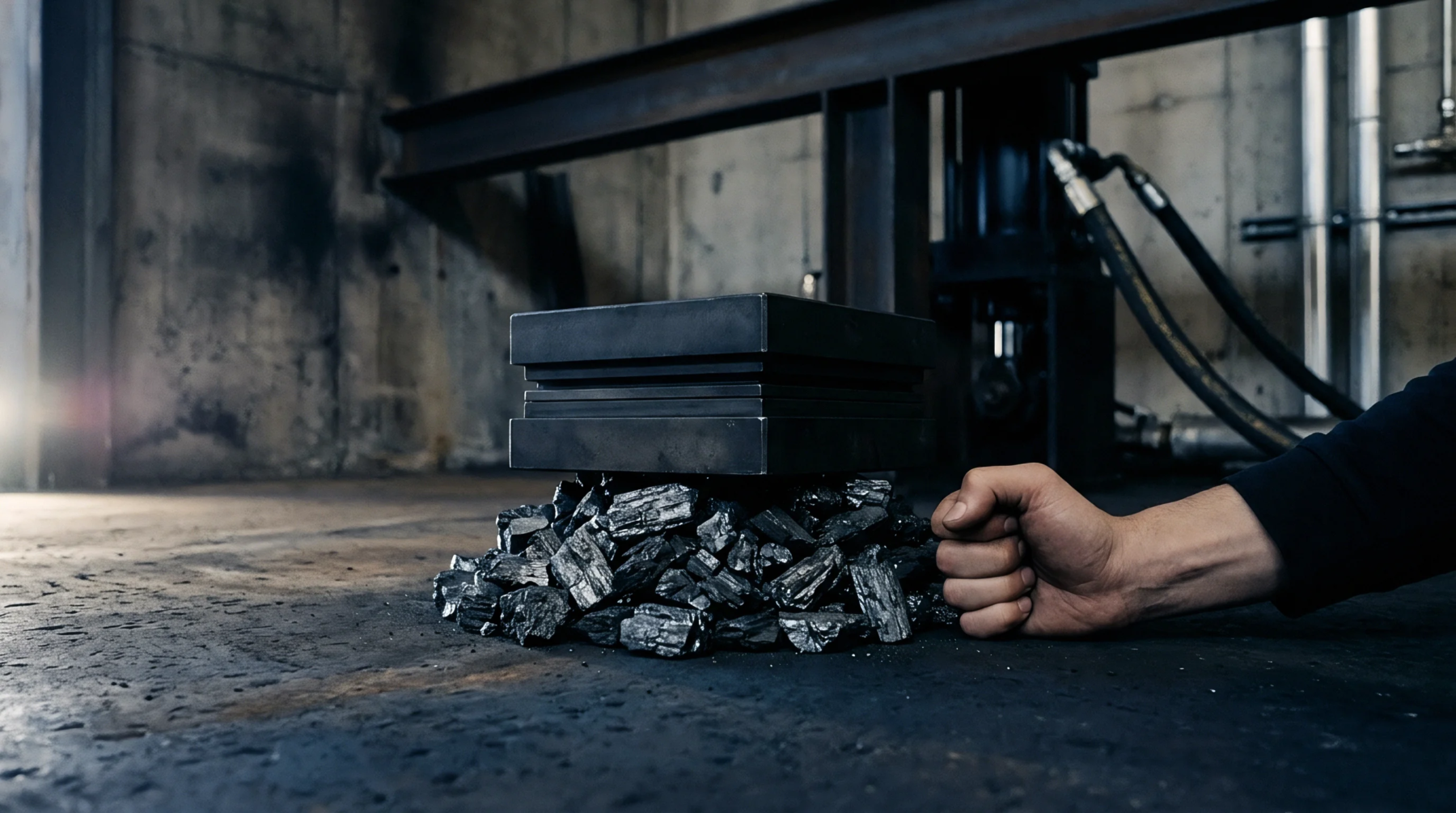
Hard carbon anode selection balances d002 spacing above 0.37 nm, BET area under 3 m2/g, and calender density below 1.05 g/cm3 to secure 88% initial efficiency.
Calendering hard carbon anodes above 1.55 g/cm³ triggers mechanical collapse of closed nanopores, destroying low-potential plateau capacity and cycle life.
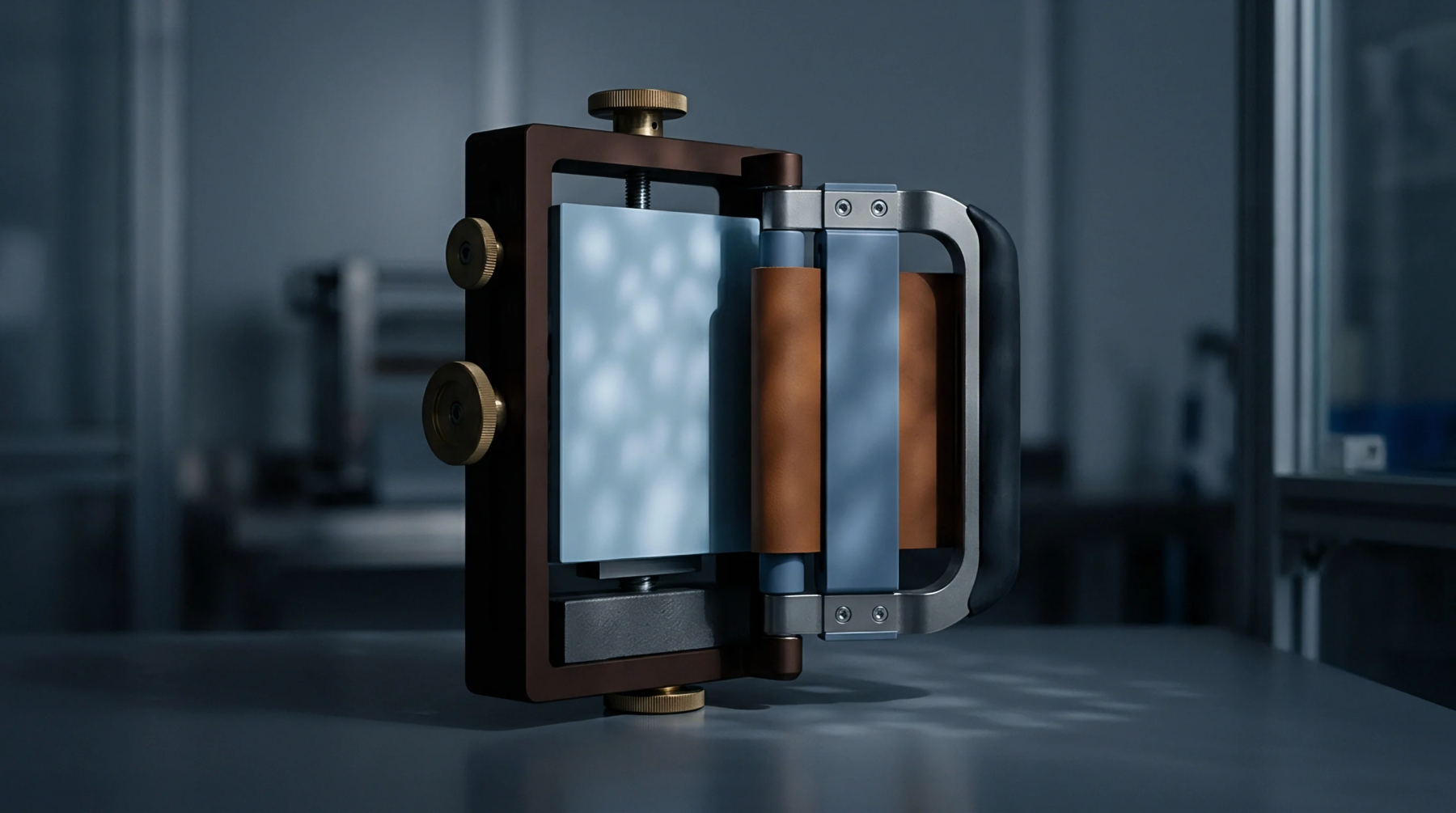
Excessive calendering line pressure crushes electrode mesopores below 10 nm, elevating ionic tortuosity and choking high-rate transport despite density gains.
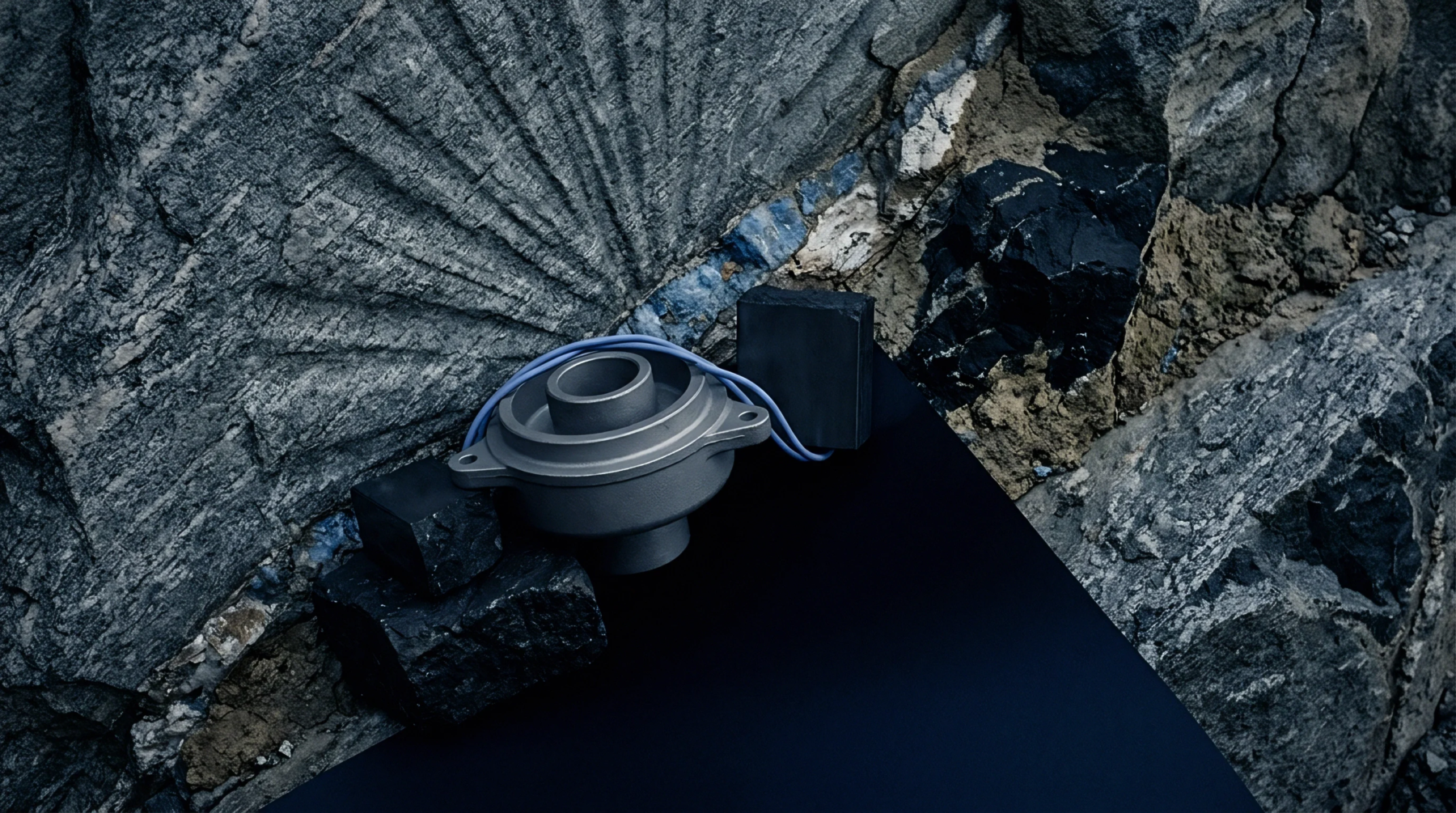
Closed pores dictate low-voltage plateau capacity in hard carbon; verify skeletal density via pycnometry and scattering to stop plating defects.
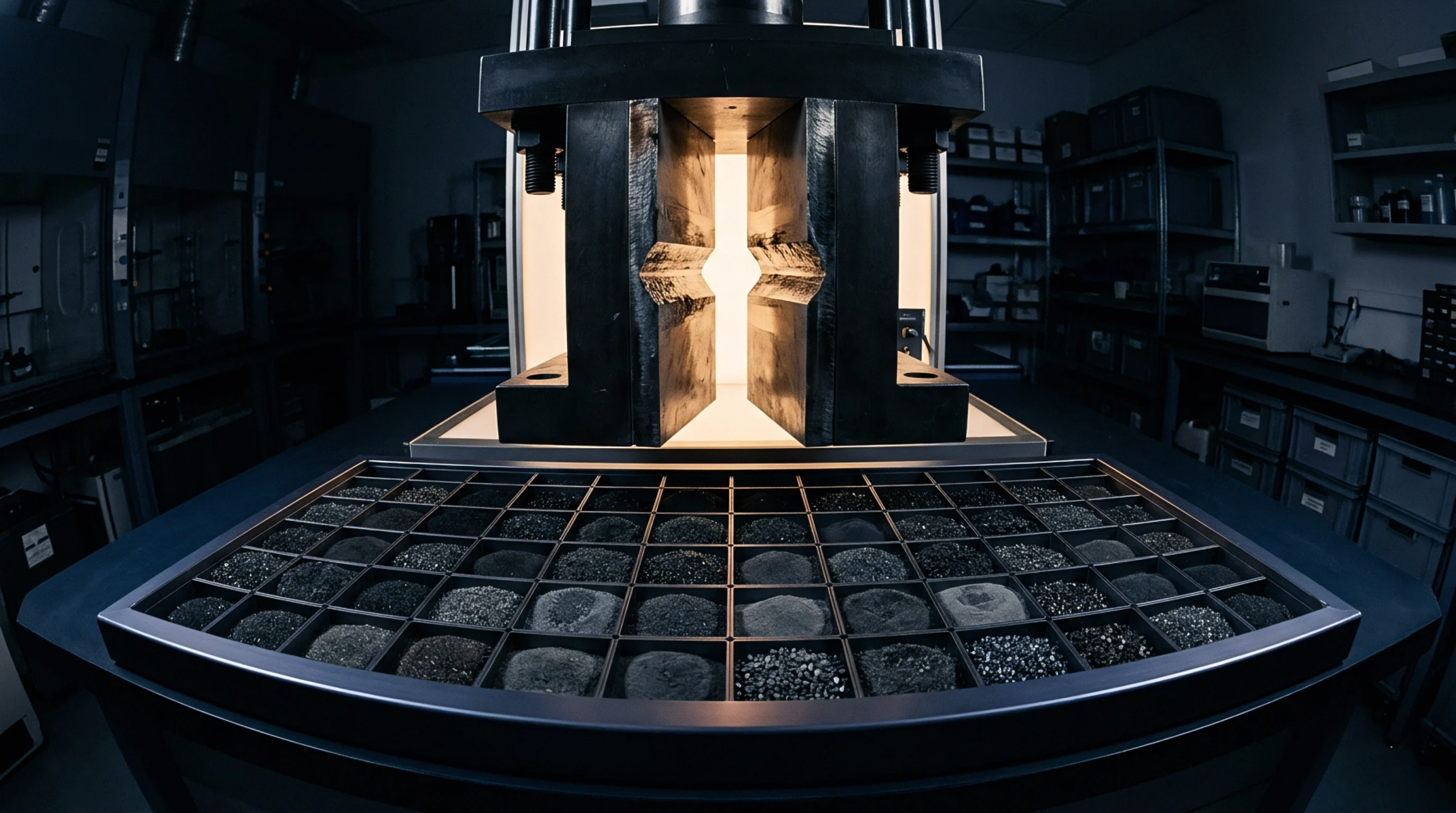
Sodium storage inside closed sub-nanometer carbon pores proceeds via quasi-metallic cluster nucleation stabilized positive of zero volts by Gibbs-Thomson spatial confinement.
Expertise is a utility, not a secret. sentiention™ publishes its working knowledge as open reference: intelligence layer covering the materials it sources, the markets it enters, and the reference that serves both.