
Sodium Ion Cells as a Sourcing Alternative This Decade
Sodium ion cells offer compelling low-temperature performance and transport safety advantages, but energy density gaps and hard carbon pricing limit immediate adoption to target duties.
Sodium ion cells offer compelling low-temperature performance and transport safety advantages, but energy density gaps and hard carbon pricing limit immediate adoption to target duties.
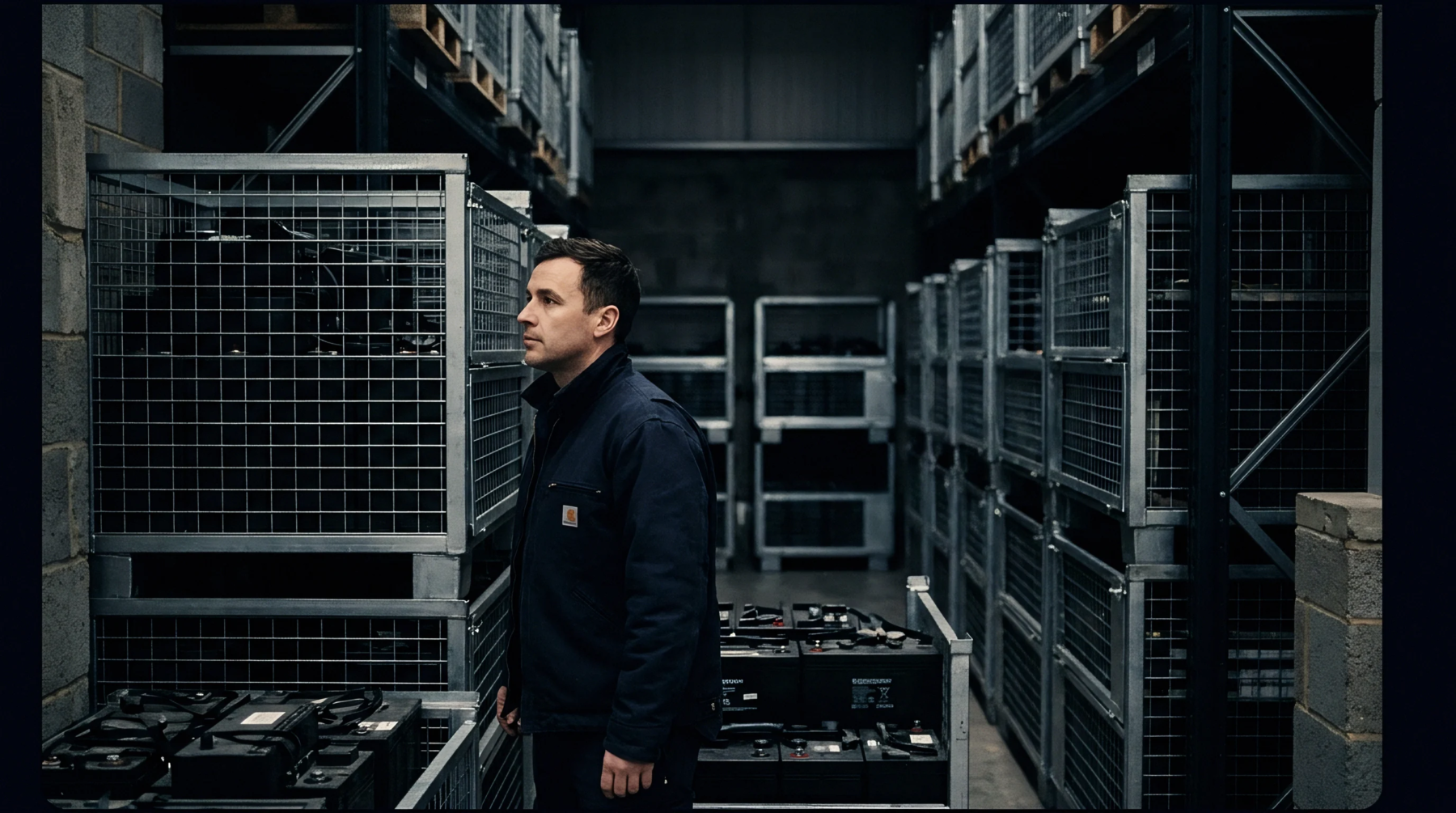
Datasheet shelf life claims hide permanent capacity loss and resistance growth; real storage stability demands dock impedance screening and temperature tracking.

Sub-zero lithium-ion charging without precise current derating triggers irreversible anode plating, driving immediate capacity loss and fire hazards.

Recycled cathode precursors match virgin cell performance when hydrometallurgical refining limits trace iron and copper contaminants below 10 and 5 ppm respectively.

Capacity grading accuracy depends on controlling thermal soaking windows, pneumatic pin resistance, and strict four-wire Kelvin probe calibration on the line.

Sodium-ion cells require d002 interplanar spacing above 0.37 nm in hard carbon and stabilized O3/P2 cathode lattices to deliver low-cost zero-volt transport.
Microstructural separator pore collapse and gas evolution during pouch cell storage exponentially increase internal impedance and drive irreversible capacity scrap rates

Sub-zero battery cell qualification demands low-temperature impedance screening combined with argon glovebox teardown verification to substantiate lithium plating warranty claims.
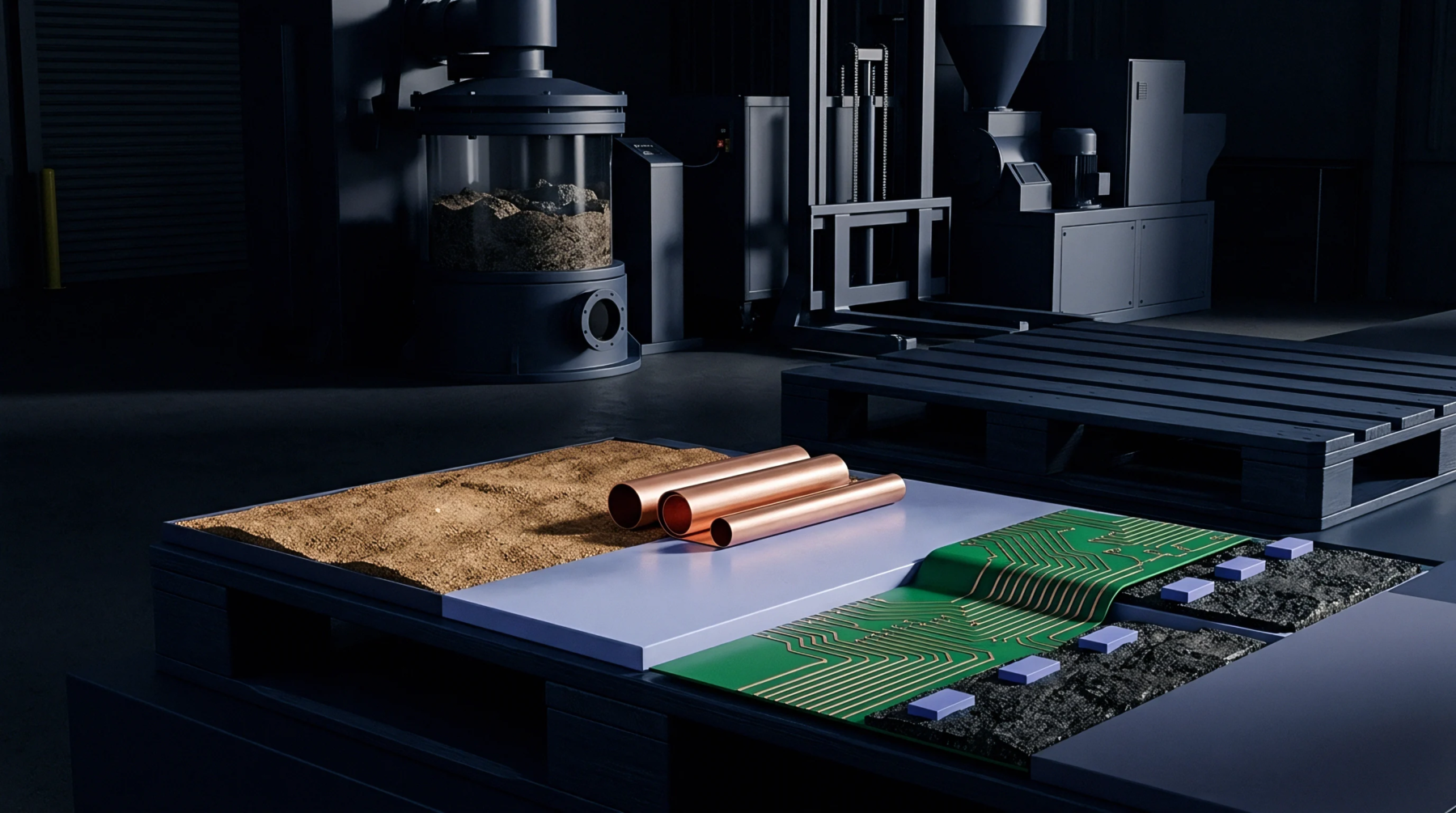
LFP outperforms NMC in non-resting duty cycles by maintaining lattice stability, eliminating continuous microcracking, and cutting cooling costs over 4,000 cycles.
Secondary cell sorting games artificially elevate capacity ratings via thermal and discharge rate manipulation, requiring strict incoming testing to avoid severe pack failure.

Electrode vacuum baking below 15 ppm residual water prevents hydrofluoric acid formation during electrolyte filling, preserving cell cycle life and landed margin.

Immediate AC-IR screening and differential capacity testing reveal hidden transit degradation and cell capacity variance in sodium ion shipments.
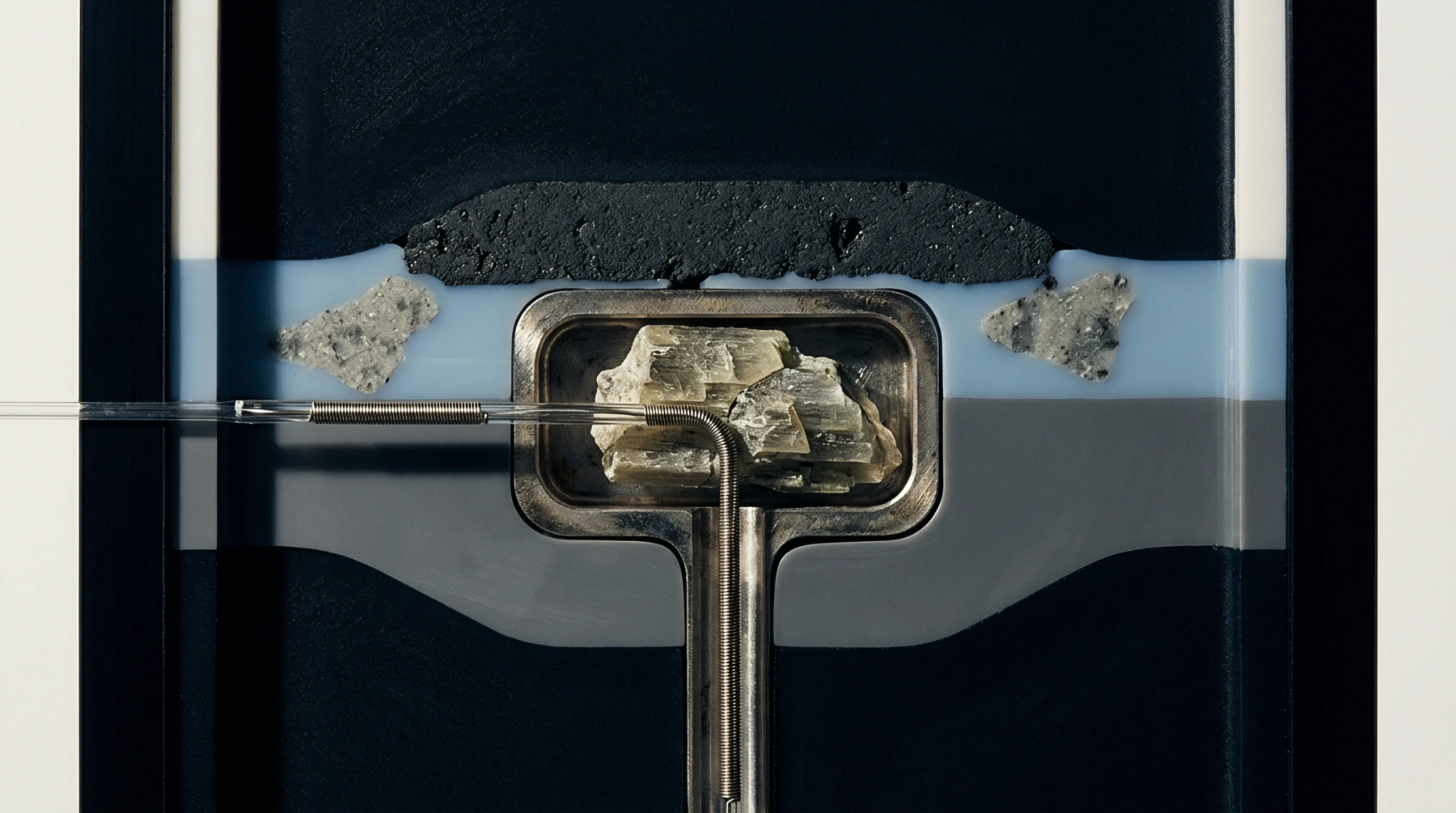
Cell chemistry selection dictates system safety, cycle longevity, thermal cooling architecture, dangerous goods logistics, and levelized storage cost per delivered cycle.

Datasheet cycle life claims overestimate real field performance by up to 45 percent under uncompressed thermal dynamic stress envelopes.

Sub-zero lithium plating occurs when kinetic polarization drives anode surface potential below zero volts against reference lithium, demanding dynamic current derating profiles in cell procurement contracts.

Cold climate warranty enforcement requires temperature-normalized 25°C thermal recovery soaking and cryptographic BMS logging to substantiate degradation claims.

Hard carbon precursor economics remain constrained by low pyrolysis yields and high calcination power costs, delaying sodium-ion cost parity with synthetic graphite LFP cells.

Constraining prismatic cells between 300 and 500 kPa prevents electrode delamination and suppresses localized lithium plating over long cycle life.
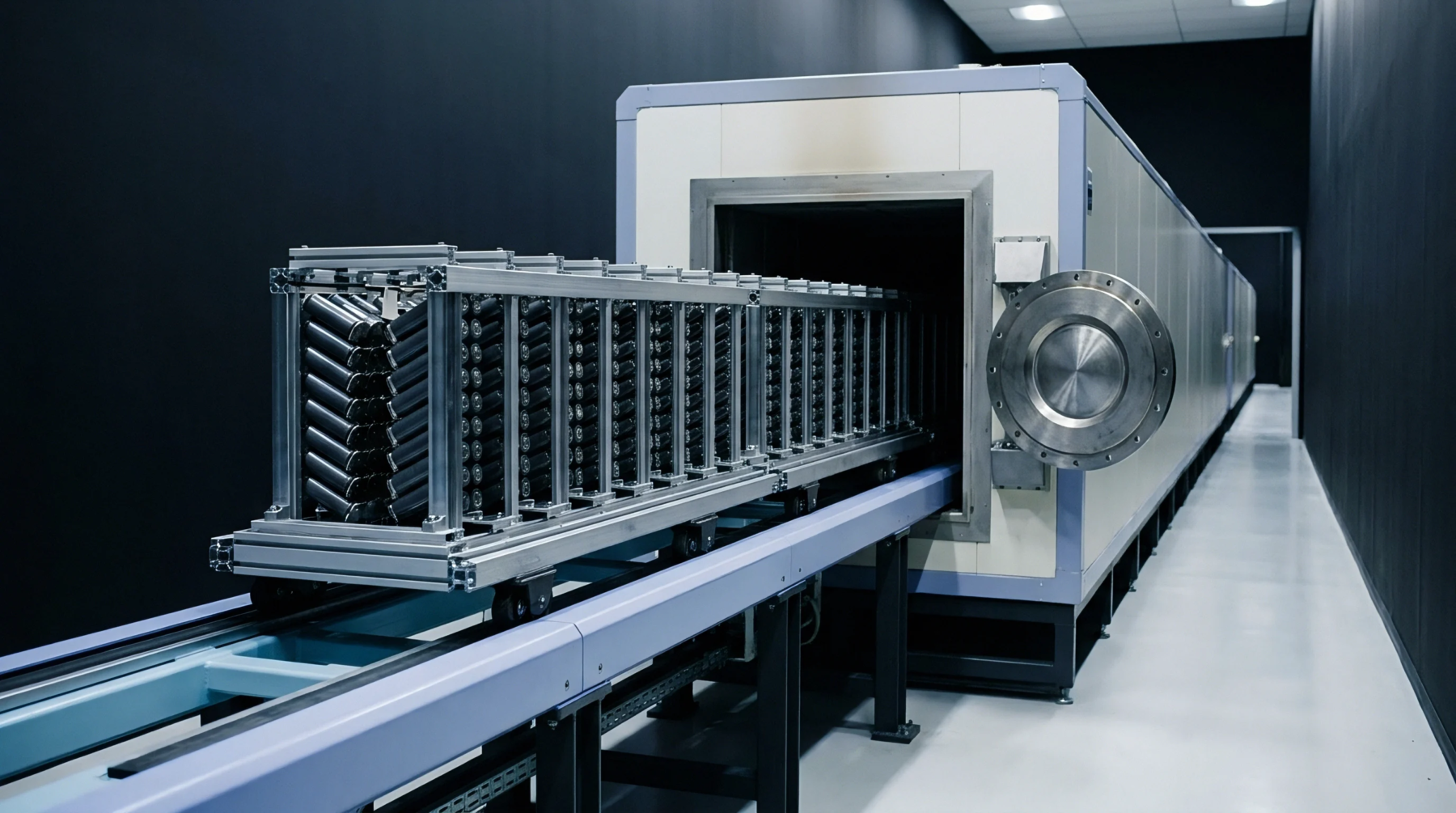
Quantifying capacity knee initiation requires tracking differential voltage peak shifts and post-charge relaxation kinetics under combined dynamic stresses.
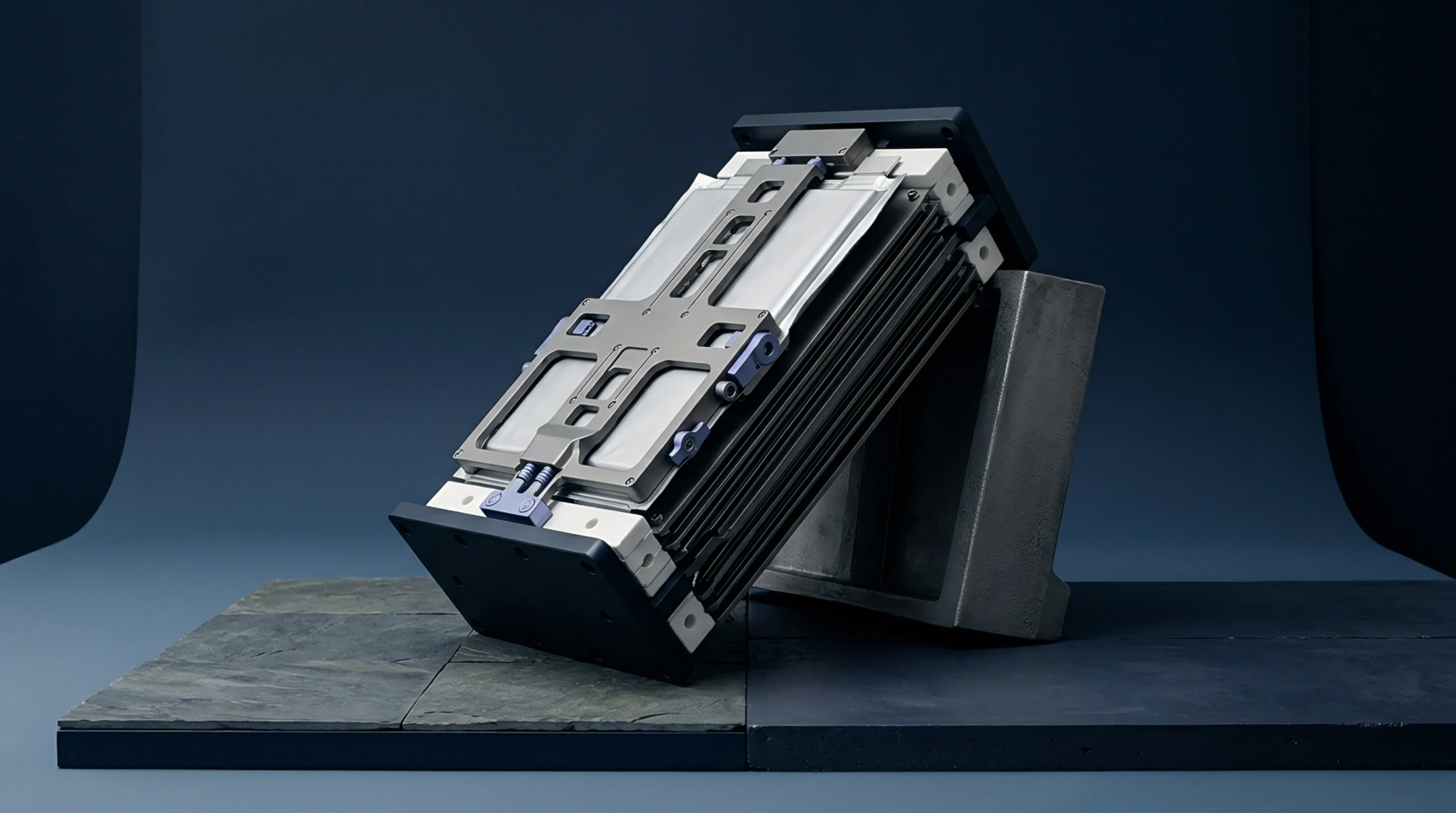
Commercial fleet cell sub-zero degradation claims require laboratory validation under dynamic thermal regimes to prevent premature capacity failure.

Sub-zero fast charging shifts anode kinetics from intercalation to metallic plating; controlling overpotential via pre-heating or step-down profiles prevents rapid cell failure.

High nickel cathode calendar aging stems from surface oxide reduction and parasitic electrolyte oxidation, requiring strict SOC derating below forty percent.

LFP phase transitions and voltage relaxation kinetics create severe OCV hysteresis and multi-hour voltage drift requiring dynamic BMS filtering to prevent SOC errors.

Sub-zero graphite lithiation causes anode potential drops below 0V vs Li/Li+, triggering metallic lithium plating that demands temperature-dependent BMS current limits.

Bio-precursor pyrolysis creates hard carbon anodes whose closed void volume and interlayer spacing govern sodium capacity, initial efficiency, and cell cycle life.

Core-to-surface thermal gradients in prismatic cells drive localized plating and SEI growth, requiring 3D electro-thermal models to prevent early fade.
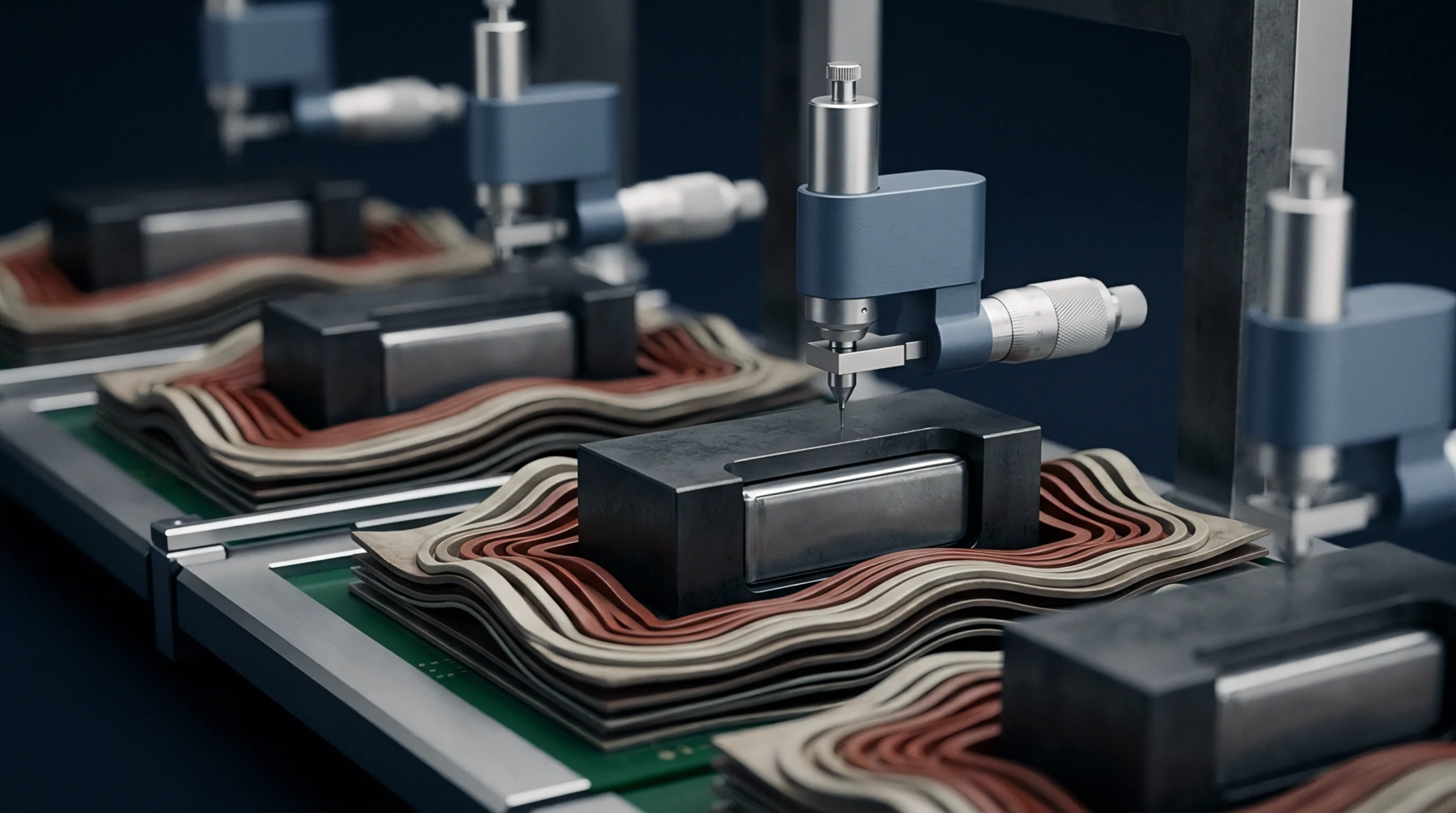
High silicon content lowers the local overpotential threshold for metallic lithium nucleation during fast charging through non-linear strain energy interactions.
Voltage relaxation transients distort open circuit measurements causing state of charge errors exceeding twelve percent without persistent diffusion modeling.

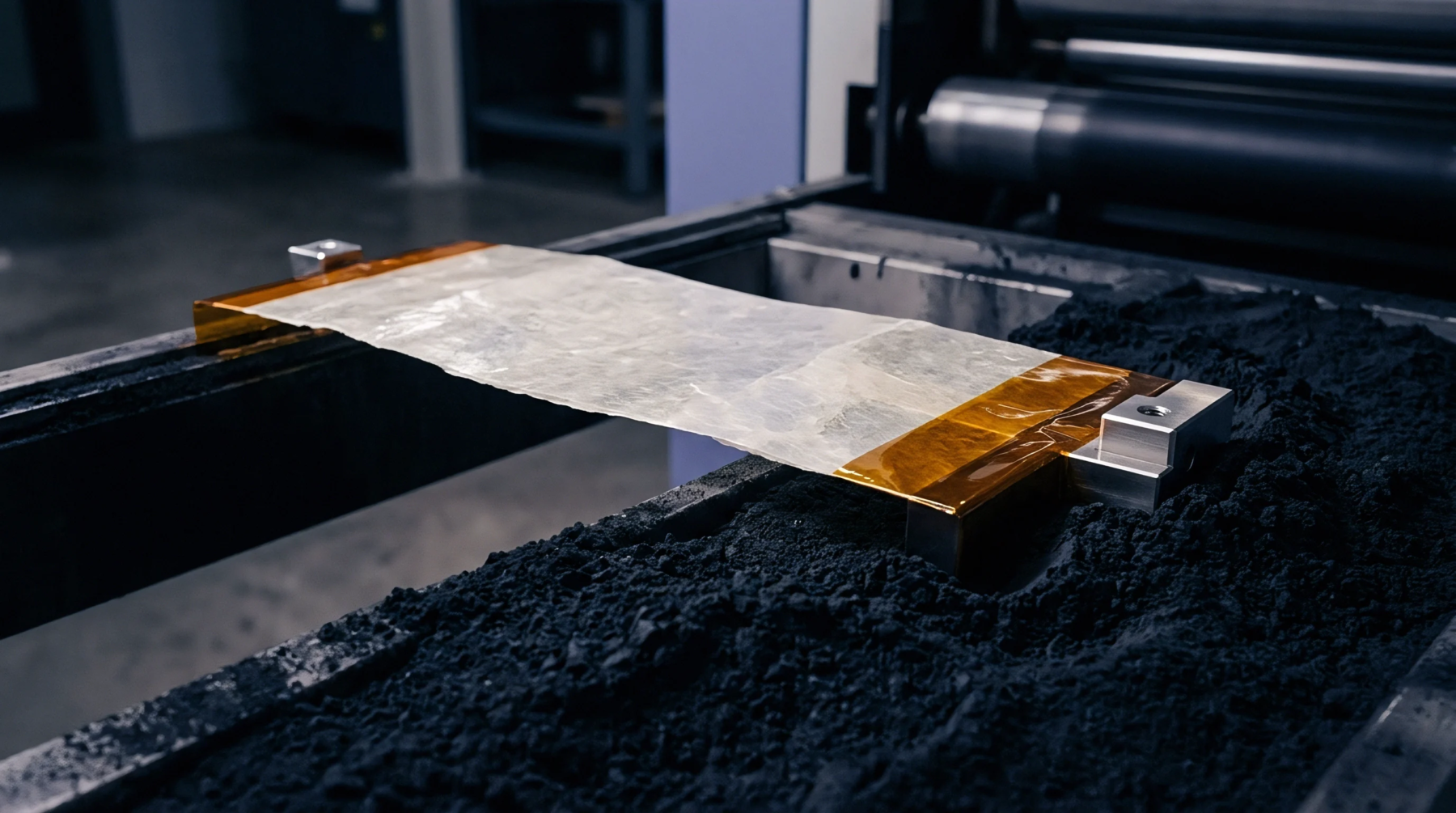
Controlling lignin crosslinking density locks aromatic voids into closed pores during carbonization, maximizing sodium storage plateau capacity and efficiency.

Thermal pyrolysis tuning and defect passivation reduce volumetric lattice strain while maximizing initial coulombic efficiency in hard carbon anodes.
Expertise is a utility, not a secret. sentiention™ publishes its working knowledge as open reference: intelligence layer covering the materials it sources, the markets it enters, and the reference that serves both.