
Validating Ten Core Fields in Transport Test Summaries
Validating UN 38.3 transport test summaries requires verifying ten specific data fields against accredited laboratory reports before cargo tender.
Validating UN 38.3 transport test summaries requires verifying ten specific data fields against accredited laboratory reports before cargo tender.

Differential capacity relaxation isolates metallic lithium plating from intercalation during sub-zero rest by tracking characteristic voltage inflection signatures.
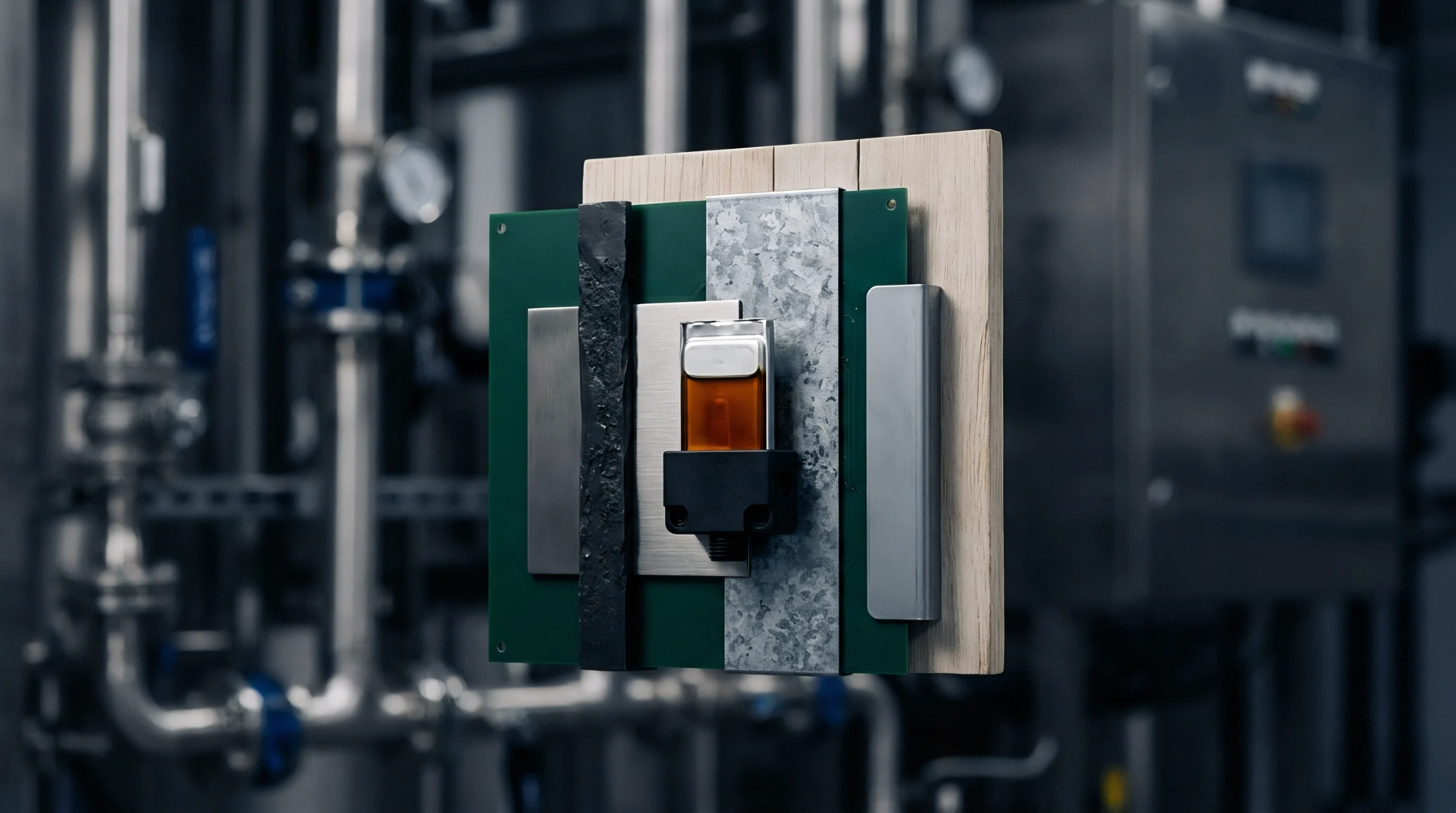
Electrolyte selection below minus twenty degrees Celsius requires low viscosity esters and imide salts to prevent lithium plating and maintain cell discharge capacity.
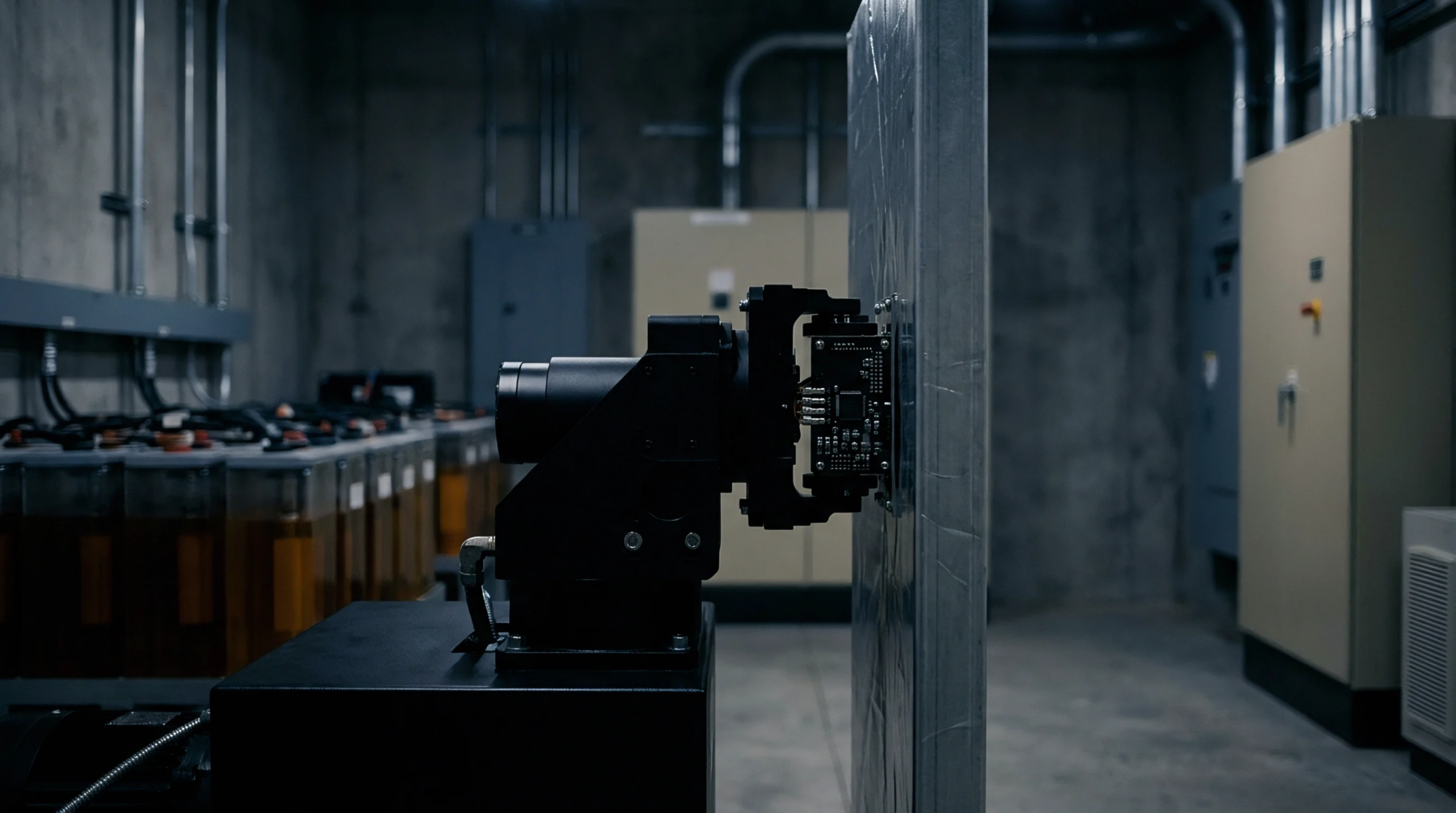
Auditing raw battery cycling time-series exports reveals hidden test anomalies, temperature manipulations, and truncated statistical data in vendor dossiers.
Micro reference electrodes distort local current flux and add high frequency phase shifts requiring offset correction and baseline decoupling for valid fast charge metrology.

Operando deconvolution isolates ion desolvation from interfacial charge transfer, enabling electrolyte formulations that eliminate low-temperature power loss.

Data acquisition delay inflates cell transient resistance measurements by capturing double-layer charging decay rather than pure ohmic voltage drops.

Dynamic tracking of graphite anode potential prevents sub-zero metallic lithium plating by throttling charging current before interfacial overpotentials breach 0V.

Operando NMR isolates trapped dead lithium during sub-zero fast charging, enabling quantitative plating prevention and dynamic charging algorithm design.

Hardware level microsecond timestamp synchronization eliminates false impedance spikes and secures compliant battery cell qualification data integrity.

Verify UN 38.3 reports by matching test dates against active ISO 17025 scopes from ILAC MRA national registries before shipping to avoid customs holds.

Decoupling Seebeck voltage offsets requires bipolar pulse excitation or spatial thermal modeling to isolate thermo-galvanic artifacts from true electrochemical overpotentials.
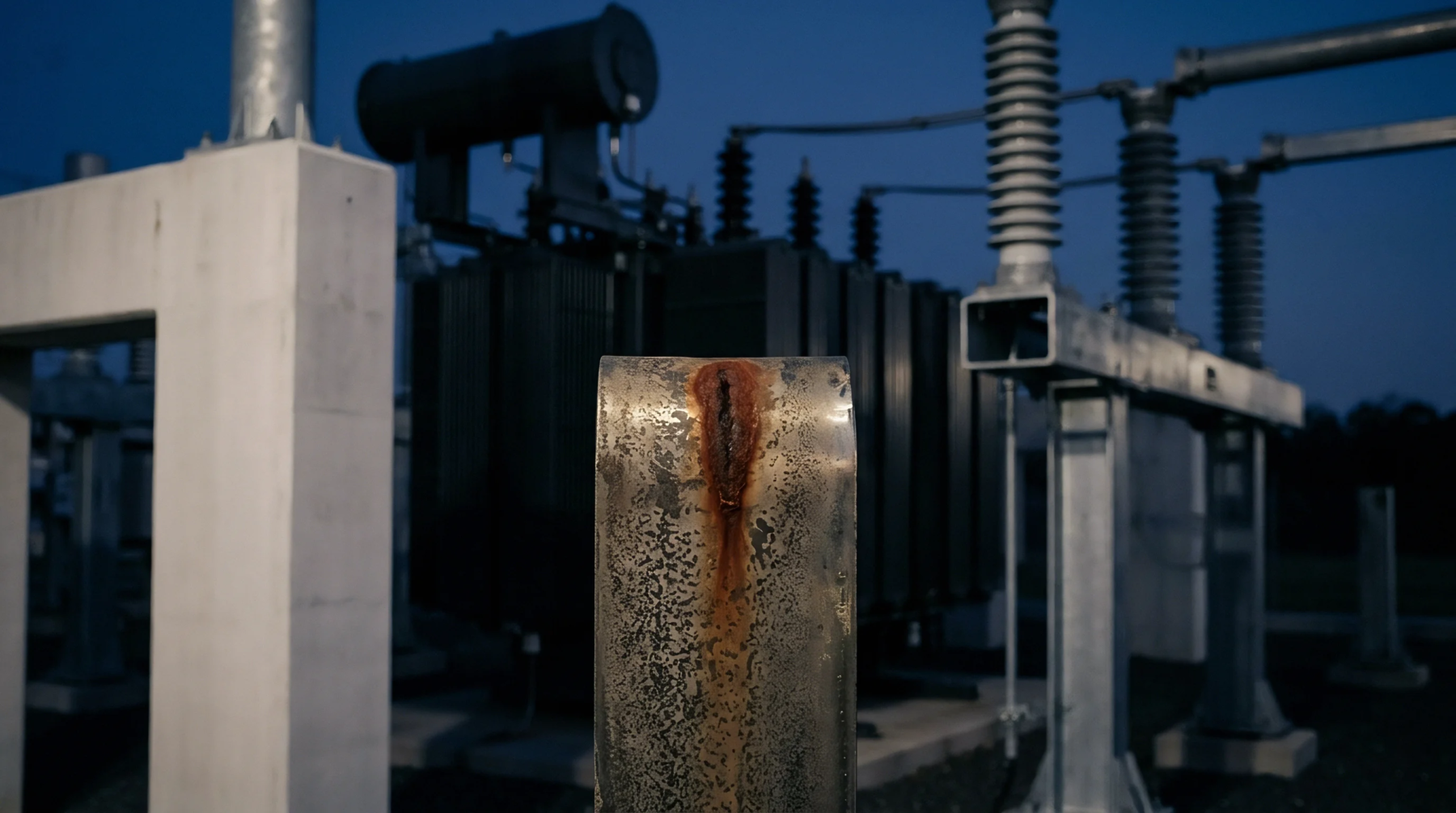
Low-rate galvanostatic testing isolates lithium loss from material degradation, providing true chemical health metrics that standard factory checks mask.

Core-to-surface thermal gradients in prismatic cells drive localized plating and SEI growth, requiring 3D electro-thermal models to prevent early fade.

LFP phase transitions and voltage relaxation kinetics create severe OCV hysteresis and multi-hour voltage drift requiring dynamic BMS filtering to prevent SOC errors.
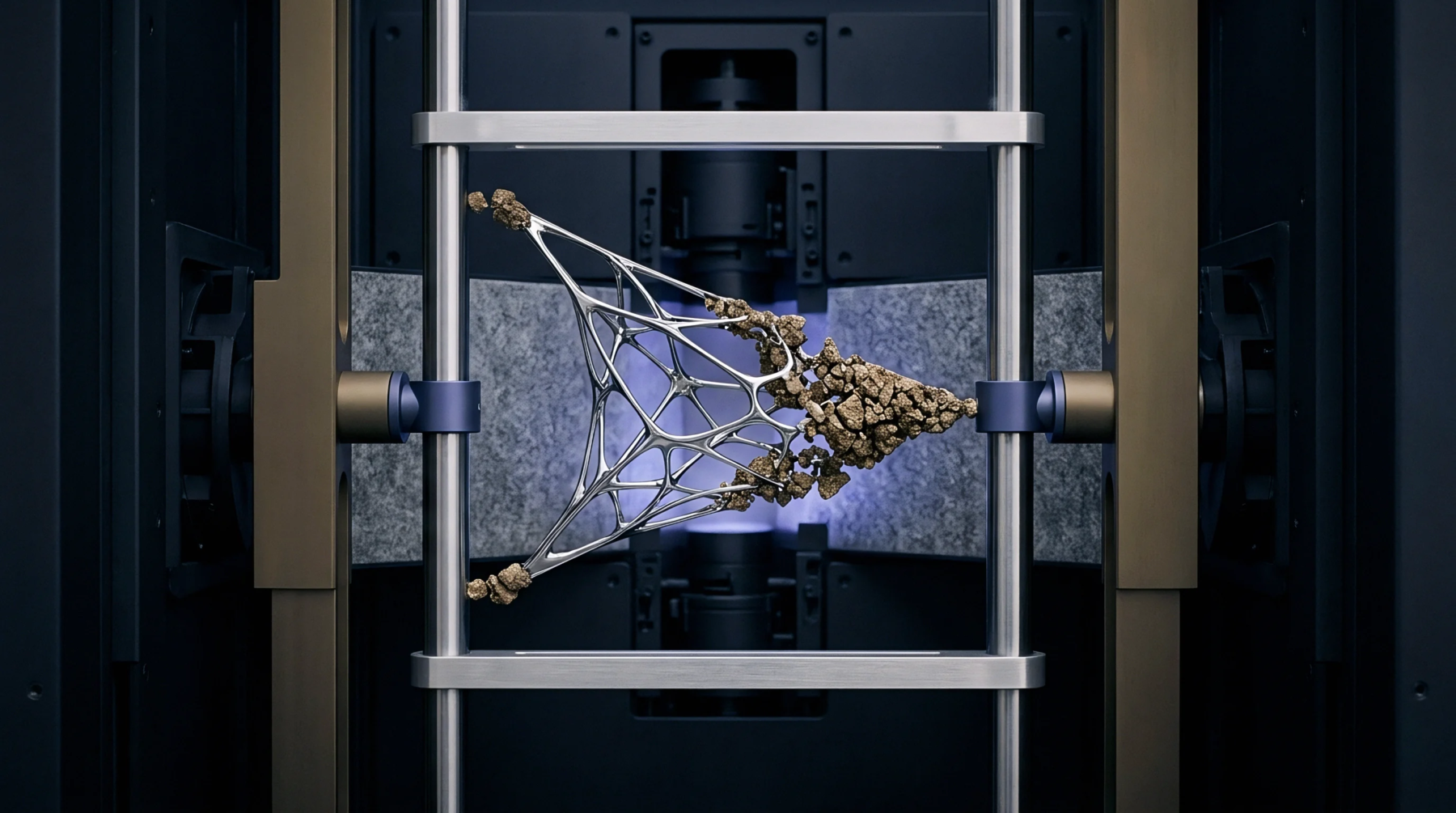
Differential capacity analysis quantifies lithium inventory loss and active material isolation in prismatic LFP cells through C/50 peak voltage shift tracking.

Prismatic LFP degradation stems primarily from loss of active lithium to anode SEI growth, accelerated by high state-of-charge storage and stack pressure.
Expertise is a utility, not a secret. sentiention™ publishes its working knowledge as open reference: intelligence layer covering the materials it sources, the markets it enters, and the reference that serves both.