
Closed Pore Architecture Optimization via Ozone Assisted Pre-Oxidation Parameters
Ozone-assisted pre-oxidation creates oxygen bridges that maximize closed pore nanovoids in hard carbon, raising initial coulombic efficiency above ninety percent.
Ozone-assisted pre-oxidation creates oxygen bridges that maximize closed pore nanovoids in hard carbon, raising initial coulombic efficiency above ninety percent.
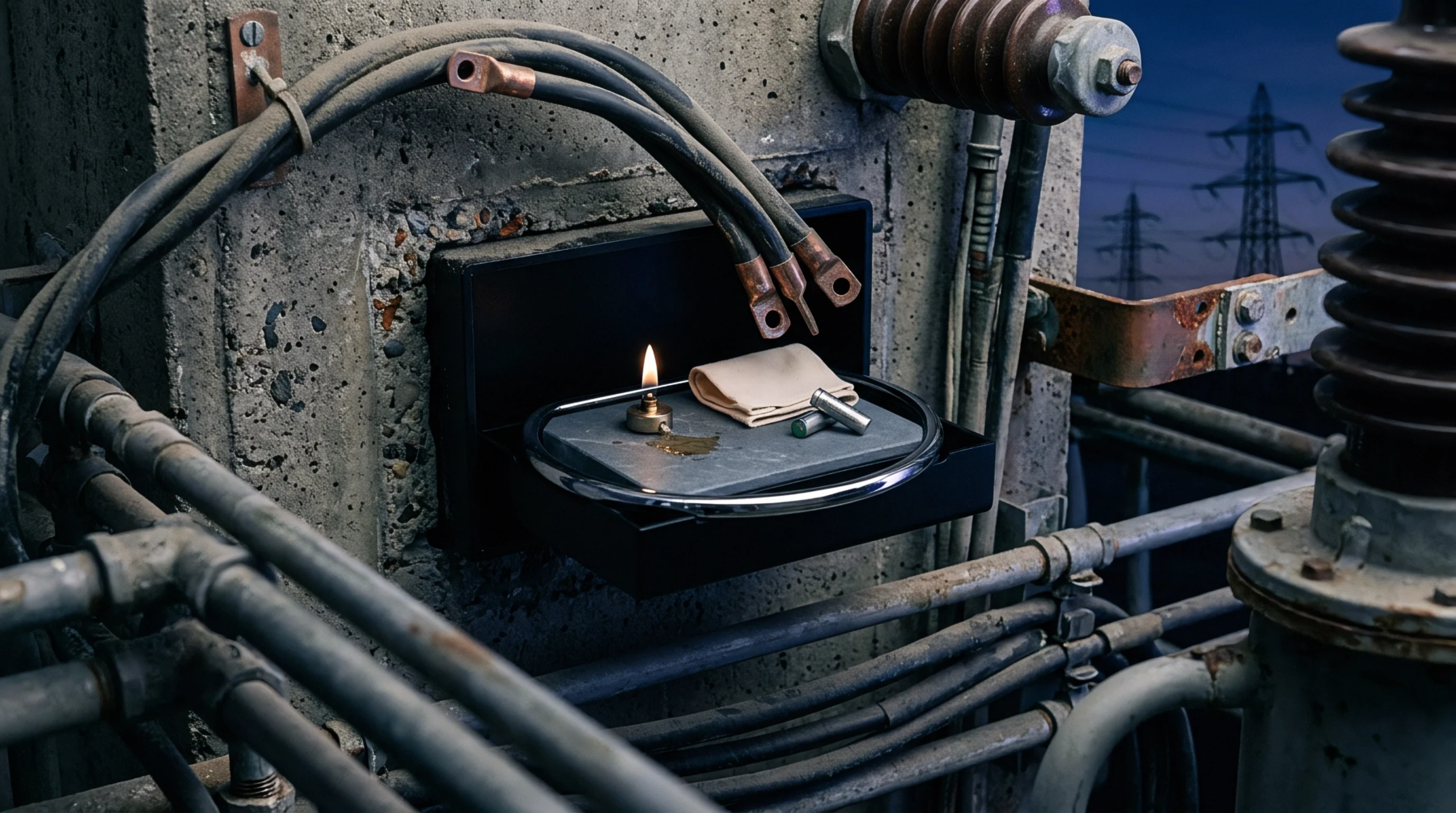
Controlling pitch air-oxidation at 260°C yields oxygen uptake above 8 percent, preventing mesophase growth and maximizing sodium storage plateau capacity.

Eliminating lithium plating in fast-charging silicon anodes requires reducing out-of-plane tortuosity and maintaining stack pressure between 0.3 and 0.8 MPa.

Differential capacity analysis detects metallic lithium plating on high-current graphite cells by identifying distinct stripping peaks during low-rate discharge.

Active anode potential tracking prevents metallic lithium plating, extending cell life and enabling safe 15-minute fast charging in high-power battery packs.

Elevated thermal stress converts high-nickel cathode calendar loss from parabolic SEI growth into rapid non-linear decay through surface phase degradation.

Differential capacity spectrum parameter fitting separates calendar lithium loss from electrode degradation through non-destructive low-rate OCV tracking.
Low-rate differential voltage analysis decouples lithium inventory depletion from active material loss, identifying capacity knee risks before failure occurs.

Electrochemical impedance spectroscopy detects subzero lithium plating by tracking charge-transfer resistance collapse and high-frequency phase angle shifts.
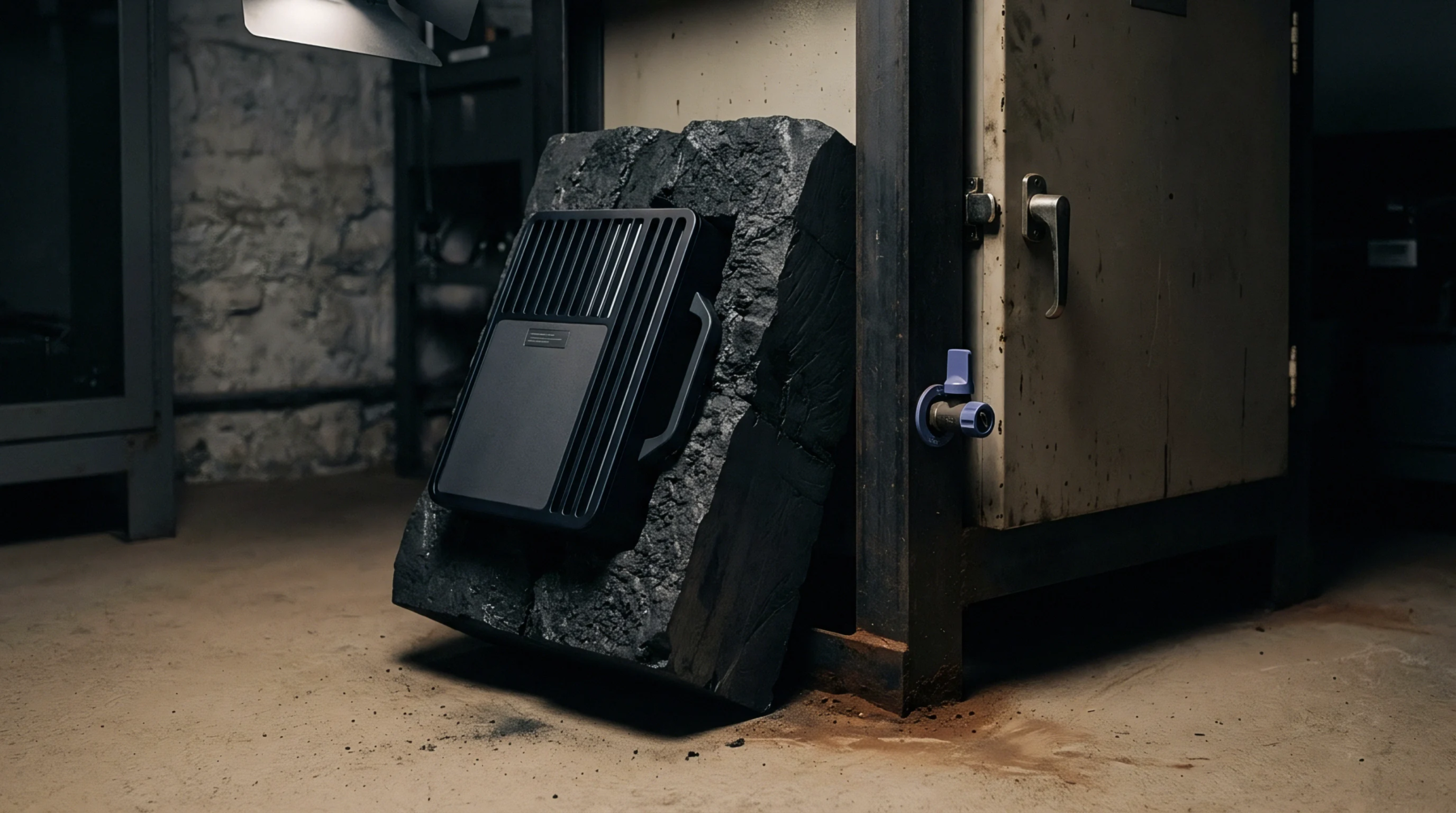
Multi temperature thermal soak schedules isolate micro shorts and establish valid cell voltage decay dossiers prior to volume cell procurement.

Prismatic cell subzero charge acceptance requires strict current derating below zero degrees Celsius to prevent irreversible metallic lithium plating.

Differential voltage relaxation spectra decouple silicon alloy phase transitions from metallic lithium re-intercalation via peak symmetry and activation energy.

Differential voltage relaxation derivatives quantify chemical re-intercalation capacity, isolating reversible lithium plating without destroying commercial cells.

Differential capacity relaxation isolates metallic lithium plating from intercalation during sub-zero rest by tracking characteristic voltage inflection signatures.
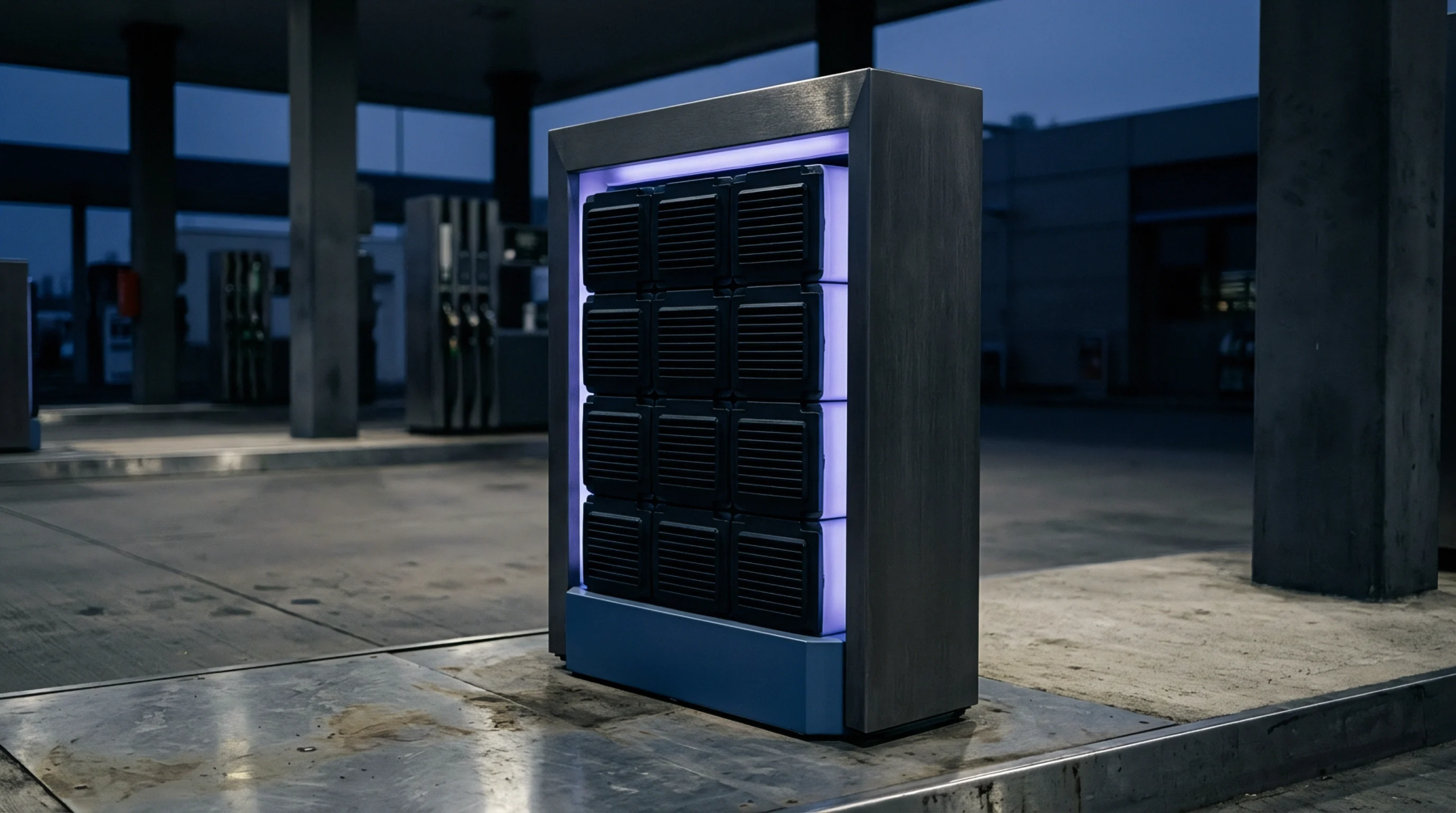
Cryogenic fast charging forces graphite surfaces to stoichiometric saturation, driving negative electrode potentials below zero and causing severe plating.

Subzero cell performance depends on lowering desolvation activation energy through modified solvation sheath chemistry to prevent low-temperature anode plating.

Electrolyte selection below minus twenty degrees Celsius requires low viscosity esters and imide salts to prevent lithium plating and maintain cell discharge capacity.
High-nickel cathode rollover stems from high-voltage H2-H3 phase strain and microcracking; contractually bound dQ/dV and resistance growth limits protect assets.
Auditing raw battery cycling time-series exports reveals hidden test anomalies, temperature manipulations, and truncated statistical data in vendor dossiers.

Determining capacity fade parameters demands high precision cycling data, strict thermal regulation, and kinetic fitting across standard laboratory profiles.

Dynamic current derating derived from localized salt diffusion kinetics prevents sub-zero lithium plating and costly field warranty failures.

Combined high voltage and thermal stress drives exponential electrolyte salt consumption, causing localized concentration starvation and sudden capacity cliff drops.

High voltage thermal cycling accelerates cathode surface reconstruction and metal dissolution, doubling impedance and driving capacity fade.

Dynamic anode potential control above 50 mV suppresses crystalline silicide formation, preserving amorphous silicon structure and extending cycle life.

Upper full cell voltage cutoff calibration limits local anode lithiation potential above 50 mV vs Li/Li+ to prevent crystalline silicon phase breakdown.

Tuning cell lower cutoff voltage above 2.8V prevents silicon crystallization into c-Li15Si4, suppressing volumetric failure and tripling total cycle life.
Quantifying microstructural phase transition relaxation prevents mistaking mechanical lattice heat for parasitic oxidation, lowering projected ten-year battery warranty risks.

Microcalorimetric heat flow paired with differential voltage profiling separates passive chemical oxidation from active lithium loss during elevated storage.
Differentiating diffusion relaxation from chemical self-discharge requires multi-point voltage decay modeling to isolate transient overpotentials from constant Faradaic leakage.

Sacrificial sodium preloading compensates hard carbon initial capacity loss, lowering desolvation resistance when inorganic sodium fluoride inner films dominate.
Expertise is a utility, not a secret. sentiention™ publishes its working knowledge as open reference: intelligence layer covering the materials it sources, the markets it enters, and the reference that serves both.