
Thermal Gradient Effects on Active Material Loss in Prismatic Formats
Internal thermal gradients accelerate prismatic cell active material loss by driving localized current crowding, high-temperature SEI growth, and particle cracking.
Internal thermal gradients accelerate prismatic cell active material loss by driving localized current crowding, high-temperature SEI growth, and particle cracking.

Receiving screening of stored prismatic lithium lots requires thermal stabilization, sub-millivolt OCV drift tracking, and clamped DCIR metrology to catch self-discharge and swelling defects.

Controlling rotary kiln pyrolysis kinetics optimizes hard carbon interlayer spacing and closed porosity, raising sodium-ion anode initial coulombic efficiency.

Sub-zero graphite charging is constrained by desolvation and pore diffusion limits that induce lithium plating when anode potential drops below zero volts.

Early cycle analytics fail to predict nonlinear battery degradation knees when sacrificial additives mask microstructural stress accumulation.

Sodium oxalate oxidation kinetics dictate pouch formation degassing timing, where 3.85 V step holds prevent cell swelling and minimize solvent evaporation.
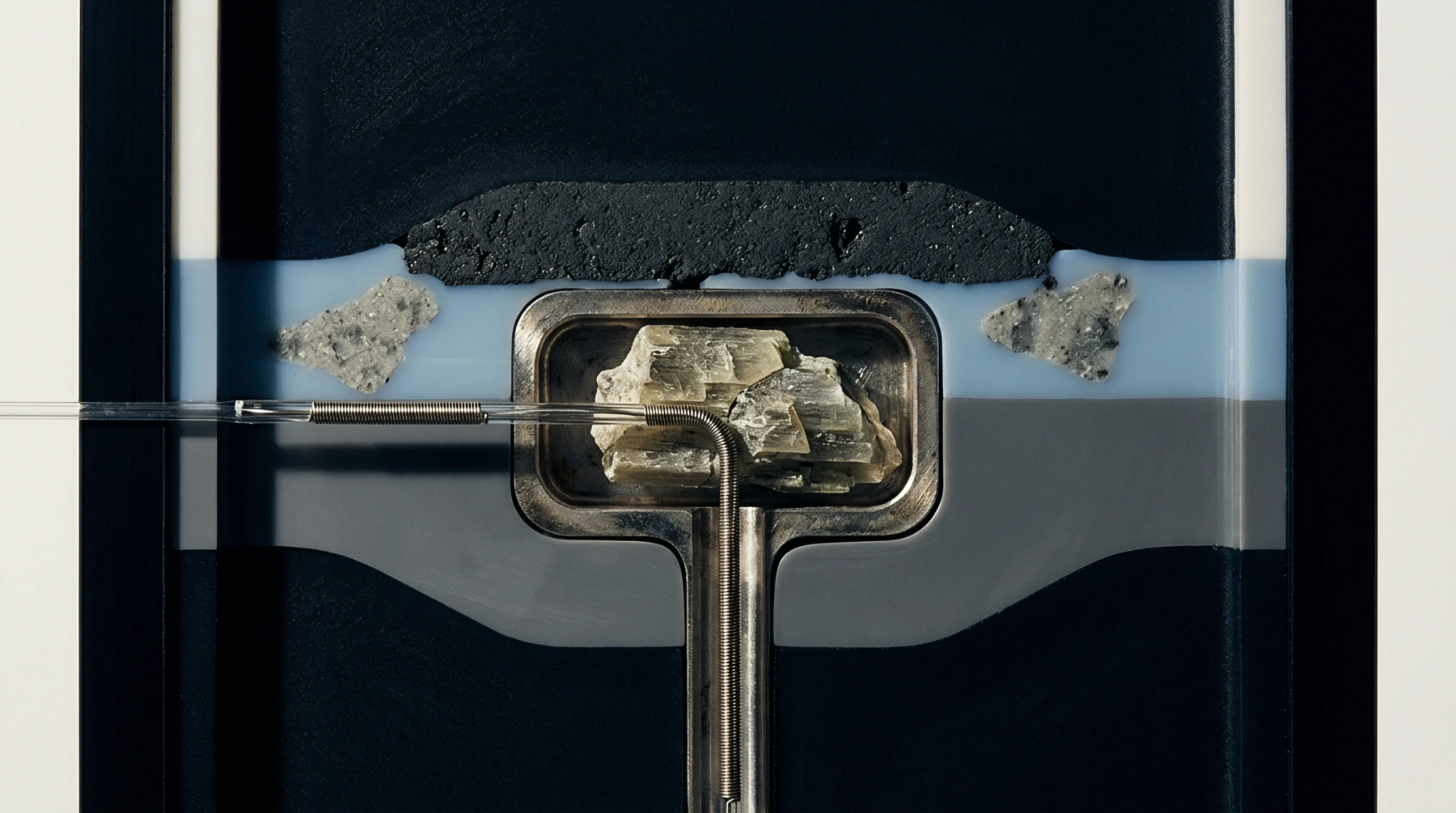
Silicon anodes demand strict lower cutoff voltage limits and cross-linked polar binders to restrict volume expansion and prevent continuous interphase degradation.

Subzero charge drives graphite surface potential below 0V vs Li/Li+, causing metallic lithium plating that demands temperature-compensated derating.

Intermittent thermal preconditioning failures cause irreversible low-temperature lithium plating, accelerating capacity loss and transferring asset liability.

Operando NMR isolates trapped dead lithium during sub-zero fast charging, enabling quantitative plating prevention and dynamic charging algorithm design.
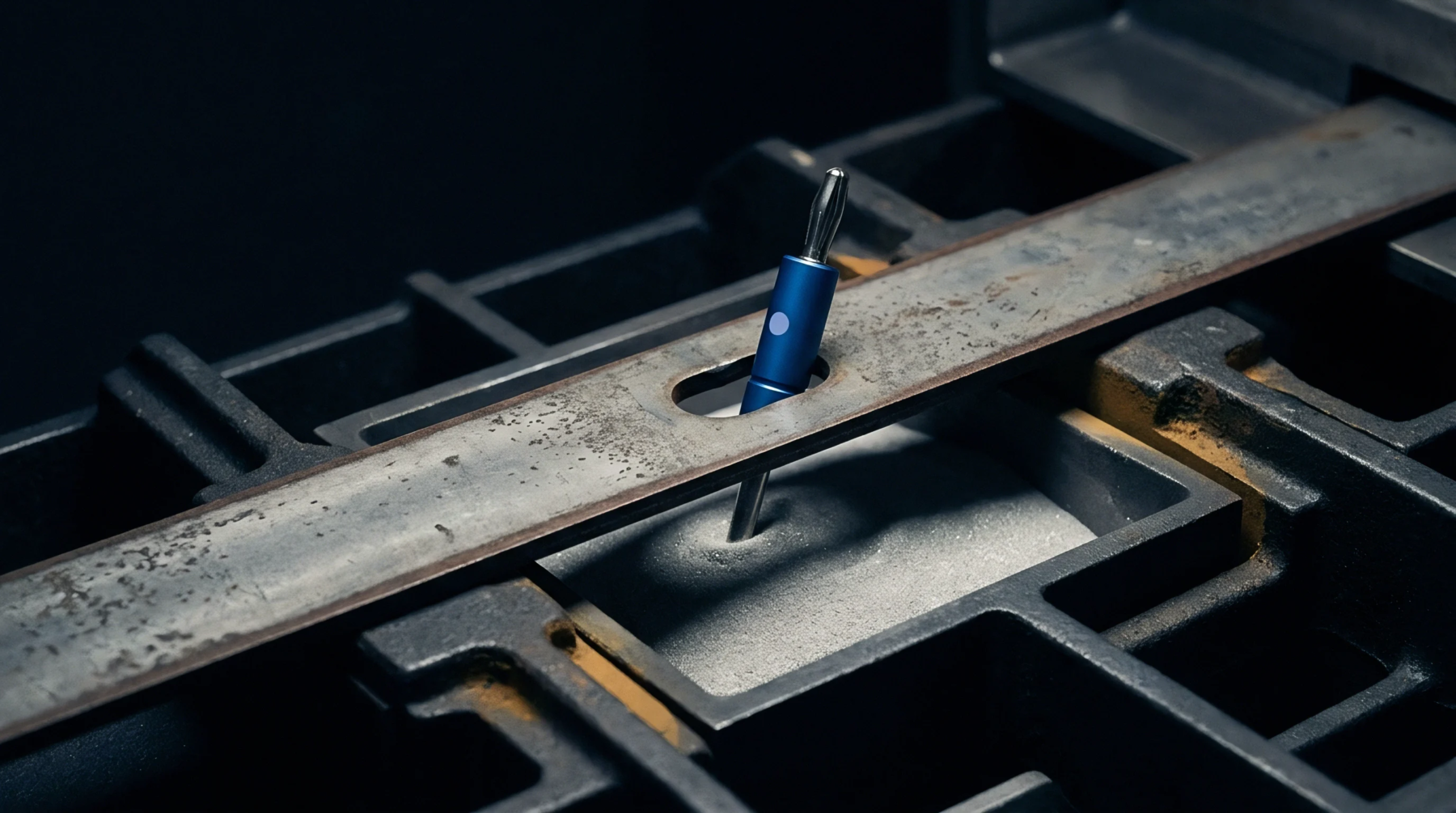
Four-wire Kelvin testing eliminates lead and contact resistance errors, enabling precise micro-ohm battery internal resistance measurement for cell grading.

Electrochemical impedance transmission line modeling isolates micro-structural electrolyte salt depletion under continuous high-C discharge before voltage collapse.
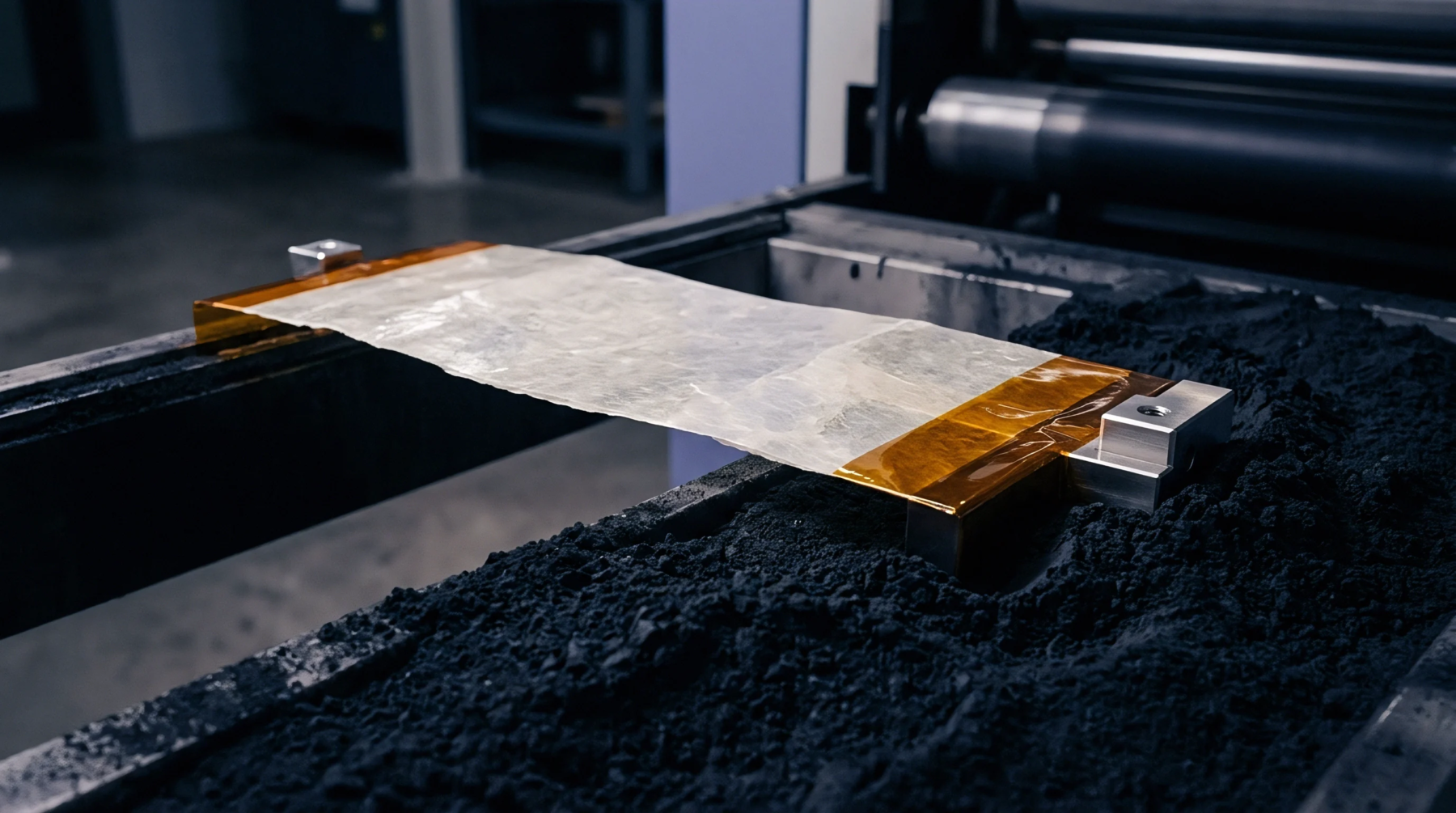
Thermomechanical strain relaxation at 1400 °C coupled with gas-phase defect passivation elevates hard carbon initial efficiency past 90 percent.
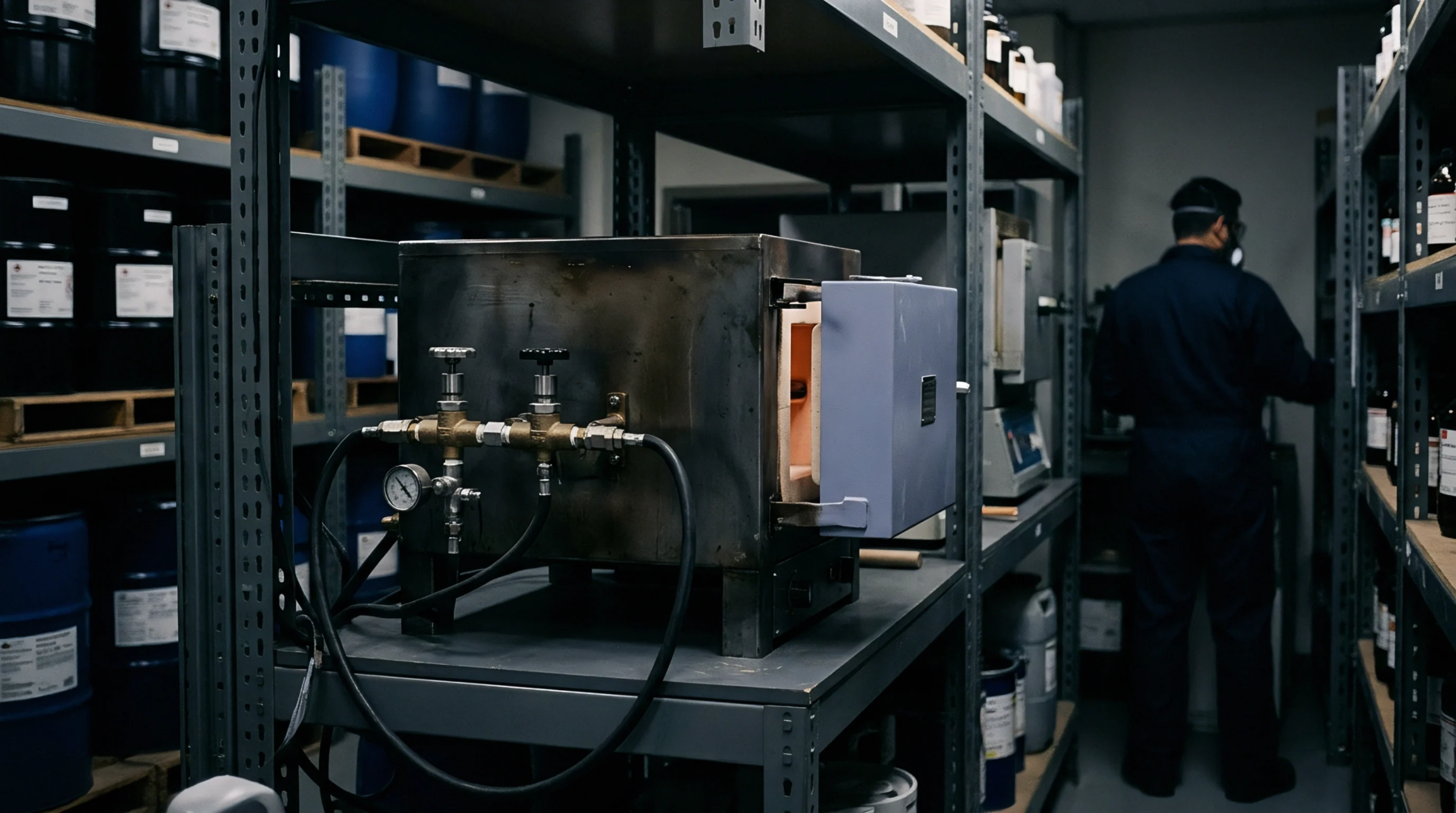
Thermal processing of hard carbon precursors regulates d002 interlayer spacing and closed microporosity to optimize sodium storage capacity and coulombic efficiency.

SAXS combined with contrast-matching solvent intrusion isolates closed pore volume loss during calendering to prevent over-compaction and lithium plating.

Optimize precursor pre-oxidation at 230-270 °C under 0.05 atm O2 to expand closed pore volume, achieving >220 mAh/g low-potential plateau capacity and >88% ICE.

Fast charging requires negative electrode potential monitoring above zero volts against lithium reference to prevent cell degradation and thermal risks.
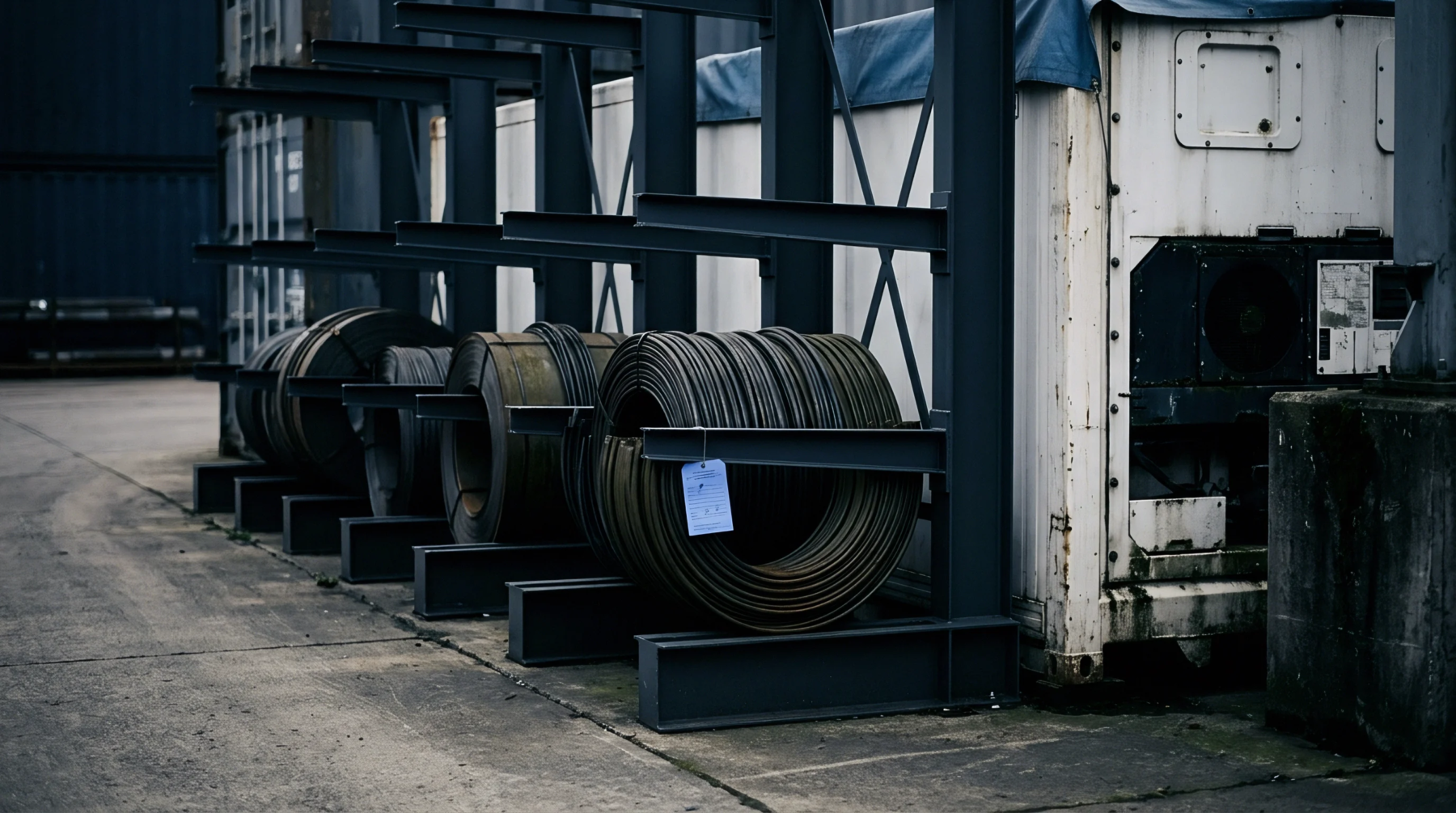
Calendar capacity loss diagnostic separation isolates reversible lithium inventory depletion from permanent host lattice destruction to settle battery warranty liabilities.

Standardized cold weather thermal protocols prevent subzero lithium plating by aligning chamber soak times, charge derating, and impedance verification.

Differential capacity voltage relaxation analysis detects sub-zero lithium plating by identifying chemical re-intercalation peaks during post-charge rest.

Subzero cell performance relies on reducing interfacial desolvation energy through weakly coordinating fluorinated solvents and low-barrier inorganic SEI layers.

Verifying cycle life requires auditing raw time-series logs against physical test conditions rather than relying on datasheet retention curves.

High voltage thermal cycling accelerates electrolyte salt depletion and interphase resistance growth, requiring combined spectroscopic and mass transport verification.

Restricting silicon anode lithiation potential above fifty millivolts prevents crystalline phase formation and expands cycle life.

Distinguishing high-temperature self-discharge from solid-state relaxation requires isolating irreversible lithium loss from reversible particle diffusion via microcalorimetry and extended rest protocols.

Sacrificial sodium additives offset initial hard carbon capacity loss to increase sodium-ion cell energy density and reduce landed cost per kilowatt-hour.
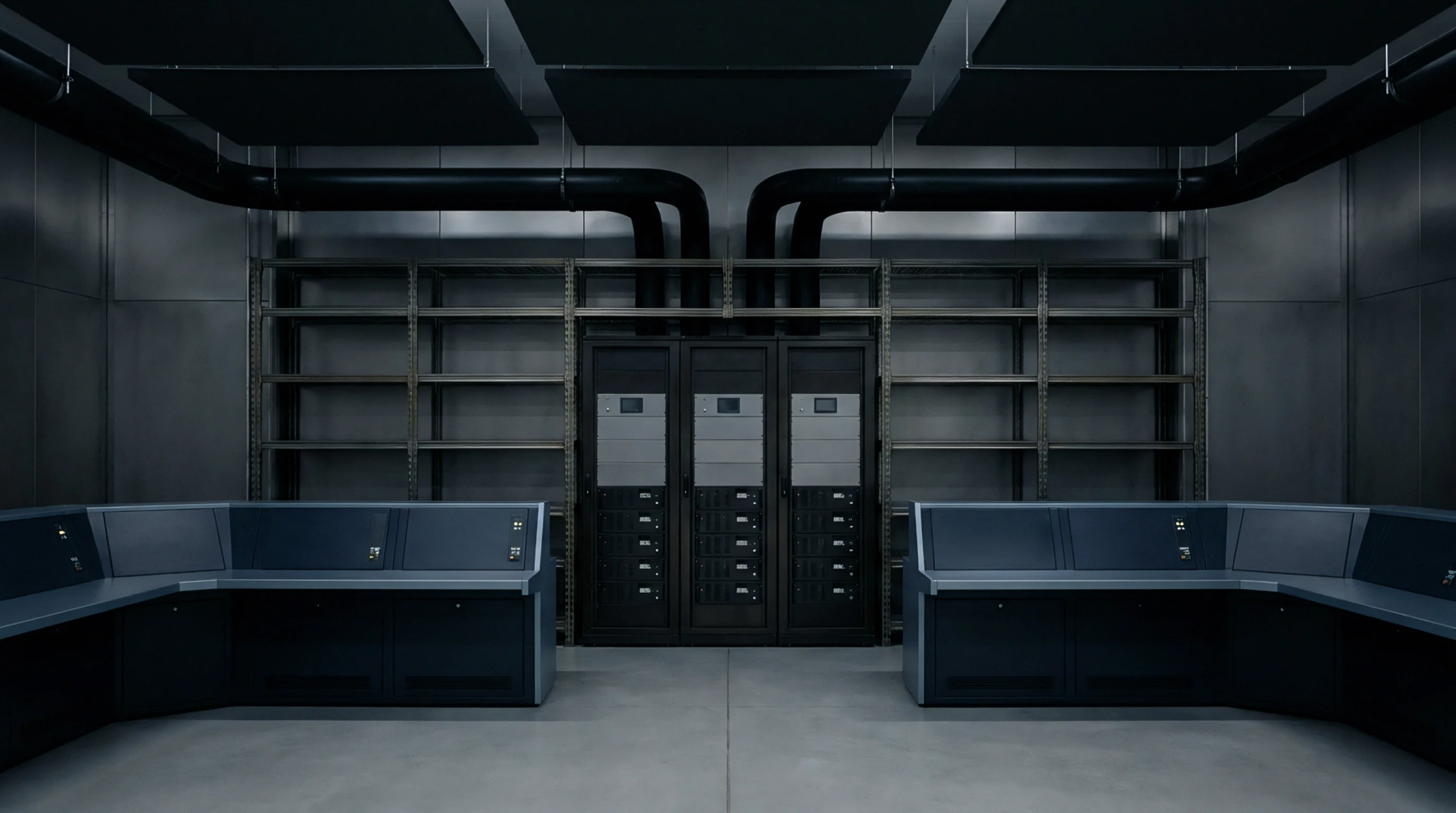
Sub-zero battery monitoring requires continuous cell-level voltage and terminal thermal logging to prevent dynamic charge plating and enforce warranty compliance.

Silicon alloy anodes require stack pressure control between 0.8 and 1.2 MPa to suppress brittle silicide crystallization and maintain cycle stability.

Phase boundary kinetics and entropic hysteresis demand multi-temperature voltage relaxation holds in qualification workflows to prevent severe SOC and warranty errors.
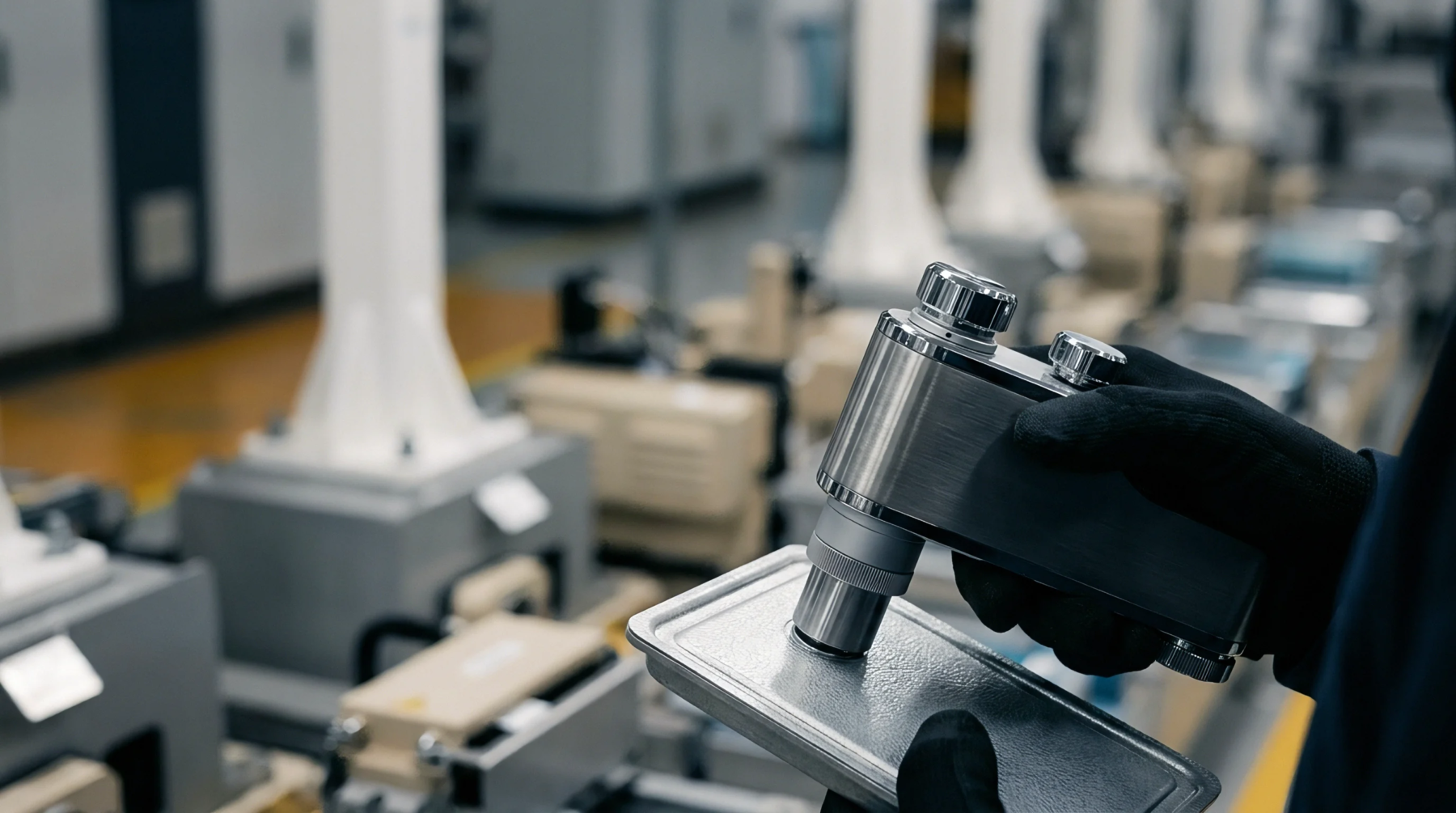
Operando three-electrode metrology isolates desolvation energy barriers from charge transfer kinetics, defining true lithium plating overpotential limits.
Expertise is a utility, not a secret. sentiention™ publishes its working knowledge as open reference: intelligence layer covering the materials it sources, the markets it enters, and the reference that serves both.