
Coupled Thermomechanical Degradation and Structural Clamping in Large Format Cells
Mechanical pre-load between 0.2 and 0.5 MPa optimizes cycle life by preventing graphite delamination while maintaining pore network ionic diffusivity.
Mechanical pre-load between 0.2 and 0.5 MPa optimizes cycle life by preventing graphite delamination while maintaining pore network ionic diffusivity.

Prismatic cell mechanical preload management balances initial zero point two megapascal compression against elastomeric spacer deflection to prevent capacity fade.

Thermomechanical phase stabilization balances trace impurities in recycled high-nickel cathodes, preventing microcracking to secure lifecycle pack economics.

Lattice strain quantification in regenerated NMC requires operando diffraction to control anisotropic c-axis collapse and mitigate microcracking above 4.35V.

Recycled pCAM for high-nickel cathode synthesis requires strict impurity caps below 10 ppm for Cu and 20 ppm for Zn to prevent cell shorting and capacity fade.
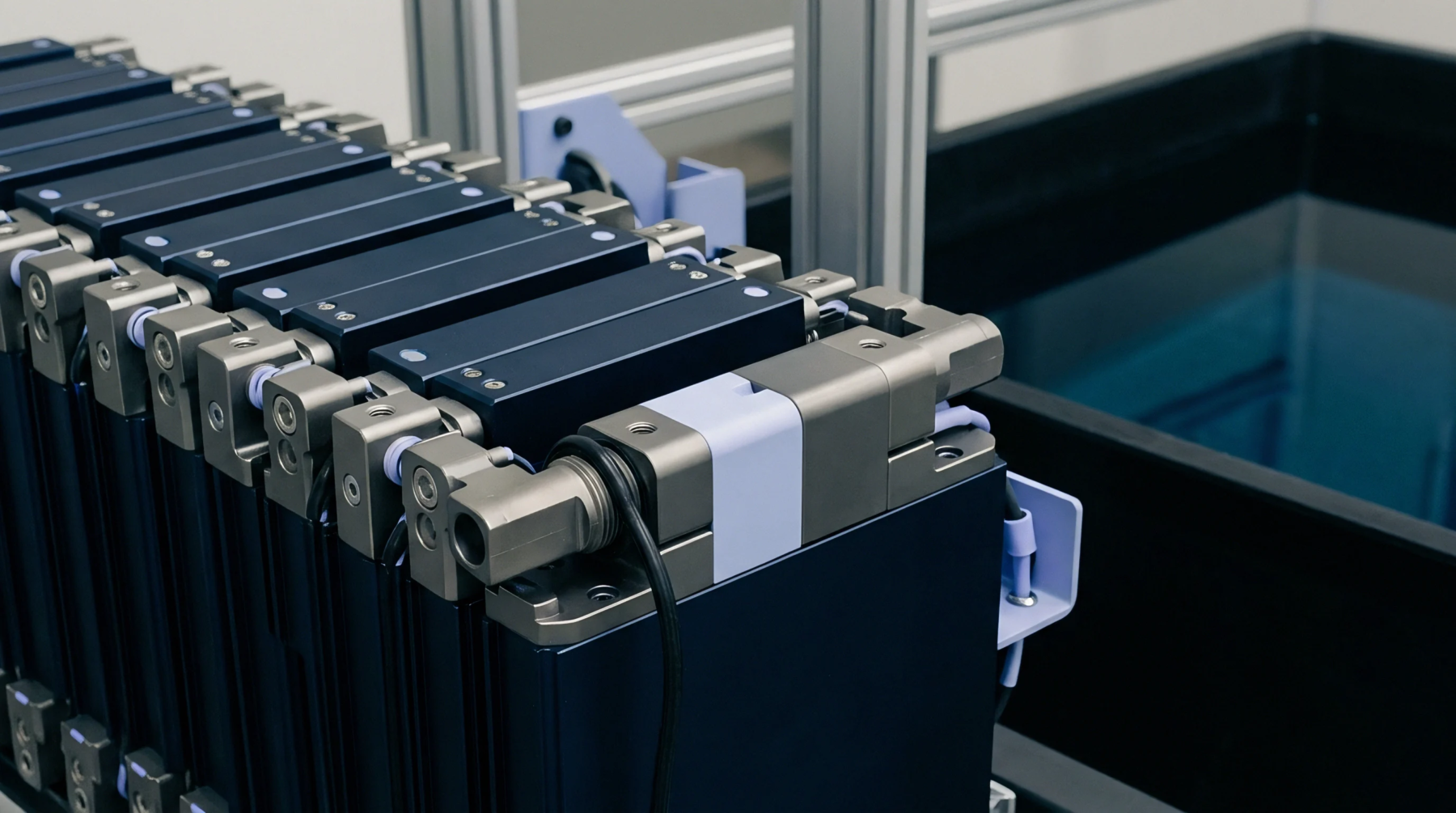
Partitioning sub-arctic impedance growth separates reversible desolvation barriers from irreversible lithium plating and interphase delamination across seasons.

Differential voltage relaxation analysis separates metallic lithium plating from kinetic impedance rise to establish cell supplier warranty liability.

Sub-zero charging forces irreversible metallic lithium plating on graphite, demanding precise dQ/dV diagnostics and rigorous telemetry logging to enforce warranty remedies.

Solid state lithiation drives dehydroxylation pore formation and subsequent sintering closure, requiring strict thermal and oxygen control to stop microcracks.

Precise ammonia complexation and turbulent shear control in precursor coprecipitation dictate crystallite orientation, particle density, and cathode cycle life.

Hydrometallurgical refining purifies metal sulfate solutions through targeted pH extraction, resin polishing, and controlled crystallization to meet battery limits.
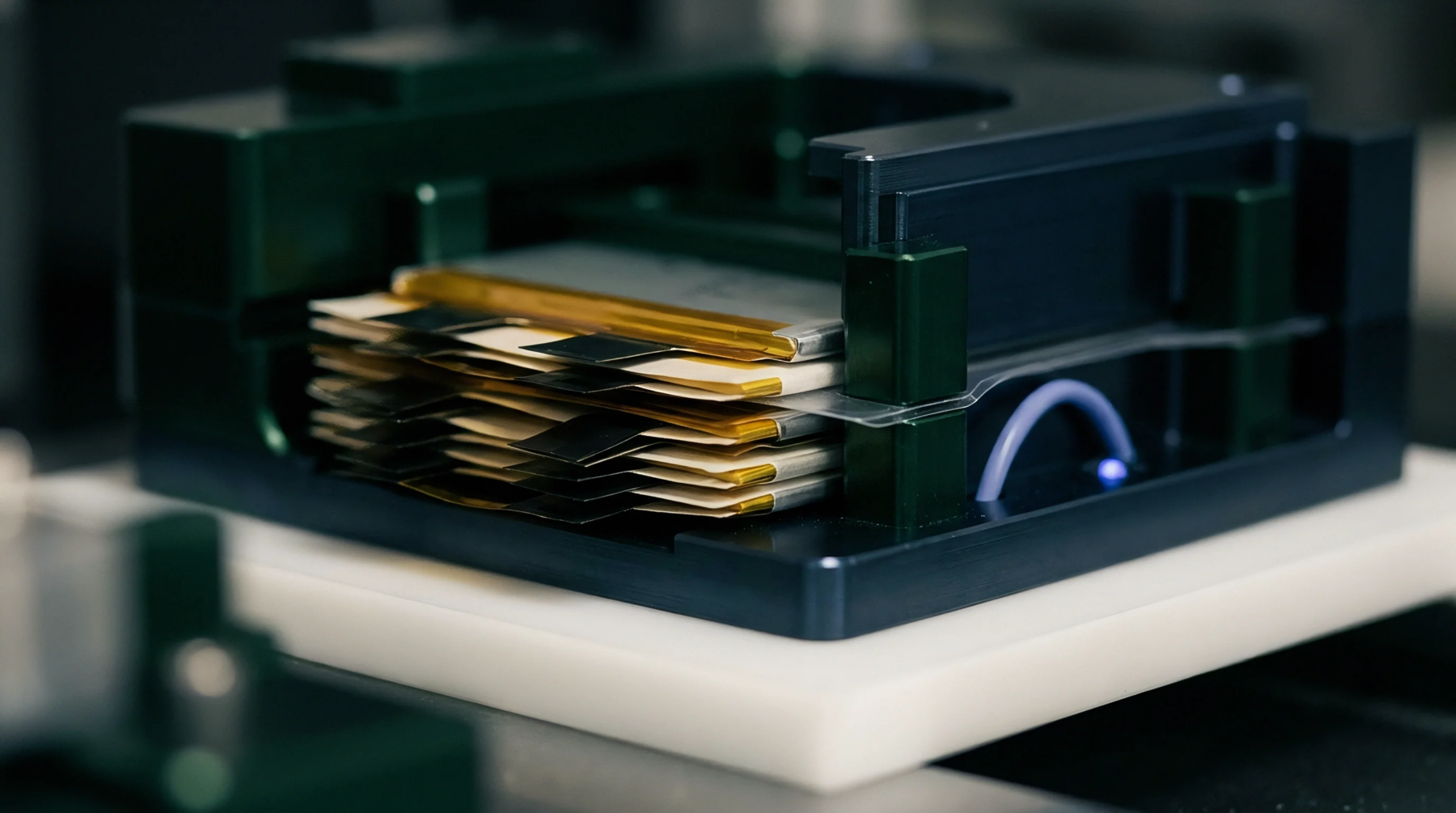
Deconvolving interlayer equalization currents from voltage relaxation logs prevents false lithium plating rejections and stabilizes cell grading accuracy.
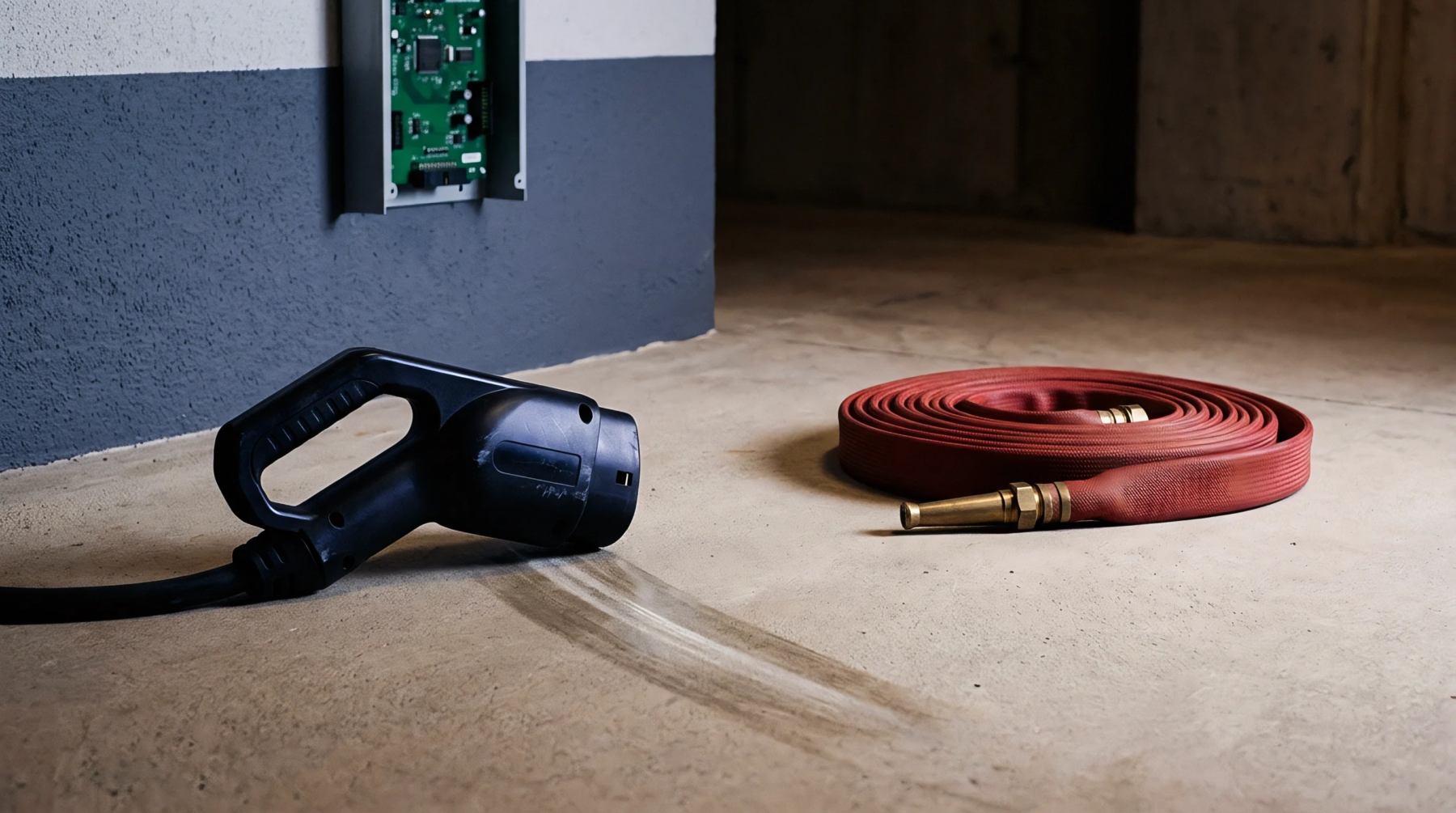
Metallic lithium plating on graphite anodes begins when negative electrode potential drops below 0 V versus Li/Li+ during sub-zero fast charging.

Differential voltage tracking converts cell voltage curves into active electrode phase signatures to isolate lithium loss from cathode material decay.
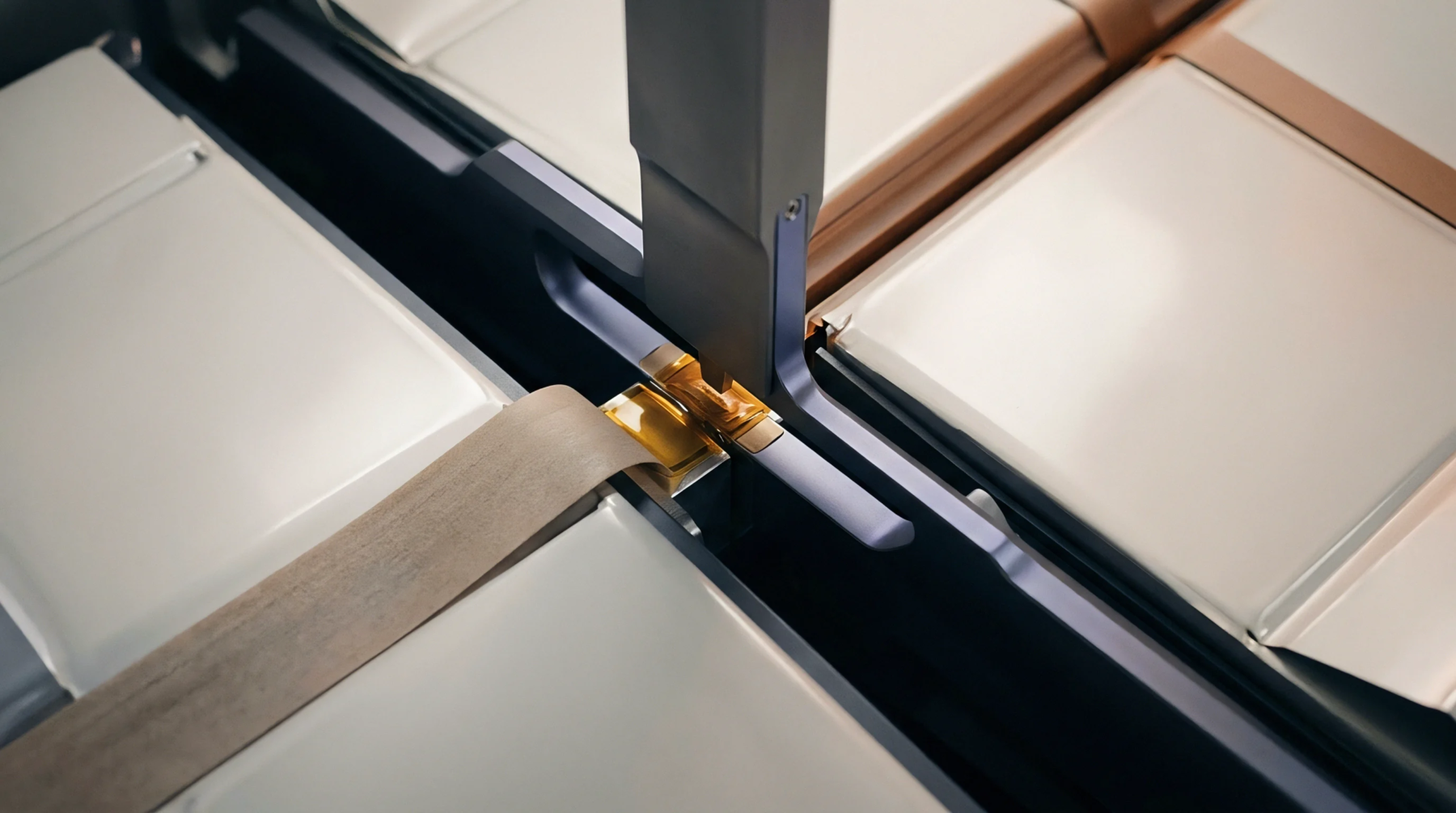
Asymmetric base cooling drives internal equalization currents up to 0.28C across large prismatic cells, requiring lateral thermal paths to avert lithium plating.
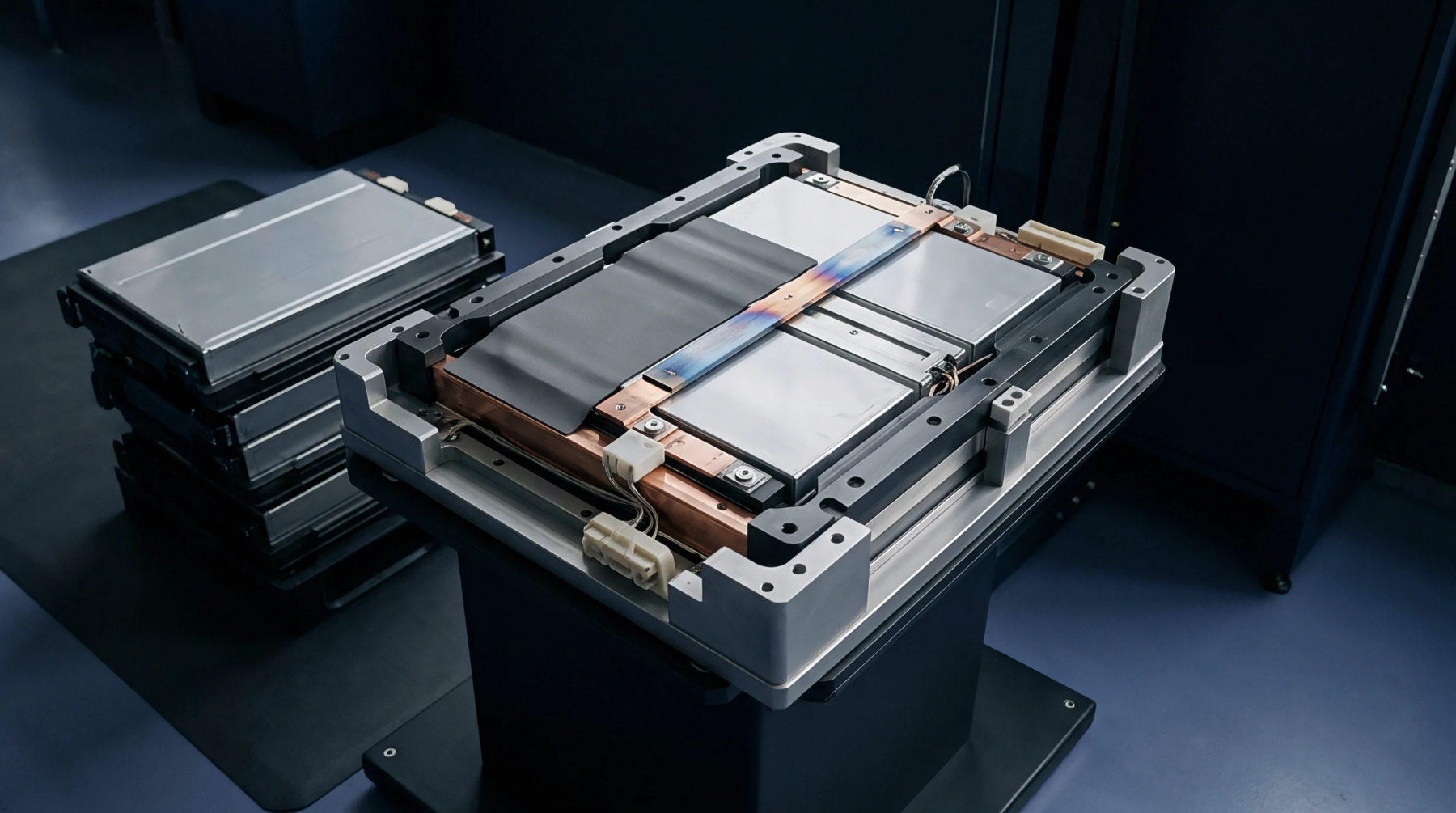
Prismatic cell current crowding concentrates thermal and kinetic stress near terminal tabs, accelerating localized plating and premature capacity failure.

Anisotropic thermal conduction in prismatic cells creates steep internal temperature gradients, concentrating lithium plating on cold edges and SEI growth at hot zones.

Calendar resistance growth in stored prismatic cells stems from passive film thickening and contact relaxation, identifiable via relaxation time deconvolution.

Prismatic LiFePO4 cell lot stability requires tracking 14-day temperature-compensated K-values to isolate micro-shorts from baseline open circuit relaxation.

Incoming battery pallet inspection combines shock monitoring, four-wire OCV/IR screening, and AQL sampling to catch transit damage and enforce debit notes.

Controlling kiln residence times under 0.8 seconds prevents volatile gas cracking and eliminates graphitic passivation on battery anode particles.

Tuning hard carbon d002 spacing to 0.37 nm and eliminating open surface area elevates sodium anode initial Coulombic efficiency above 90 percent.

Industrial hard carbon synthesis requires balancing precursor purity and kiln thermal profiles to maximize initial coulombic efficiency and battery capacity.

Thick silicon-graphite anodes charged below freezing suffer acute diffusion choke and lithium plating forcing current derating below zero point zero five C.
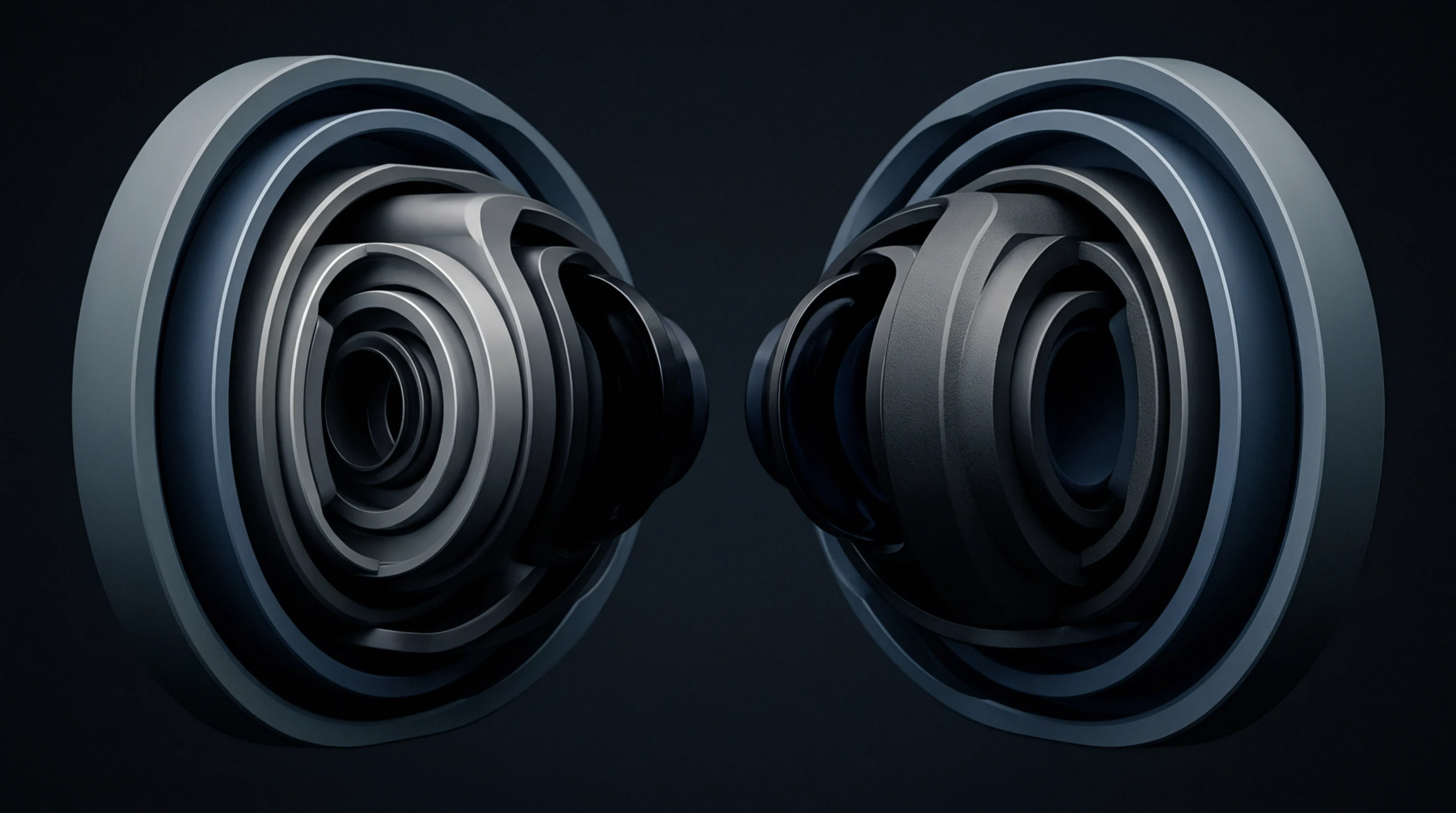
Electrolyte desolvation barriers and tortuosity-induced salt depletion starve inner anode pores during fast charging, triggering destructive lithium plating.

Subzero fast charging forces graphite polarization below zero volts, causing metallic lithium plating detectable via voltage relaxation and gas titration.

Early cycle screening uses high-precision coulometry and differential voltage peak shifts over five cycles to catch cell defects before pack integration.

Operando acoustics and dQ/dV resolve additive boundaries down to 0.2 wt% before catastrophic gassing and rapid impedance growth compromise warranty life.

High-precision coulombic slip and differential capacity peak tracking isolate lithium loss, identifying cell degradation knee points hundreds of cycles early.
Dynamic control of high temperature anode overpotentials prevents solvent decomposition while accelerating formation kinetics and preserving cell life.
Expertise is a utility, not a secret. sentiention™ publishes its working knowledge as open reference: intelligence layer covering the materials it sources, the markets it enters, and the reference that serves both.