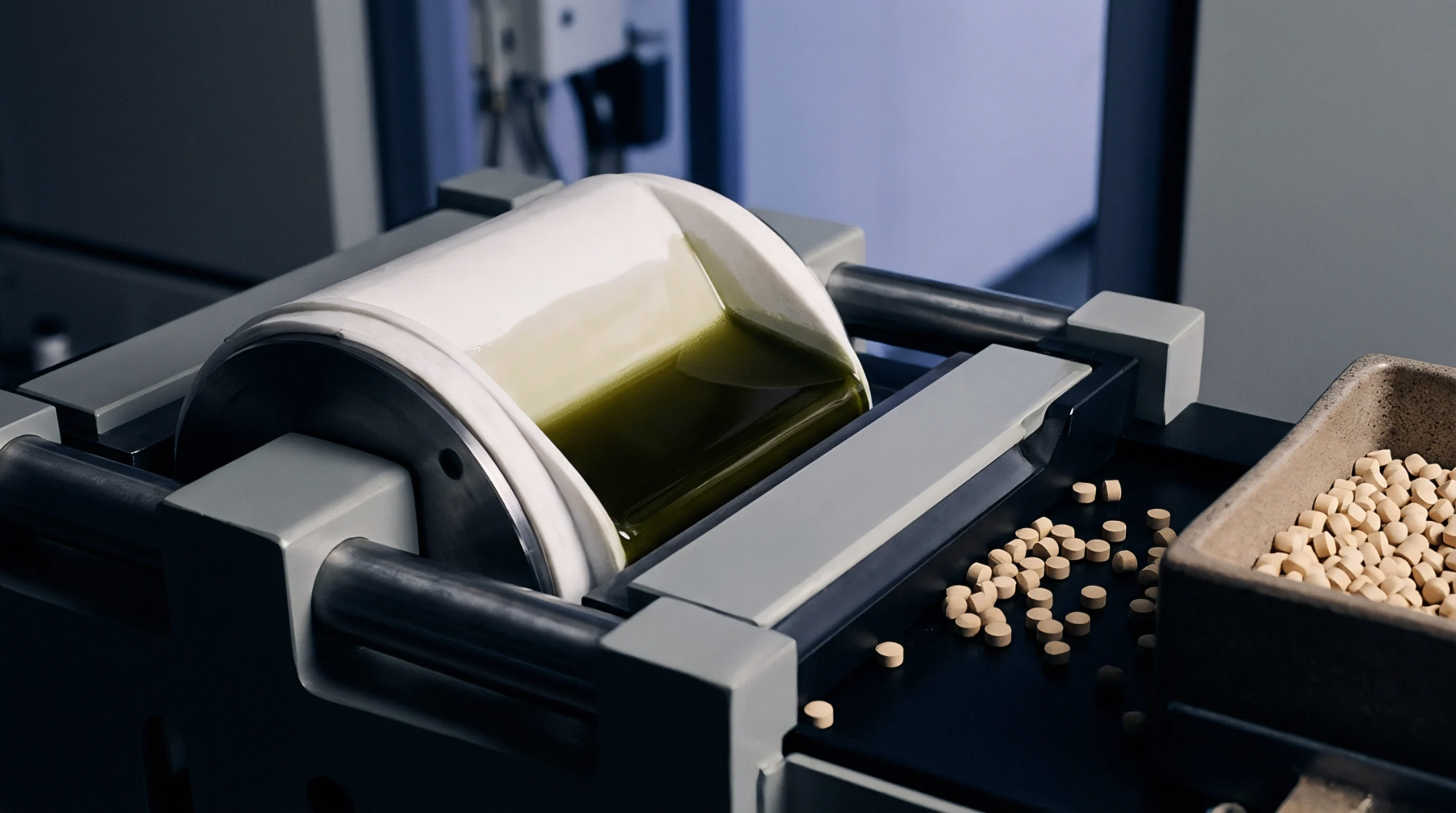
Thermal Stabilization Kinetics of Pitch Precursors for Sodium Storage
Controlling pitch air-oxidation at 260°C yields oxygen uptake above 8 percent, preventing mesophase growth and maximizing sodium storage plateau capacity.
Controlling pitch air-oxidation at 260°C yields oxygen uptake above 8 percent, preventing mesophase growth and maximizing sodium storage plateau capacity.
LFP capacity loss stems primarily from active lithium loss via interphase growth, requiring differential capacity screening and precise thermal control.

Controlling rotary kiln pyrolysis kinetics optimizes hard carbon interlayer spacing and closed porosity, raising sodium-ion anode initial coulombic efficiency.
Bio-precursor pyrolysis creates hard carbon anodes whose closed void volume and interlayer spacing govern sodium capacity, initial efficiency, and cell cycle life.
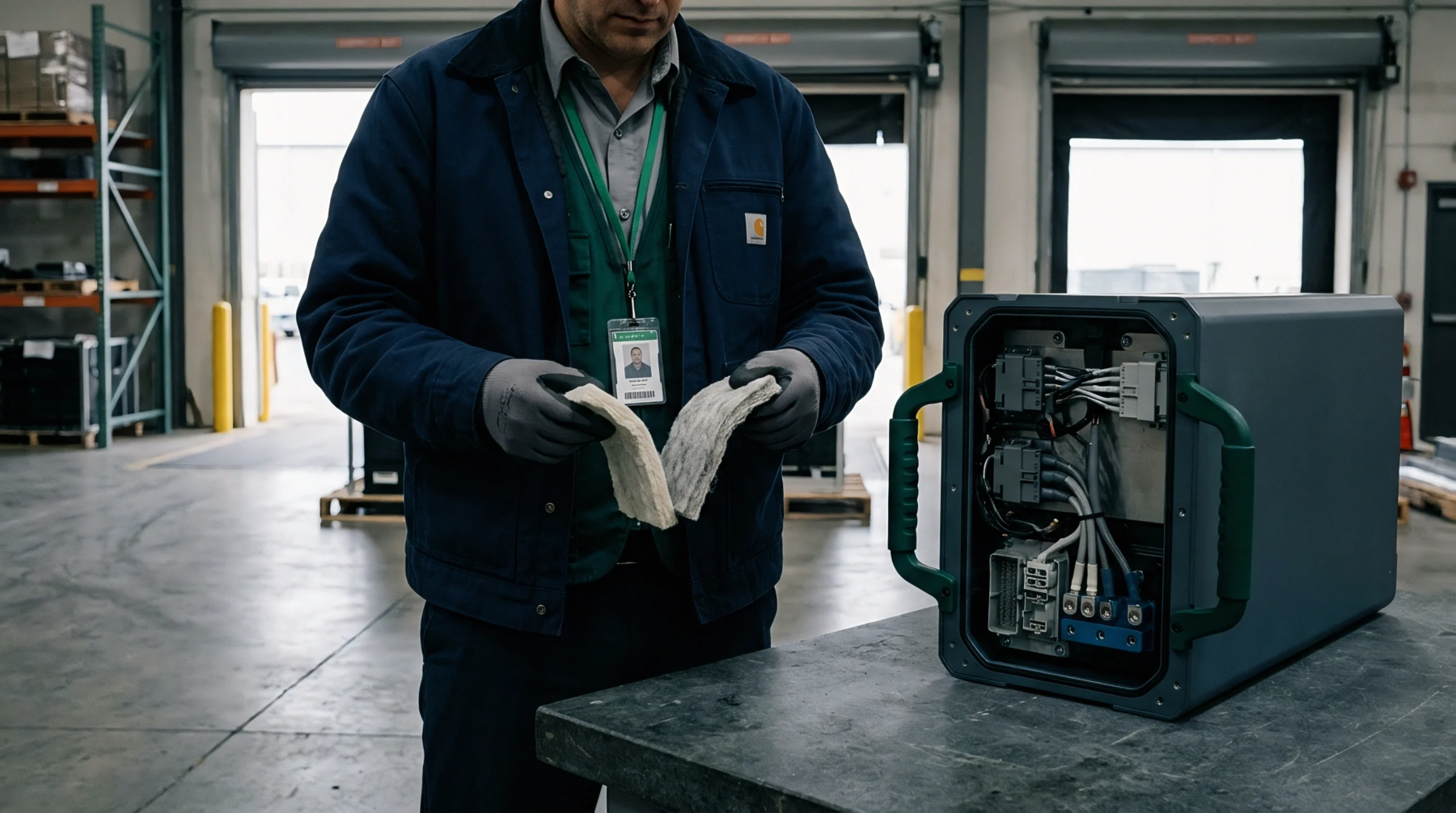
LFP phase transitions and voltage relaxation kinetics create severe OCV hysteresis and multi-hour voltage drift requiring dynamic BMS filtering to prevent SOC errors.
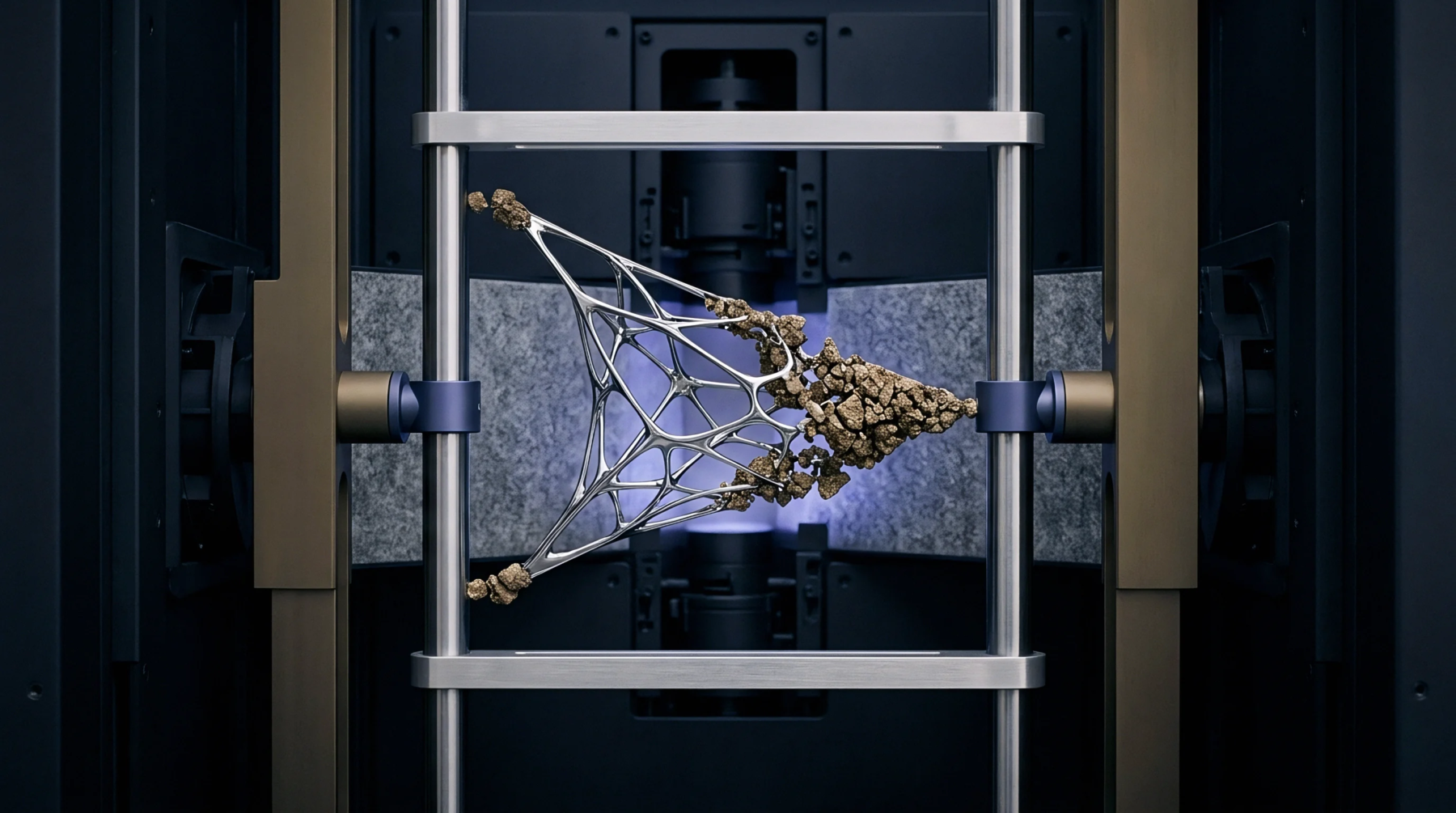
Differential capacity analysis quantifies lithium inventory loss and active material isolation in prismatic LFP cells through C/50 peak voltage shift tracking.

Immediate AC-IR screening and differential capacity testing reveal hidden transit degradation and cell capacity variance in sodium ion shipments.
Expertise is a utility, not a secret. sentiention™ publishes its working knowledge as open reference: intelligence layer covering the materials it sources, the markets it enters, and the reference that serves both.