Meaning
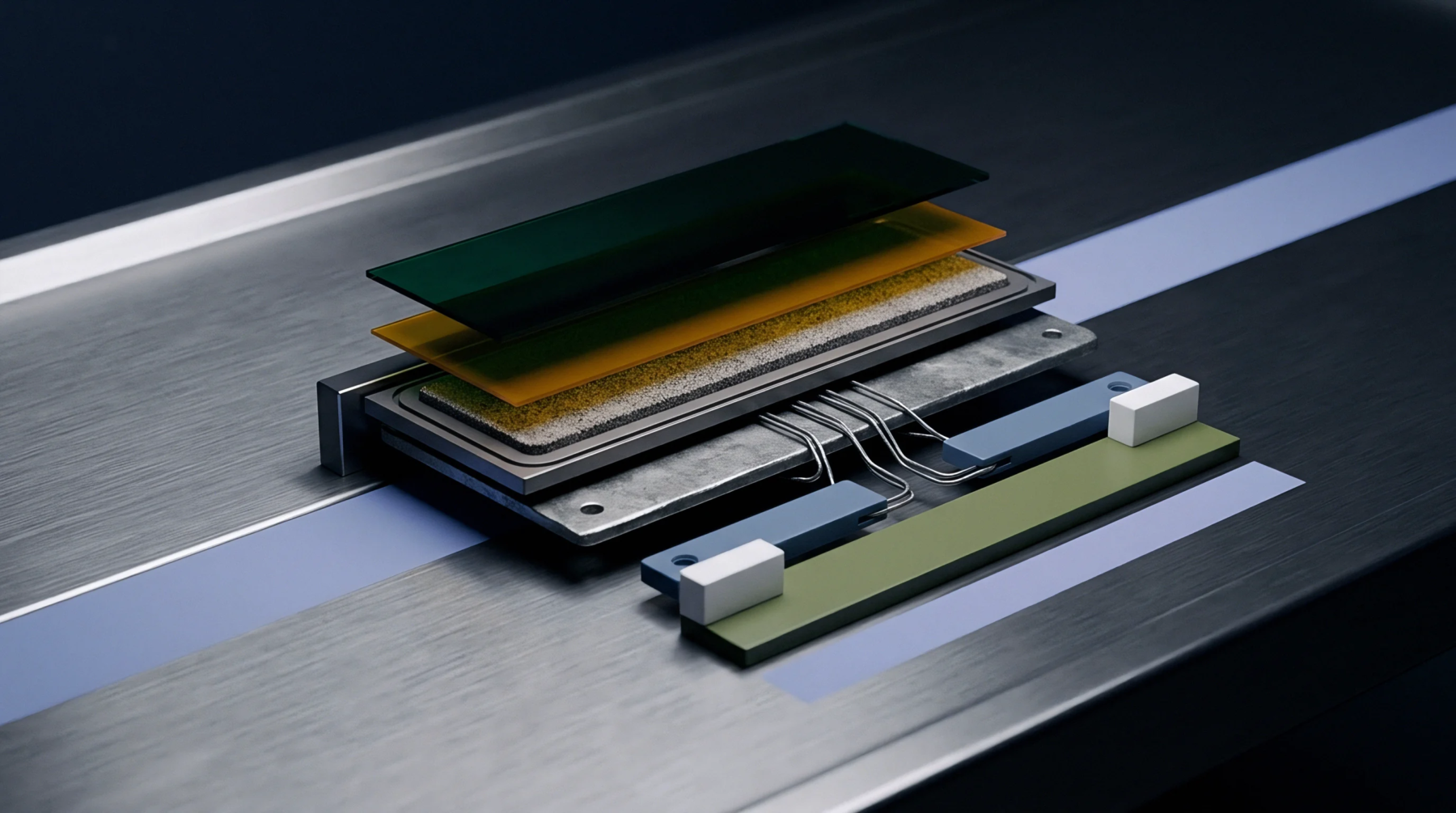
Directional variations in heat transport capacity govern the distribution of thermal energy within structured solids and composite materials. Measuring anisotropic thermal conductivity reveals how heat travels faster along planar atomic layers than through perpendicular material interfaces inside lithium battery cells. Lithium iron phosphate and nickel manganese cobalt electrodes display high thermal conduction along their current collector planes while demonstrating low conduction across stacked separator layers.
Engineers quantify this property to design effective thermal management systems that pull heat from active cell volumes toward cold plates. The measurement applies to laminate structures, graphite sheets and oriented polymer matrices, but it loses relevance in homogenous isotropic fluids or isotropic metals where heat transfer rates remain identical in all spatial directions.
Directional Transport
Molecular orientation and physical layering force heat carriers to follow preferential paths through the material lattice. Phonons move freely along contiguous metallic foils and continuous carbon planes, reaching thermal conductivities above one hundred watts per meter kelvin. Interfacial thermal resistance between alternating active materials, binder resins and porous separators reduces cross-plane heat transfer to less than one watt per meter kelvin.
This stark contrast creates internal temperature gradients during rapid charge and discharge operations. Cell architects utilize these conduction pathways by placing cooling channels along high-conductivity edges rather than against low-conductivity broad faces. Improper orientation of thermal interface materials reduces overall heat dissipation efficiency, raising internal cell temperatures during peak load conditions.
Cooling Integration
Battery pack designers construct cooling plates to align with paths of high internal heat transport within individual cells. Heat generated during high C-rate operation flows laterally toward cell terminals and edge seals, where external cooling structures extract thermal energy. Utilizing anisotropic thermal conductivity data prevents localized overheating by predicting exact thermal pathways under transient loads.
Thermal simulations incorporating directional conductivities prevent localized hot spots that accelerate chemical degradation of the electrolyte and solid electrolyte interphase. Secondary thermal interface pads must match the anisotropic characteristics of the assembly to avoid bottlenecking heat extraction. Poor physical contact at boundary interfaces introduces contact resistance that overrides beneficial material properties.
Validation Method
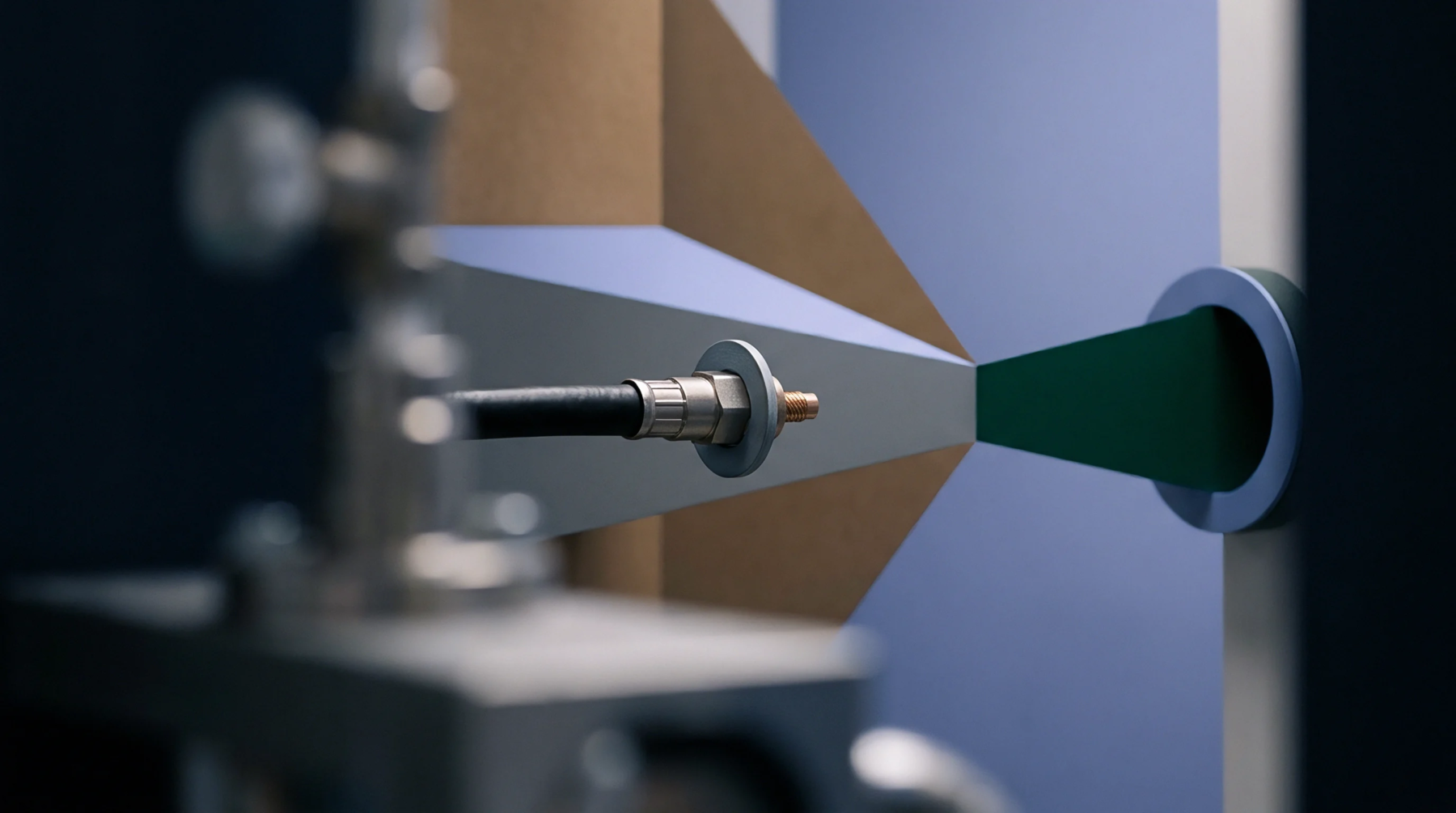
Standardized testing procedures evaluate directional thermal transport using flash analysis and steady-state heat flux techniques. Laser flash measurement pulses energy onto one face of a thin sample and tracks temperature rise on the opposite surface to compute diffusivity. Rotating sample orientation isolates in-plane conduction values from cross-plane transport properties.
Steady-state heat flux meters verify cross-plane thermal resistance by applying a controlled heat source across known material thicknesses. Testing must account for mechanical compression, as increasing stack pressure compresses porous layers and alters directional conductivity values. Non-destructive laser flash testing ensures quality control without destroying manufactured cell components.