
Statistical Process Control Limits for High Volume Imported Prismatic Cell Verification
Statistical process control limits for imported prismatic cells require Cpk above 1.33 and AQL 0.065 to prevent batch failures during pack assembly.
Statistical process control limits for imported prismatic cells require Cpk above 1.33 and AQL 0.065 to prevent batch failures during pack assembly.
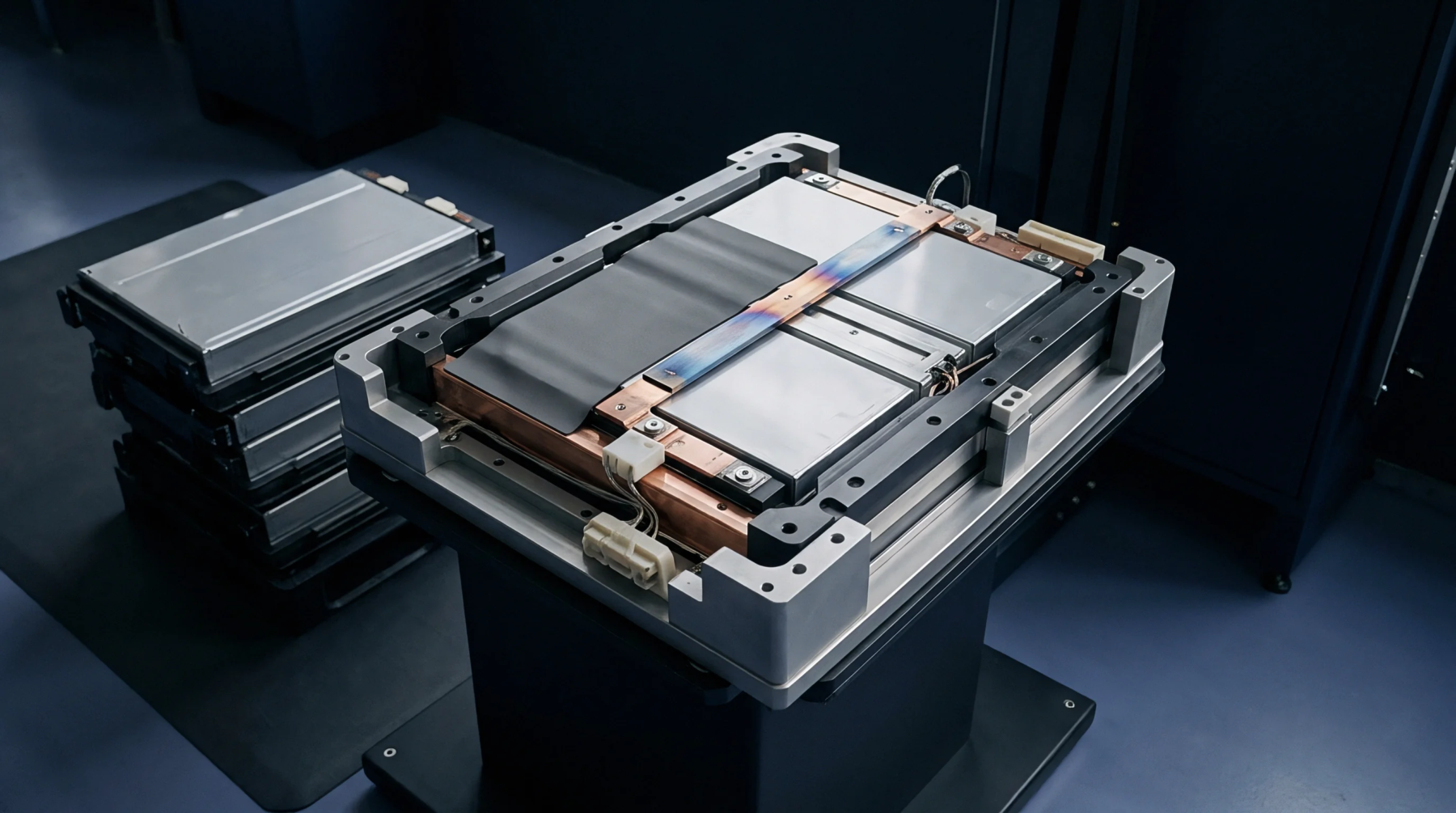
Incoming prismatic cell sampling relies on ISO 3951-1 variable plans and ISO 2859-1 attribute plans to reject defective lots before module integration.
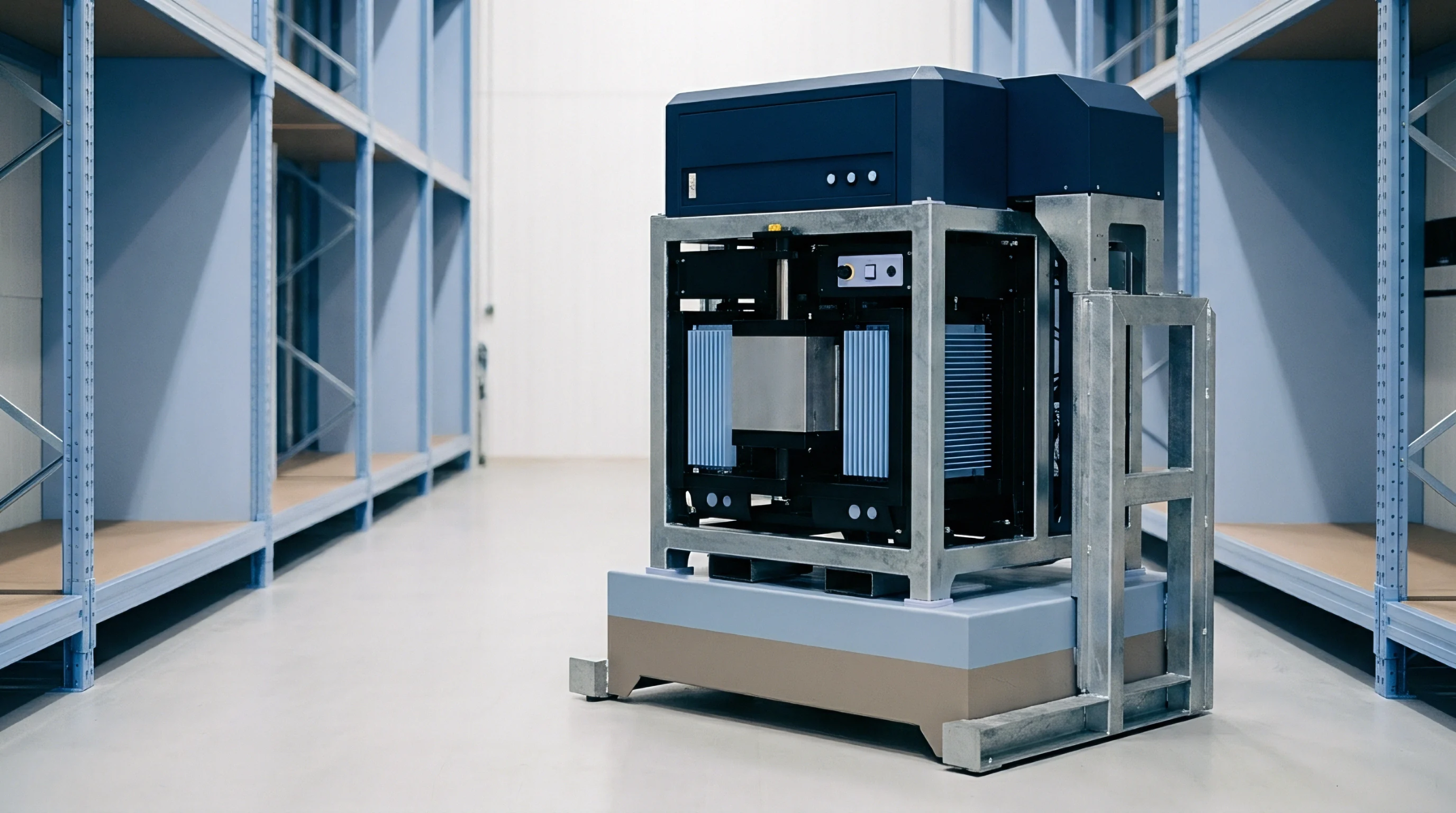
Quantifying high-voltage cathode interfacial impedance via DRT spectroscopy isolates charge-transfer growth to establish batch quality rejection limits.

Receiving screening of stored prismatic lithium lots requires thermal stabilization, sub-millivolt OCV drift tracking, and clamped DCIR metrology to catch self-discharge and swelling defects.

Implement C=0 incoming cell sampling with four-wire Kelvin metrology and temperature-corrected K-value SPC to reject defect lots before pack assembly.

Enforce zero-acceptance sampling plans and 48-hour thermal soak protocols on imported prismatic cell lots to prevent non-conforming units from entering pack production lines.
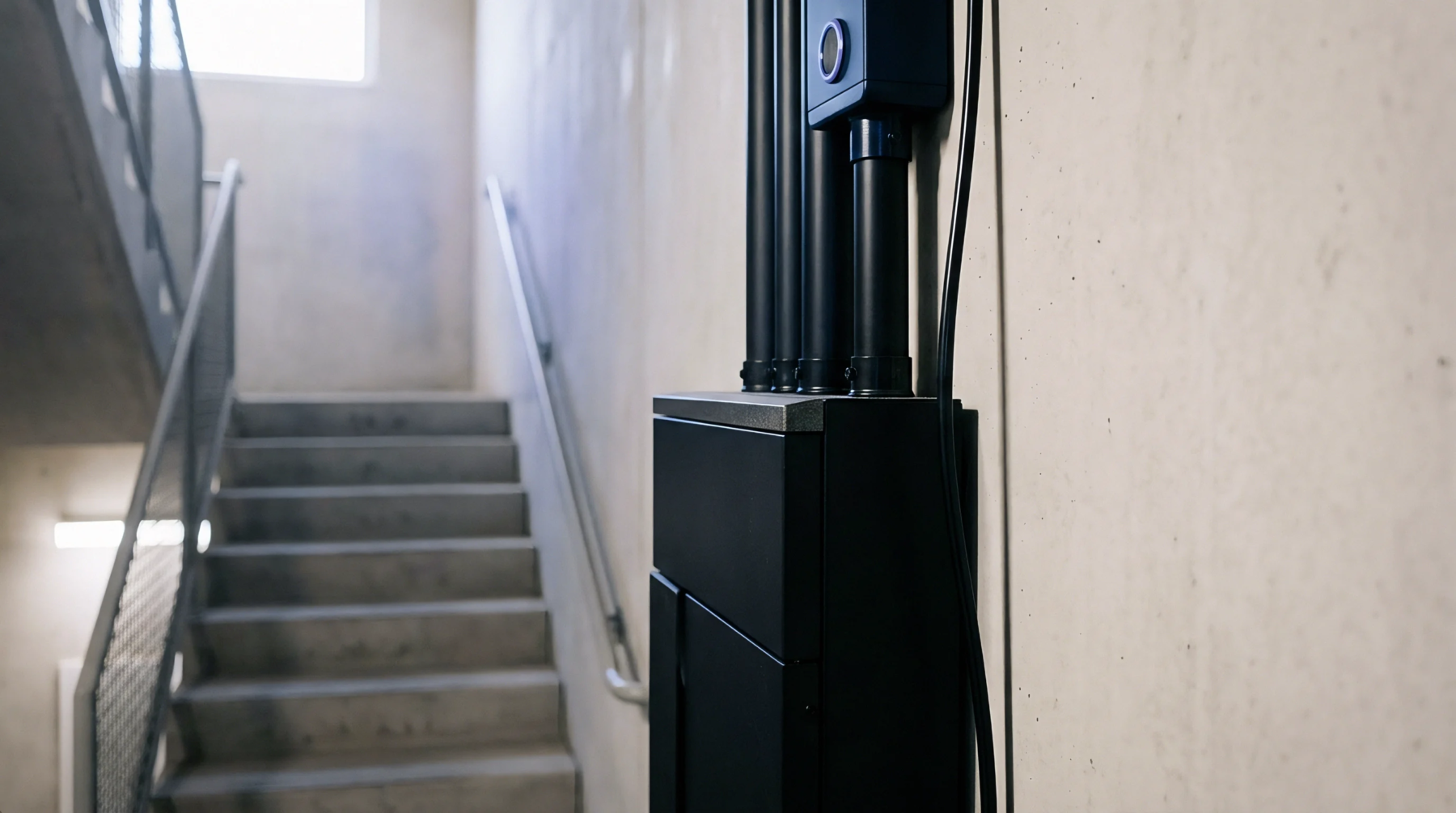
High-voltage operation accelerates cathode surface reconstruction and transition metal dissolution, demanding operando impedance testing and warranty risk controls.
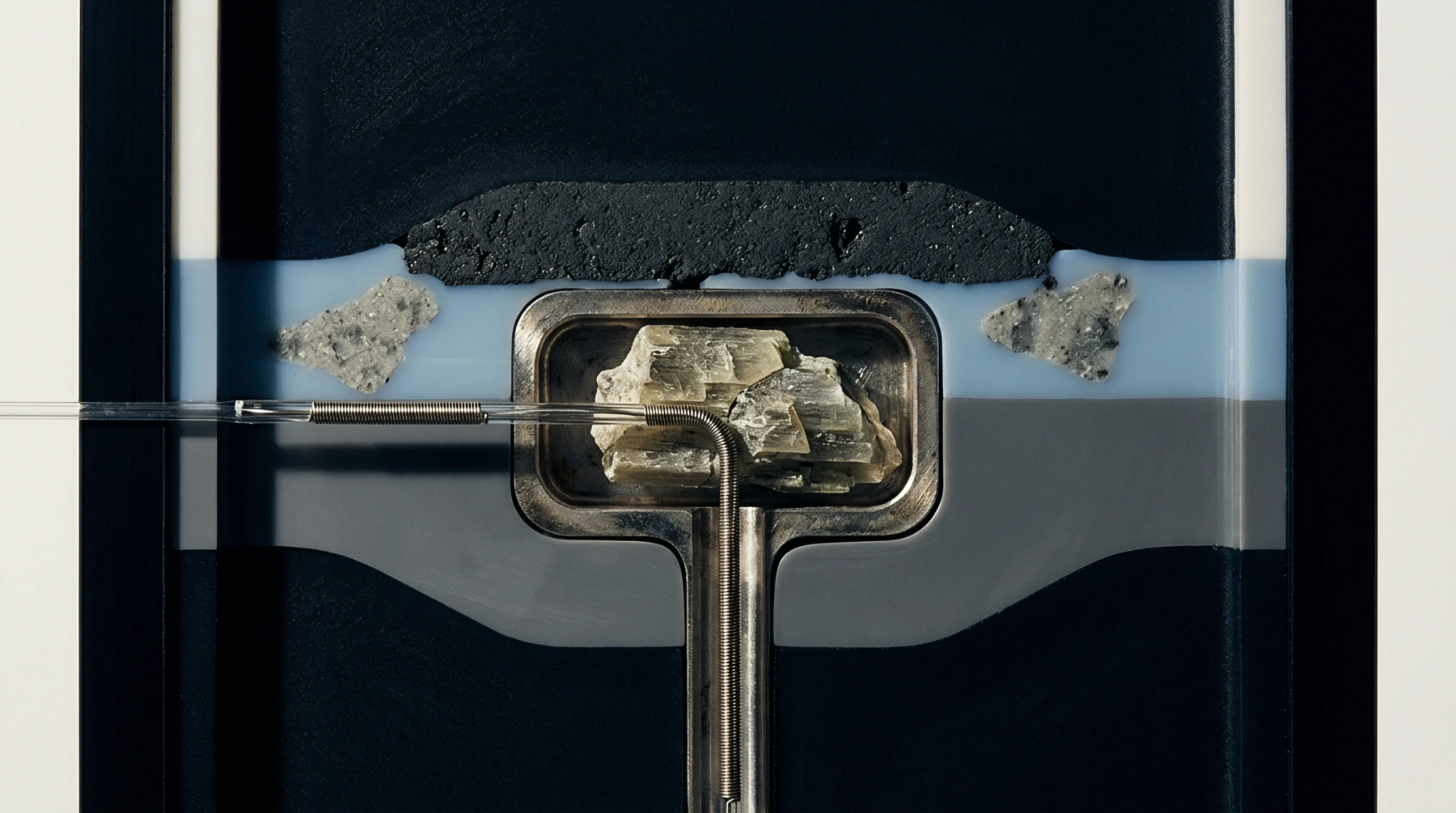
Cell chemistry selection dictates system safety, cycle longevity, thermal cooling architecture, dangerous goods logistics, and levelized storage cost per delivered cycle.
Expertise is a utility, not a secret. sentiention™ publishes its working knowledge as open reference: intelligence layer covering the materials it sources, the markets it enters, and the reference that serves both.