Meaning
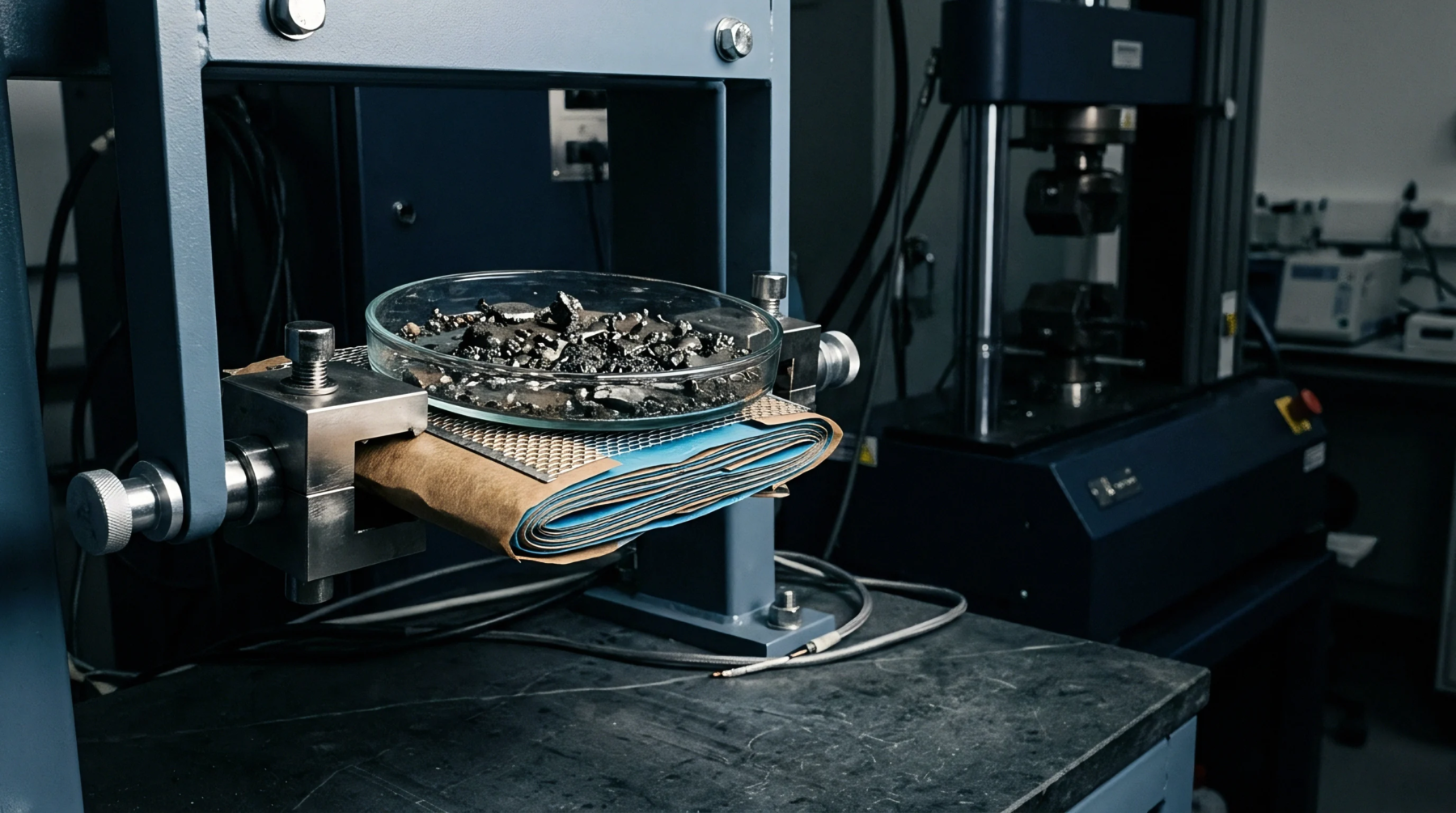
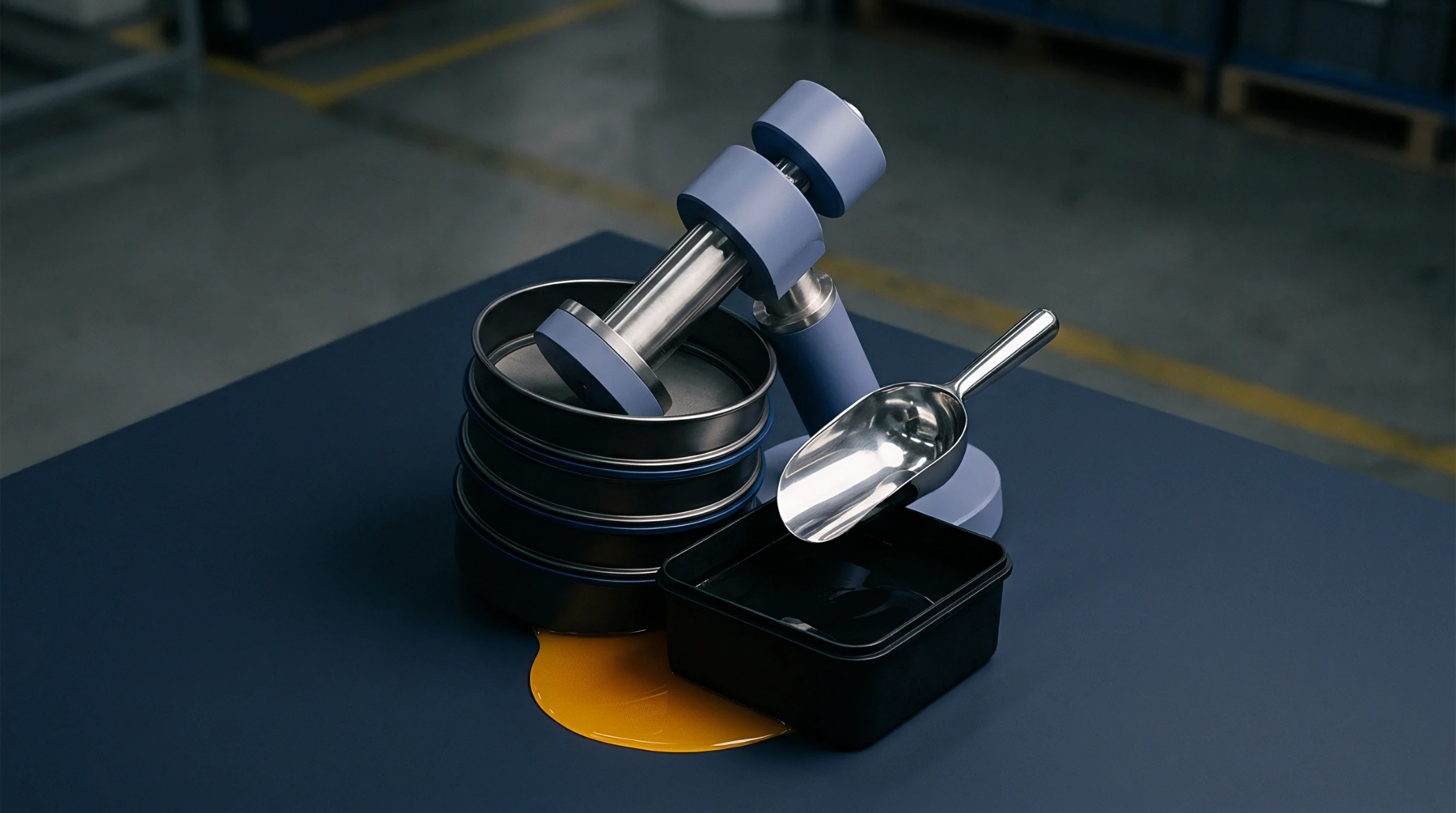
Powder fluidity testing relies on a standardised funnel method to determine how fast active materials discharge from an orifice under gravity. The evaluation of hall flow rate defines the kinetic suitability of metal powders destined for battery component pressing and structural sintering operations. Standard laboratory procedures measure the duration required for a specific mass of dry powder to pass through a calibrated brass funnel aperture into a receiving cup.
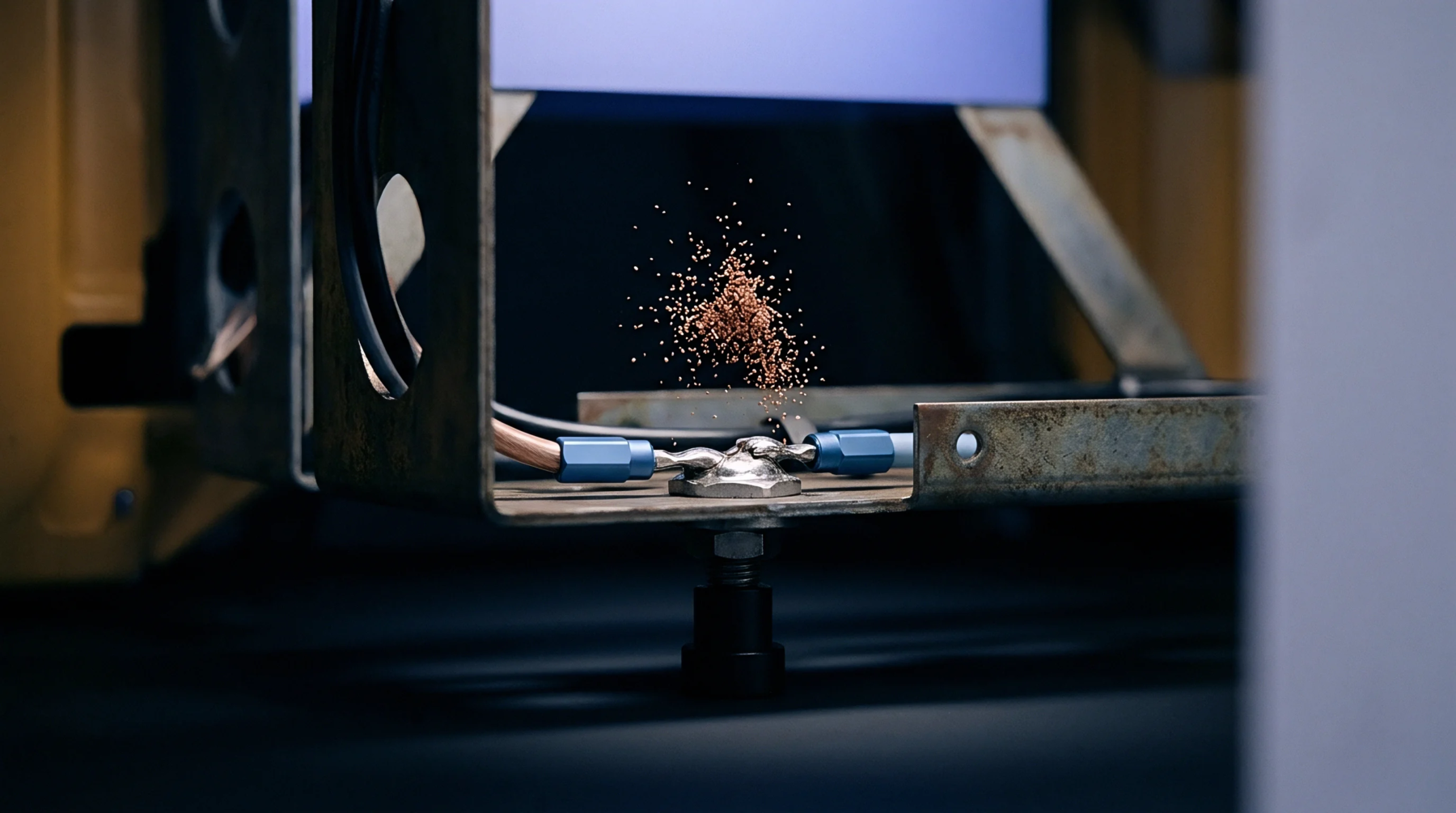
Gravitational flow behaviour depends heavily on particle morphology, particle size distribution, and interparticle friction forces within the bulk sample mass. Irregularly shaped particles jam inside the aperture, causing erratic discharge times or total flow cessation during production runs. Manufacturers reject powders failing defined temporal boundaries because sluggish feeding creates density variations inside automated compaction dies.
Discharge Kinetic
Calibration protocols demand strict adherence to environmental controls during testing phases because atmospheric moisture alters interparticle cohesion within fine metal powders. Humidity control prevents capillary bridges from forming between microscopic particles, which otherwise distorts mass discharge measurements during quality verification procedures. Funnel dimensions follow exact engineering specifications, where the aperture diameter and cone angle dictate the shear stresses experienced by descending powder columns.
Laboratory technicians record discharge duration using precision timing instruments, converting total mass values into standard time units for batch acceptance documentation. Gravitational settling characteristics change when production batches contain excessive fines, prompting automated powder feed systems to stall or deliver underfilled dies to the pressing station.
Compaction Performance
Pressing productivity depends directly on consistent volumetric filling speeds inside high-speed manufacturing machinery operating within automated cell production lines. Volumetric consistency prevents internal cracking and density gradients from forming inside green compacts prior to thermal sintering phases. Slow discharge kinetics force engineers to modify pressing cycle times downward, reducing overall factory throughput and increasing component production costs.
Particle sphericalization treatments improve mass flow characteristics by reducing mechanical interlocking points between adjacent metallic surfaces during gravity feed phases. Granulation techniques alter raw powder morphologies, transforming angular particles into smooth agglomerates that flow freely through restrictive machinery funnels.
Sourcing Acceptance
Procurement contracts enforce strict temporal limits on powder deliveries to guarantee uninterrupted manufacturing operations at industrial battery fabrication plants. Suppliers provide certified test reports verifying that every powder lot meets specific discharge duration thresholds before material ships to manufacturing facilities. Incoming inspection teams perform routine audits using calibrated funnels to verify supplier compliance with agreed mechanical standards.
Variations beyond permitted temporal boundaries trigger automatic shipment rejections, protecting downstream pressing equipment from catastrophic die fills. Material batch traceability depends entirely on accurate flow rate documentation recorded at the initial point of powder synthesis.