Meaning
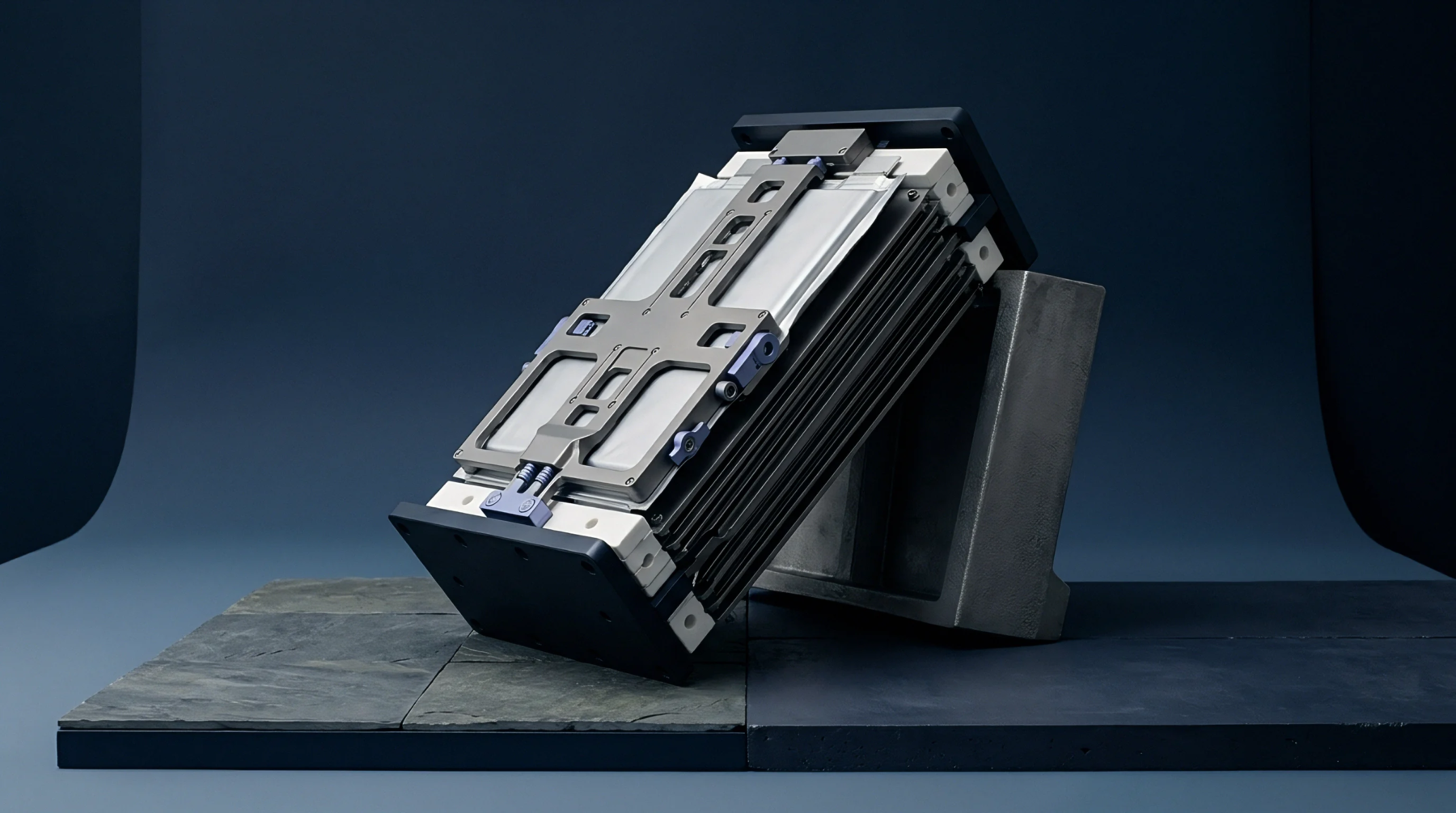
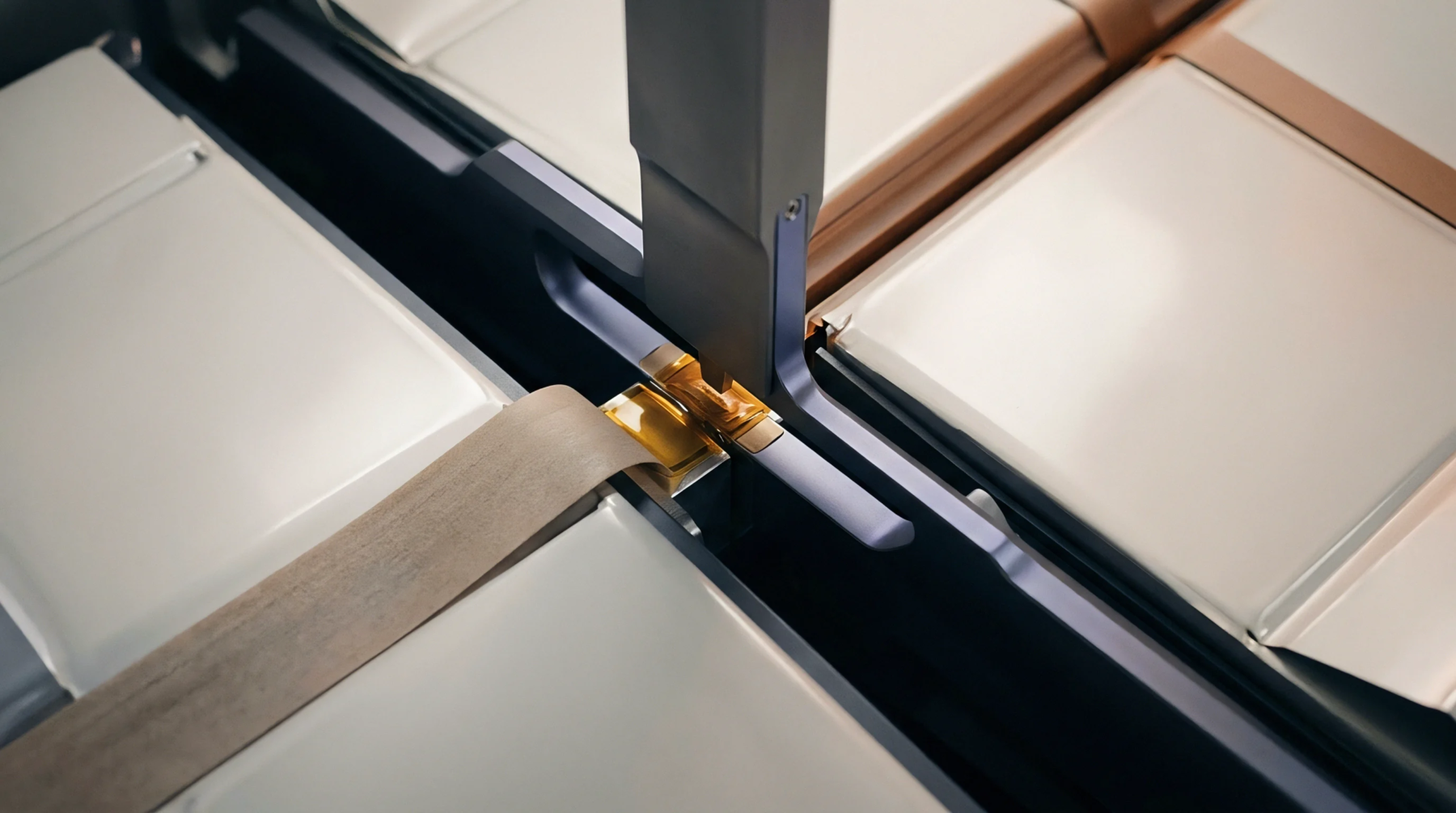
The mechanical force applied perpendicular to the face of pouch or prismatic cells within a battery pack ensures optimal electrochemical performance. This stack pressure maintains contact between the electrode layers, preventing delamination and minimizing the risk of localized lithium plating during fast charging. It is managed using rigid endplates, compression pads, and tension straps that adjust to cell expansion during cycling.
This measurement applies to the physical boundary of the cell-to-pack integration and assembly process.
Mechanical Action
By holding the internal layers in tight alignment, this mechanical constraint ensures uniform current density and prolongs cell cycle life. The stack pressure prevents the formation of gaps between the separator and the active material, which would otherwise cause uneven lithium-ion flow. This control reduces the rate of capacity fade by preventing the isolation of active material during electrode swelling.
It must be carefully calculated to avoid crushing the separator, which would cause an internal short circuit.
Sourcing Integration
Sourcing departments procure high-quality compression pads and tensioning systems that can deliver consistent pressure over the pack’s lifetime. Suppliers must provide compression-deflection data to ensure that the chosen pads maintain the required stack pressure as the cells expand and contract. This selection process prevents mechanical fatigue of the housing and ensures that the battery pack complies with safety standards.
Buyers use these material specifications to select durable components that resist environmental degradation.
Operational Limit
The required mechanical constraint changes over the life of the battery as the cells undergo irreversible volume expansion from aging. If the holding structure is too rigid, the resulting excessive forces can damage the cell housing or accelerate active material degradation. This risk requires designers to develop dynamic containment systems that adapt to long-term dimensional changes.
This design balance defines the limits of the mechanical support structure under prolonged field operation.