
Defect Passivation Temperature Windows in Sodium Ion Anode Production
Optimal defect passivation windows between 1100°C and 1300°C balance hard carbon surface area reduction, initial efficiency, and long-term cycle degradation.
Optimal defect passivation windows between 1100°C and 1300°C balance hard carbon surface area reduction, initial efficiency, and long-term cycle degradation.

Hard carbon performance relies on precursor heteroatom crosslinking and tuned carbonization thermal ramps to maximize closed porosity and initial capacity.
Closed pores dictate low-voltage plateau capacity in hard carbon; verify skeletal density via pycnometry and scattering to stop plating defects.
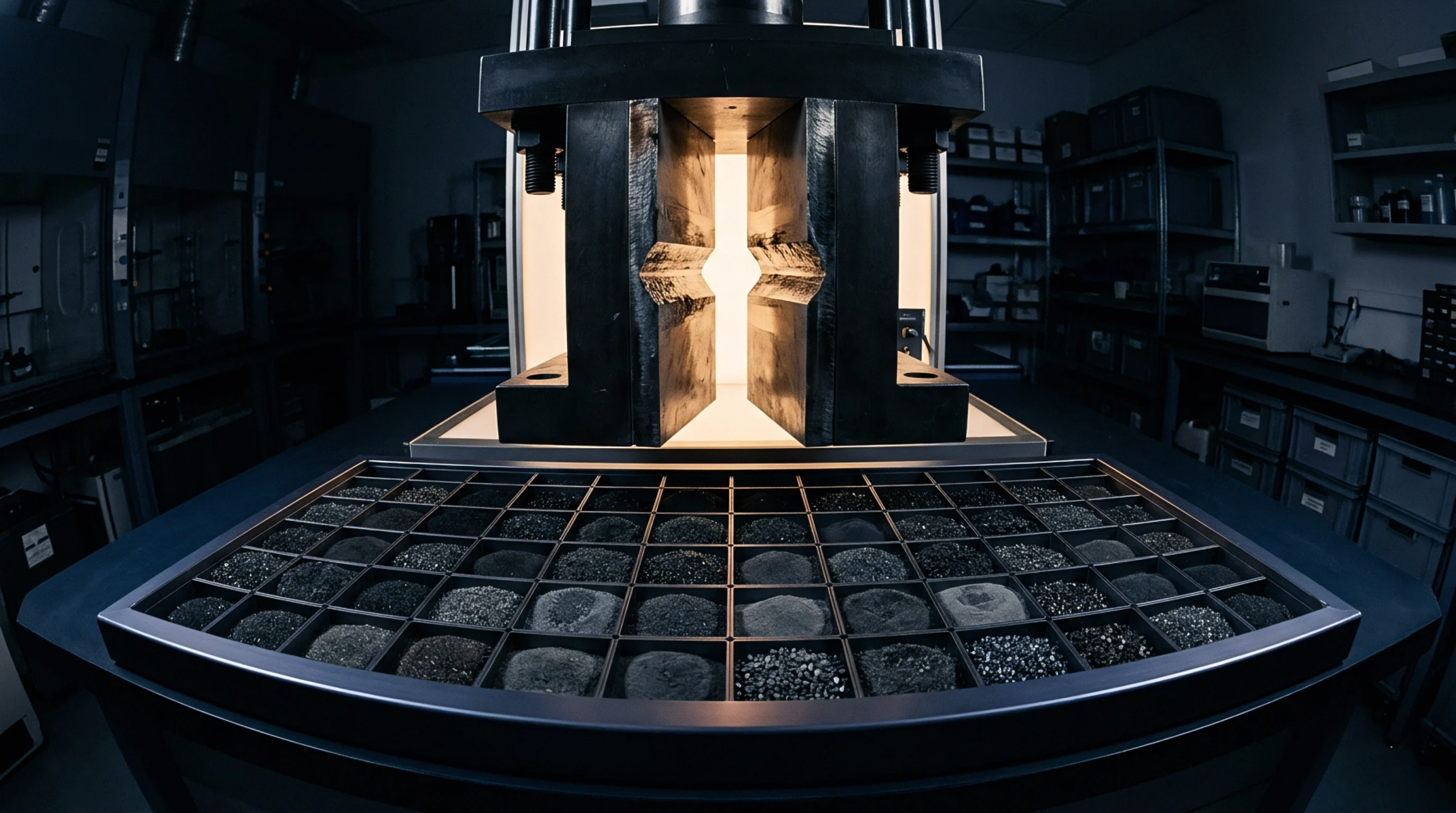
Sodium storage inside closed sub-nanometer carbon pores proceeds via quasi-metallic cluster nucleation stabilized positive of zero volts by Gibbs-Thomson spatial confinement.

Ozone-assisted pre-oxidation creates oxygen bridges that maximize closed pore nanovoids in hard carbon, raising initial coulombic efficiency above ninety percent.

Thermal treatment above 1400 degrees Celsius collapses hard carbon closed pores, shrinking plateau capacity below 100 mAh/g and reducing sodium storage efficiency.
Precise acid leaching parameters control biomass ash removal, protecting hard carbon pore structures and initial coulombic efficiency.

Hydrometallurgical refining and coprecipitation dynamics dictate precursor particle morphology, phase purity, and electrochemical life in lithium-ion cells.

Controlling rotary kiln pyrolysis kinetics optimizes hard carbon interlayer spacing and closed porosity, raising sodium-ion anode initial coulombic efficiency.

Bio-precursor pyrolysis creates hard carbon anodes whose closed void volume and interlayer spacing govern sodium capacity, initial efficiency, and cell cycle life.
Hard carbon precursor economics remain constrained by low pyrolysis yields and high calcination power costs, delaying sodium-ion cost parity with synthetic graphite LFP cells.
Expertise is a utility, not a secret. sentiention™ publishes its working knowledge as open reference: intelligence layer covering the materials it sources, the markets it enters, and the reference that serves both.