Sodium Ion Cathode Crystal Structures and Hard Carbon Intercalation Mechanics
Sodium-ion cells require d002 interplanar spacing above 0.37 nm in hard carbon and stabilized O3/P2 cathode lattices to deliver low-cost zero-volt transport.
Sodium-ion cells require d002 interplanar spacing above 0.37 nm in hard carbon and stabilized O3/P2 cathode lattices to deliver low-cost zero-volt transport.
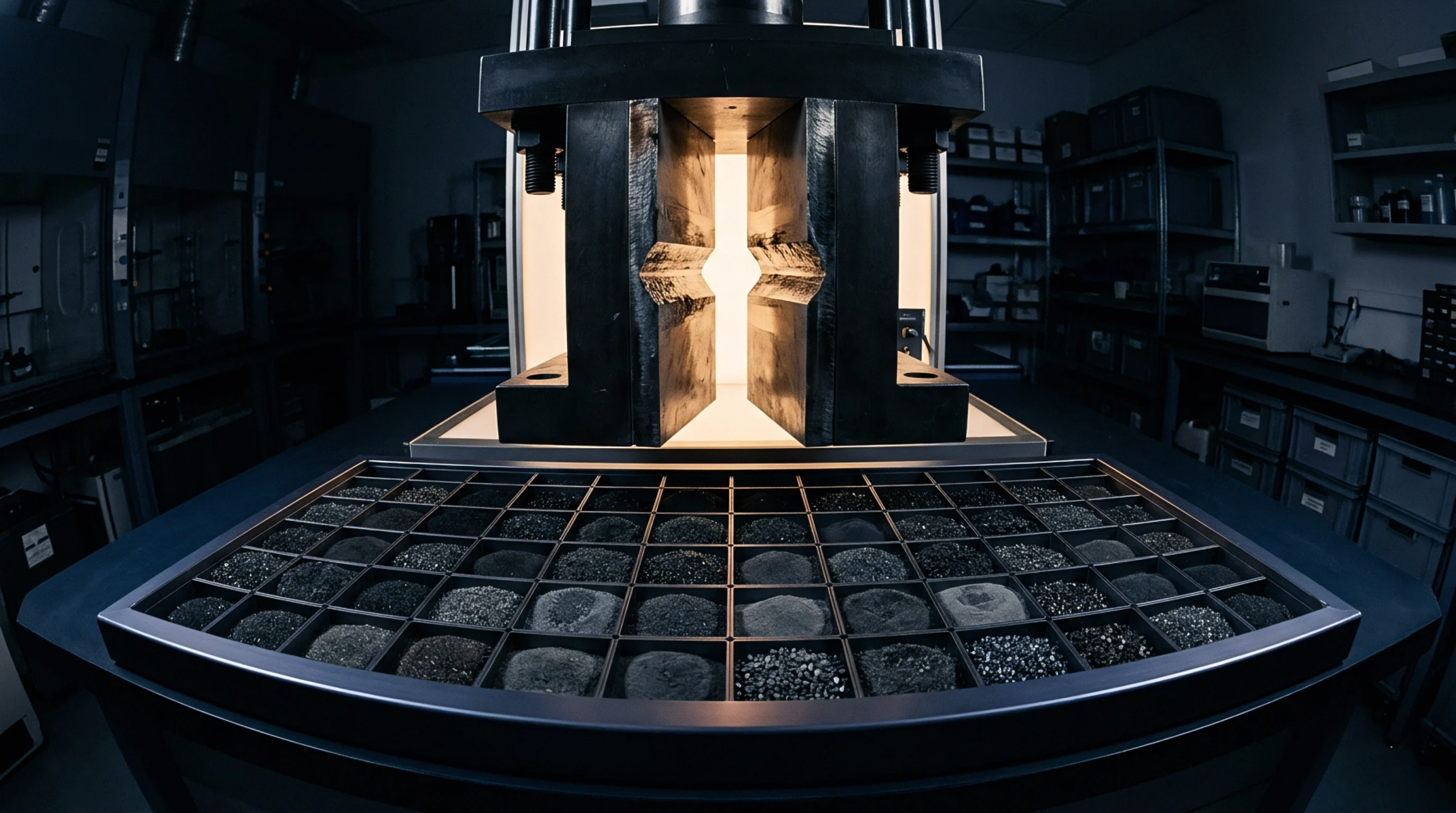
Hard carbon precursor economics remain constrained by low pyrolysis yields and high calcination power costs, delaying sodium-ion cost parity with synthetic graphite LFP cells.
Bio-precursor pyrolysis creates hard carbon anodes whose closed void volume and interlayer spacing govern sodium capacity, initial efficiency, and cell cycle life.

Controlling lignin crosslinking density locks aromatic voids into closed pores during carbonization, maximizing sodium storage plateau capacity and efficiency.
Thermal pyrolysis tuning and defect passivation reduce volumetric lattice strain while maximizing initial coulombic efficiency in hard carbon anodes.
Calculated elastic strain energy penalties in graphite matrices raise nucleation barriers, suppressing destructive phase transitions during fast lithiation.

Continuous hard carbon graphitization requires tight thermal control to preserve closed nano-cavities, while pre-sodiation economics rely on holding web yield above 96 percent.
Bio-derived hard carbon performance depends on biopolymer ratio selection, acid demineralization, controlled carbonization temperatures, and surface passivation to maximize low-potential plateau capacity while maintaining high initial Coulombic efficiency.
Silicon anode lithiation requires voltage cutoff management above 50 mV vs Li/Li+ to prevent c-Li15Si4 crystallization and severe mechanical capacity loss.
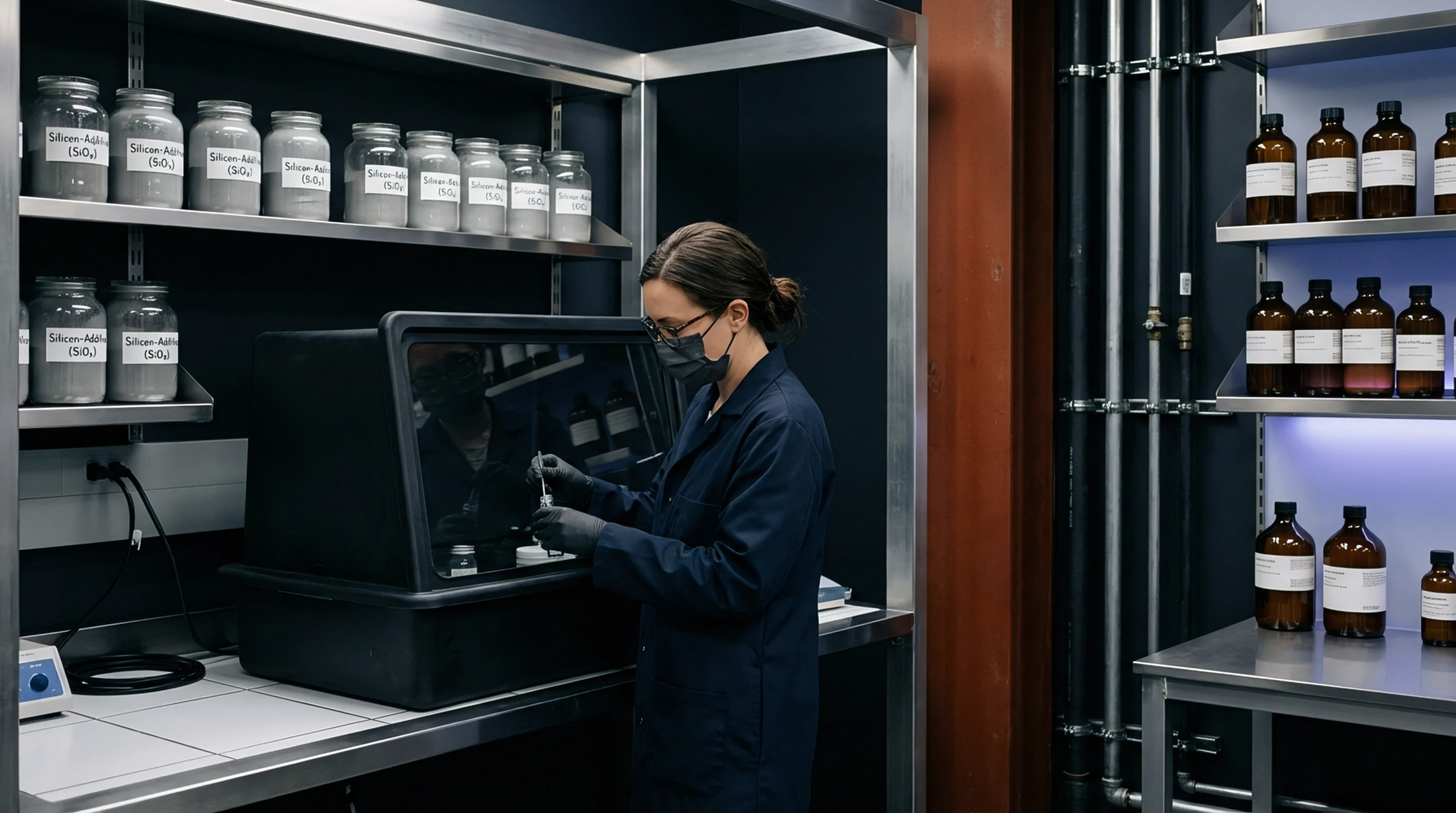
Demineralizing lignin to under 100 ppm ash and drying below 0.5 percent moisture stabilizes hard carbon batch structure and initial coulombic efficiency.
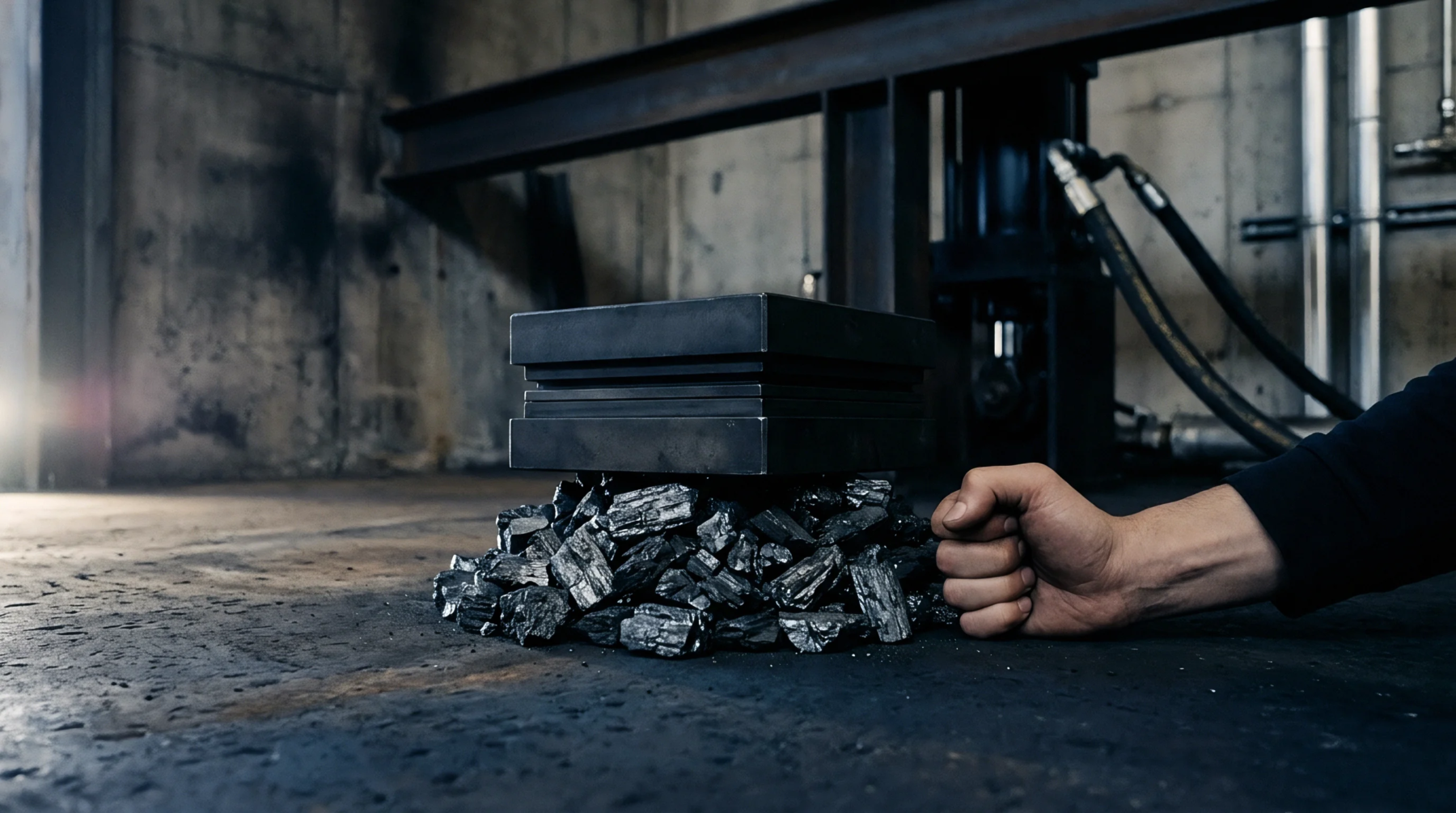
Hard carbon performance depends on precursor crosslinking and thermal calcination profiles that balance interlayer spacing, closed porosity, and surface area.
Optimize precursor pre-oxidation at 230-270 °C under 0.05 atm O2 to expand closed pore volume, achieving >220 mAh/g low-potential plateau capacity and >88% ICE.
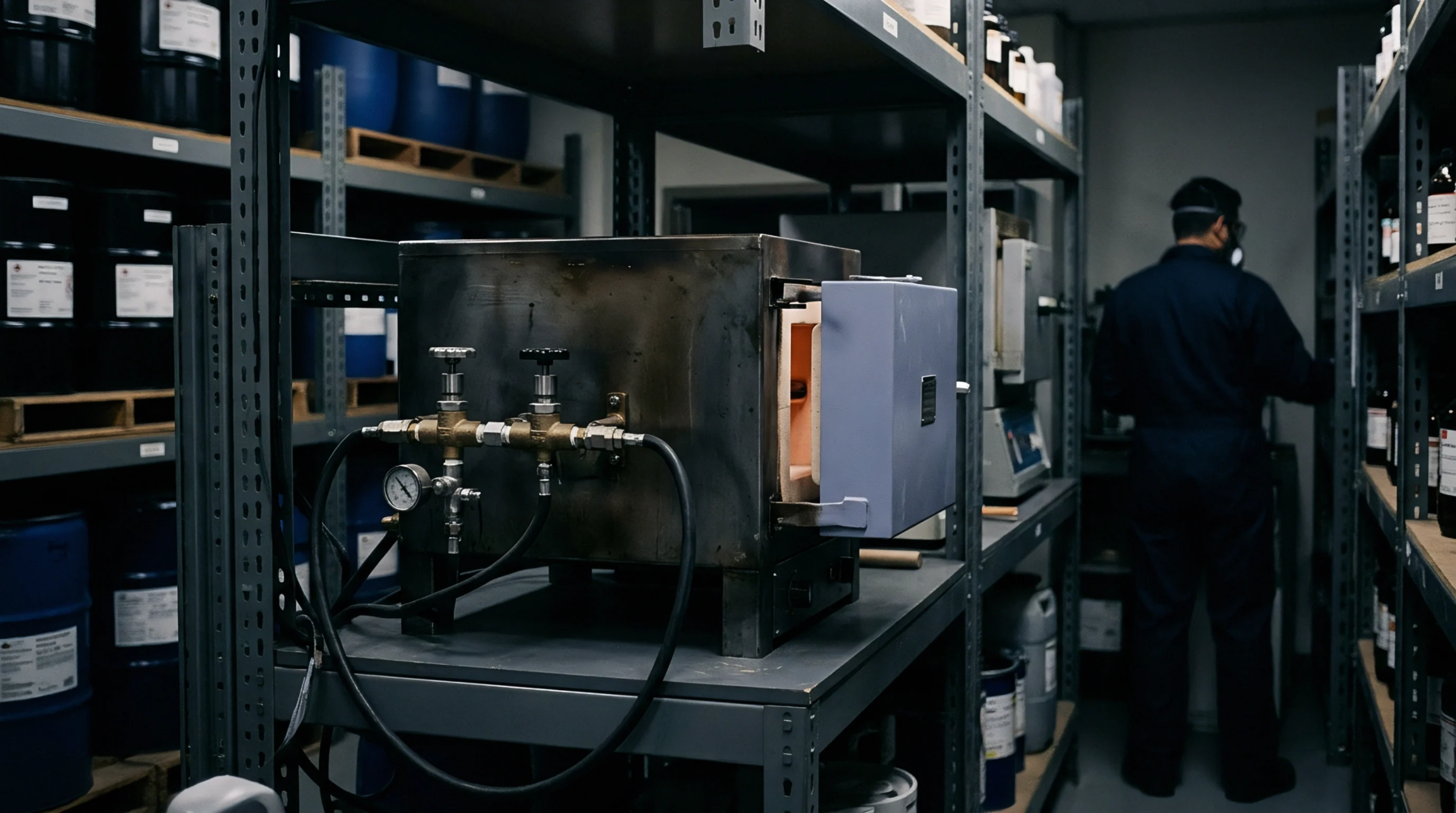
Thermal processing of hard carbon precursors regulates d002 interlayer spacing and closed microporosity to optimize sodium storage capacity and coulombic efficiency.
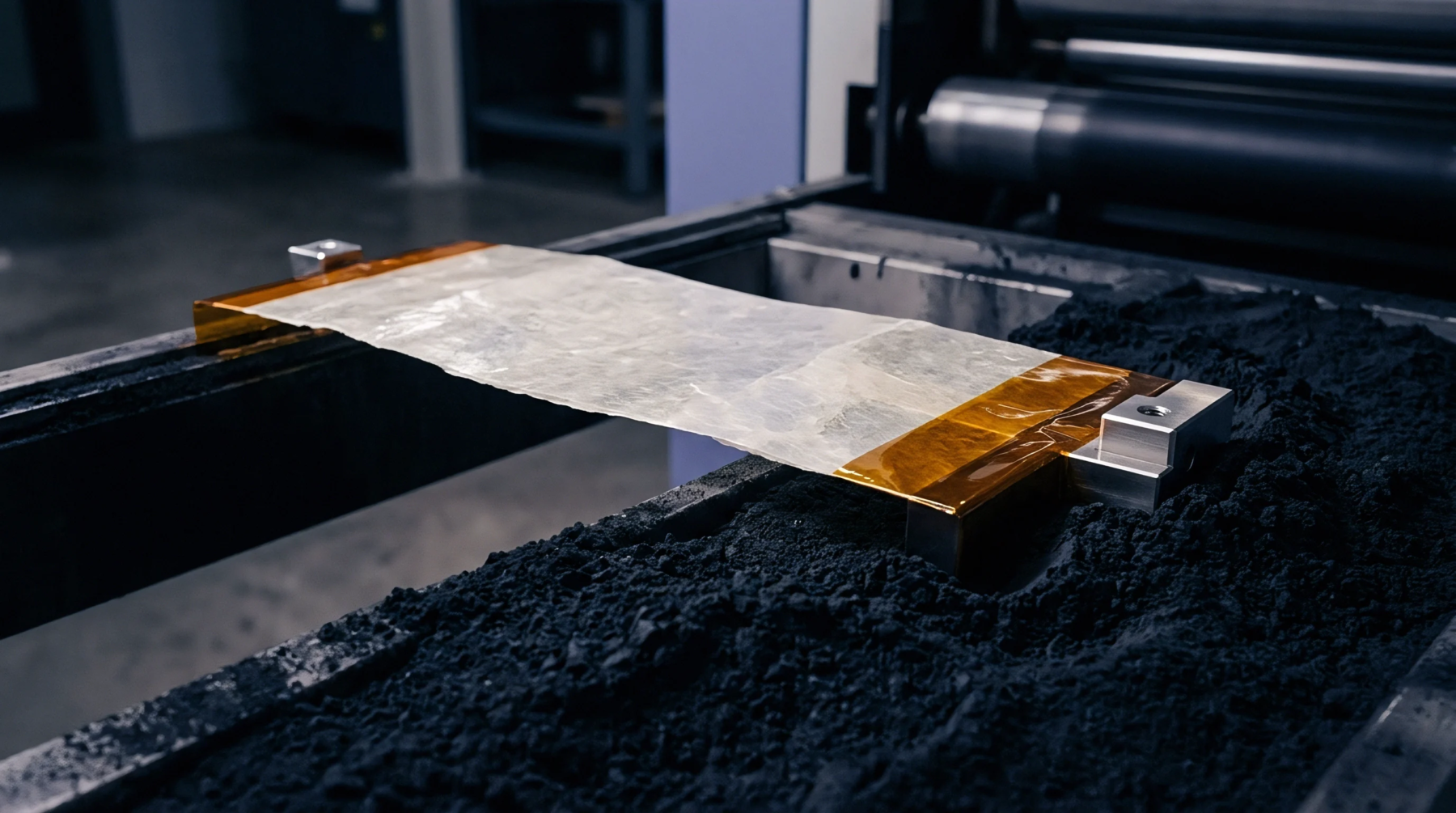
Thermomechanical strain relaxation at 1400 °C coupled with gas-phase defect passivation elevates hard carbon initial efficiency past 90 percent.
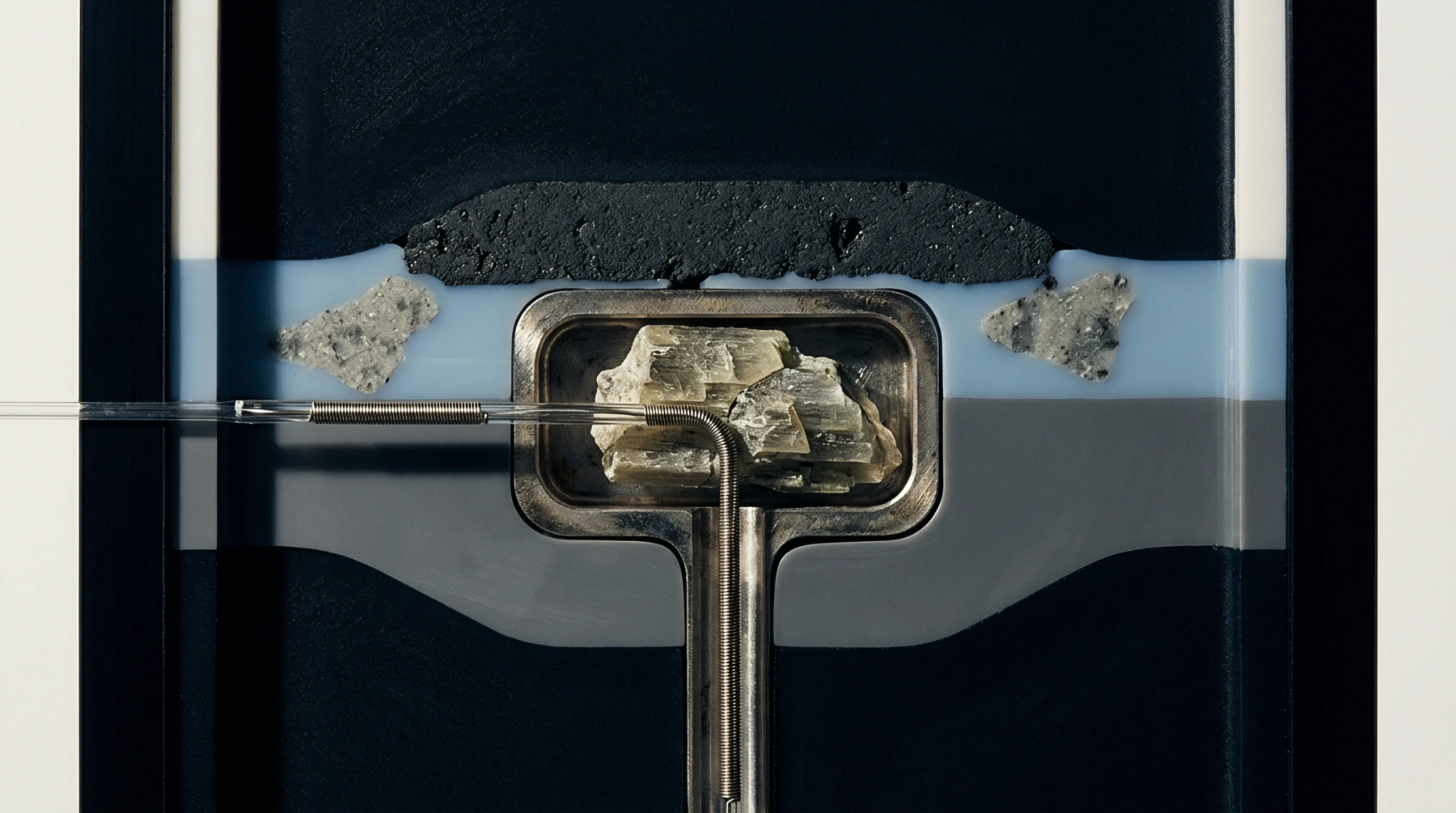
Silicon anodes demand strict lower cutoff voltage limits and cross-linked polar binders to restrict volume expansion and prevent continuous interphase degradation.
Controlling rotary kiln pyrolysis kinetics optimizes hard carbon interlayer spacing and closed porosity, raising sodium-ion anode initial coulombic efficiency.
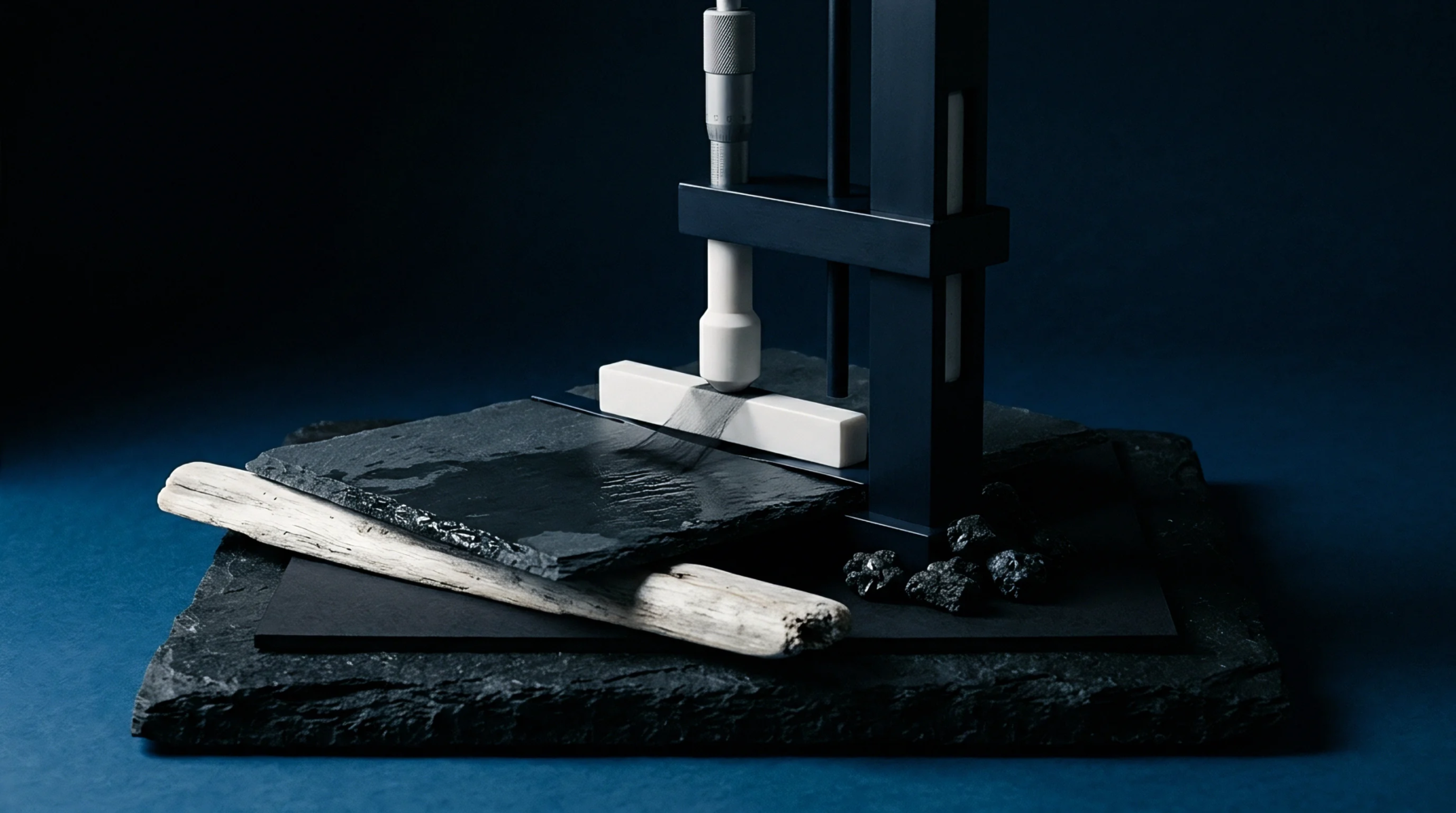
Defect capping and interphase tuning boost hard carbon anode initial efficiency past 88 percent, cutting cathode mass overhead and cell manufacturing cost.
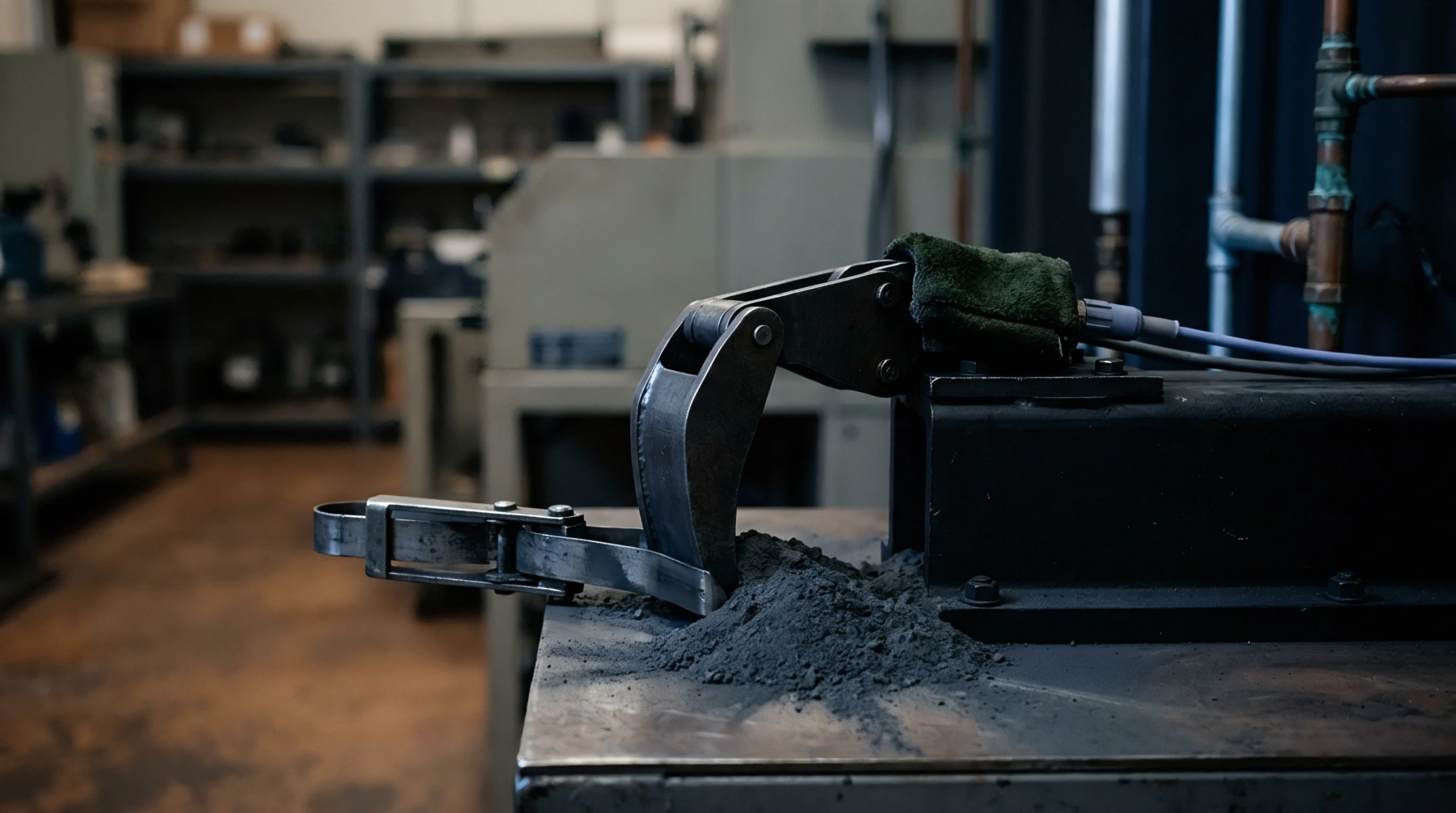
Continuous pyrolysis delivers lower manufacturing costs and stable hard carbon yields, whereas chemical pre-sodiation boosts efficiency at higher scrap and reagent expenses.
Industrial electricity tariffs dictate over fifty percent of synthetic graphite production costs, driving price compression down toward natural graphite parity.
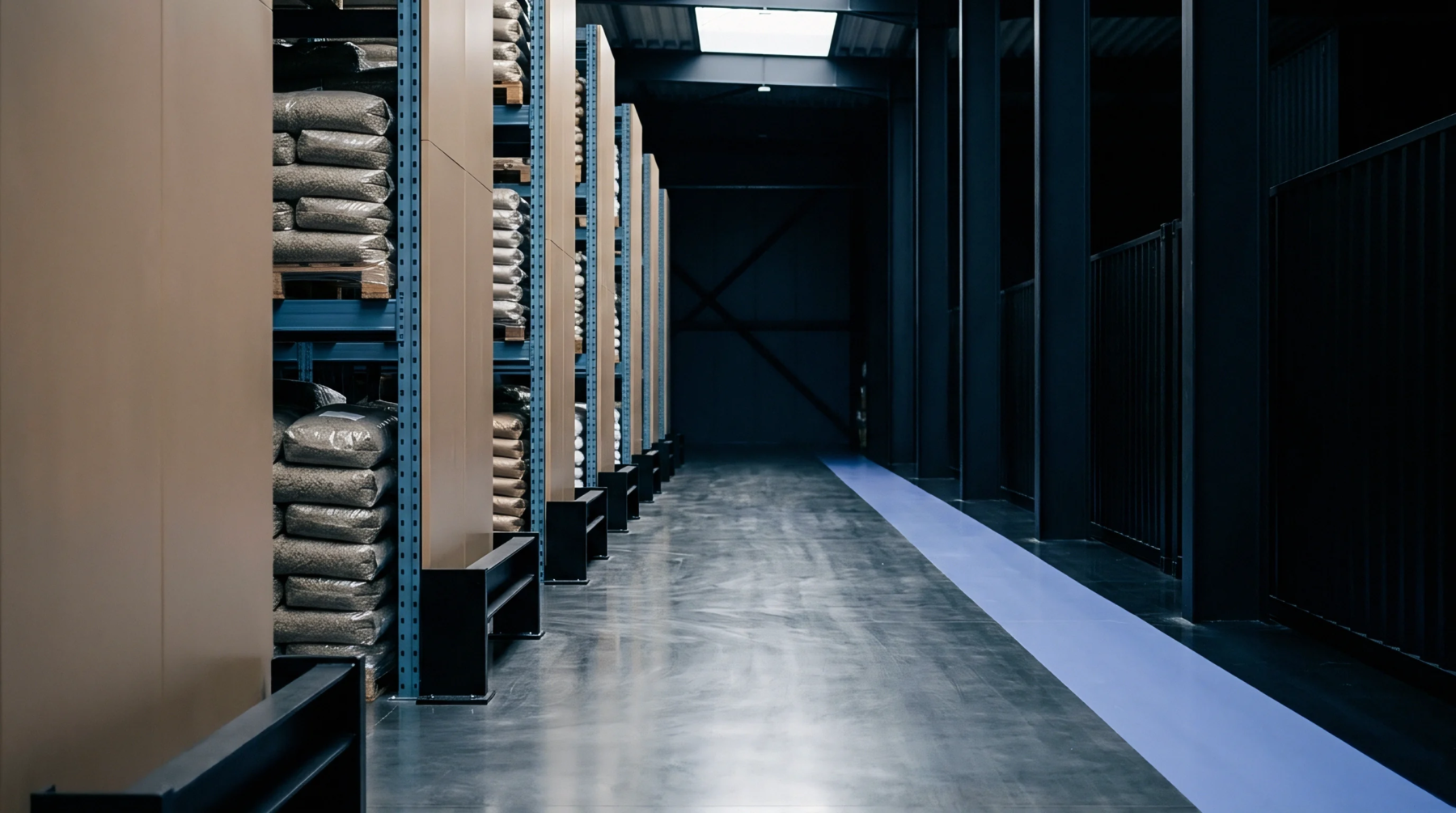
Precursor selection for sodium ion hard carbon anodes dictates closed pore volume, surface area, initial coulombic efficiency, and landed material cost.
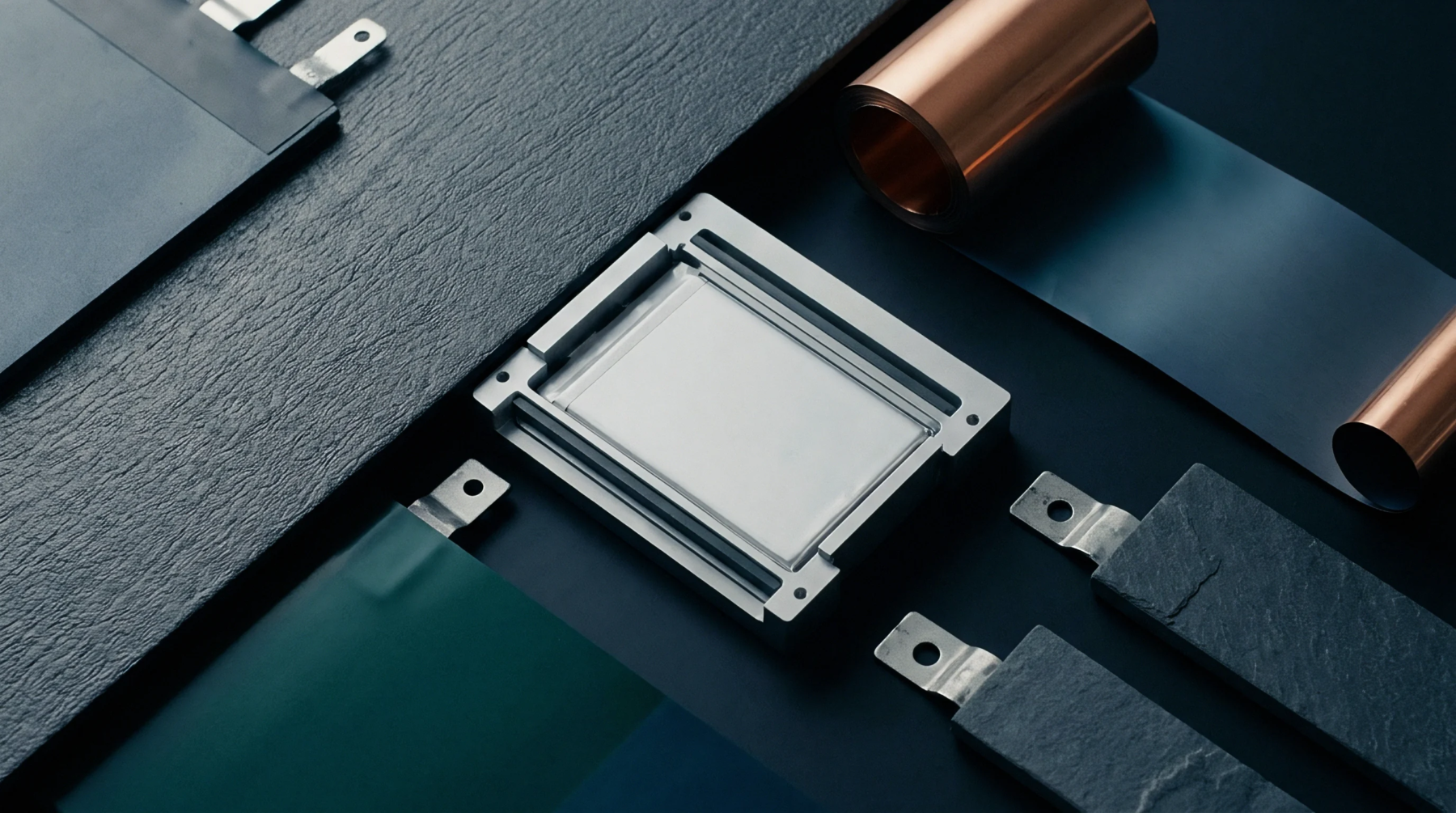
Pyrolysis between 1100C and 1300C balances turbostratic interlayer spacing with closed pore volume to maximize plateau capacity while capping irreversible SEI losses.
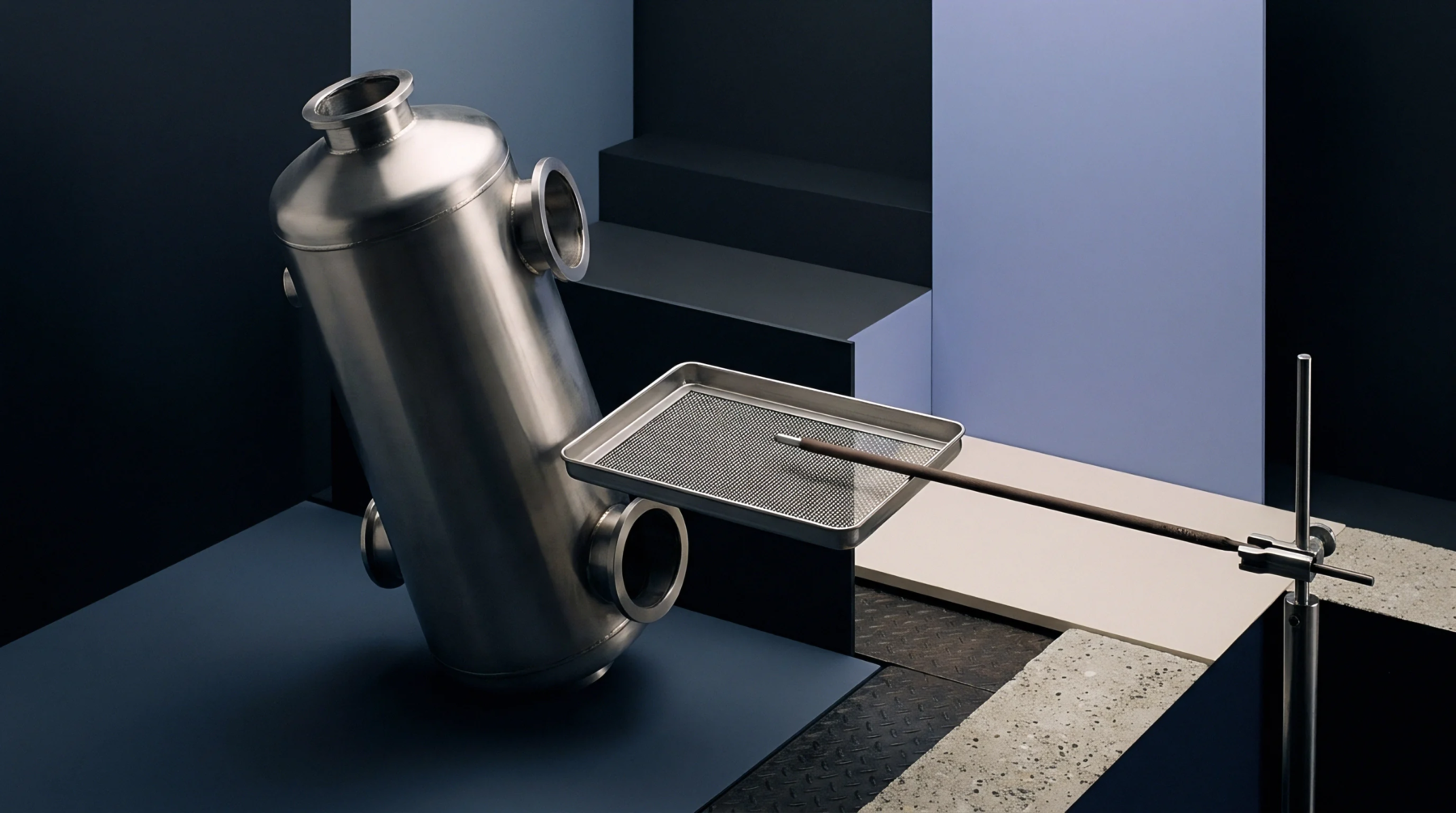
Phase control above 70 mV suppresses c-Li15Si4 nucleation, trading initial capacity for extended cycle life and reduced hysteresis loss in silicon anodes.
Selecting low-ash softwood Kraft or Organosolv precursor matrices optimized for high closed-pore volume maximizes sodium anode plateau capacity and ICE.
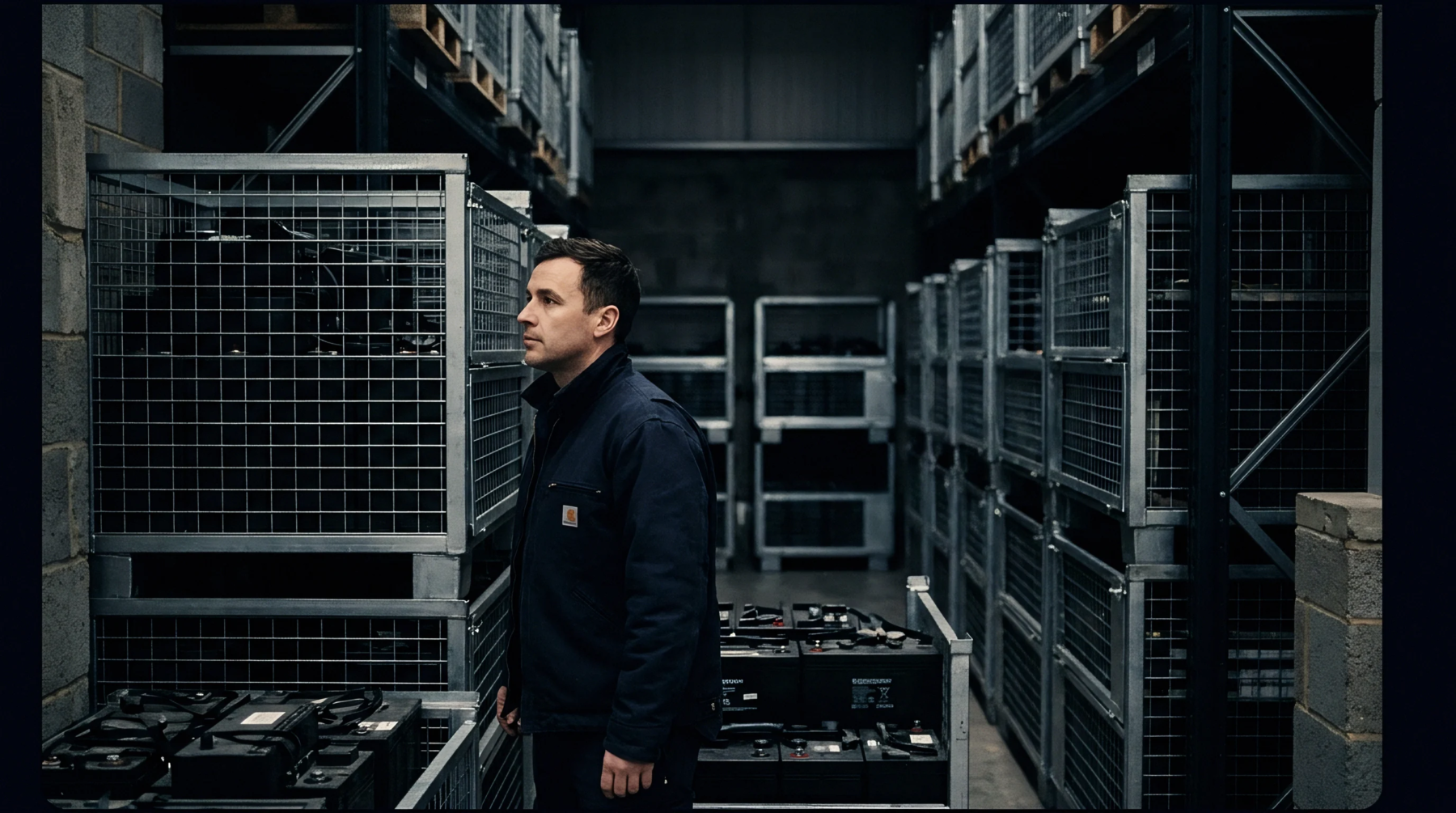
Precise acid leaching parameters control biomass ash removal, protecting hard carbon pore structures and initial coulombic efficiency.
Acid deashing and controlled oxygen removal during thermochemical dehydration reduce ash below 300 ppm to enable hard carbon initial coulombic efficiency above 85 percent.
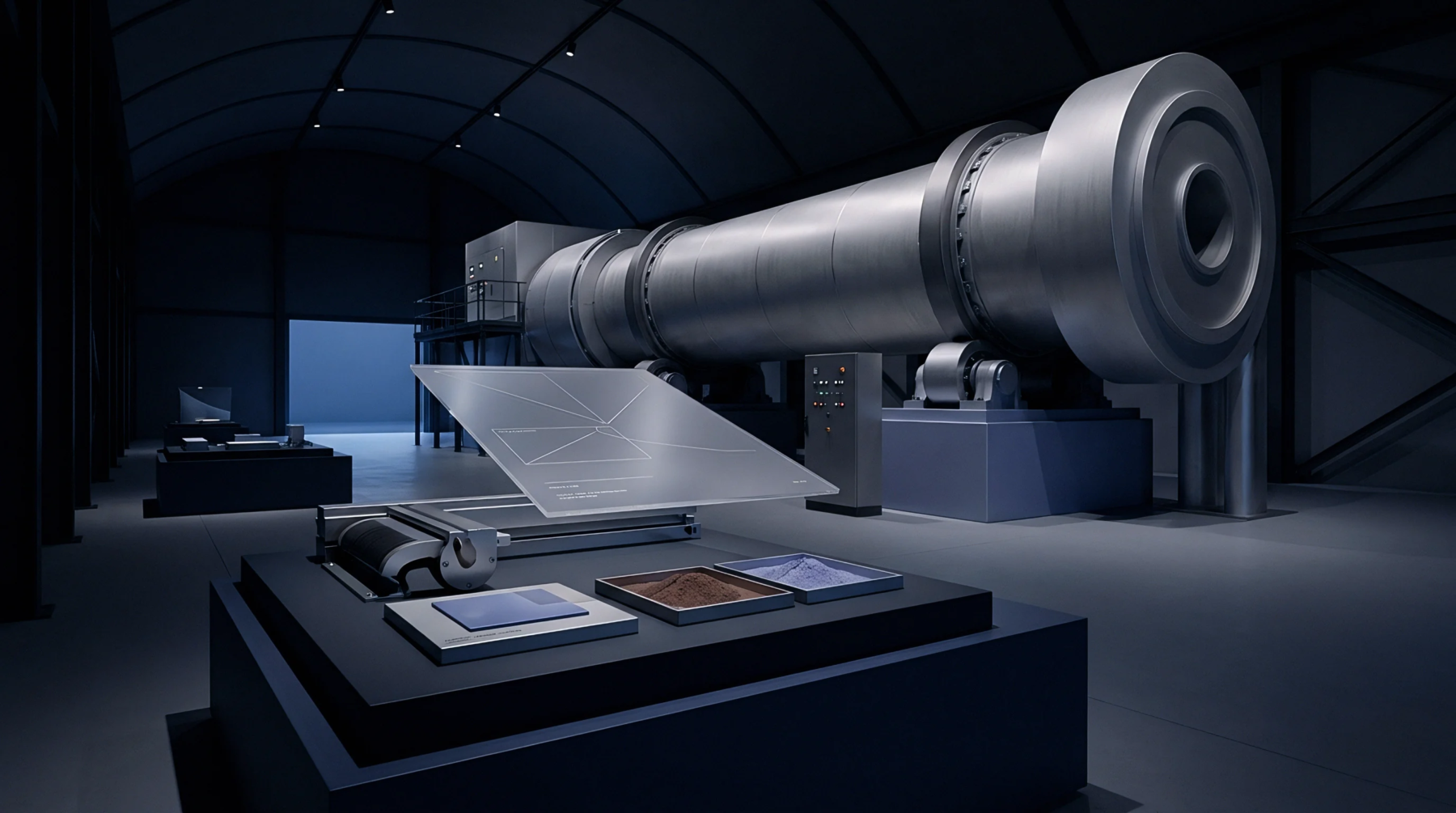
Controlled oxidative cross-linking of pitch precursors balances carbon yield and closed porosity to optimize hard carbon capacity and initial coulombic efficiency.
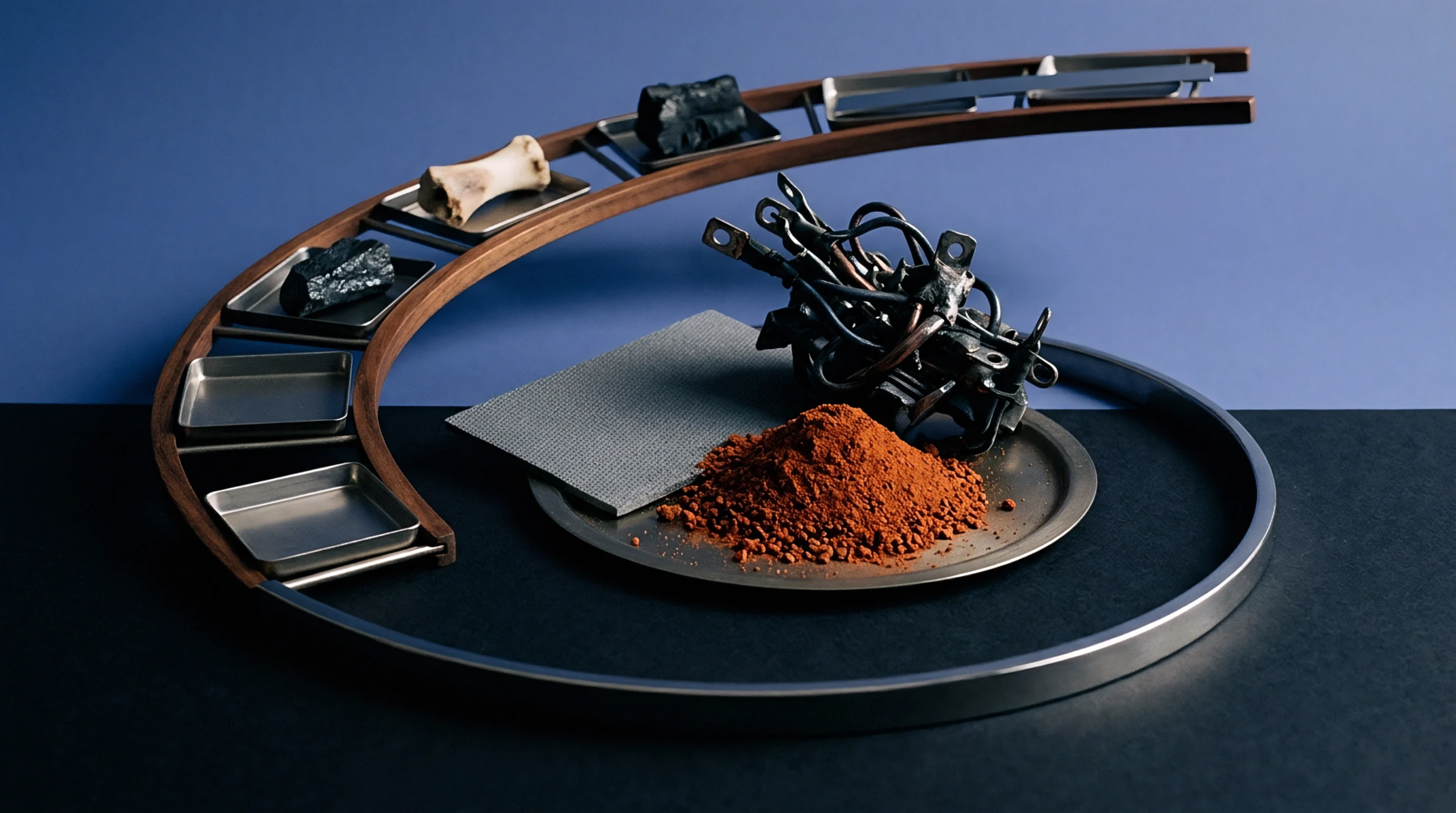
Thermal treatment above 1400 degrees Celsius collapses hard carbon closed pores, shrinking plateau capacity below 100 mAh/g and reducing sodium storage efficiency.
Sacrificial sodium preloading compensates hard carbon initial capacity loss, lowering desolvation resistance when inorganic sodium fluoride inner films dominate.
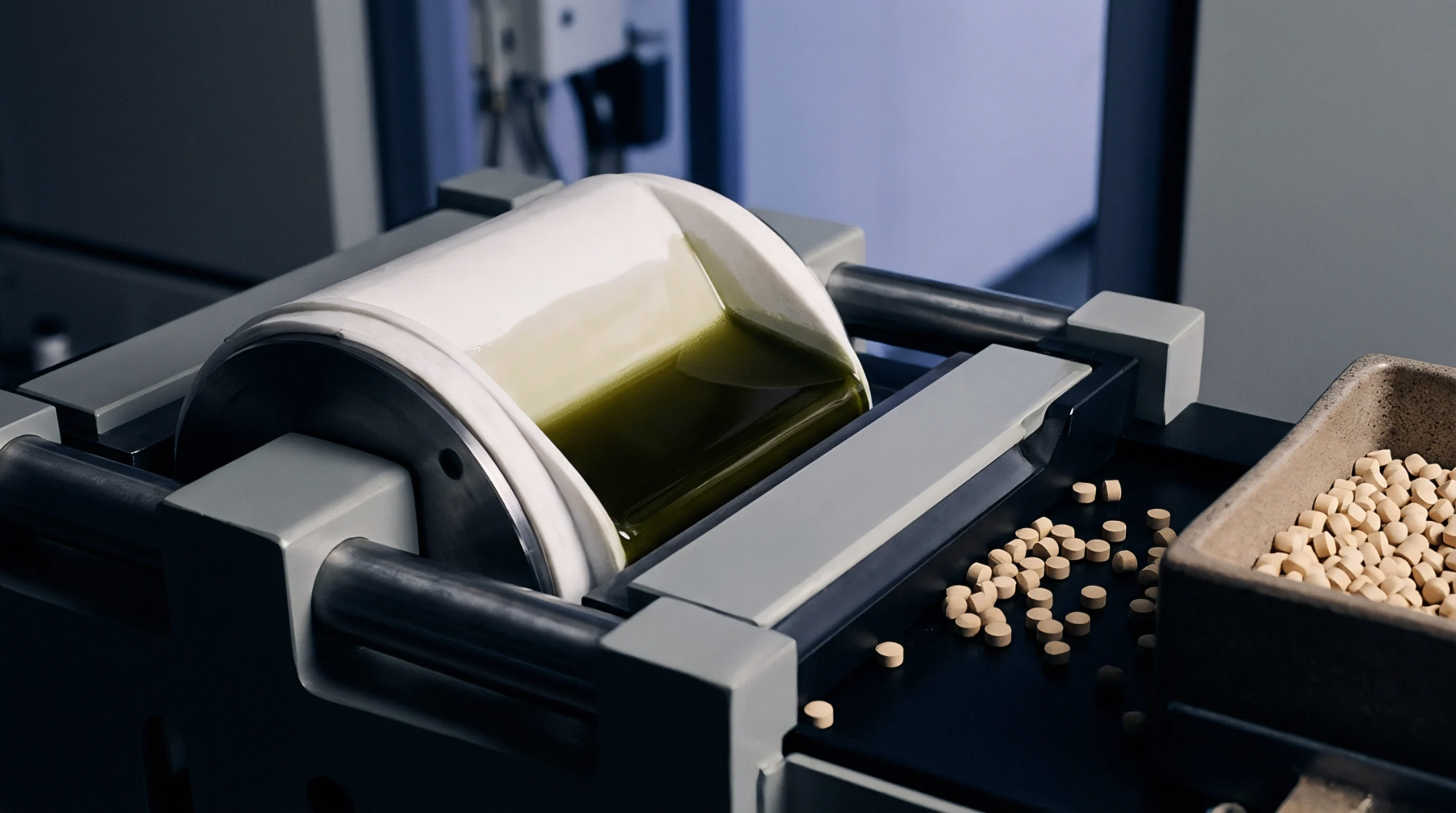
Tuning cell lower cutoff voltage above 2.8V prevents silicon crystallization into c-Li15Si4, suppressing volumetric failure and tripling total cycle life.
Controlling pitch air-oxidation at 260°C yields oxygen uptake above 8 percent, preventing mesophase growth and maximizing sodium storage plateau capacity.
Expertise is a utility, not a secret. sentiention™ publishes its working knowledge as open reference: intelligence layer covering the materials it sources, the markets it enters, and the reference that serves both.