
Thermal Barrier Qualification Standards in High Voltage Commercial Sub-Pack Assemblies
Qualification requires holding barrier unexposed faces below adjacent cell ignition thresholds while maintaining 1000V dielectric integrity under compression.
Qualification requires holding barrier unexposed faces below adjacent cell ignition thresholds while maintaining 1000V dielectric integrity under compression.

Optimizing battery preload requires balancing compliant cushions and chassis stiffness to hold cell pressure between 0.10 MPa and 1.0 MPa across full lifecycle.

Viscoplastic stress relaxation in silicon-lithium alloys mitigates localized current divergence only when charge rates remain below the material creep velocity.
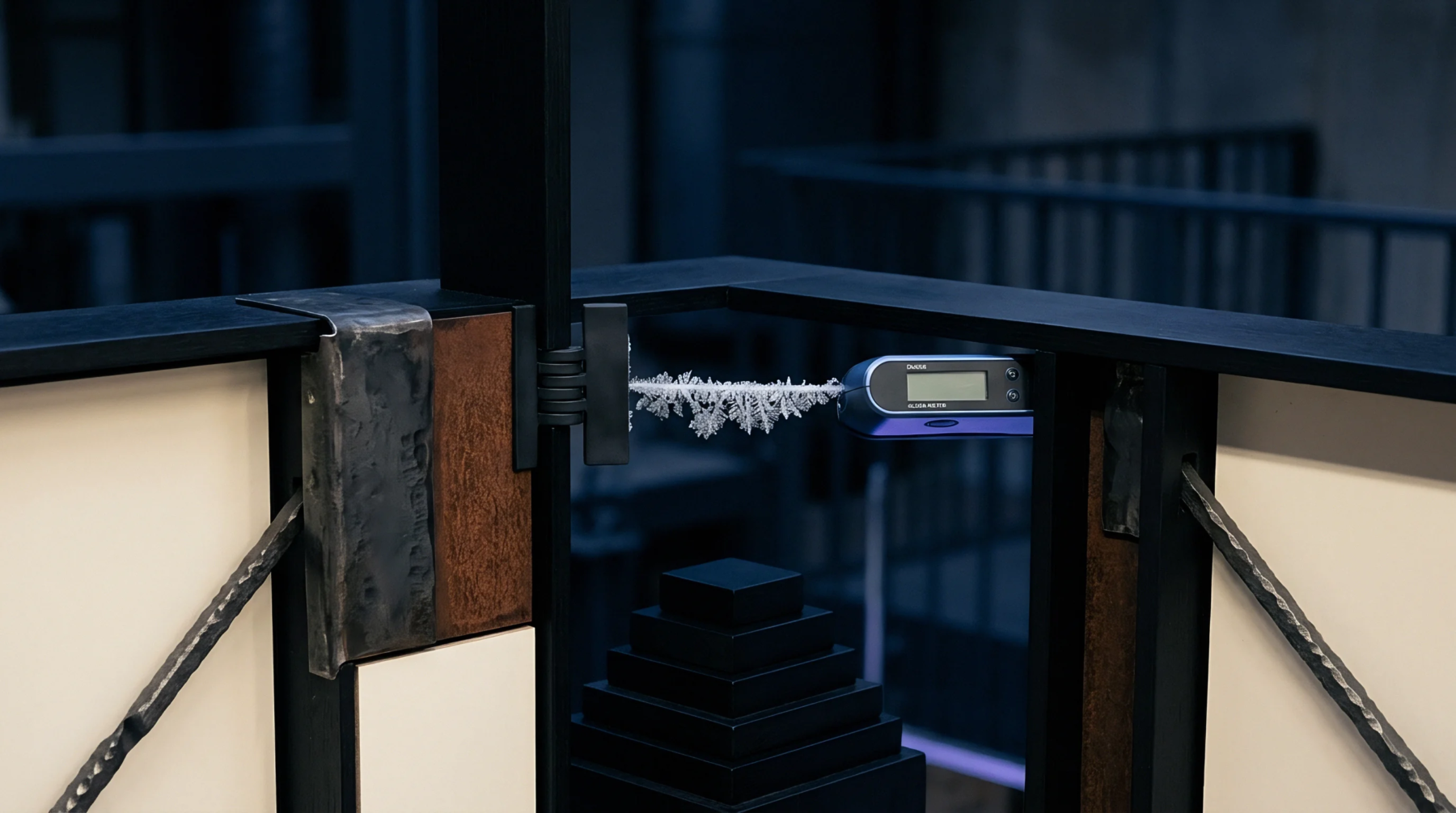
Prismatic cells show 20-fold anisotropic thermal conductivity, demanding ISO 22007-2 or ASTM C177 testing under precise 0.3 MPa preload to model pack cooling.

Prismatic cell mechanical preload management balances initial zero point two megapascal compression against elastomeric spacer deflection to prevent capacity fade.
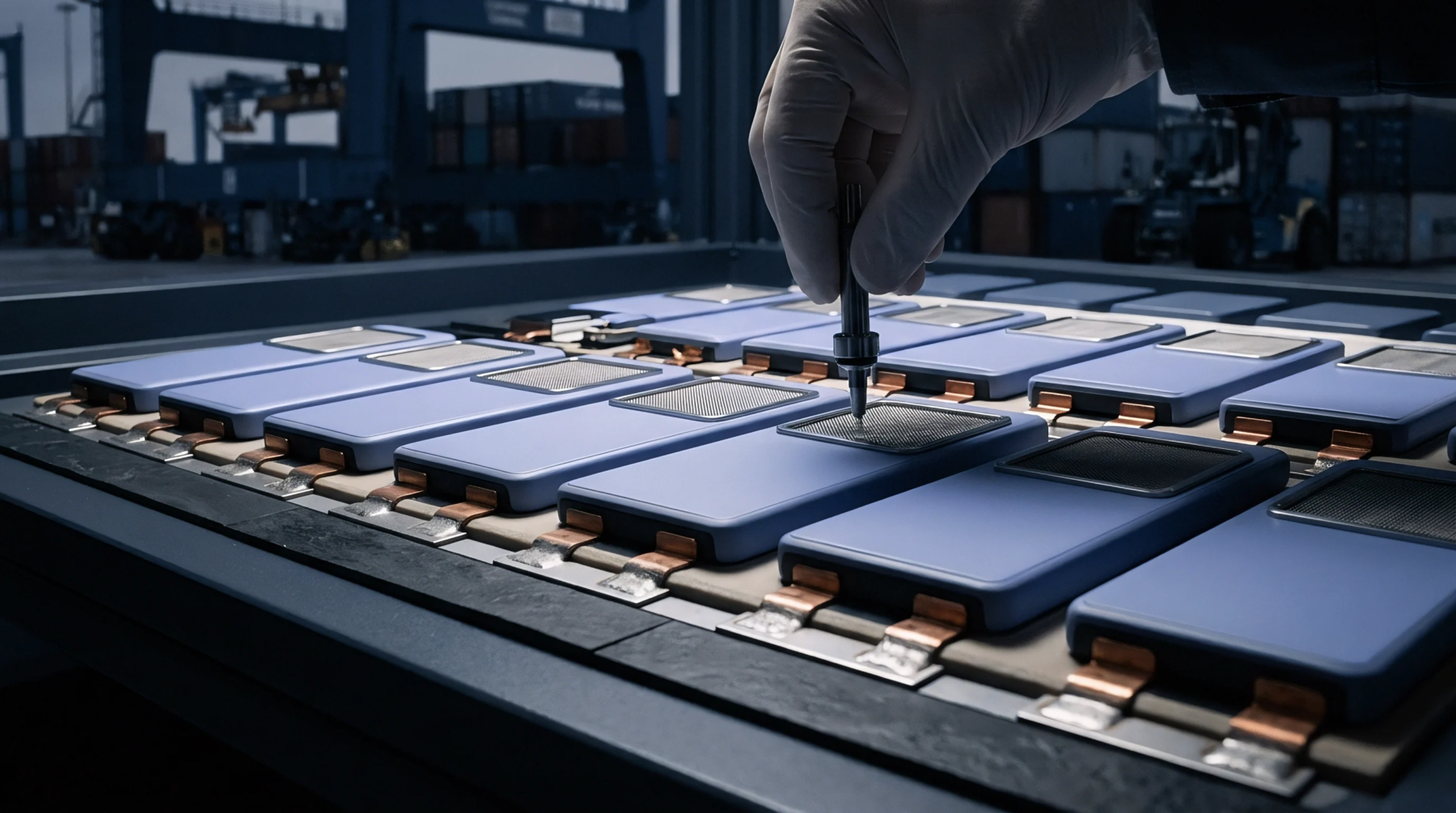
Prismatic cell subzero charge acceptance requires strict current derating below zero degrees Celsius to prevent irreversible metallic lithium plating.

Prismatic cell lifetime depends on balancing initial mechanical preload pressure between 0.2 and 0.4 MPa to suppress lithium plating while accommodating end-of-life swell within structural limits.
Prismatic cell initial mechanical preload limits must balance interfacial contact impedance suppression at 0.15 to 0.35 MPa against EOL structural frame stress.
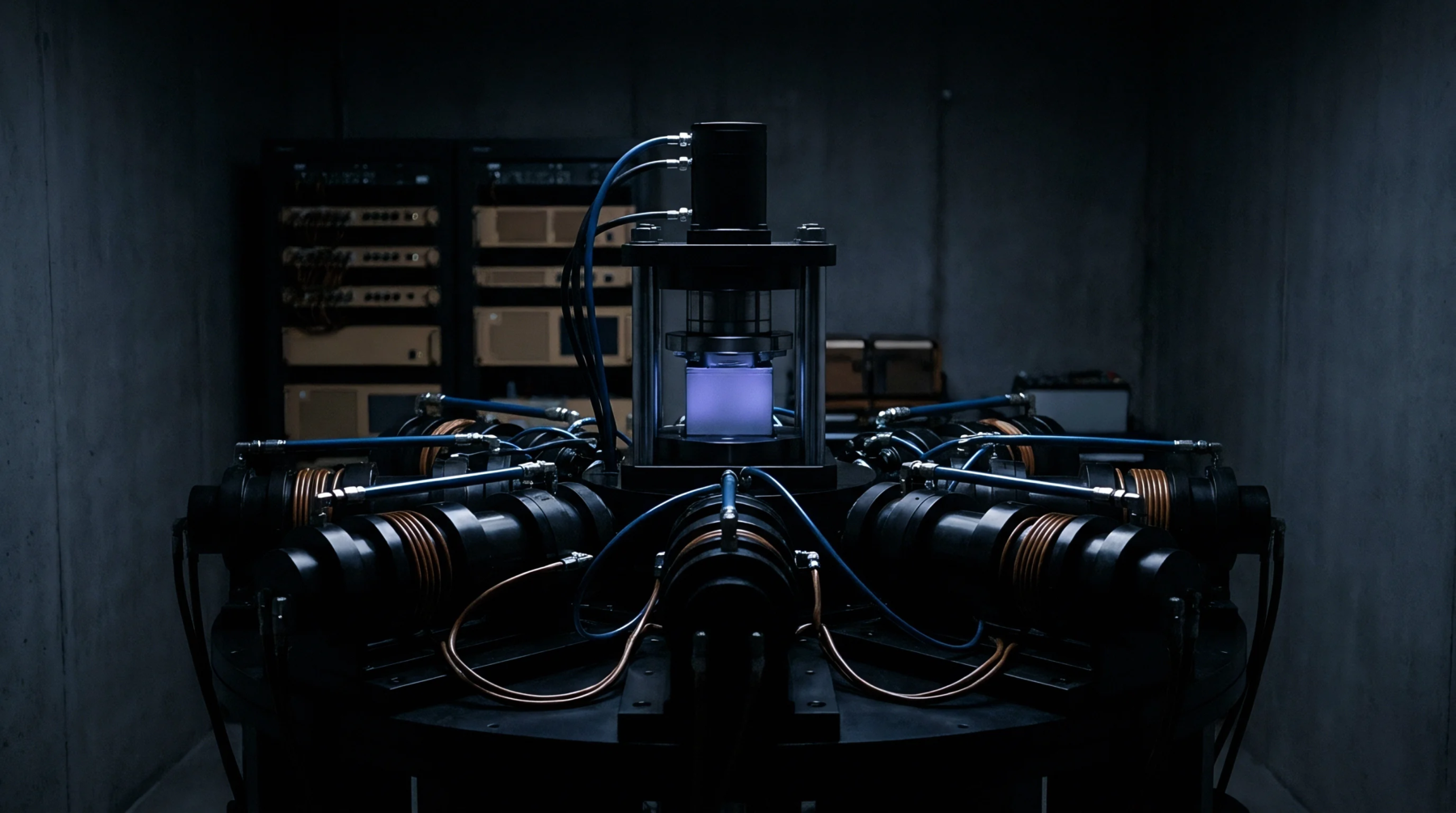
Dynamic fast-charge swelling pressure in structural cell-to-pack enclosures requires bounded preloads to suppress lithium plating without crushing separators.
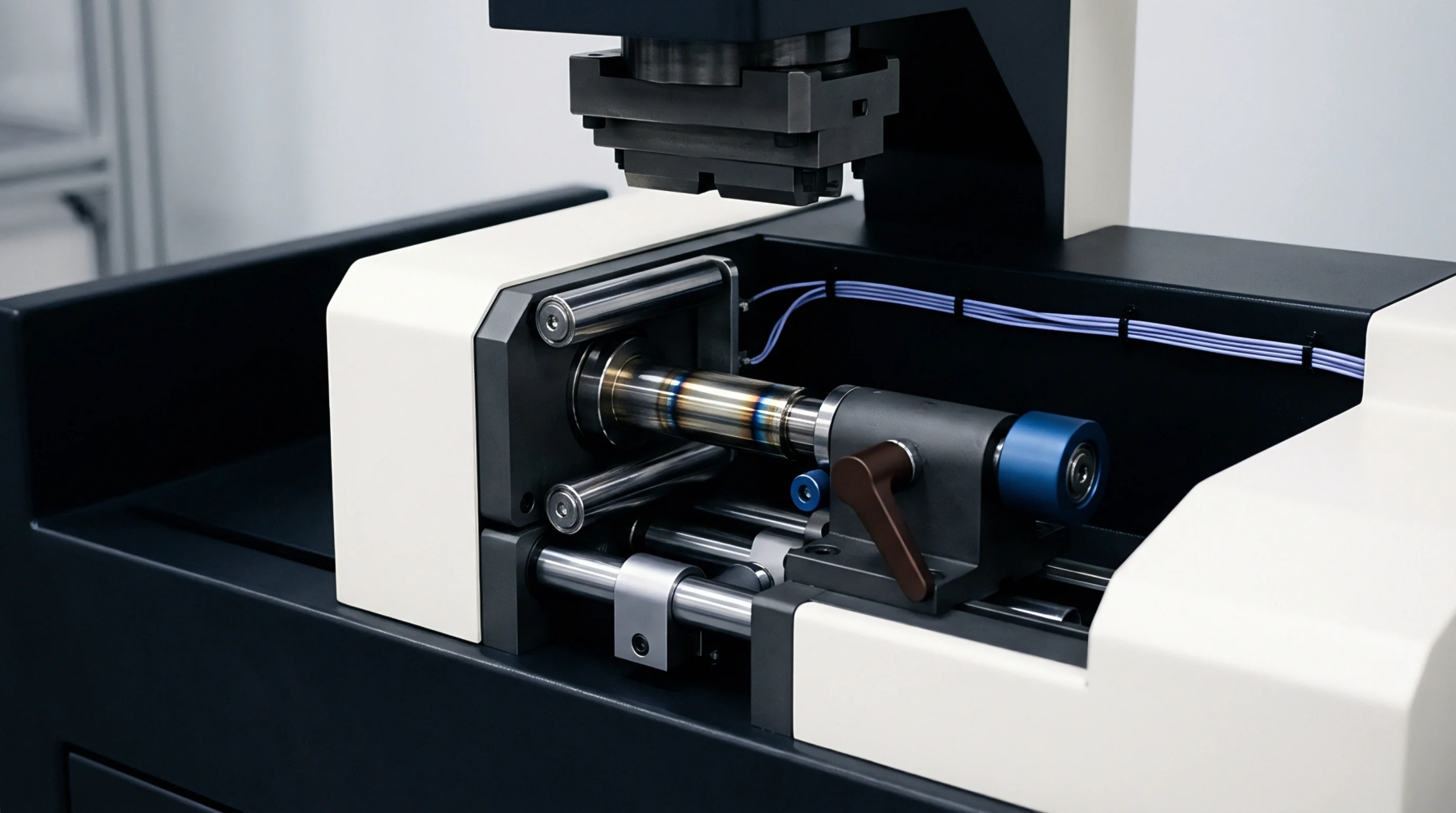
Optimizing module heat dissipation demands matching thermal interface wet-out and structural clamping spring rates to compensate for cyclic cell expansion.
Expertise is a utility, not a secret. sentiention™ publishes its working knowledge as open reference: intelligence layer covering the materials it sources, the markets it enters, and the reference that serves both.